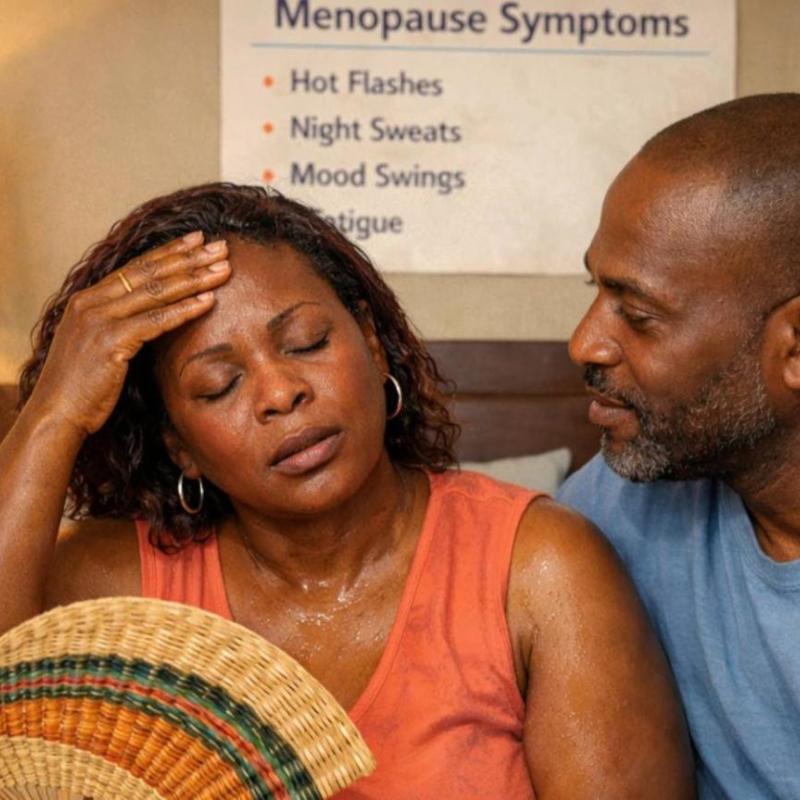
Menopause is often associated with familiar symptoms — hot flashes, night sweats, sleep disturbances, and brain fog. Yet one of its most misunderstood aspects is emotional transformation. Many women report feeling less patient, less accommodating, and less willing to tolerate situations or relationships they once accepted. To outsiders, this may appear as irritability or anger. However, life coach Nicola Clarke says it is something else entirely. “I used to think I was becoming less patient, then I realised I was becoming less tolerant. There’s a difference,” she said. Menopause is increasingly part of the national health conversation in Jamaica. The Ministry of Health and Wellness estimates that about 130,000 Jamaican women are menopausal, with tens of thousands more perimenopausal or postmenopausal. Health officials acknowledge that menopause has long been overlooked, despite its wide-ranging impact. In response, Jamaica is developing a dedicated menopause policy to improve awareness, healthcare access, and workplace support. Across the region, advocates say stigma, misinformation, and limited support systems continue to leave many women struggling in silence. For years, many women prioritise others — maintaining harmony, avoiding conflict, and accepting emotional burdens. They say yes when they want to say no and take on responsibilities that are not theirs. During menopause, that pattern often shifts.Many women find themselves less able — or willing — to tolerate unnecessary stress, emotional labour, or unmet needs. What emerges is not anger, but a clearer sense of self and stronger boundaries. “Somewhere between the hot flashes and the sleepless nights, something changes. Women stop tolerating what never truly worked for them,” Clarke said. This shift can feel unsettling. Women may question why situations, once manageable, now feel overwhelming. Requests that once drew an automatic ‘yes’ are reconsidered. Relationships become more demanding and, at times, exhausting. Clarke describes the experience as a moment of clarity rather than rage.“The answer isn’t anger. It’s clarity,” she said. Medical experts note that hormonal changes can affect mood, contributing to anxiety, irritability, fatigue, and difficulty concentrating. However, Clarke believes the shift is also deeply reflective. “Midlife forces difficult questions: Why are you still saying yes when you mean no? Why are you carrying responsibilities that belong to others?” she said. These questions can disrupt long-established patterns and relationships.“Let’s be honest, not everyone embraces a woman with boundaries,” she added. A woman who declines an invitation is not necessarily antisocial. One who leaves draining conversations is not rude. Instead, she may be recognising the value of her time and emotional energy. Clarke describes this stage as awakening.“A woman who says, ‘No, that doesn’t work for me’ may be labelled difficult. I prefer to call her ‘awake’,” she said. This clarity often reshapes friendships, careers, and priorities. Many women begin investing more in what brings fulfilment and less in obligation. Rather than striving for perfection, Clarke says, women begin to value peace.“The goal isn’t pleasing everyone. It’s living fully in a way that feels right,” she said. Far from being negative, this shift can be empowering.“It’s not anger. It’s understanding what truly matters — and refusing to pretend otherwise,” Clarke said.
It’s not rage, it’s clarity: Understanding the emotional shift of menopause
Menopause is often associated with familiar symptoms — hot flashes, night sweats, sleep disturbances, and brain fog. Yet one of its most misunderstood aspects is emotional transformation. Many women report feeling less patient, less accommodating, and less willing to tolerate situations or relationships they once accepted. To outsiders, this may appear as irritability or anger. However, life coach Nicola Clarke says it is something else entirely.
513 words~2 min read