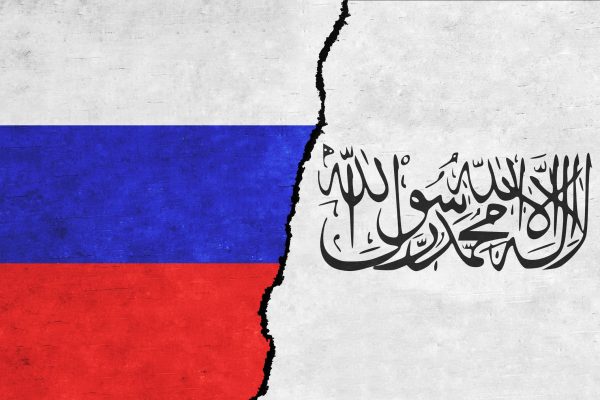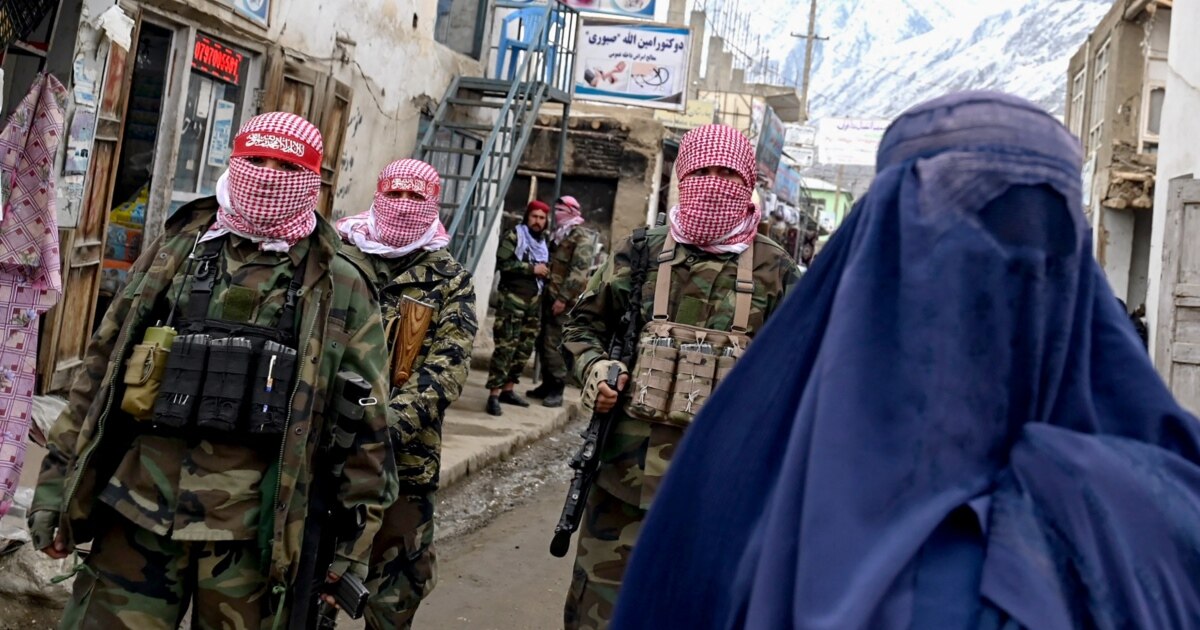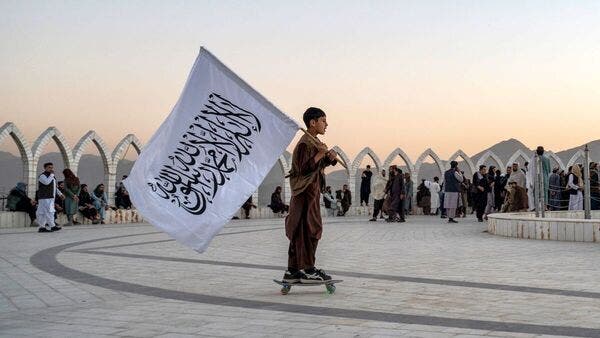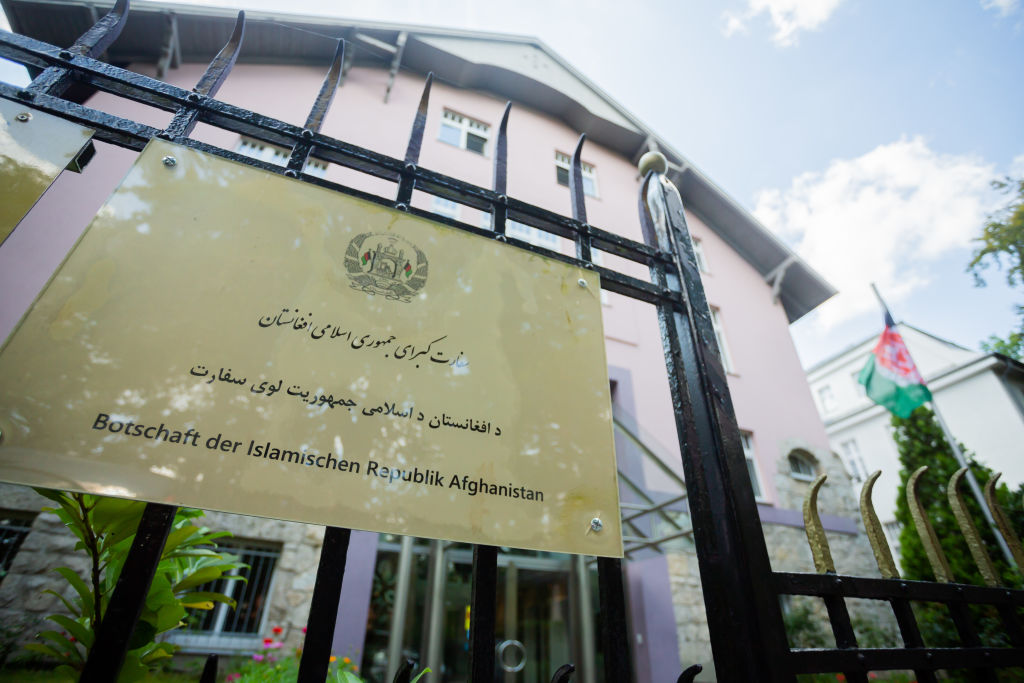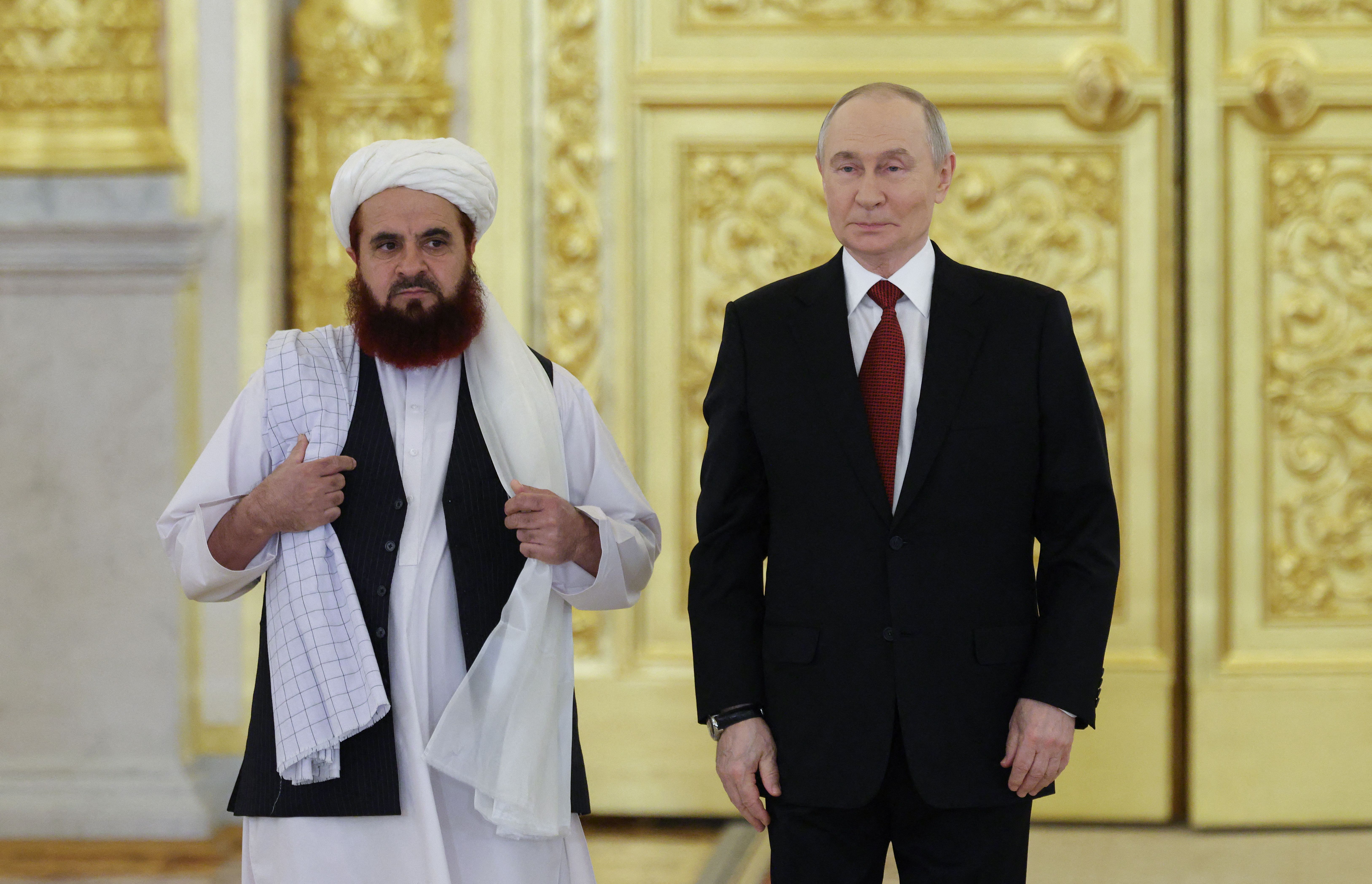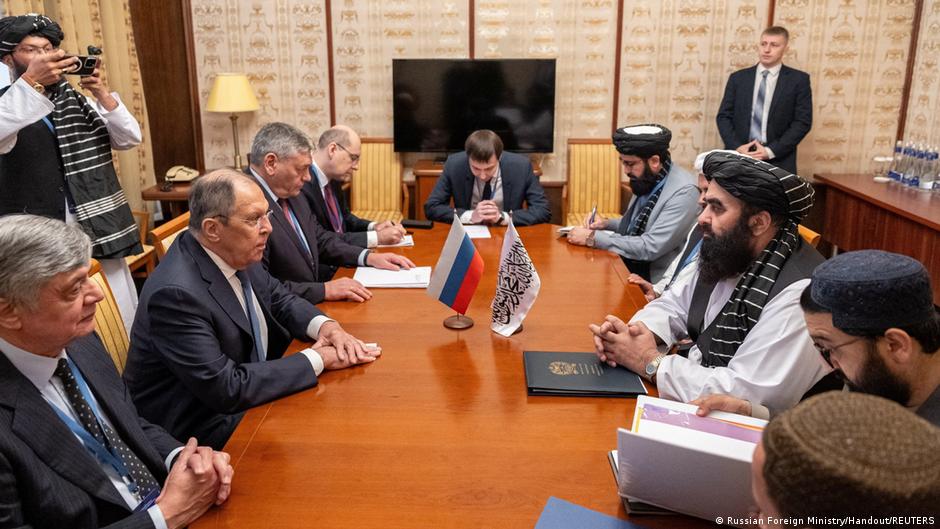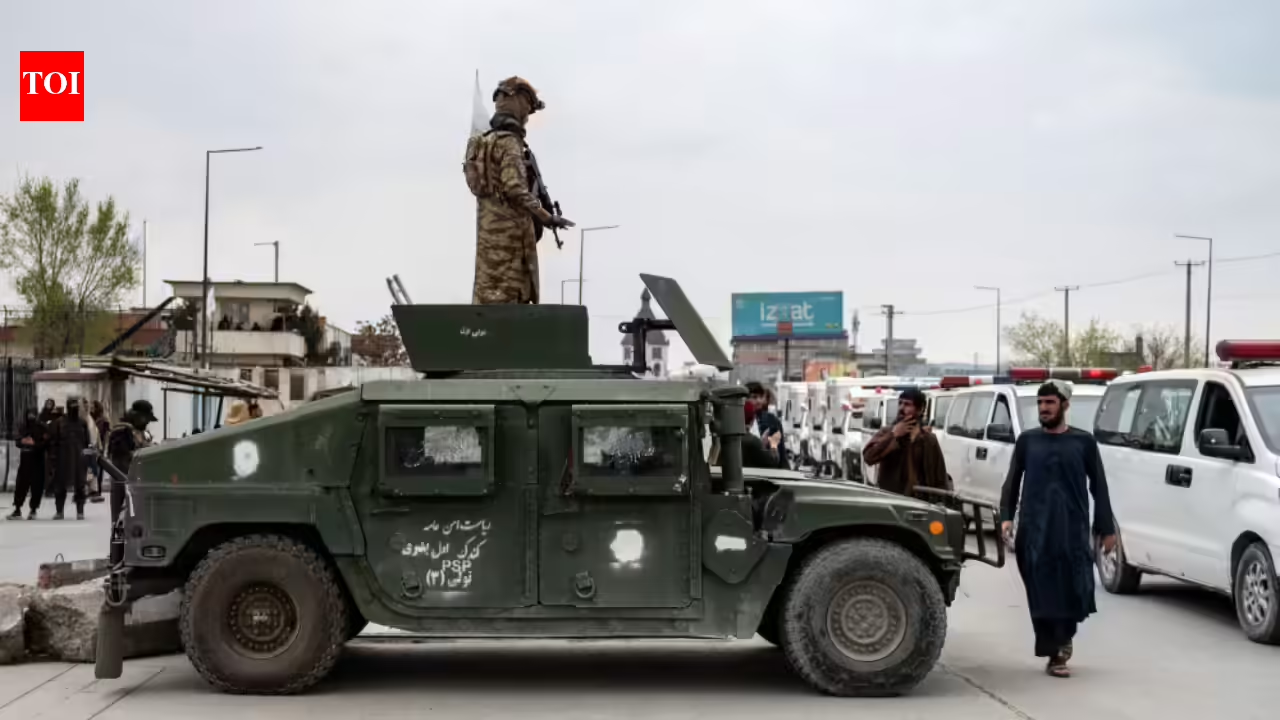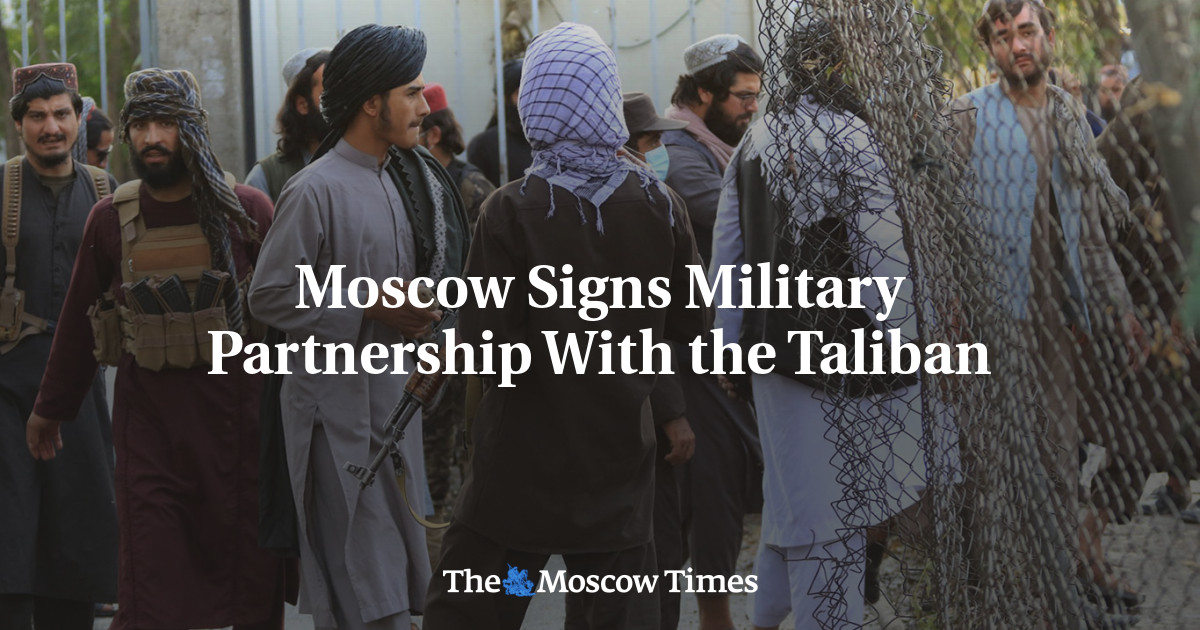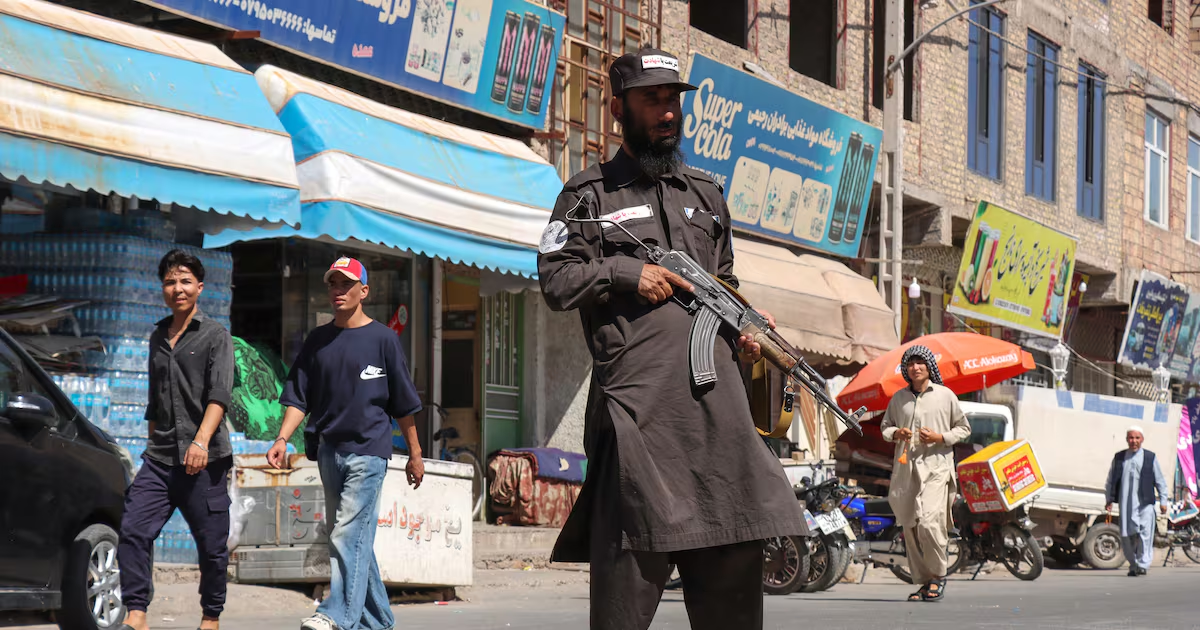
The European Commission has stirred up a storm by inviting the Taliban to Brussels. But a burgeoning partnership between Afghanistan and Russia could have more impact in the long run.Getting pally with the TalibanWhen a delegation from the Taliban arrives in Brussels early next week for meetings with officials from the commission, the European External Action Service and some member states, it is likely to be a discreet affair. The commission stressed that the meeting did not imply recognition of the Taliban regime in Afghanistan but involved “technical talks” about deporting Afghan people who have been rejected for asylum.About a million people from Afghanistan applied for asylum in the EU between 2013 and 2024, about half of them successfully. Most member states stopped repatriating rejected Afghan asylum seekers after the Taliban returned to power in 2021, although some have resumed deportations in the past year or two.Migration commissioner Magnus Brunner said last week that many member states now wanted to engage with the Taliban on irregular migration.“It’s no option not to talk to these people in order to improve the situation,” he said.Since returning to power, the Taliban have been guilty of egregious human rights violations, including the imposition of sweeping restrictions based on gender, banning education for girls beyond primary school and excluding women from many jobs. Last February, the EU condemned what it called “ongoing, widespread and systematic human rights violations and abuses”, adding that “systemic violations of women’s and girls’ rights may amount to gender persecution”.Russia last year became the first country to recognise the Taliban government, although a number of others including China engage with the regime in Kabul without offering formal recognition. Last month, Moscow signed a military co-operation agreement with the Taliban, and Russian security council secretary Sergei Shoigu said the two sides planned to work together on other issues.“We’re consistently building a full-fledged partnership ranging from political and security contacts to trade, economic, and cultural and humanitarian co-operation,” he said.The Soviet Union invaded Afghanistan in 1979 but withdrew its forces a decade later in the face of a successful guerrilla campaign by the mujahideen, who were radical Islamist forerunners of the Taliban. The United States armed and funded the mujahideen, helping to cultivate the environment that later saw the Taliban host al-Qaeda in Afghanistan.Russia and the Taliban share a common interest in suppressing radical armed groups operating inside Afghanistan, including Isis-K, which has about 3,000 fighters in the country. The details of the partnership agreement have not been published but there is no sign that Russia is prepared to intervene in support of the Taliban in its ongoing military conflict with Pakistan. The partnership’s significance lies more in the potential it offers Moscow to extend its influence in Afghanistan and to shape regional security arrangements in its own interests. For the Taliban, isolated, starved of cash and facing a humanitarian crisis, the partnership with Russia promises a possible route towards greater international legitimacy.Afghanistan’s dispute with Pakistan has seen bilateral trade collapse, dealing a blow to an economy that is already on the floor. About 74 per cent of Afghans cannot meet basic needs and more than 17 million of its 43 million people face a food crisis, according to the United Nations.The crisis has been made worse by the arrival of a massive wave of people forced to return to Afghanistan from abroad, with at least 2.8 million sent back from Iran and Pakistan in 2025. If the European Commission has its way, they will soon be joined by tens of thousands of deported migrants from Europe.Please let me know what you think and send your comments, thoughts or suggestions for topics you would like to see covered to denis.globalbriefing@irishtimes.com
Getting pally with the Taliban
Russia has signed a military agreement with Afghanistan that could allow Moscow to extend its influence and shape regional security
617 words~3 min read