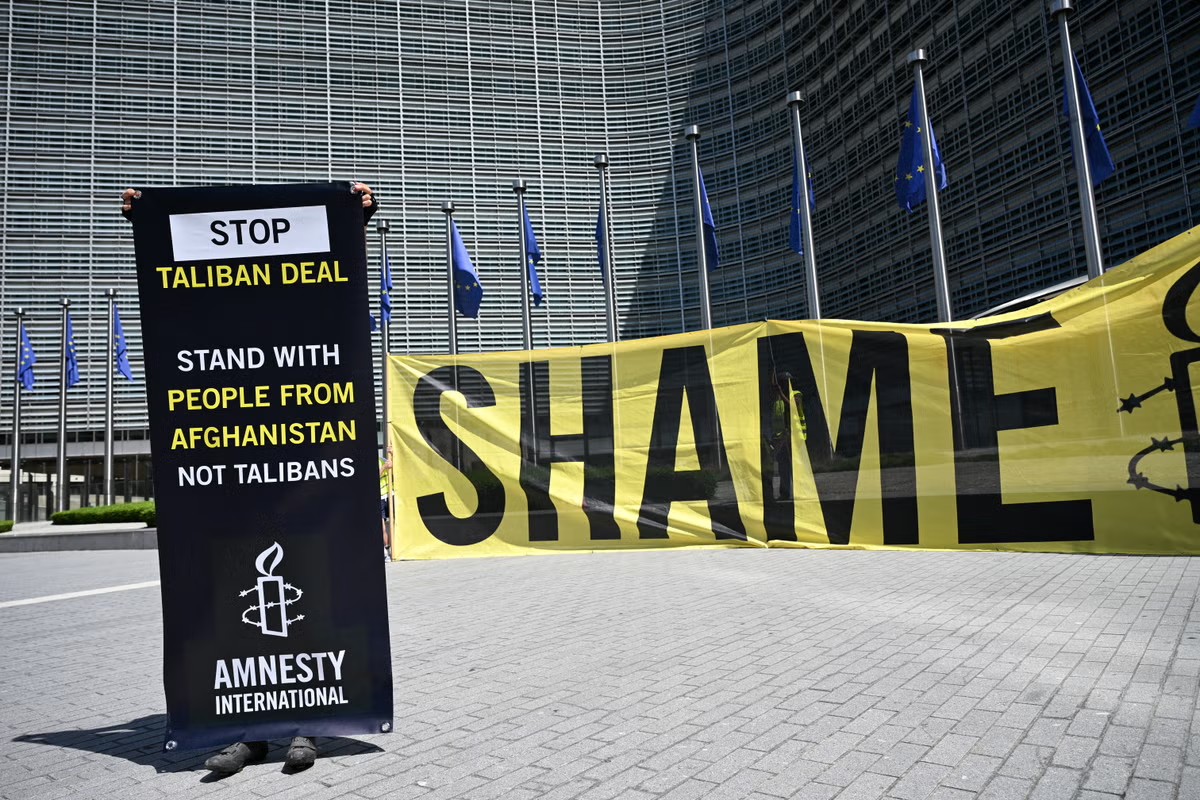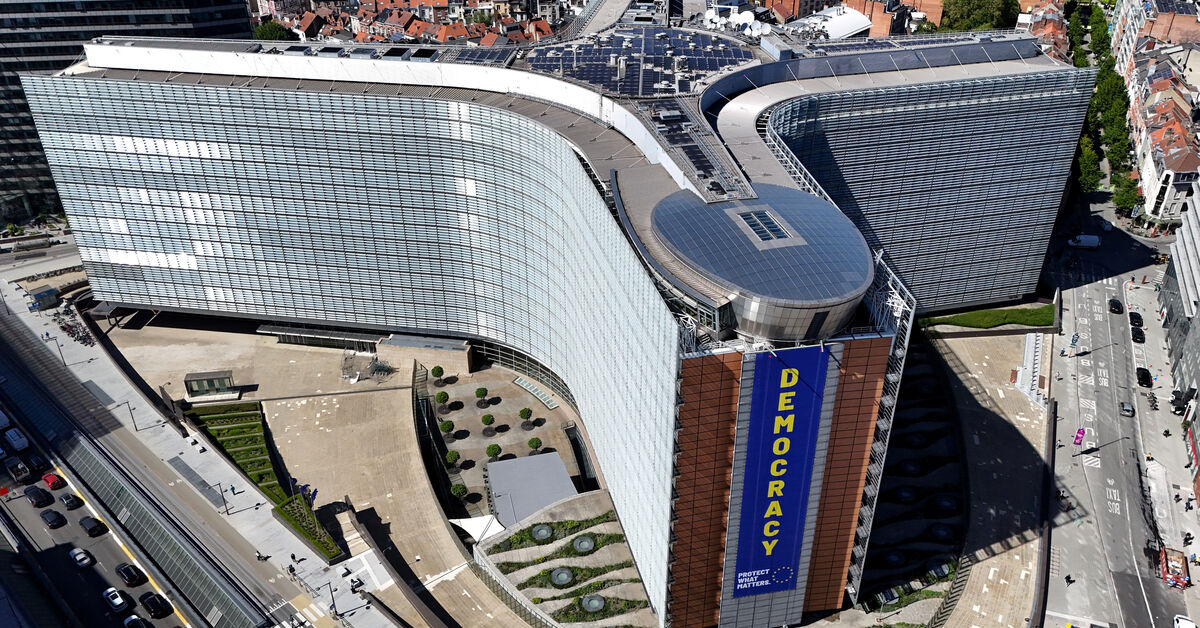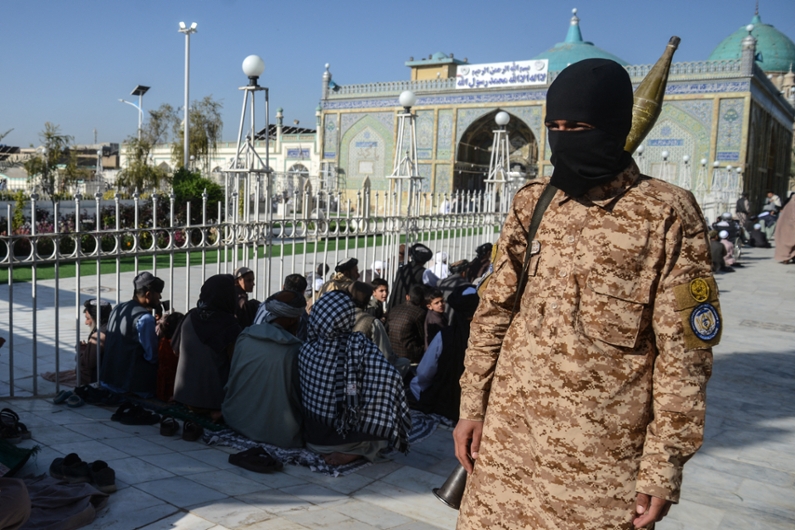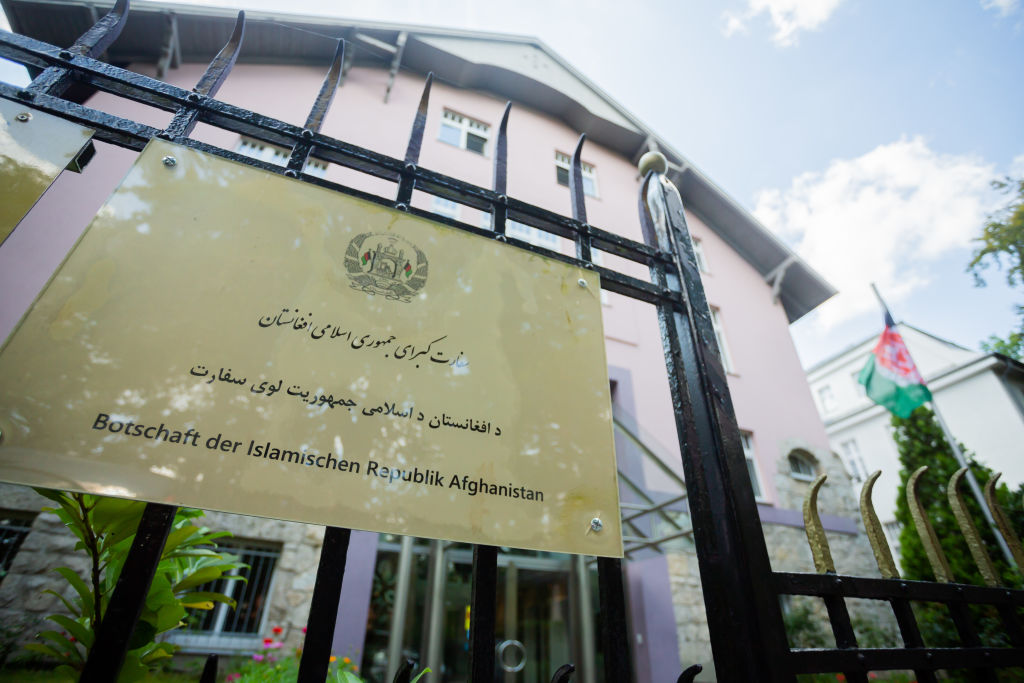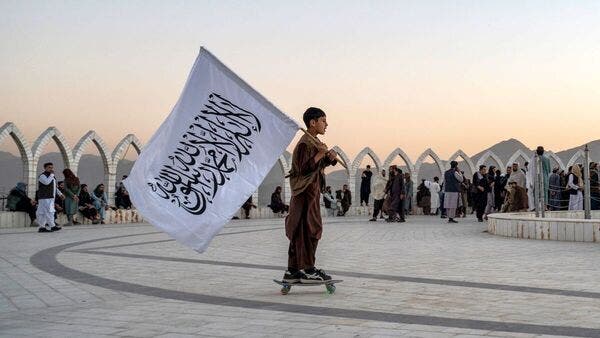
Five Taliban officials attended closed-door talks in Brussels on June 23, the same city that houses the European Commission, the European Parliament and NATO headquarters. They sat down with representatives from 15 EU member states, marking the first time the EU had hosted a Taliban delegation in Brussels since the group returned to power in 2021.For all the latest headlines, follow our Google News channel online or via the app.Belgium issued the delegation five one-day visas after a security review, and the meeting itself took place at an undisclosed location, since neither Belgium nor the EU formally recognizes the Taliban government. Officials described it afterward as technical, migration-focused talks, though critics saw something else entirely – the moment Europe’s own human rights rhetoric collided with its migration anxieties.
Commitments still unmet
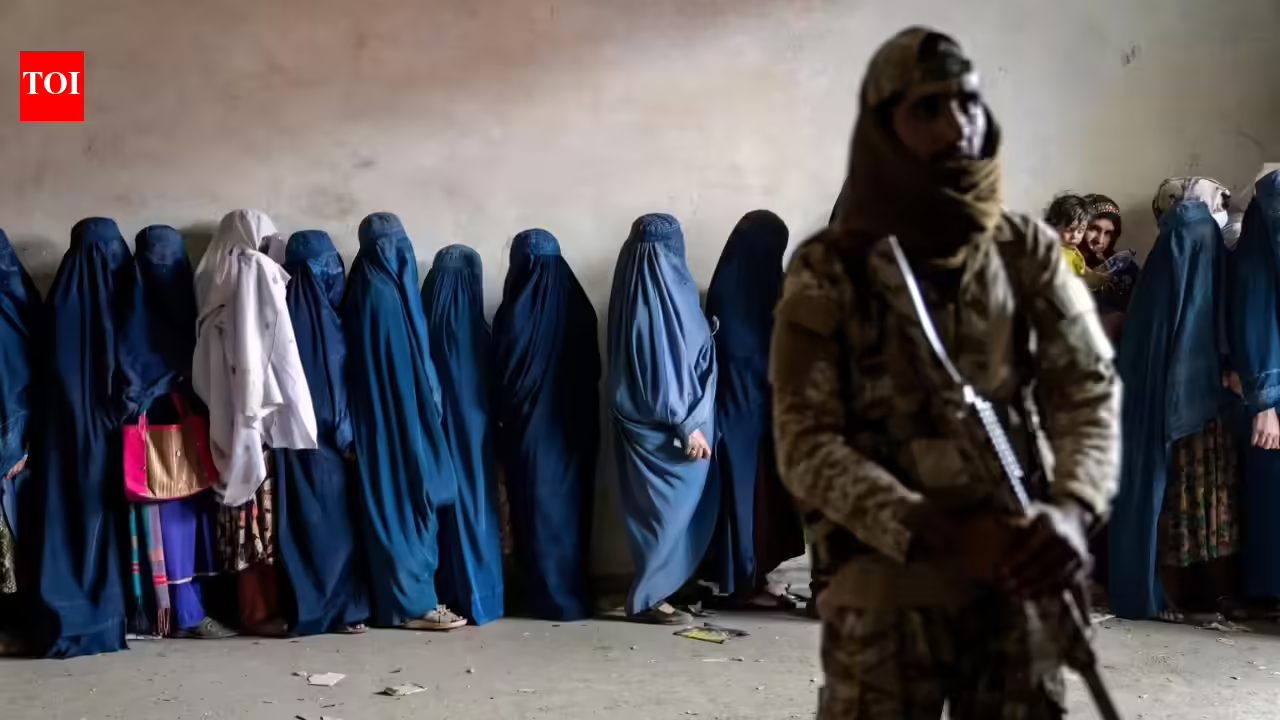
Much of what Brussels chose to look past traces back to the 2020 Doha Agreement, under which the Taliban made counterterrorism commitments not to allow Afghan soil to be used by groups threatening the United States and its allies, while Afghanistan’s political future was left to intra-Afghan talks that never produced inclusive governance. Those commitments, more than six years after Doha and nearly five years after the Taliban’s return to power, remain largely unfulfilled.UN and US assessments continue to document the presence or activity of TTP, al-Qaeda and AQIS, while ISIS-K remains active despite sustained Taliban operations against it. Meanwhile, Russian Security Council Secretary Sergei Shoigu claimed in May that between 18,000 and 23,000 fighters linked to more than 20 armed groups were operating in Afghanistan. The 2022 killing of al-Qaeda leader Ayman al-Zawahiri at a Kabul property linked to a senior Haqqani figure intensified questions about Taliban compliance with the agreement.That question resurfaced just over a week after Brussels, when Pakistan said on July 1 that it had shot down four drones launched from Afghanistan into Balochistan, while Afghanistan’s Taliban authorities said they had carried out airstrikes on what they called ISIS targets in Pakistan’s Balochistan and Khyber Pakhtunkhwa provinces. It was the latest round in a longer cycle of cross-border incidents, and a reminder of how unresolved the security guarantees under Doha remain.Inside Afghanistan, restrictions on women have continued to widen, with more than 2.2 million girls still barred from secondary and higher education and, since August 2021, more than 70 decrees issued affecting women’s movement, work and public presence, a body of policy some UN experts have described as gender apartheid. Alongside that, around 21.9 million Afghans need humanitarian assistance.