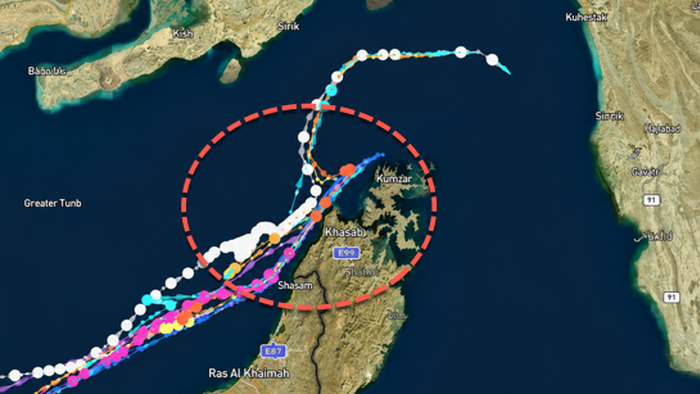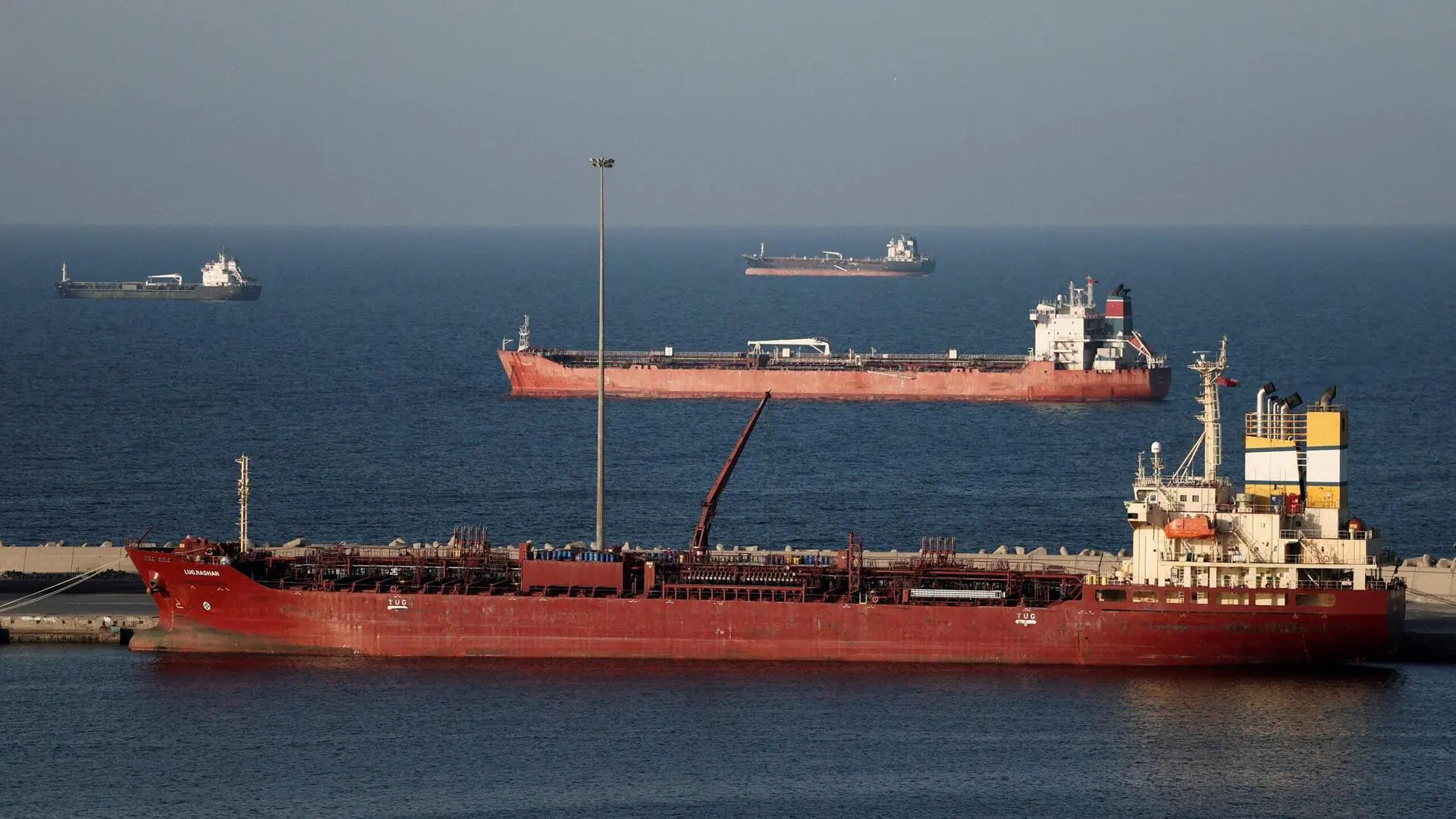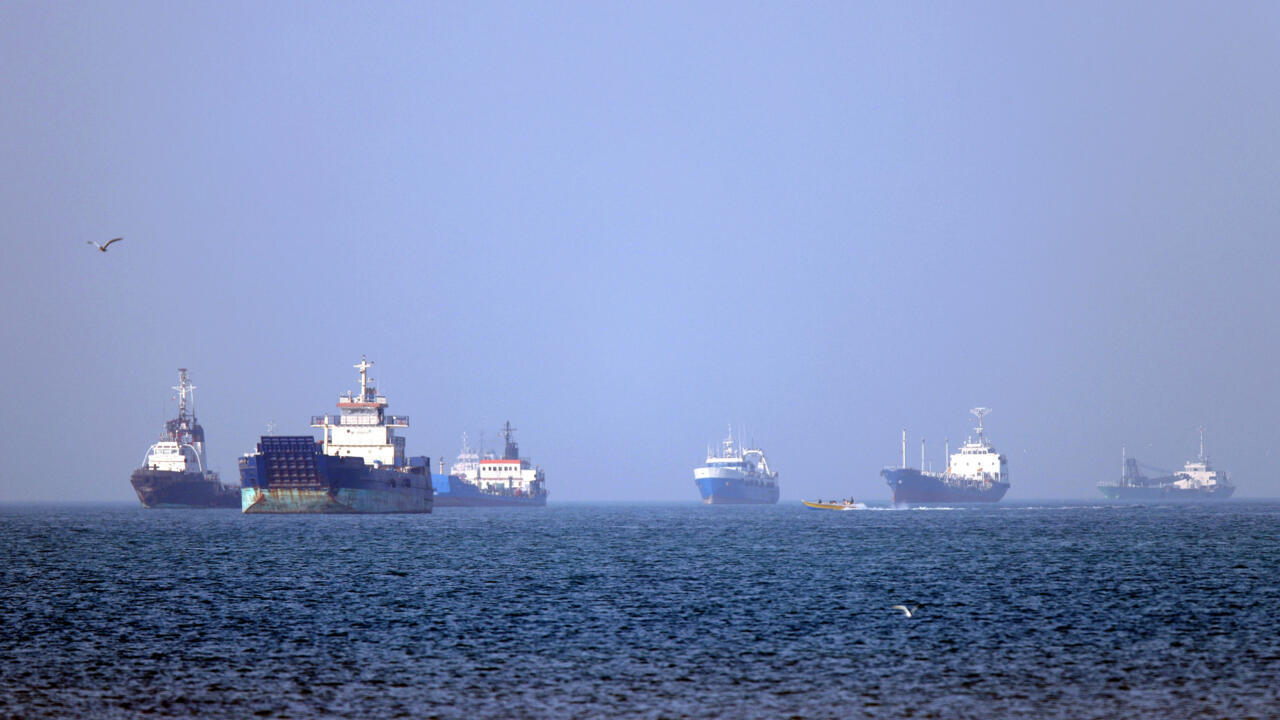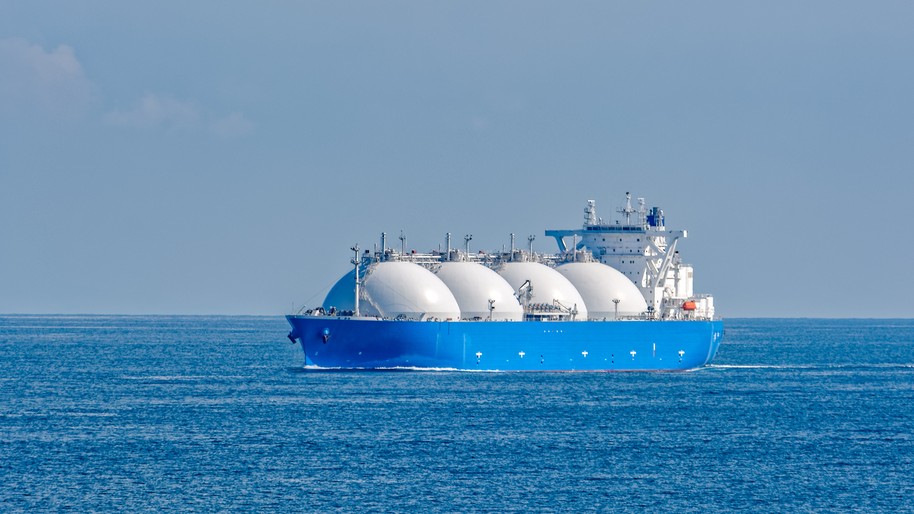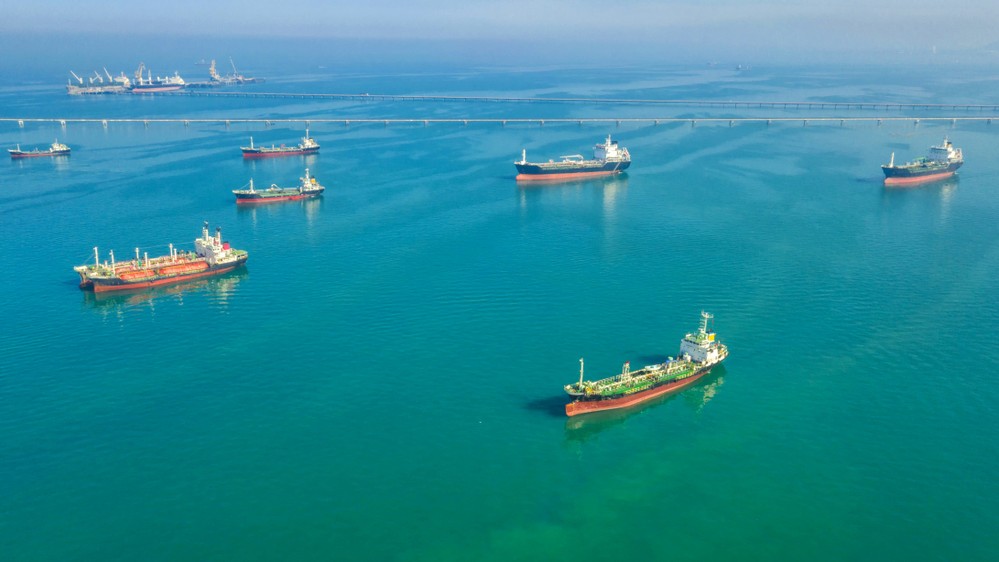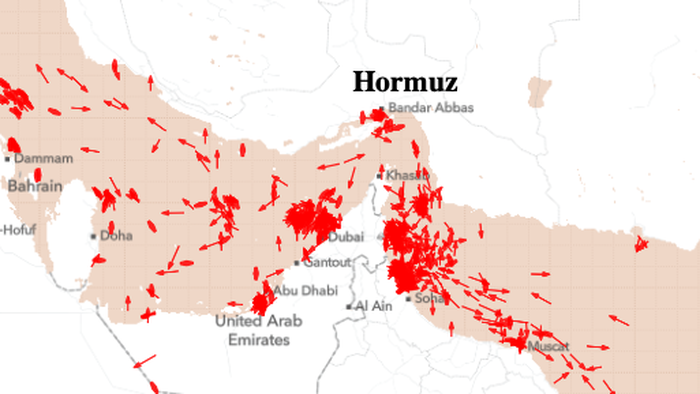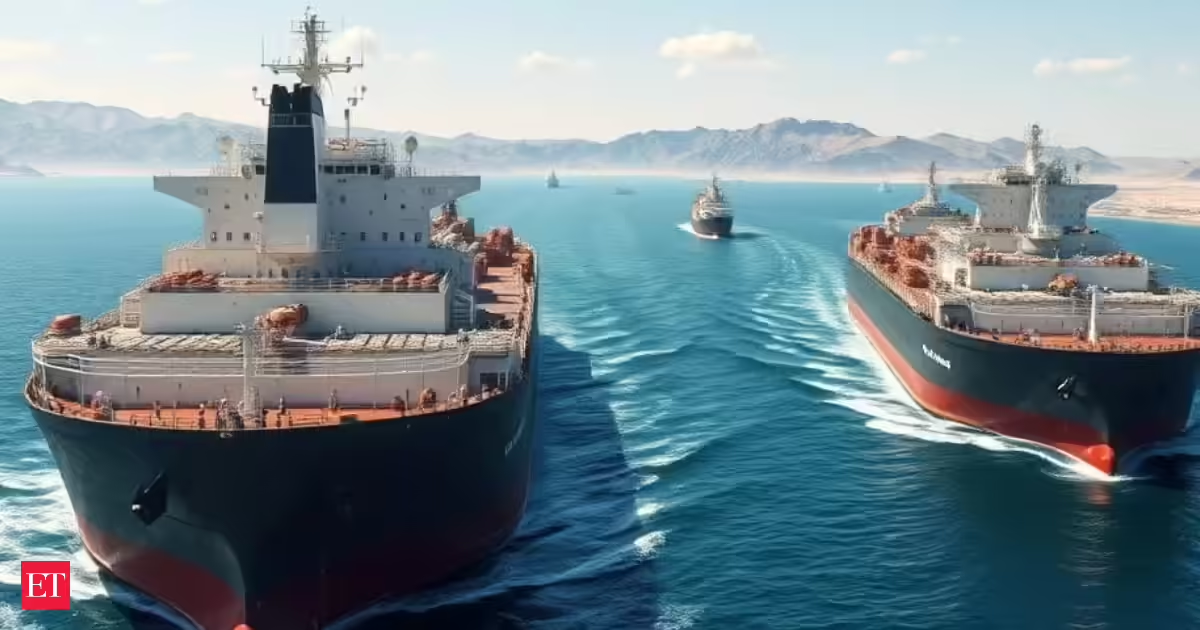
Two oil tankers heading toward Africa have u-turned in the Indian Ocean this week, switching their destinations to the Middle East as shipowners race to re-position vessels ahead of the possible reopening of the Strait of Hormuz.Suezmax Kapodistrias 21 made a sharp turn on Monday, ship-tracking data show, changing its next port of call to Fujairah in the United Arab Emirates port from Gabon. Very large crude carrier Coslucky Lake, originally bound for South Africa, changed direction the same day, and is also signaling Fujairah.Also Read: No nuclear weapon, conditional relief & open Hormuz: Vance outlines 3 pillars of Iran peace frameworkThe diversions came hours after US and Iran reached an interim agreement on a peace deal, pledging in a draft memorandum to end their blockades and reopen the strait. The deal is set to be signed on Friday. The crucial waterway, responsible for a fifth of the world’s oil and liquefied natural gas supplies, has been effectively closed since late February when the US and Israel first struck Iran.While many shipowners are still in a wait-and-see mode, some with higher risk appetites are gearing up to lock in voyages to enter or exit the strait. First movers stand to benefit from higher rates due to a risk premium still attached to the trade.BloombergThe number of empty supertankers waiting in the Gulf of Oman, just outside the Strait of Hormuz, rose to about 60 this week, shipbrokers say, up from about three dozen earlier this month. The availability of empty tankers able to quickly enter the Persian Gulf to pick up new cargoes will be crucial to the resumption of oil flows to global customers.Also Read: Qatar plans to rapidly restart LNG production after Hormuz opensThere’s already been a flurry of activity by Iran-linked vessels this week, with a number of ships shifting position as the country prepares to sign the deal that could allow Tehran to start selling its oil. Four vessels switched on their transponders and appeared to be sailing out of the Strait of Hormuz or Gulf of Oman on Tuesday, according to ship-tracking data.Separately, other ships stuck in the Persian Gulf are moving closer to Hormuz. Over the past day, at least two bulk carriers, a liquefied-natural-gas tanker and a container ship were observed sailing eastward within the gulf. They appear to be headed toward a cluster of vessels idling off Dubai, an anchorage area where shipowners can stock up on supplies and secure insurance cover before making the transit.Qatar, meanwhile, is bringing some of its liquefied natural gas tankers back to the Middle East, as the major supplier prepares to ramp-up exports once Hormuz reopens. At least four empty LNG vessels owned by Qatar recently began heading back toward the region after being idle or heading in a different direction, according to ship-tracking data.Malta-flagged Kapodistrias 21 is owned by HN5051 Ltd., according to maritime database Equasis, which shares the same contact details as its Athens-based manager, Ensel SA. Hong Kong-flagged Coslucky Lake is managed by units of Chinese state-backed owner Cosco, its website shows. The companies didn’t immediately respond to emailed requests for comment.
Oil tankers u-turn, head back to Middle East as Hormuz reopening nears
In a strategic pivot, two oil tankers are heading toward the Middle East in expectation of the Strait of Hormuzs reopening. Shipowners are gearing up for a bustling uptick in maritime commerce, as this vital corridor is on track to become operational again.
519 words~2 min read