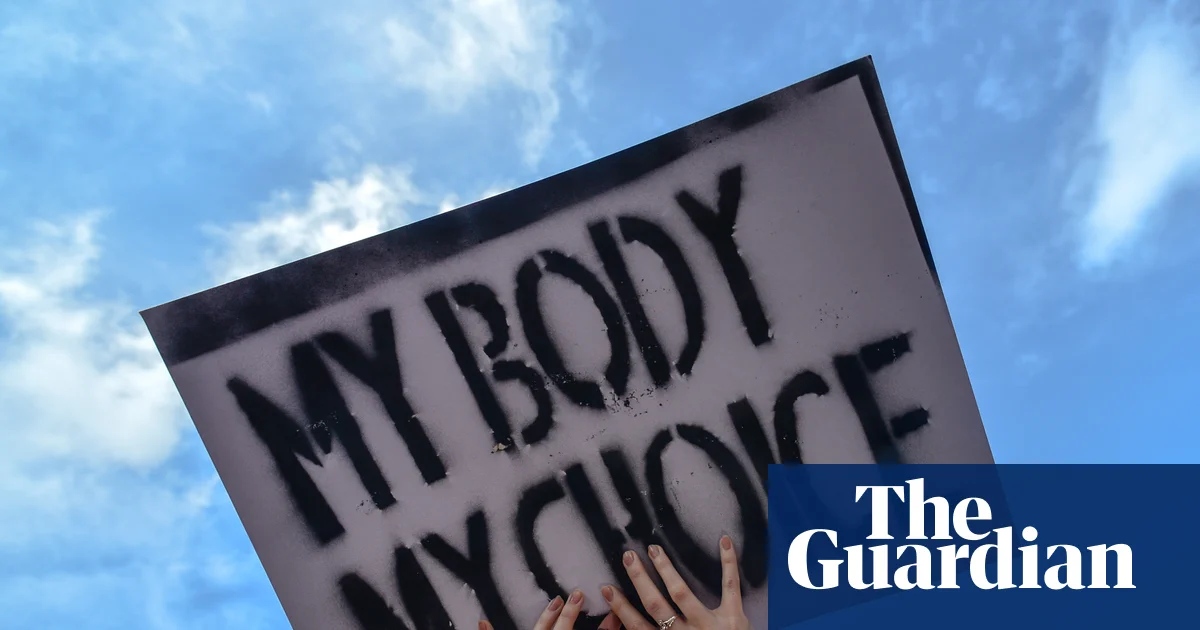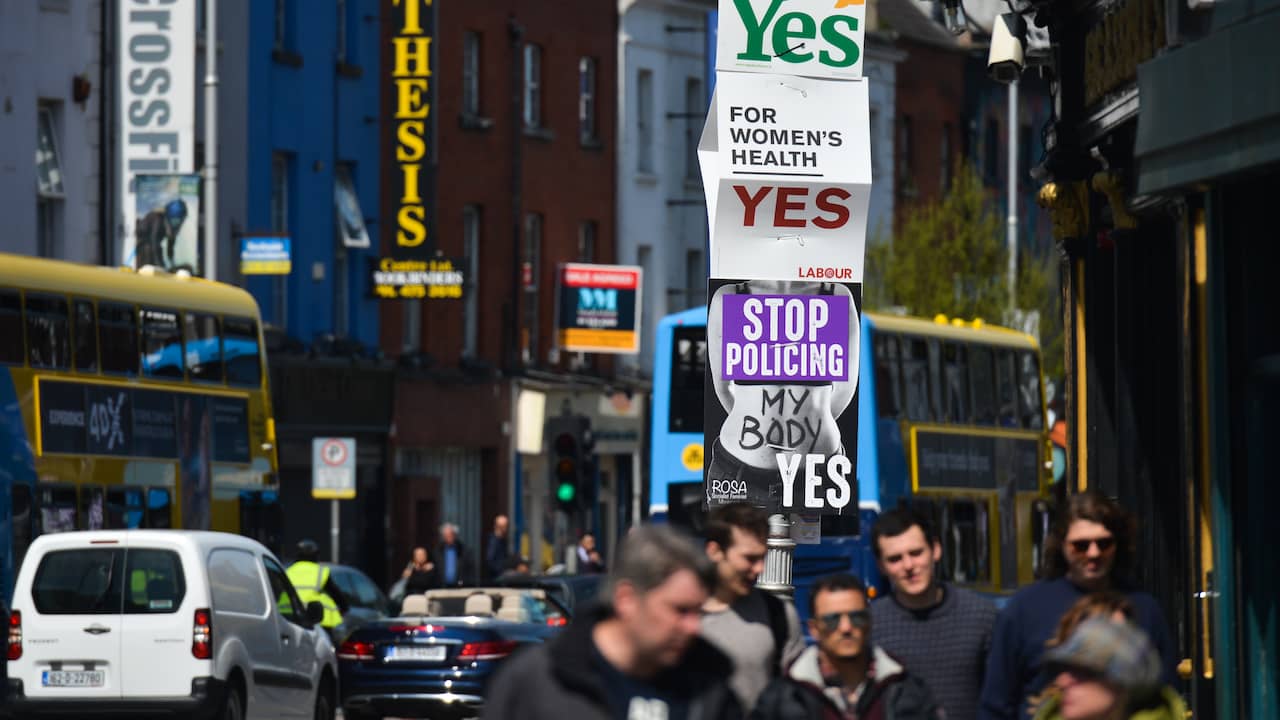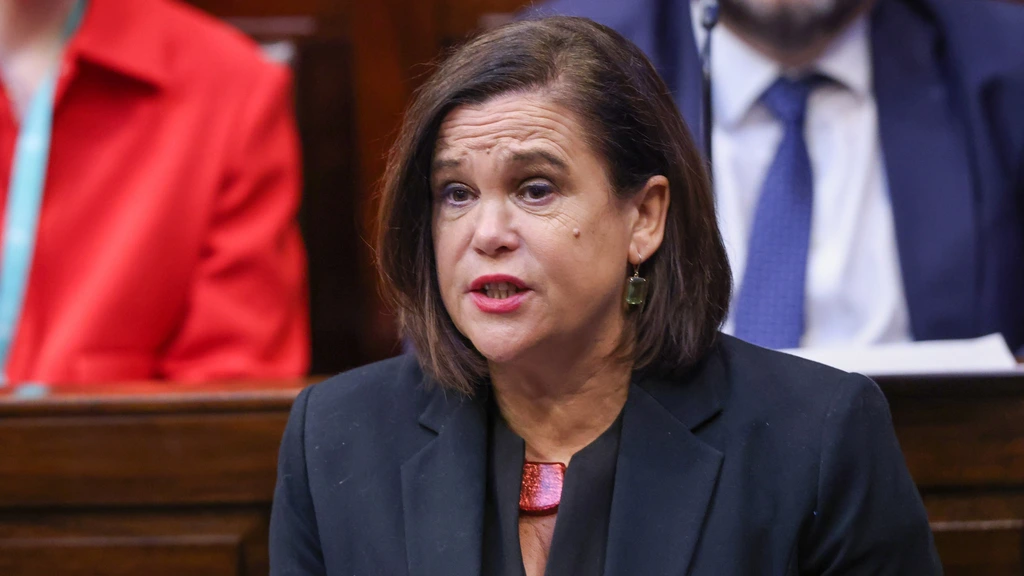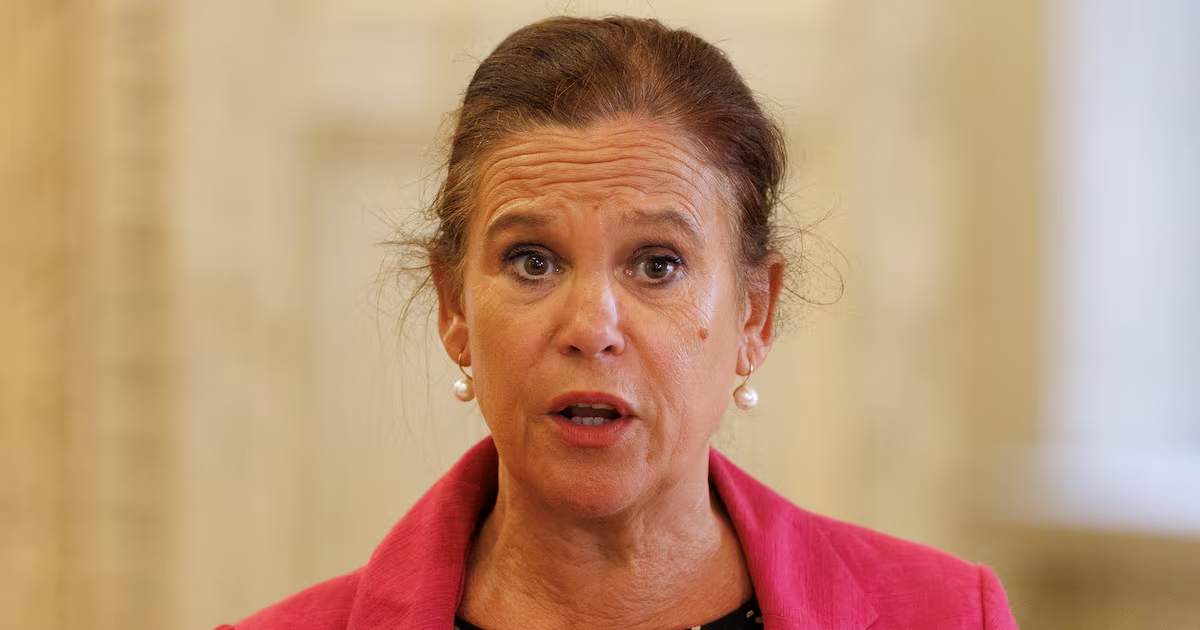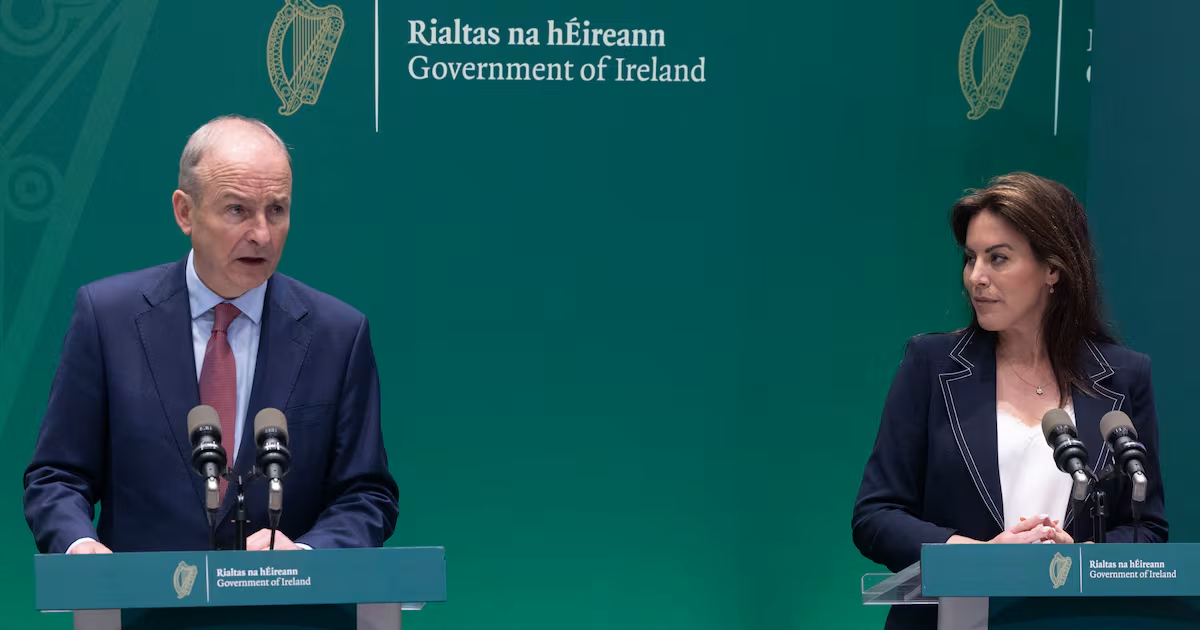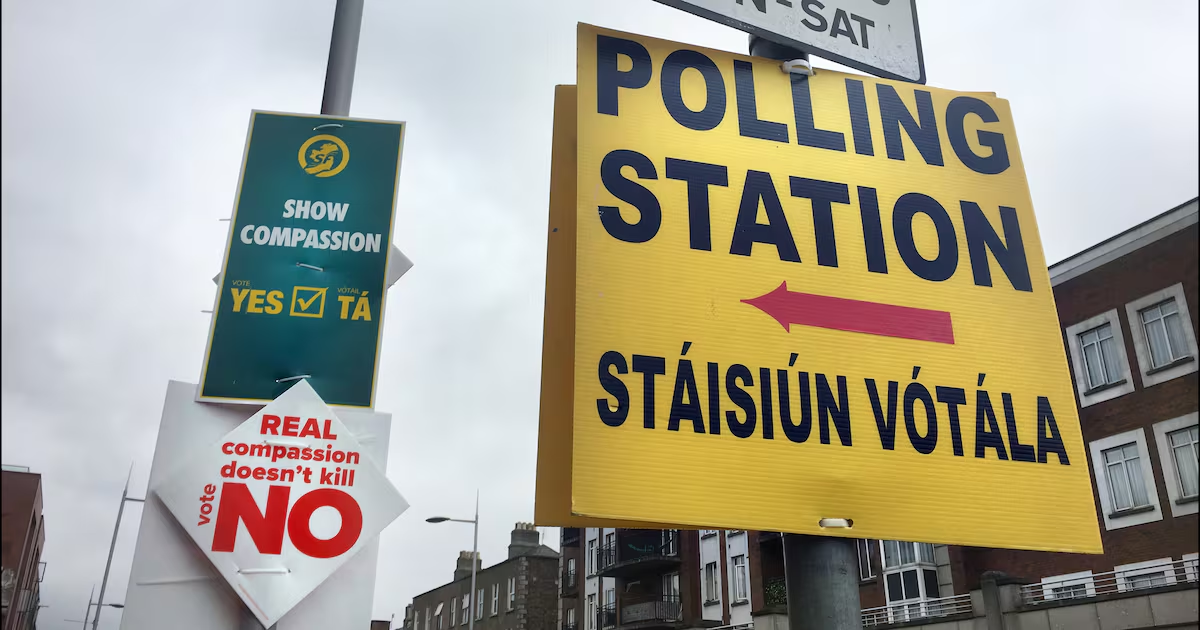
In 2018, members of the then Fine Gael government rose to a stage in Dublin Castle as exalted Repealers, with an apparently sincere “I fancy Simon Harris” placard waved in the jubilant crowd below after the vote to repeal the Eighth Amendment. Two months earlier, the same ministers slipped a mandatory three-day waiting period into their plans for what would eventually become Ireland’s abortion law. The compulsory cooling-off period between when a woman could seek an abortion up to 12 weeks, and be granted the medication that would end her pregnancy, was the only significant part of the 2019 law that was not tested, scrutinised or ultimately recommended by either the Citizens’ Assembly on the Eighth Amendment or the subsequent joint Oireachtas committee. Instead, it came from the minds of politicians. By March 2018, the then tánaiste Simon Coveney was struggling to support the repeal of the Eighth Amendment for personal reasons. He was the first to reveal that a “pause period” of between 48 and 72 hours would be included in the law when he wrote a newspaper opinion piece that month explaining that he had finally decided to vote Yes. Immediately, there were reservations within the Together for Yes campaign group about what some abortion rights advocates felt was a paternalistic and medically unnecessary waiting period. But these worries were set aside for the sake of maintaining a unified front. After the referendum, doctors who campaigned for repeal tried to get the measure dropped from the law without success. Harris argued the public had voted Yes on the basis of a draft law, which included the three-day wait. In 2023, four years after Irish abortion law was liberalised, the concerns some had raised about the waiting period were confirmed after an independent review of the law. [ Taoiseach, Tánaiste, Minister for Health to back SF Bill ending mandatory three-day abortion waitOpens in new window ]Barrister Marie O’Shea, who had been tasked by the then government, reported that the mandatory pause was “timing out” women – denying them access to abortion by pushing them beyond the legal 12-week limit. The review also found GPs felt the three-day wait was “problematic for marginalised and vulnerable service users”. Harris, who shepherded the government through the referendum on the Eighth Amendment as minister for health, became taoiseach in 2024. At his very first Leaders’ Questions, he was questioned about the failure to remove the three-day wait. He told Holly Cairns of the Social Democrats that the draft law people had voted Yes on “has to count for something”.Well, does it? Harris, Taoiseach Micheál Martin and Minister for Health Jennifer Carroll MacNeill have all said they will support a Bill to remove the wait period, which looks set to be carried in a Dáil vote on Wednesday. The Government was either correct in its claim that the three-day wait was part of its 2018 promise to the public, in which case it has now gone back on its word without much explanation. Or, the waiting period was always an unnecessary addition that denied women access to abortion for the sake of political expediency – in which case its removal is long overdue. Both cannot be untrue. A subplot to this is the tension between Sinn Féin and the Social Democrats. The former recently abstained on the latter’s Bill which included the end of the three-day wait along with broader reforms of abortion law. Carroll MacNeill said during the debate that she personally did not see “any difficulty” with dropping the waiting period.Mary Lou McDonald posted a personal social media video at the weekend promoting Sinn Féin’s Bill to abolish the pause, in what was viewed as an effort to fortify her party’s feminist, left-wing credentials. Sinn Féin’s Bill now looks set to succeed – meaning her party may outmanoeuvre Cairns on a progressive issue, with what is ultimately a more conservative approach.
Some of those who added the three-day wait to Irish abortion law look set to abandon it
Little explanation of Coalition support for Opposition’s bid to remove key clause from draft law Harris said ‘has to count for something’
649 words~3 min read