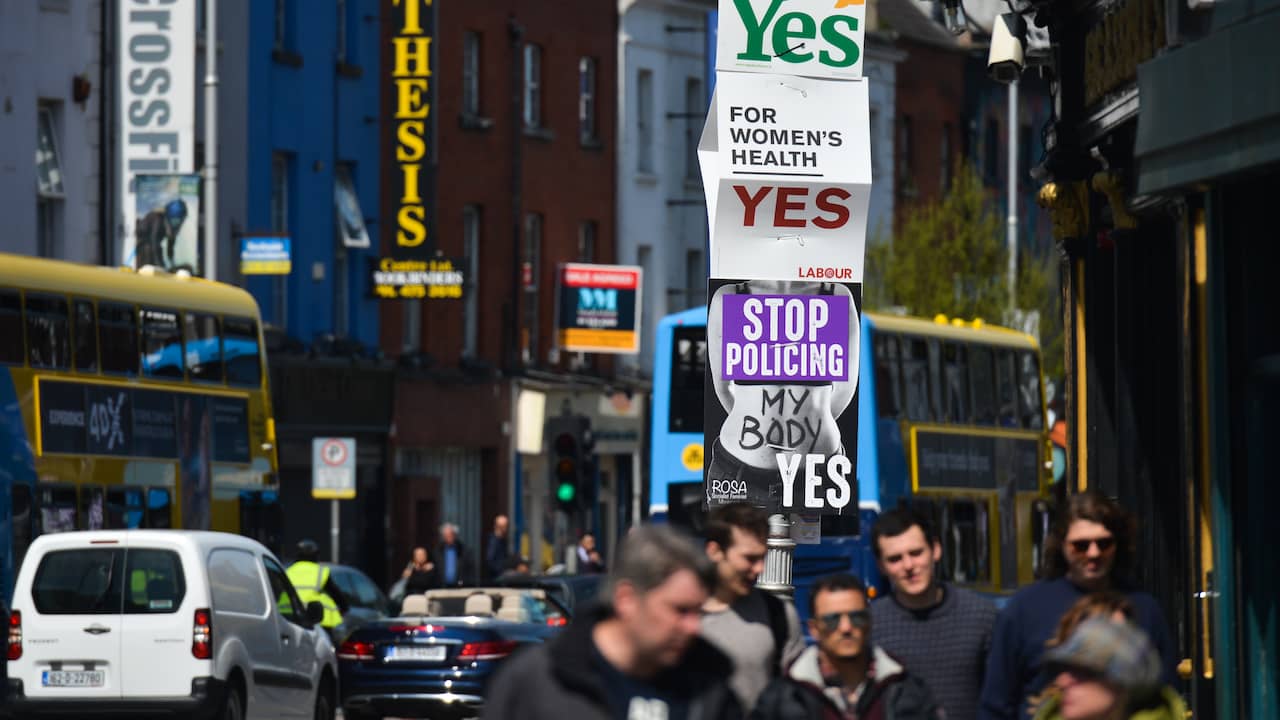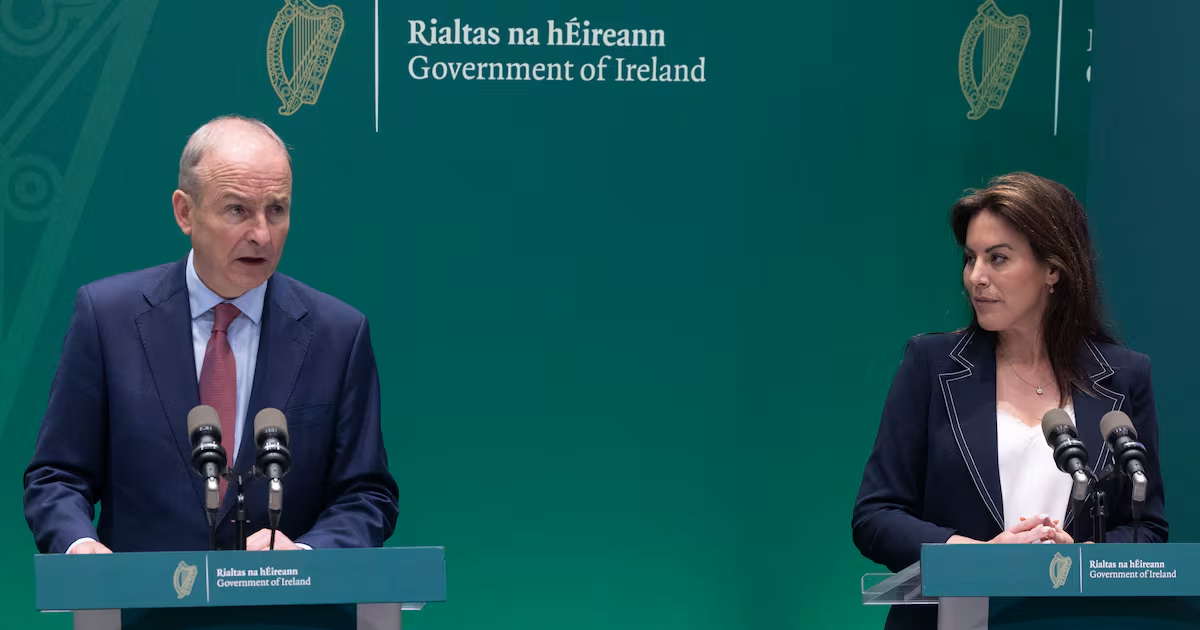
The Taoiseach, Tánaiste and Minister for Health have expressed support for a Sinn Féin Bill to remove the mandatory three-day waiting period for an abortion after a first medical consultation.Micheál Martin told the Dáil he would back the Health (Abolition of Three Day Wait Rule) (Amendment) Bill to go to the next stage in the Oireachtas. “I intend to vote for this to go through to committee stage,” the Fianna Fáil leader said. He said he believed there may at that point be a need for “consequential amendments” which Minister for Health Jennifer Carroll MacNeill had flagged with Sinn Féin’s health spokesman David Cullinane, who introduced the Bill.A spokesman for Tánaiste and Fine Gael leader Simon Harris confirmed his support for the legislation.“A free vote will be in place for all Government TDs, as always [on matters of conscience]. The Tánaiste will support the Bill to remove the three-day waiting period. That is his personal view and is reflective of the engagement he has had with women and medical professionals.”A spokeswoman for Carroll MacNeill also confirmed her support for removing the three-day waiting period.“As she has previously stated, she sees merit in abolishing the requirement and has engaged extensively with stakeholders on the issue throughout her political career,” she said.Responding to Sinn Féin leader Mary Lou McDonald, Martin said he recognised this as a “very sensitive issue”. “There are a range of opinions and perspectives within this House, and indeed among the public,” he said, adding that a lot of progress had been made since the referendum vote in 2018 to repeal the Eighth Amendment.Martin said he was “aware of the arguments for and against the removal” of the three-day waiting period. He called for a respectful debate in the House and said he would vote to move the Bill to committee stage.Sinn Féin is to introduce the legislation in a private members’ motion on Tuesday evening. McDonald said the three-day wait “is causing real damage to women”. “It’s pushed some beyond the 12-week period, meaning that they can’t access services here in Ireland and have to travel.”She said women who have suffered sexual assault or live with domestic violence or coercive control “are left in a really awful situation and it’s meant a real hardship for very many women who struggle to get a GP appointment in their county”.McDonald said “changing the law, removing the three-day wait would ensure that women can access healthcare when they need it”. The Dáil will vote on the issue on Wednesday evening. When he introduced the Bill last month, Cullinane described it as “targeted” and said it “does just one thing”.“It does not require an abortion to happen on the day of a first consultation. But where a woman is certain that this is what she wants, it allows her to make that decision for herself, in her own time, about her own pregnancy, without a mandatory delay.”The Social Democrats Reproductive Rights (Amendment) Bill was rejected last month by 85 to 30 votes with 36 abstentions, which included all Sinn Féin TDs.The abortion legislation called for the removal of the mandatory three-day wait but also sought to provide clarity on terminations for medical reasons, including fatal foetal abnormalities, and would end the criminalisation of doctors who face jail terms of up to 14 years.The Pro Life Campaign has called on TDs to vote against the legislation and “commit instead to supporting measures to reduce abortions and provide greater support for women and families”.Spokeswoman Eilís Mulroy said the Bill “completely ignores the incredible life-saving impact this safeguard has had”.“Abortion now ends the lives of one in every six babies in Ireland and the three-day wait is one of the few remaining safeguards that has demonstrably saved lives,” she said. “Far from being progressive, it would be a deeply regressive step to do away with it.”
Taoiseach, Tánaiste, Minister for Health to back SF Bill ending mandatory three-day abortion wait
Micheál Martin says Bill should go to committee stage; Government TDs will have free vote as a ‘matter of conscience’
641 words~3 min read