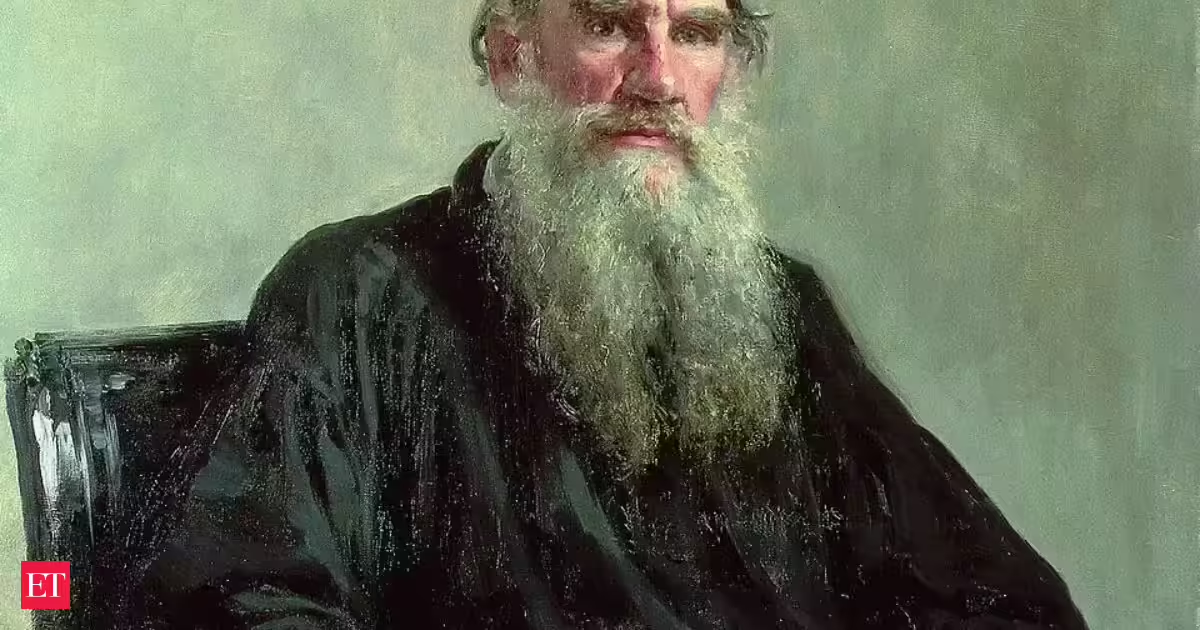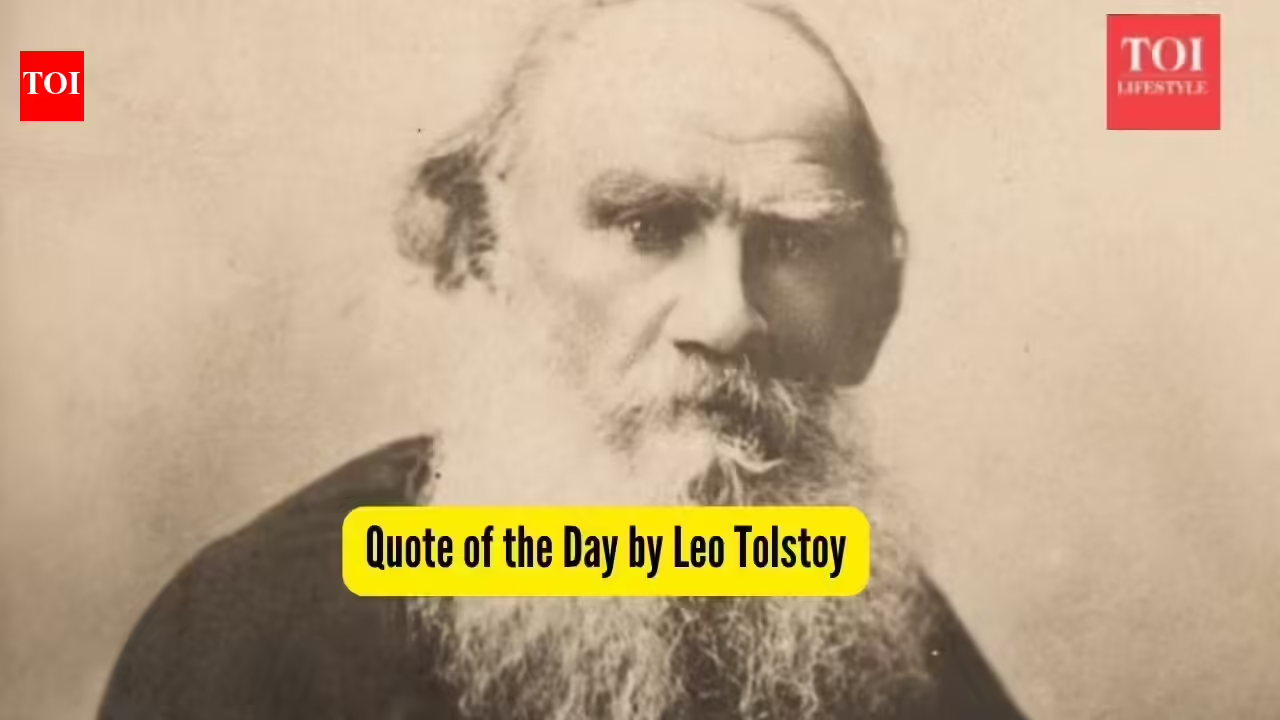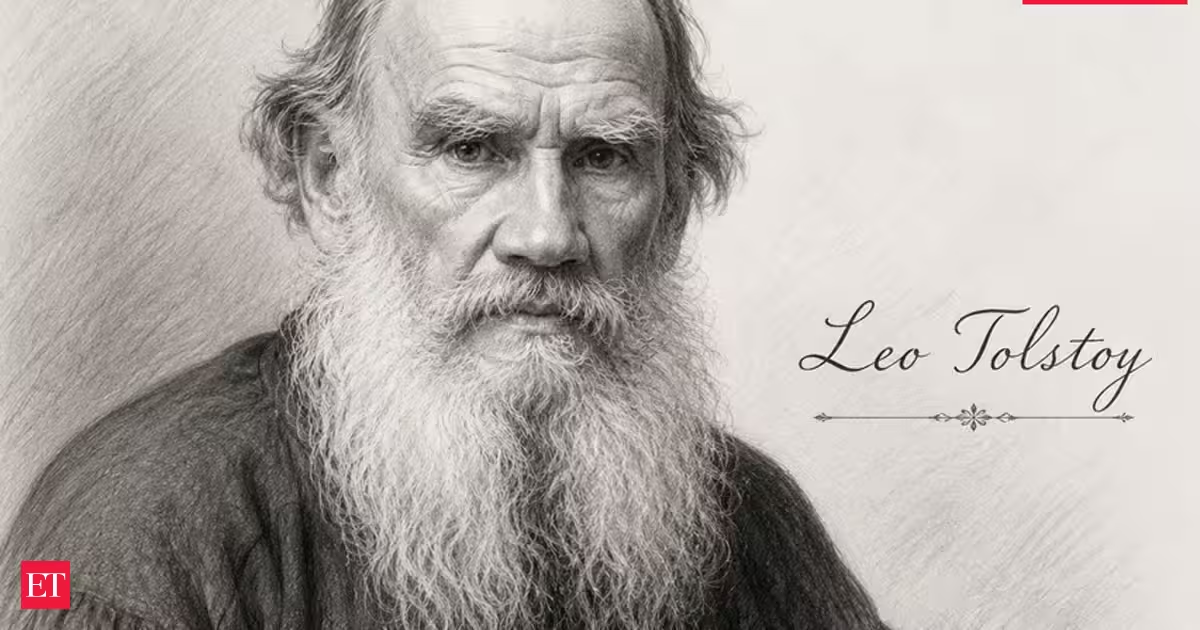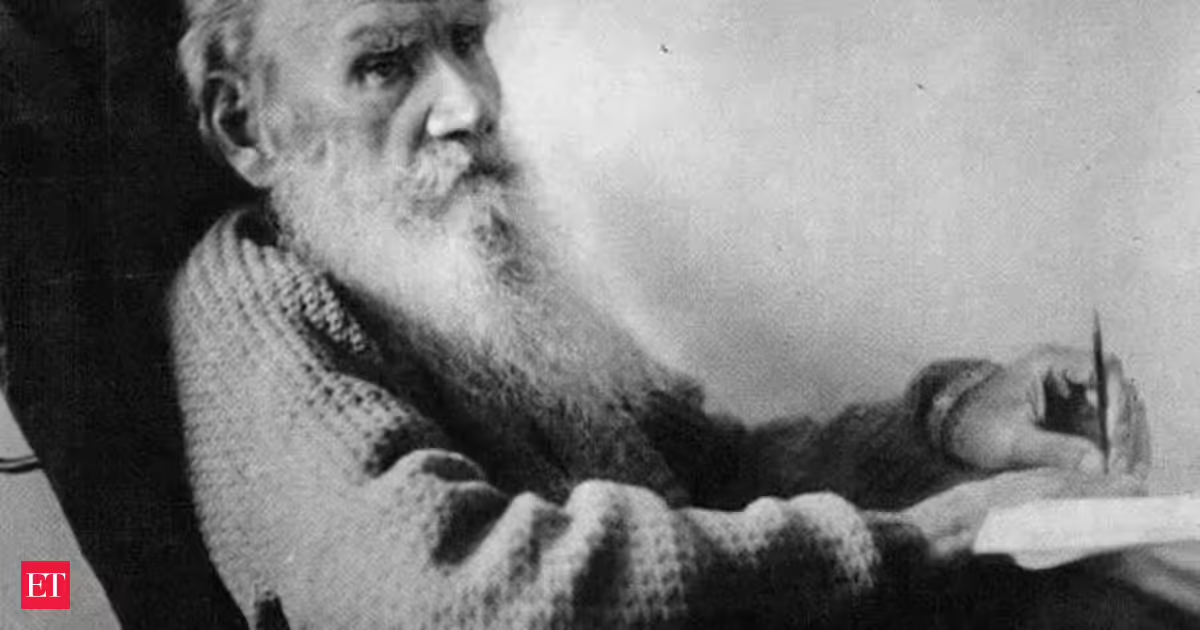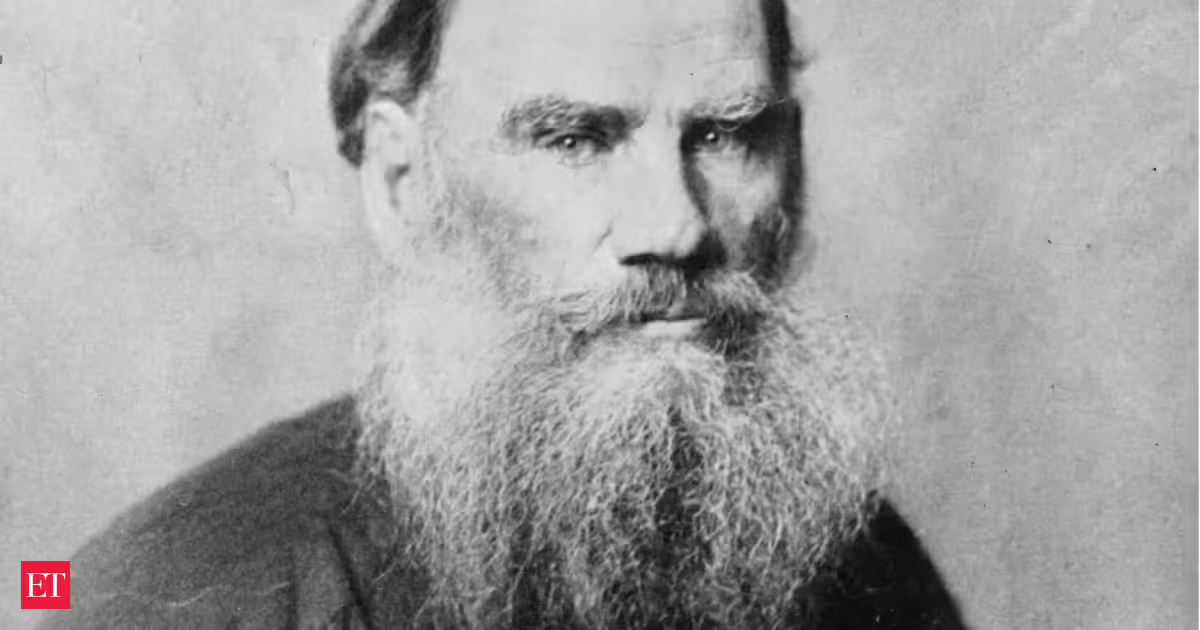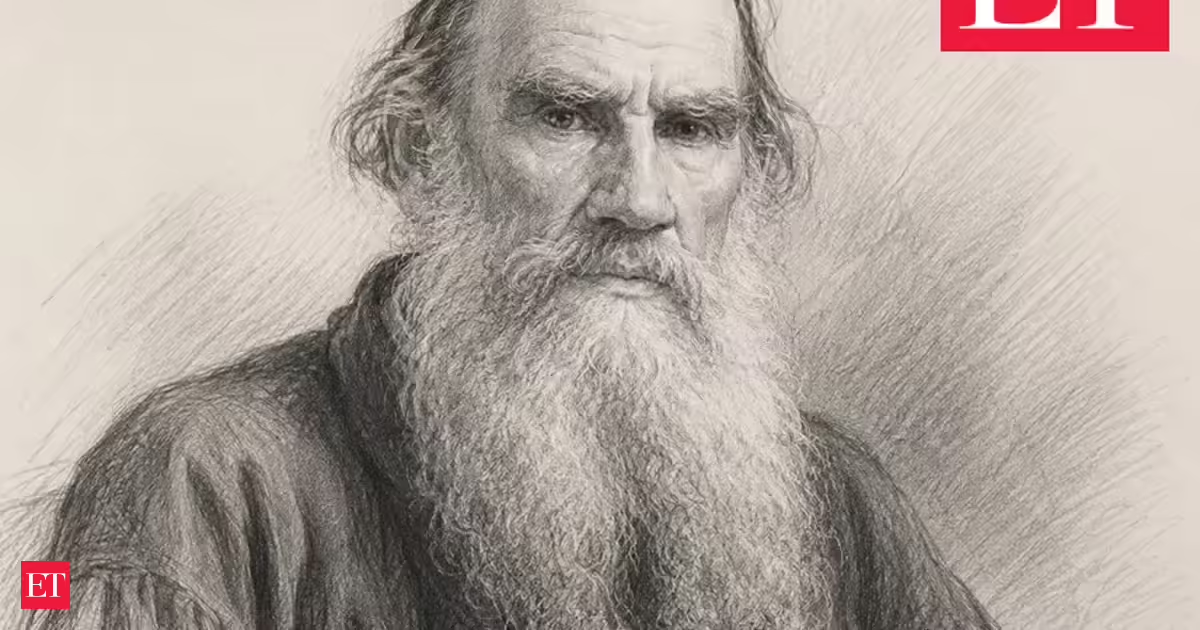
Quote of the Day: Russian novelist and thinker Leo Tolstoy remains one of the most influential literary figures in history. Born in 1828 into an aristocratic family, Tolstoy achieved global acclaim through his monumental novels “War and Peace” and “Anna Karenina,” works celebrated for their psychological depth, moral complexity, and vivid portrayal of human life.Beyond literature, he became known for his philosophical writings on morality, spirituality, nonviolence, and social reform. His ideas later influenced notable figures such as Mahatma Gandhi and continue to resonate with readers around the world.Among Tolstoy's many enduring observations is the quote: “It is amazing how complete is the delusion that beauty is goodness.” Though brief, the statement captures one of the author's central concerns about human nature and society. Throughout his writings, Tolstoy frequently questioned superficial judgments and challenged people to look beyond appearances when evaluating character, virtue, and worth.Quote of the Day by Leo Tolstoy: “It is amazing how complete is the delusion that beauty is goodness”Leo Tolstoy Quote: Context and meaning explainedThe quote reflects a common tendency among people to associate physical attractiveness with moral goodness. Society often assumes that beautiful individuals are kinder, wiser, more trustworthy, or more deserving of admiration. Tolstoy considered this belief a “delusion” because outward appearance reveals little about a person's values, intentions, or conduct. By describing the misconception as “complete,” he emphasized how deeply rooted and widespread this bias can be.At a deeper level, the quote serves as a warning against judging others solely by external traits. Beauty can attract attention and admiration, but it does not guarantee integrity, compassion, honesty, or wisdom. Likewise, individuals who may not fit conventional standards of attractiveness can possess exceptional character and moral strength. Tolstoy encourages readers to evaluate people based on their actions and principles rather than on appearances.The lesson remains highly relevant in an age dominated by images, celebrity culture, and social media. People are often tempted to form instant impressions based on looks, status, or presentation. Tolstoy's words remind us to resist these shortcuts and to cultivate a deeper understanding of those around us.True goodness is revealed through behavior, empathy, and ethical choices—not through physical beauty. By looking beyond appearances, individuals can develop fairer judgments, stronger relationships, and a more authentic appreciation of human worth.
Quote of the Day by Leo Tolstoy: ‘It is amazing how complete is the delusion that beauty…’ Why did Russian writer called beauty a 'delusion'?
Leo Tolstoy, a renowned Russian novelist, questioned the common belief that beauty equates to goodness. His famous quote highlights a widespread delusion. Tolstoy urged people to look beyond outward appearances. True character is revealed through actions and principles, not looks. This message remains vital today, encouraging deeper understanding of human worth.
377 words~2 min read