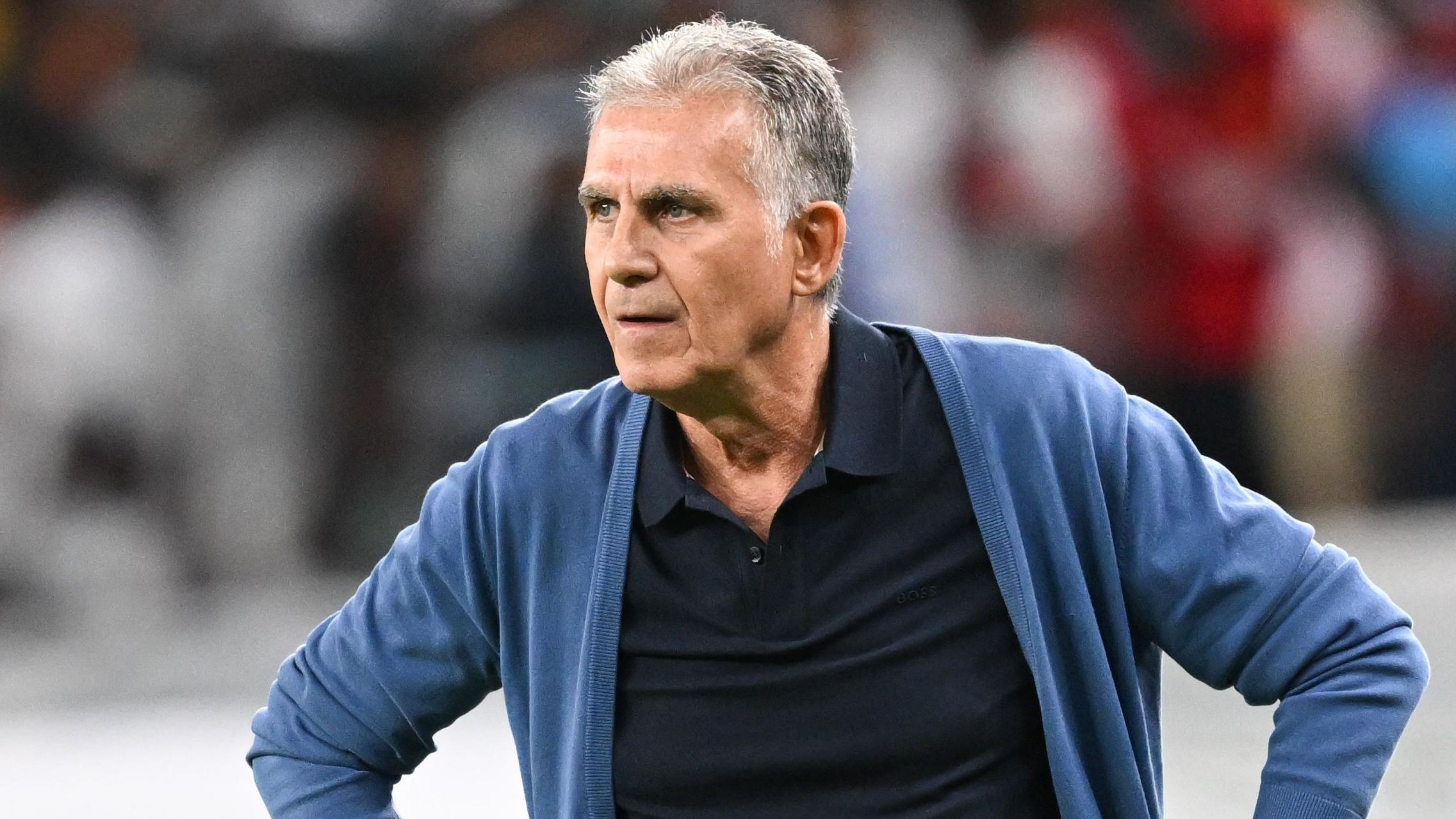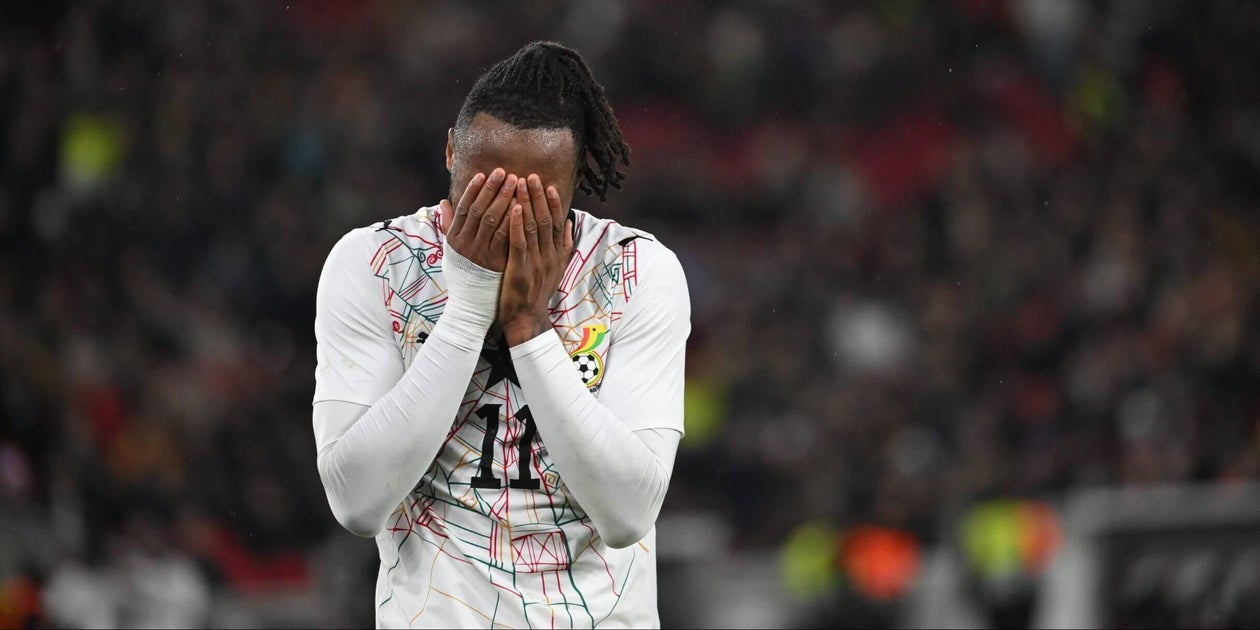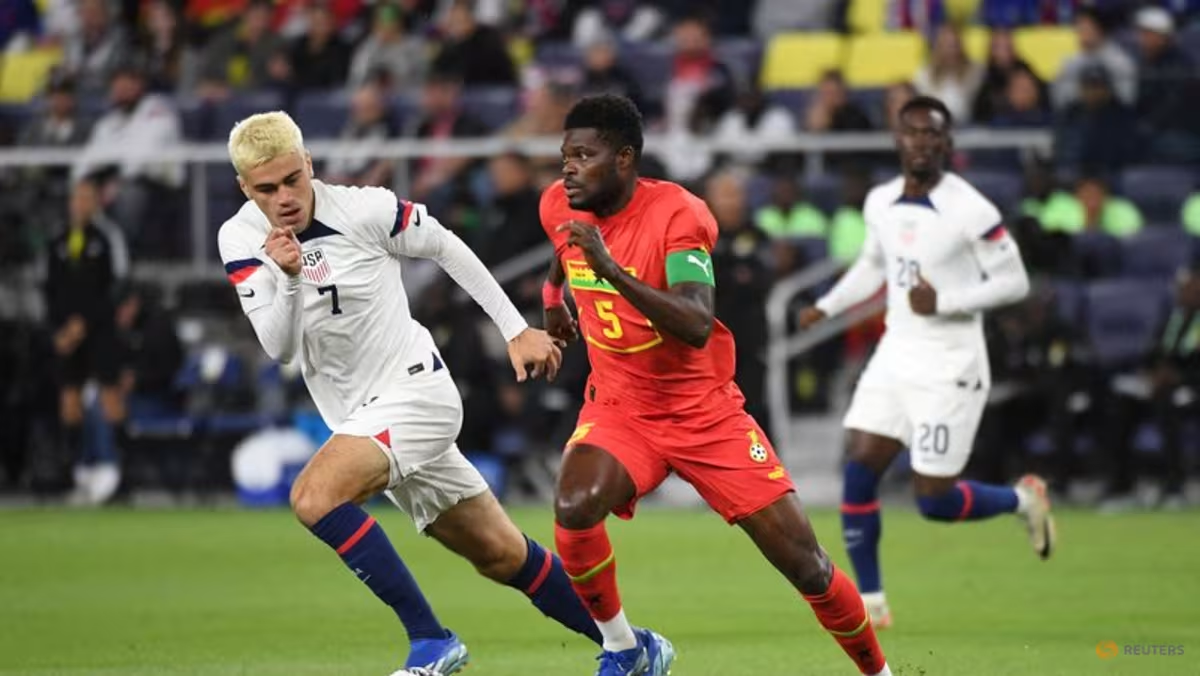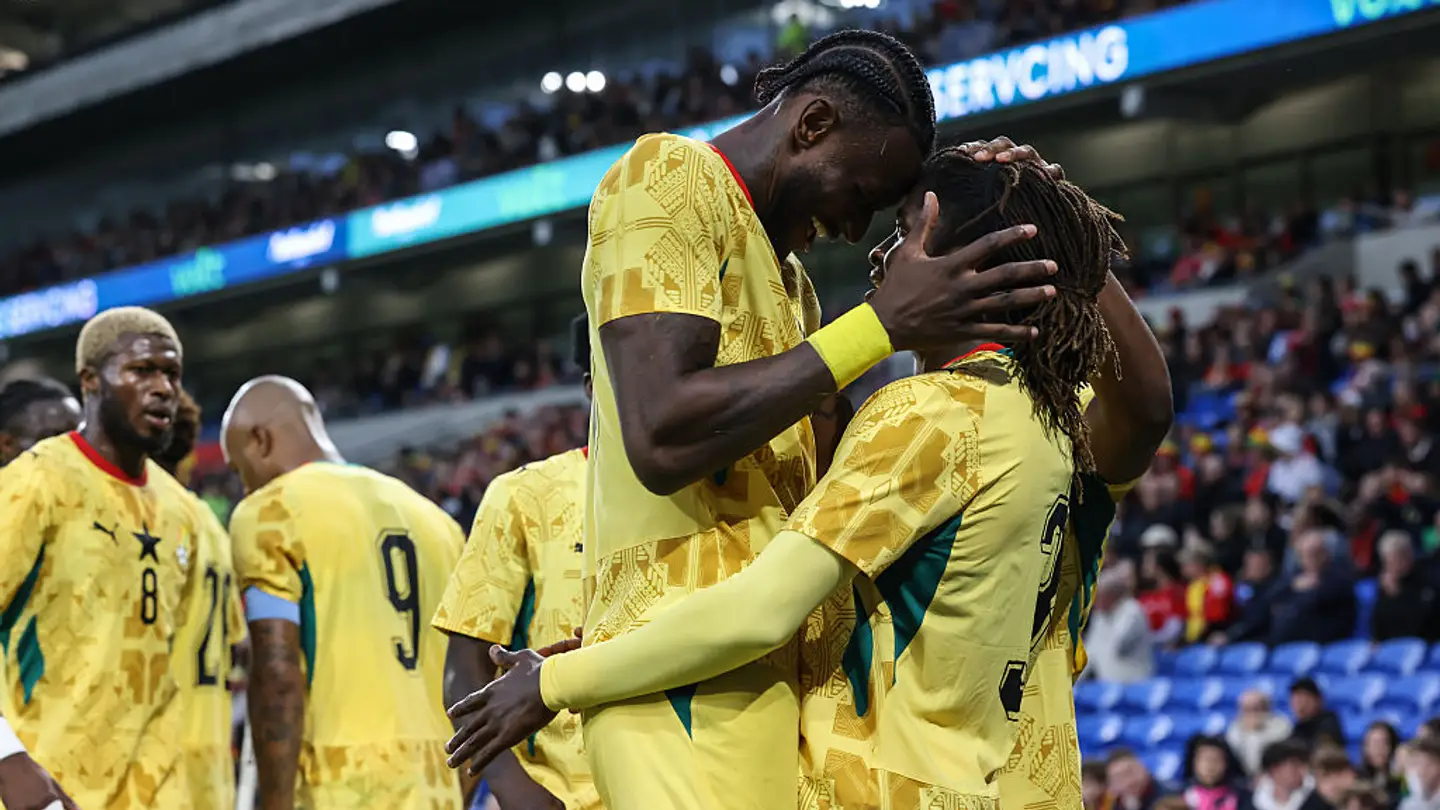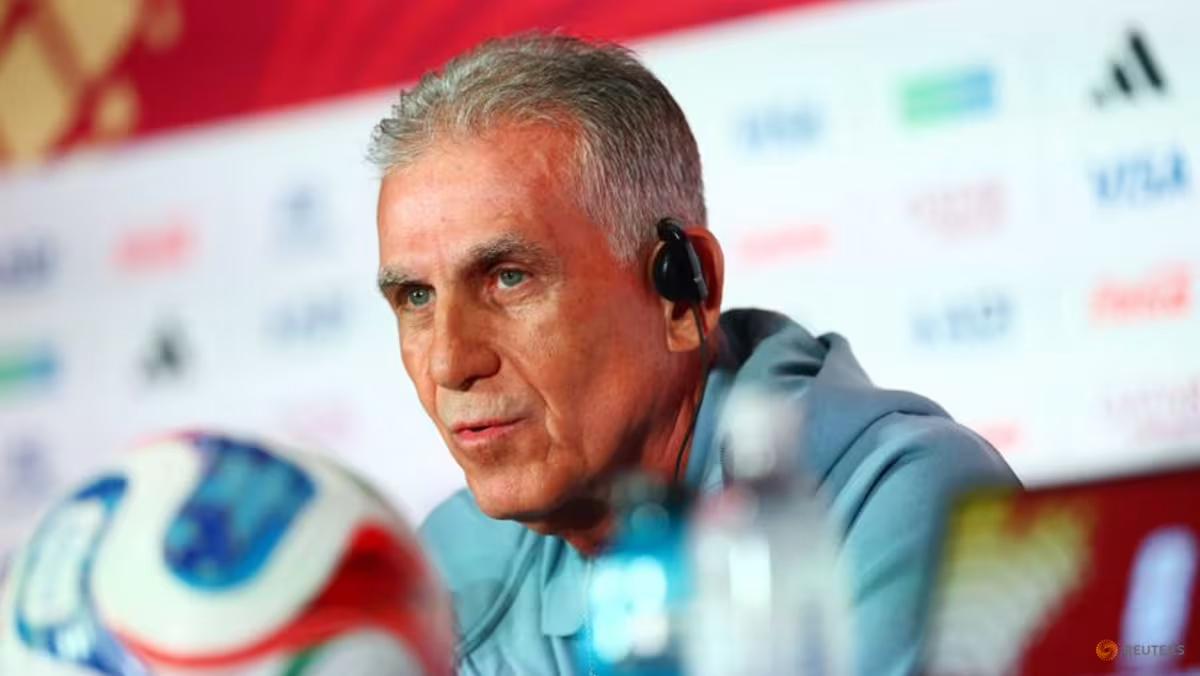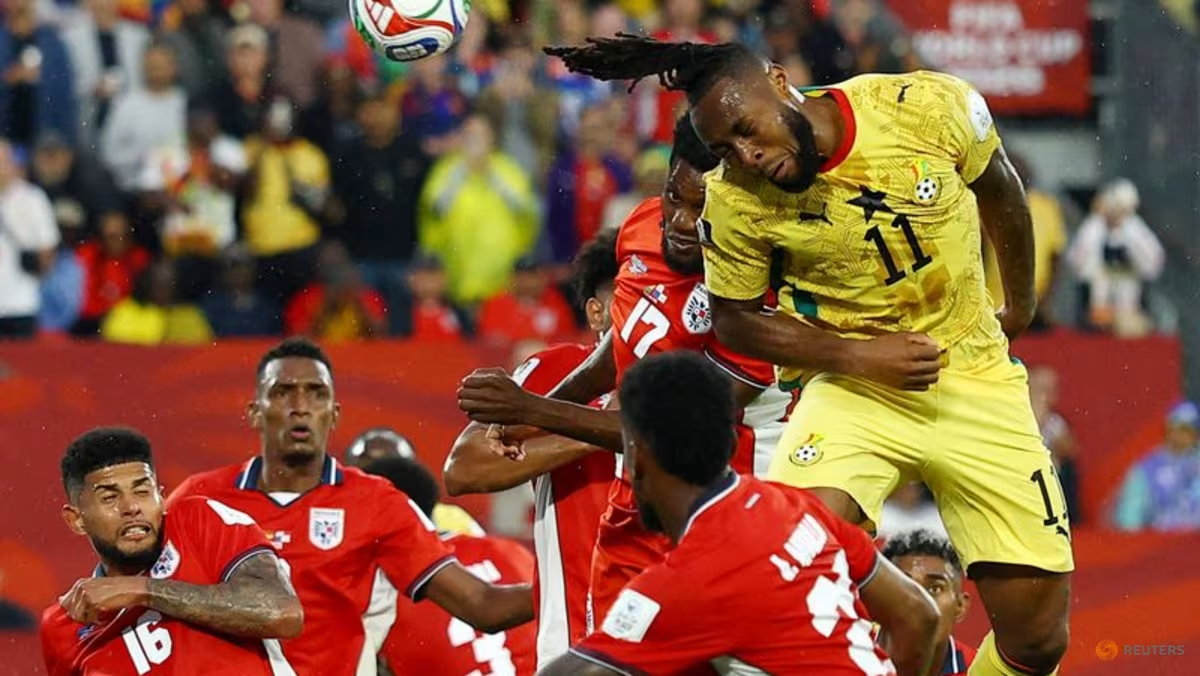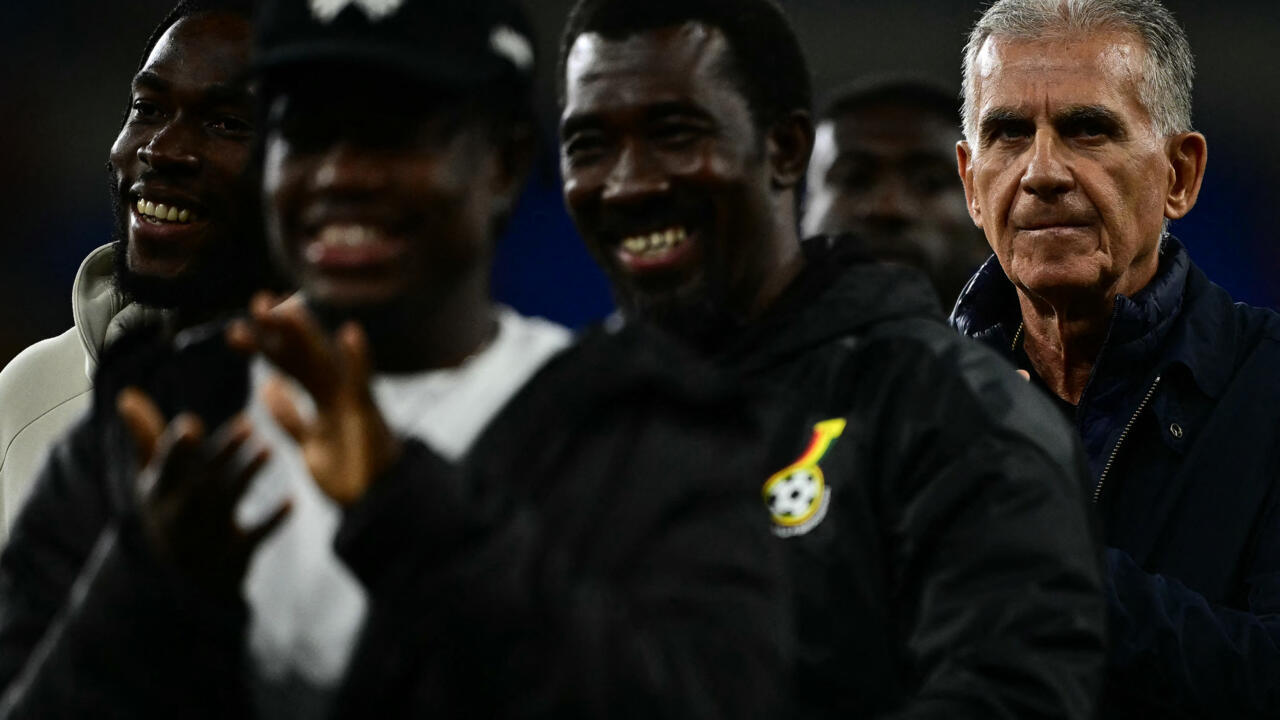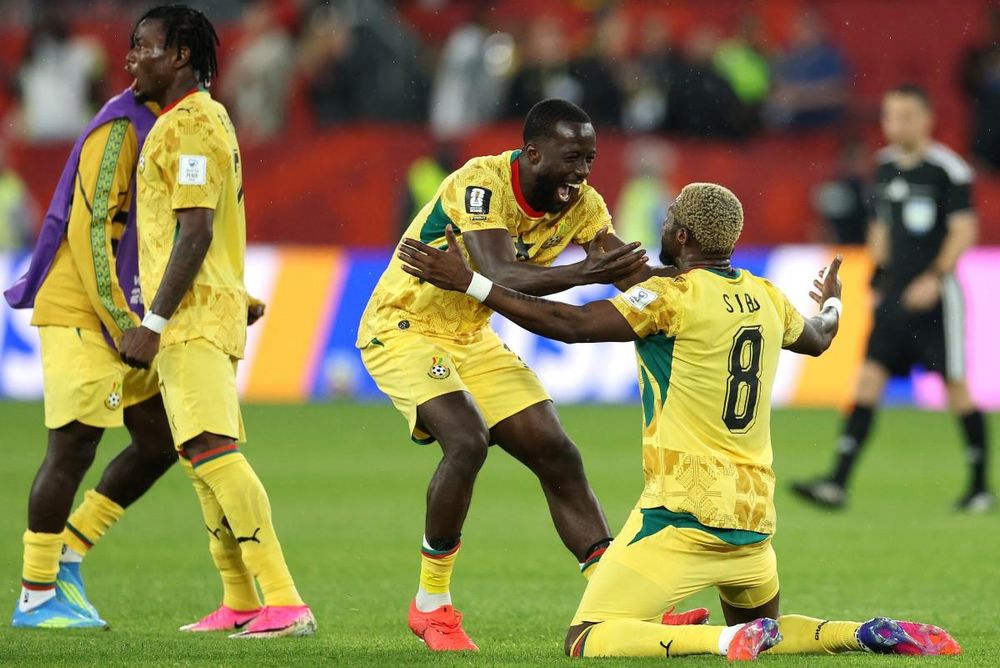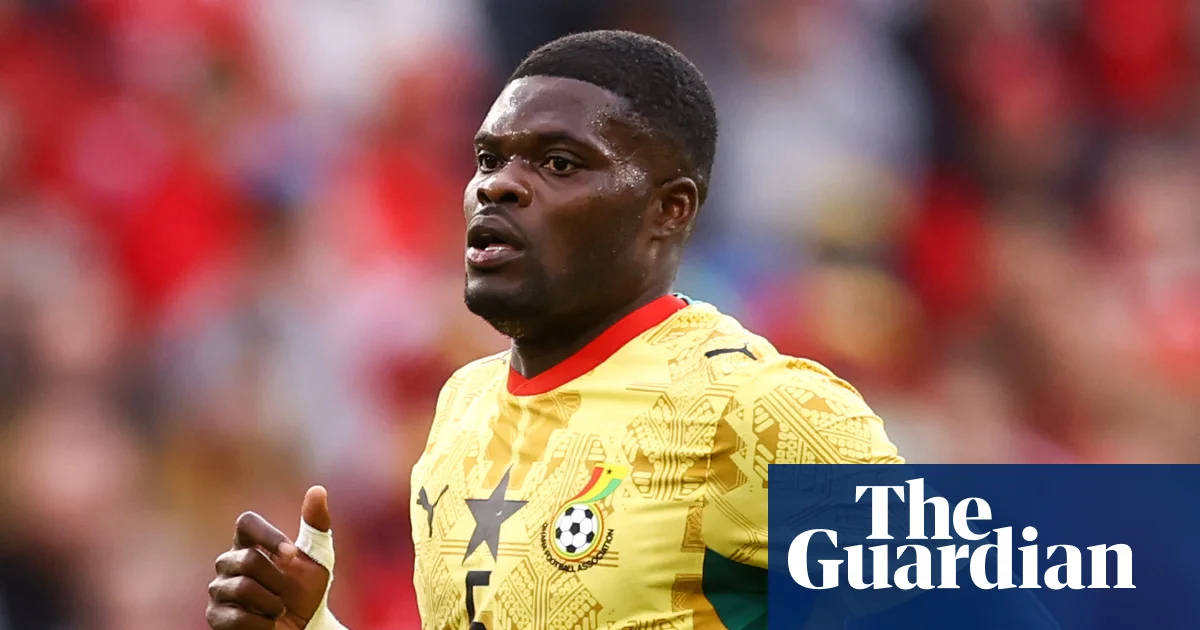
That it took Ghana until 2006 to qualify for the World Cup, despite being African football’s dominant team of the 1960s, 70s and the early 80s, winning the Africa Cup of Nations four times during this period, reflects the topsy-turvy nature of their football odyssey.“The journey of the Black Stars over the last four decades has been marked by long periods of disappointment,” says Gary Al-Smith, one of the country’s most respected football journalists. “We had a surge between 2006 and 2017, when we qualified for eight straight semi-finals at Afcon but never won anything. Yes, we had a quarter-final appearance at the 2010 World Cup, but our record overall has been pockmarked with great highlights but never a trophy. There has been nothing to celebrate.”The lack of managerial stability has certainly not helped Ghana’s quest for Afcon and World Cup glory. In the past five years they have had five coaches – Charles Akonnor, Milovan Rajevac, Chris Hughton and Otto Addo (in two spells) – before Carlos Queiroz, the former Real Madrid manager, was handed the mantle a month before the start of the World Cup.The revolving door of coaches, as Al-Smith says, has done little for team-building and competitiveness. “Teams need rhythm to grow,” he says. “Where there has to be a change in coaches, the philosophies need to match, in order for there to be continuity. In Ghana’s case, the frequent chopping and changing has meant that different coaches have brought different methods, philosophies and ways of playing. It’s not helped in the way that players are selected. The changes have certainly not helped, in terms of giving us the continuity that we have desired and needed.”The decision of Canada’s immigration authorities not to allow Thomas Partey into the country for the opener against Panama in Toronto on Wednesday, has not helped, especially with Tottenham’s Mohammed Kudus, Ghana’s most influential player, ruled out of the tournament because of injury.“For Canada, which is a party to many international treaties, that accepts the presumption of innocence until proven guilty by a competent court, to decide that they have some rules that will not allow you to be admitted into their country is unfair and an overreaction,” said Kofi Adams, Ghana’s sports minister. “We have strongly protested against that.” Ghana’s appeal against the decision was rejected on Tuesday night.Ghana hope US-based fans can provide strong backing this summer. Photograph: Catherine Ivill/AMA/Getty Images“Ever since his [Partey’s] issue started, we knew that once we qualified for the World Cup and we had been drawn against England, there would be trouble and headlines,” Al-Smith says. “The Ghana FA knew that there would be trouble too. They have been doing all sort of work to mitigate the effects, the blowback.“What they did not foresee was the action of the Canadians. They had got some assurances from somewhere that nothing was going to happen because it is a World Cup.”Ensuring fans of the Black Stars could travel to the United States, Mexico and Canada to cheer on the team, despite the severe immigration restrictions placed on travel by the United States and Canada, was the initial priority of the government. But there was a sudden change of strategy from John Dramani Mahama, Ghana’s president, after the financial realities of the plan made it unsustainable for a country battling with severe economic difficulties.“When I interviewed President Mahama last year he told me that the government will not spend money on taking Ghanaians abroad and that they will engage the private sector to do so,” says Al-Smith. “These amounts would have been used to pay for supporters to go from Ghana to the US. That was going to cost $10,000 (£7,450) per head.“But a few weeks ago, in London, he announced the plan had changed as the government didn’t think that was value for money. Instead they would locate the Ghanaian communities in the major cities of the diaspora, like Boston, Philadelphia, Washington and Toronto and, through some mechanisms, tickets will be given to them to support the team instead. With a few days to go to the games, they have not received any tickets from the embassies in Washington and Ottawa.”With tough group games against England and Croatia to come, Ghana will need their vibrant, colourful supporters more than ever.
Ghana look to diaspora for backing as Partey case and years of flux cloud planning
Carlos Queiroz has plenty to deal with as the Black Stars enter the fray against Panama looking to banish a long record of underachievement
714 words~3 min read