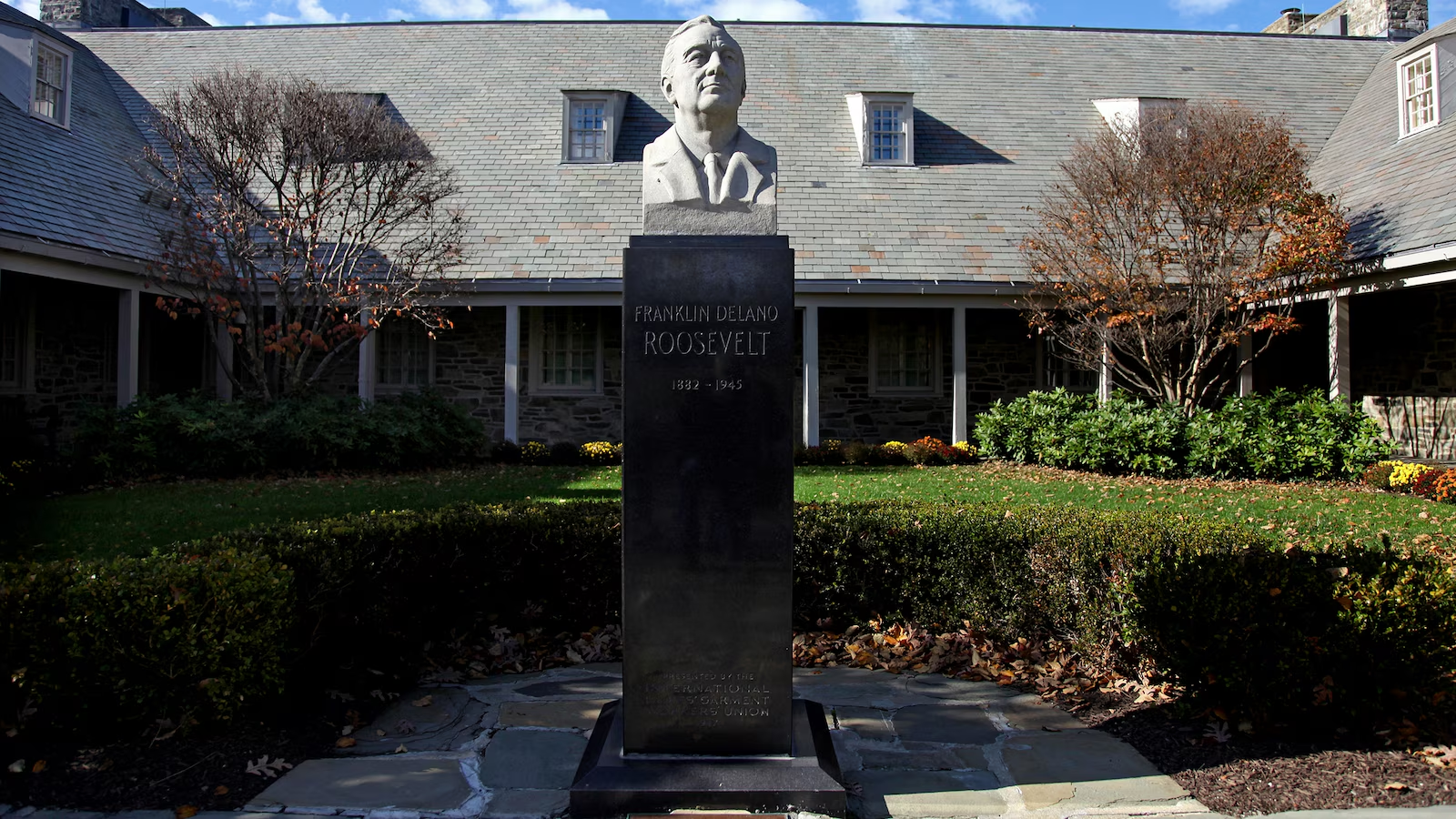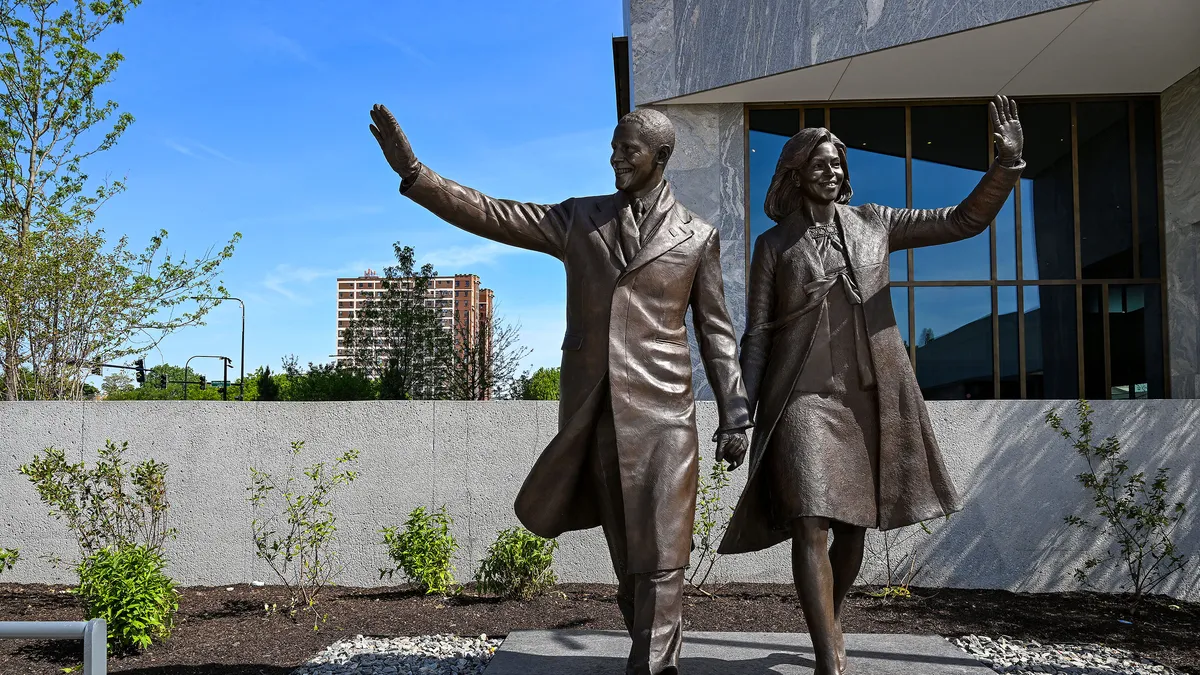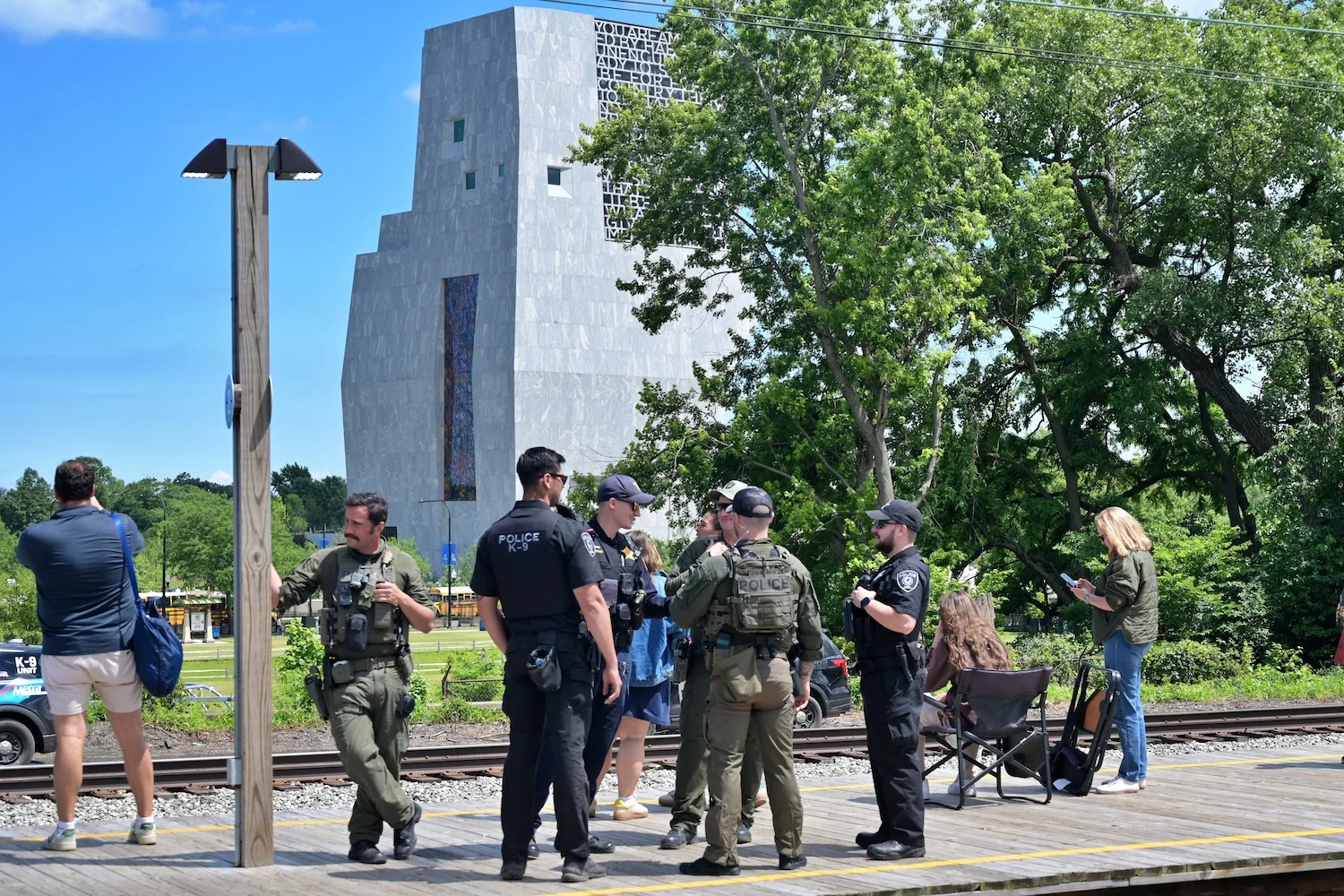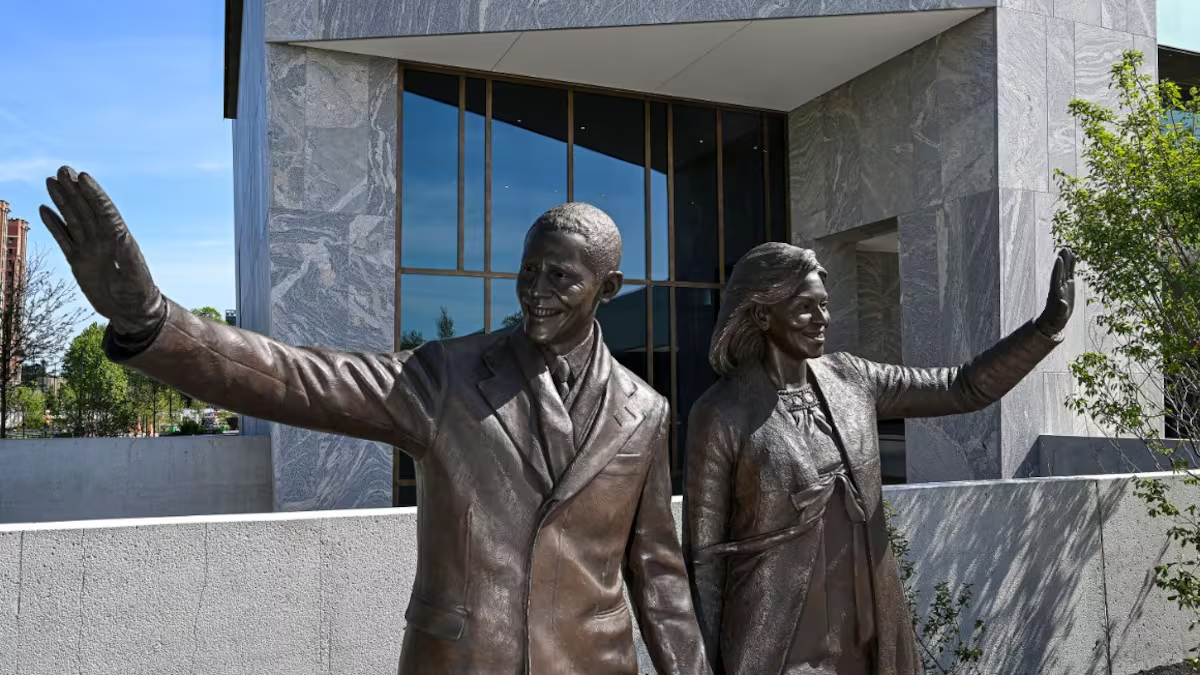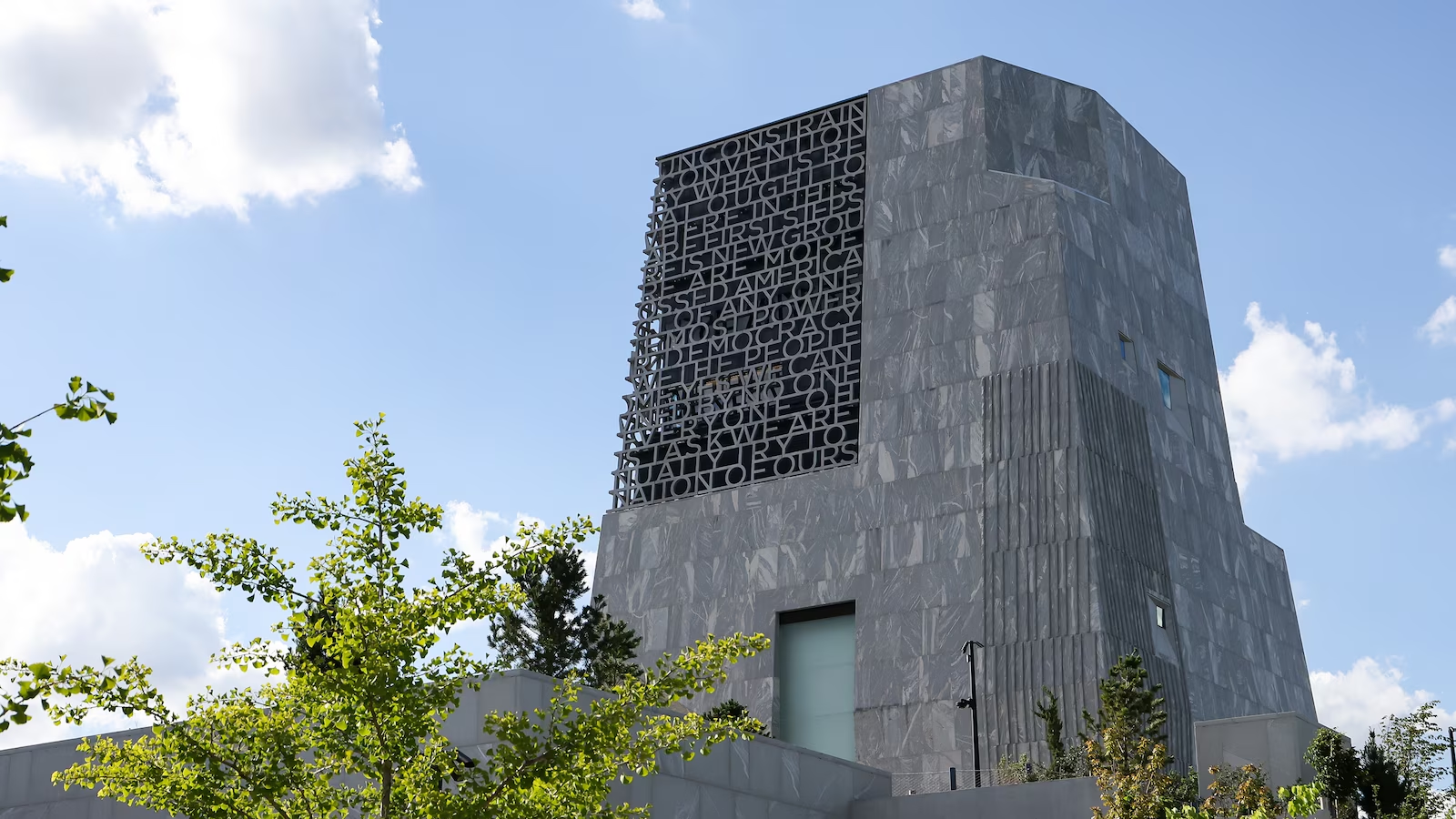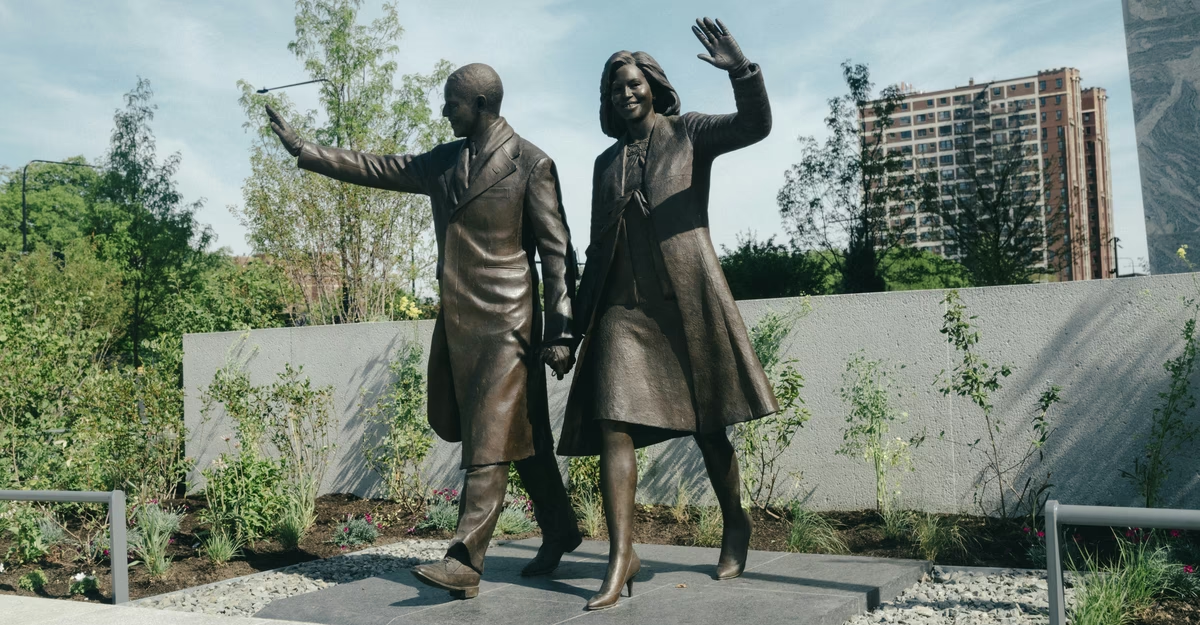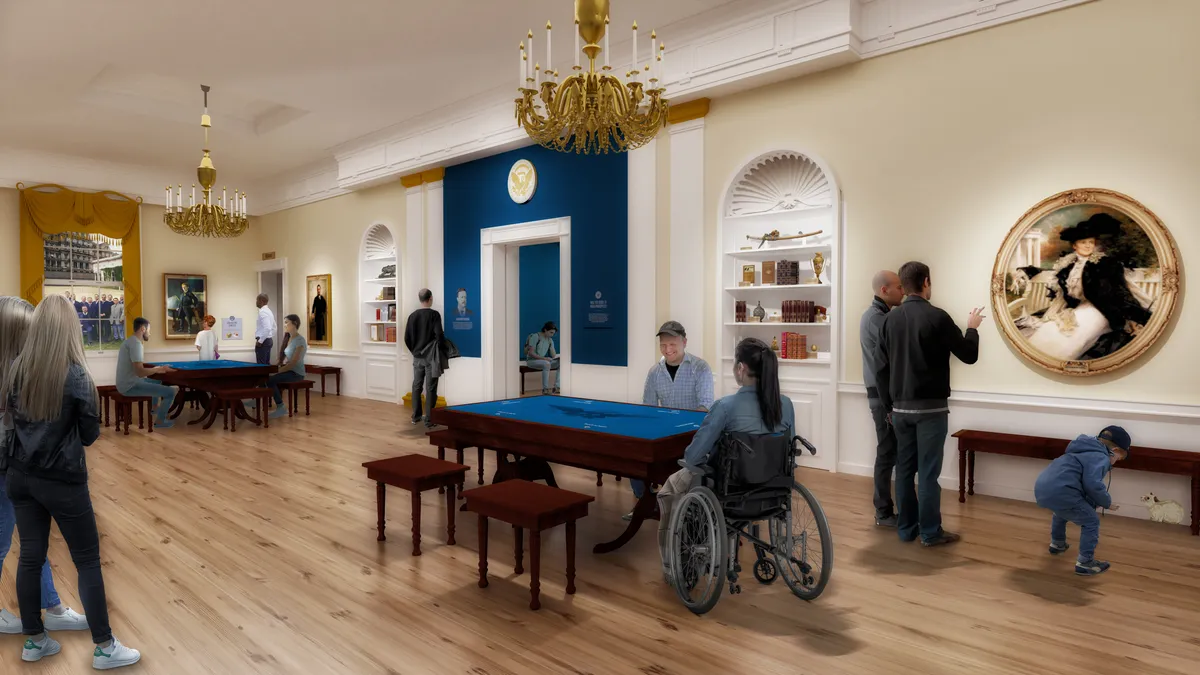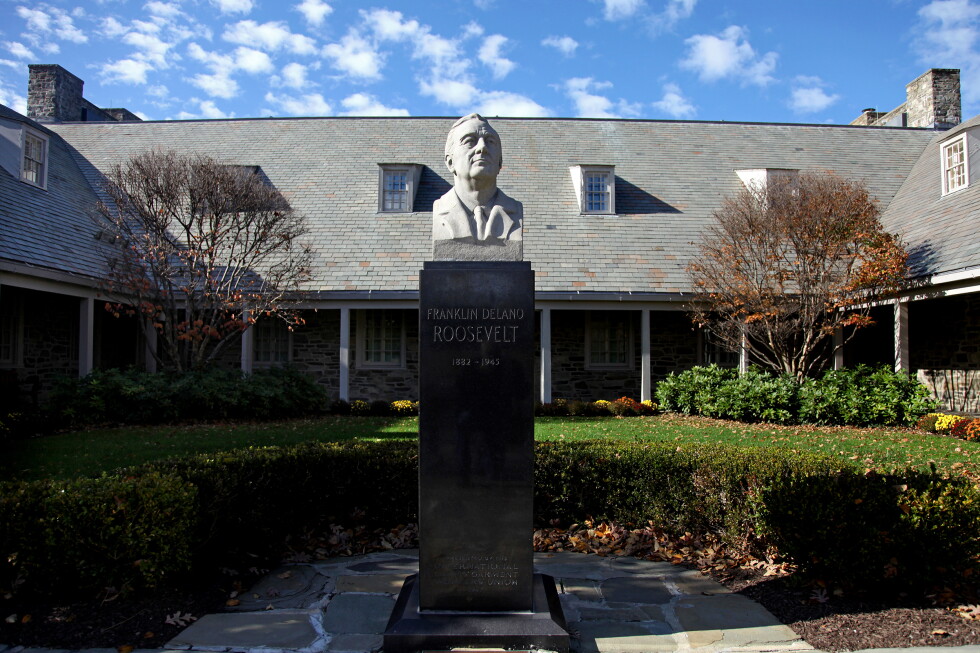
NEW YORK (AP) — Whenever historian Geoffrey Ward visits the Franklin D. Roosevelt Presidential Library and Museum to do research, he finds himself caught up in the spirit of FDR himself, the sense of landed contentment and cheerful disarray that helped define his public image.“It feels like you’re stepping back into his world,” Ward said of the grounds in Hyde Park, New York, that once were home to the Roosevelt family. “The library and home collections reflect all his many interests — stamps, coins, birds he shot and had stuffed as a boy, model ships, children’s books, books about naval history, the pony-drawn sleigh he rode in as a child, and on and on.”Since FDR helped launch the modern system of presidential sites in the late 1930s, a network of museums and research facilities has grown nationwide, overseen in part by the National Archives and Records Administration (NARA) but otherwise as varied as the men they honor. They are set everywhere from the scenic Ronald Reagan Presidential Library & Museum in California’s Simi Valley to the small-town setting of the Herbert Hoover Library and Museum in West Branch, Iowa, to the vast Obama Presidential Center that opens to the public on June 19, Juneteenth, in Chicago.
A look at presidential libraries as the Obama Presidential Center opens to the public June 19
Franklin Roosevelt helped launch the modern system of presidential libraries in the late 1930s. A network of museums and research facilities has since grown nationwide.
889 words~4 min read