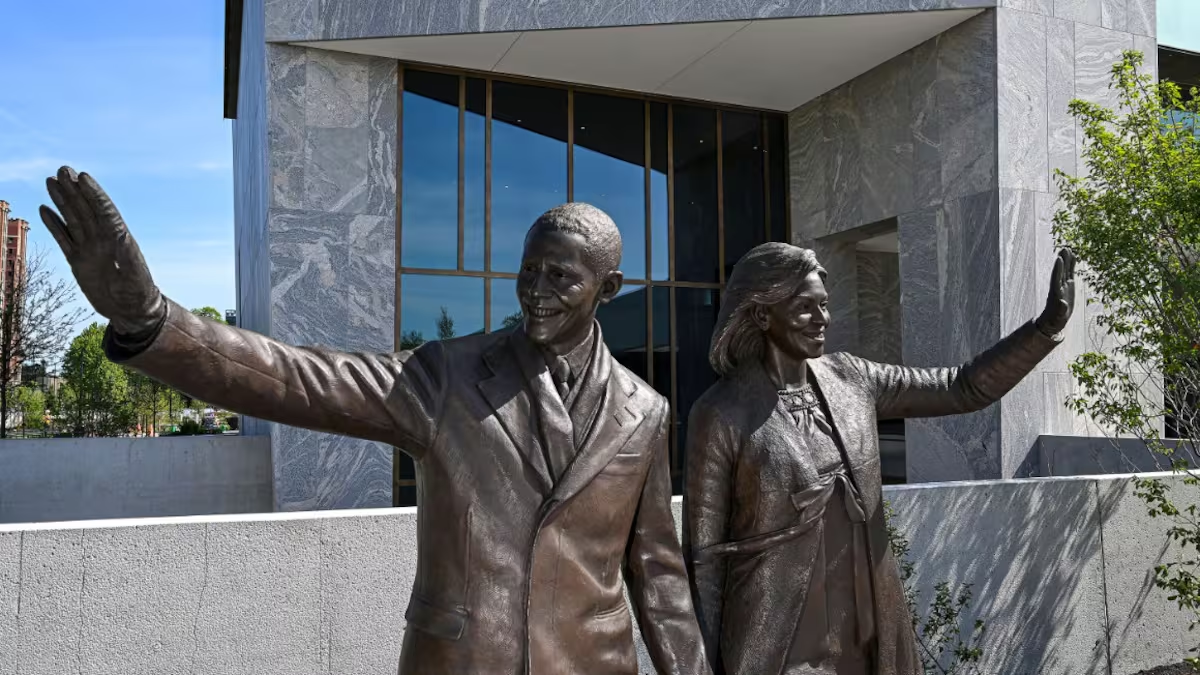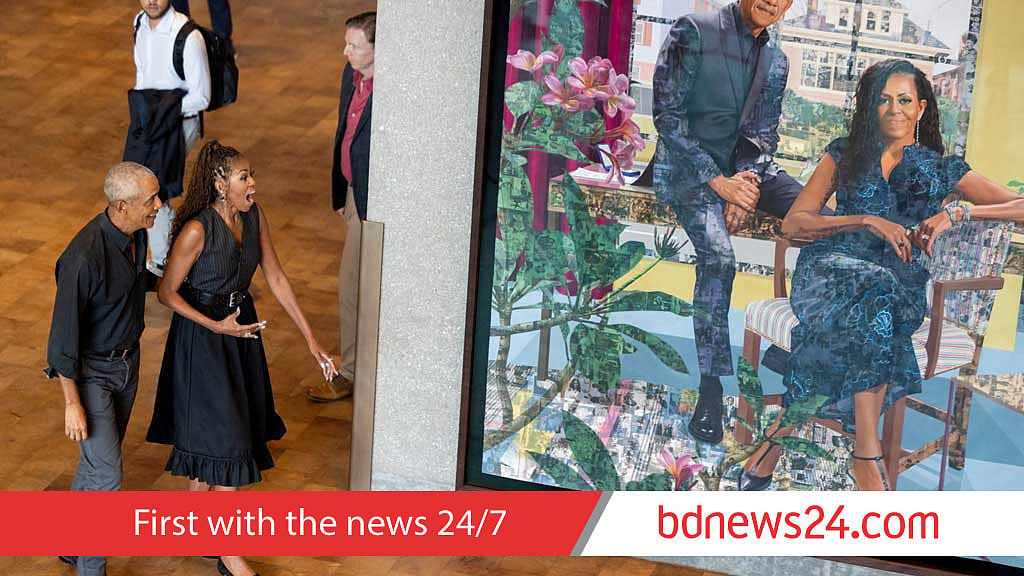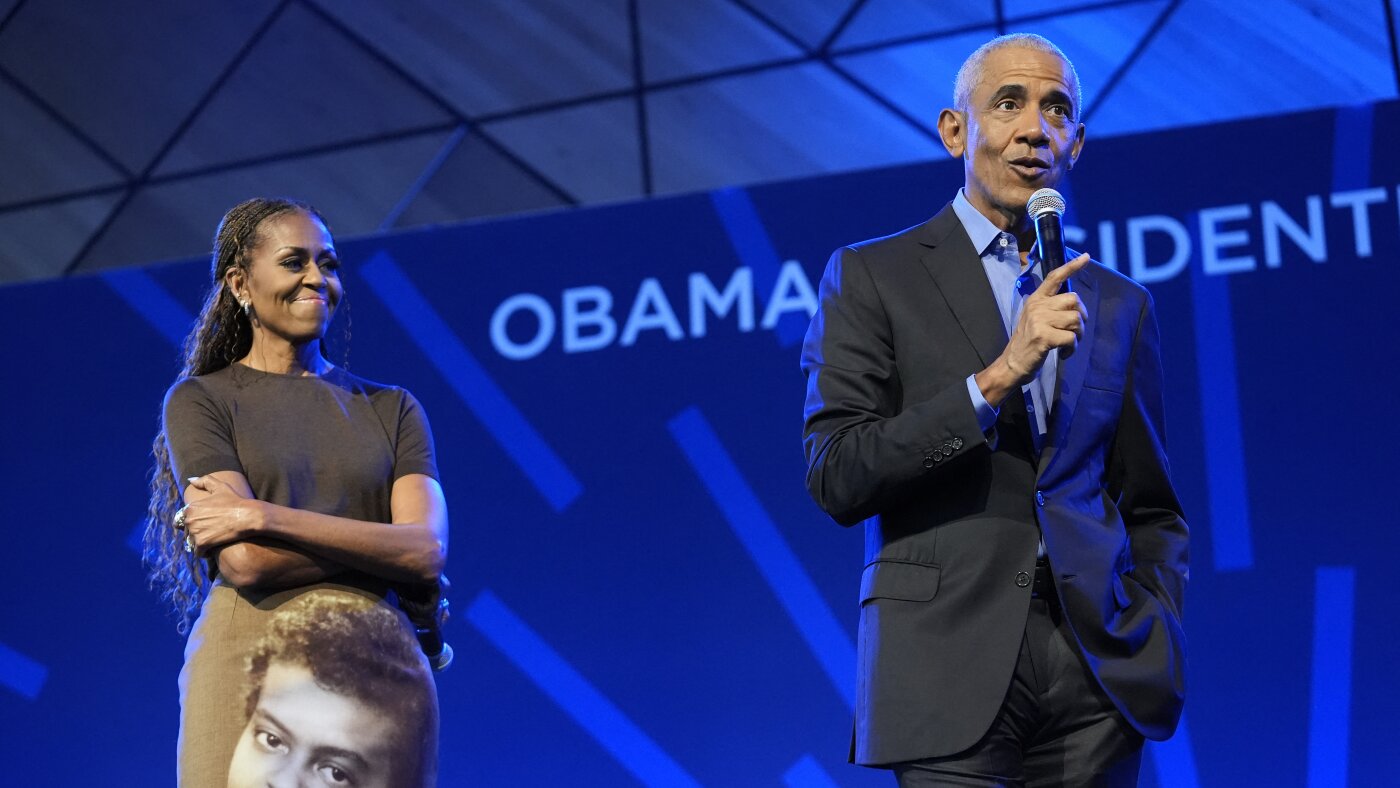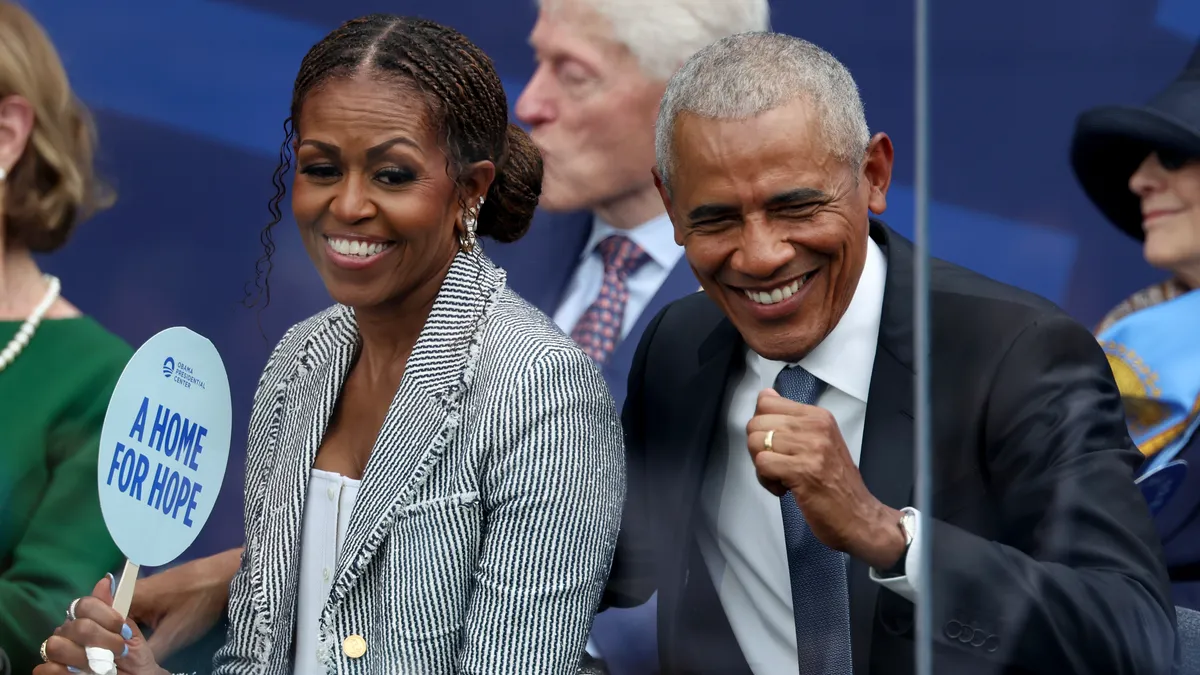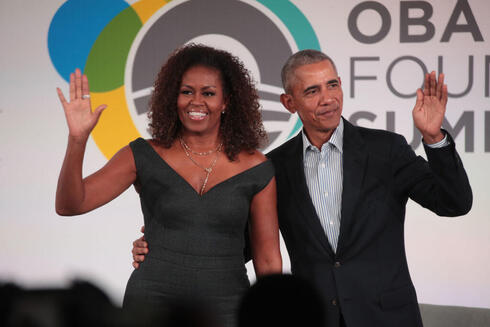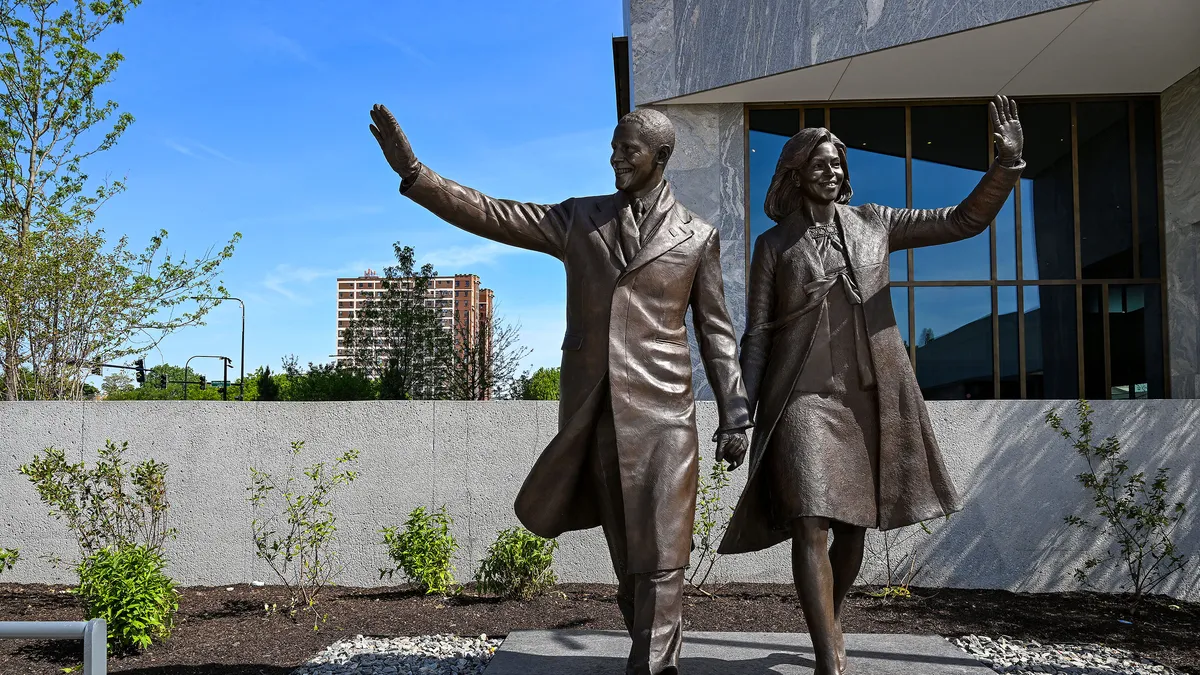
Out: The traditional presidential library for researchers. In: A branch of the Chicago Public Library for the neighborhood.Show Caption
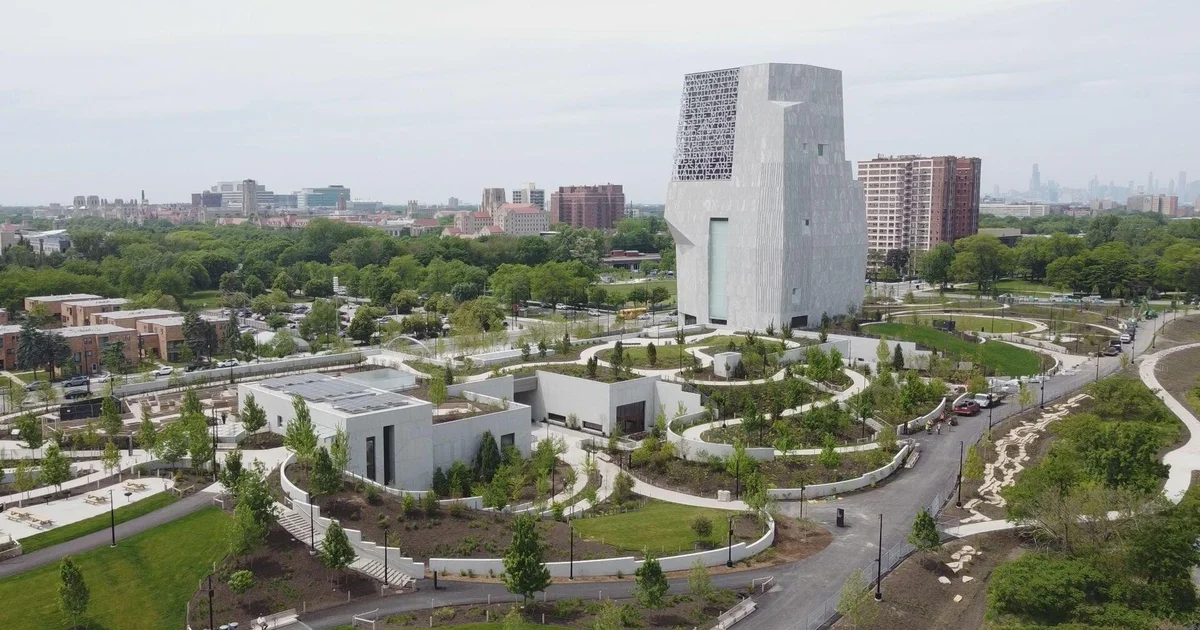
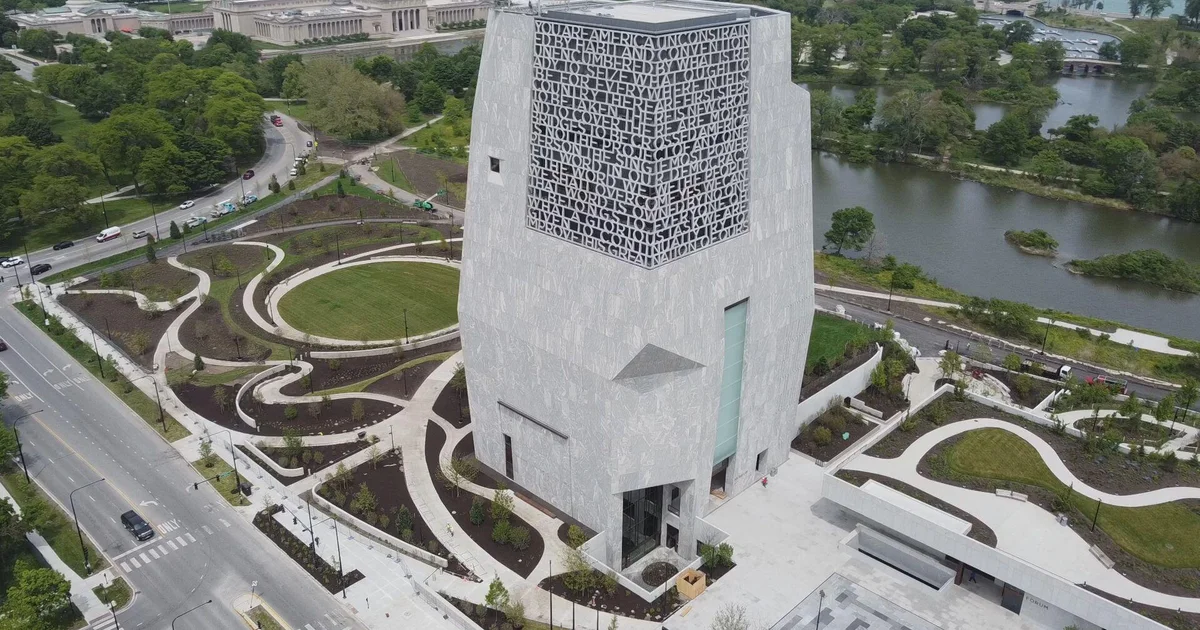
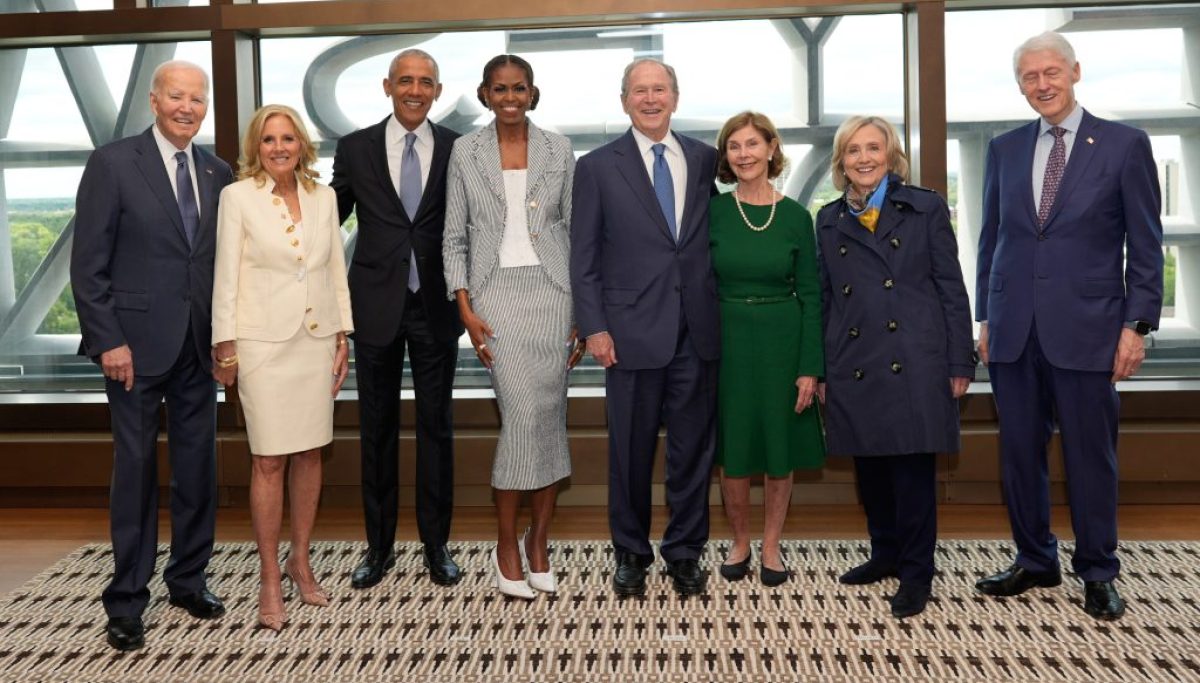
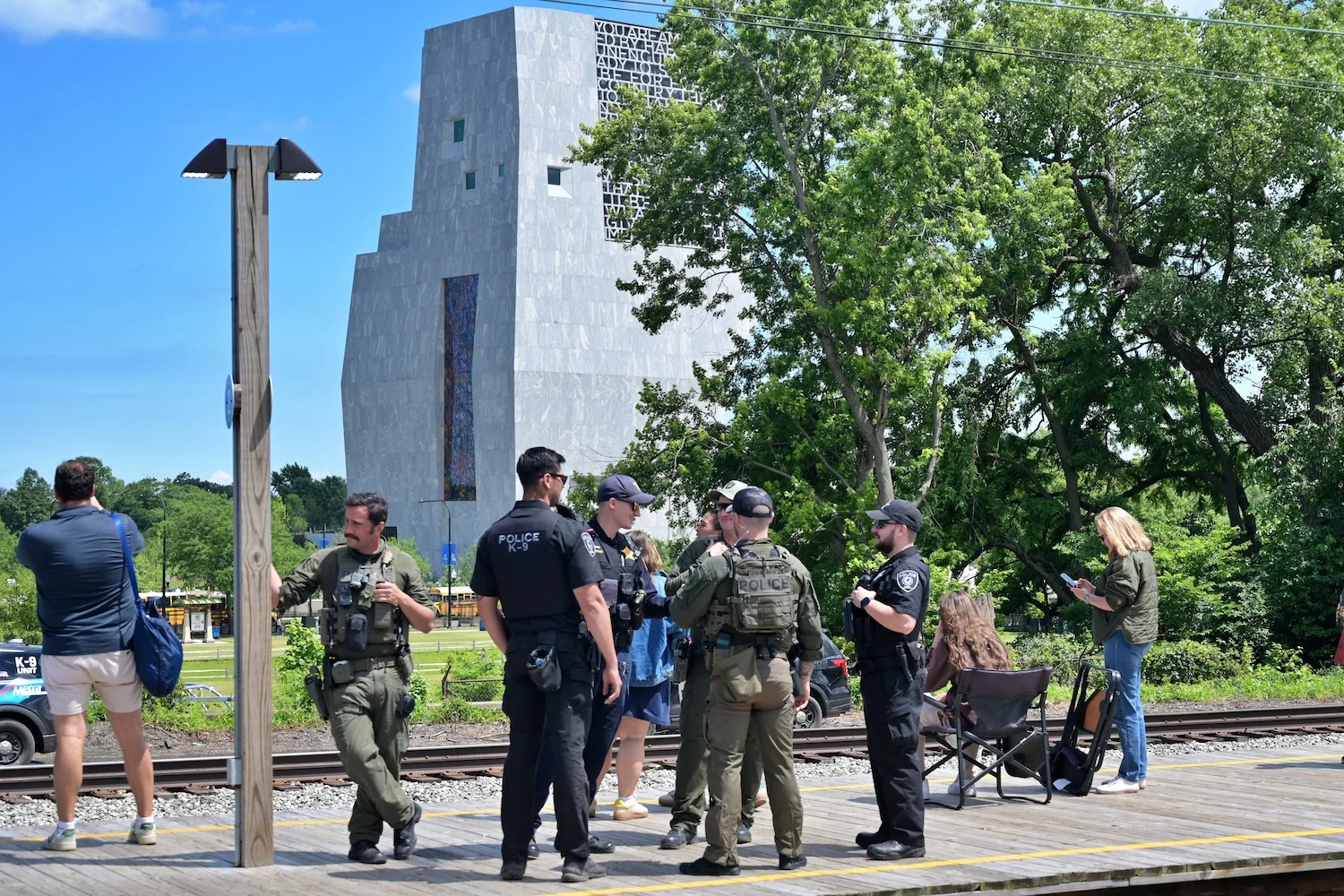
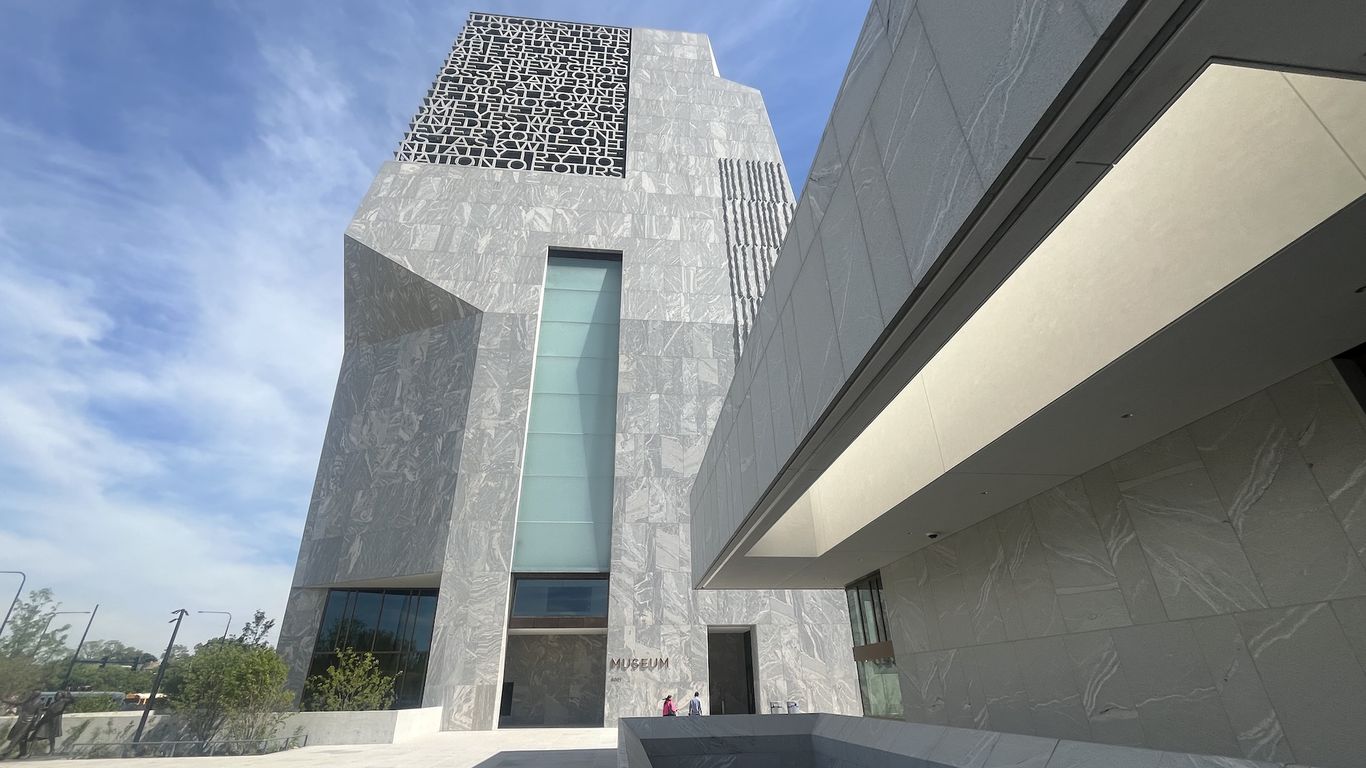
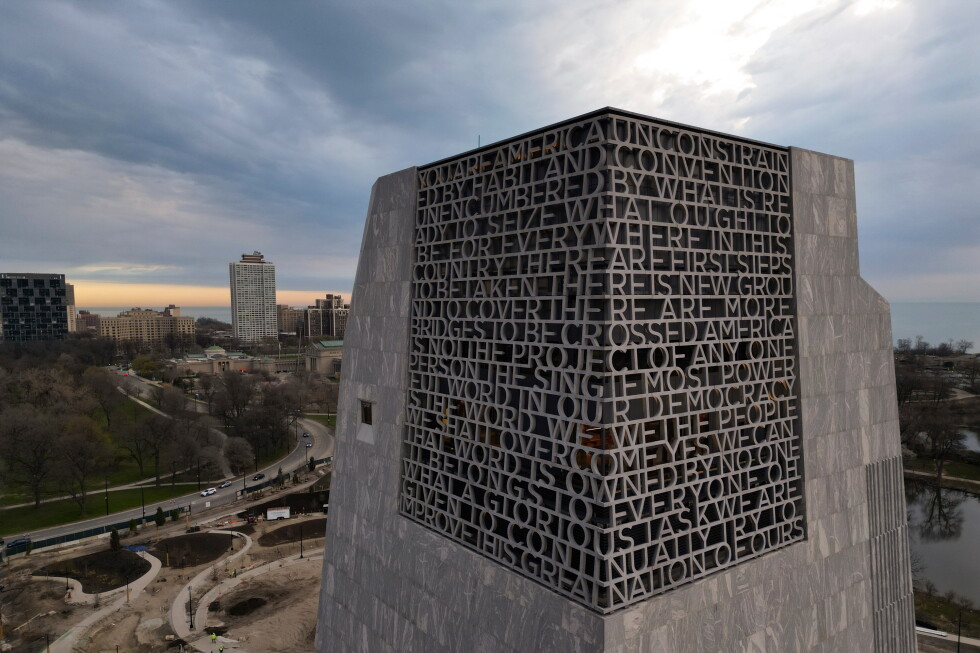
Barack Obama's presidency was like none that came before.That's also true of the Obama Presidential Center, being dedicated June 18 on the South Side of Chicago.The edifices that presidents build after they leave office reveal their preferred view of history and of themselves − what achievements they want remembered and what missteps they hope will be forgotten. Just look at the initial whitewash of the Watergate scandal at Richard Nixon's library and the minimal account at Bill Clinton's library of his impeachment.What lessons can we learn about Obama from his chunky tower as it opens for business?Nearly a decade has passed since the 44th president moved out of the White House, making way for Donald Trump. His successor has tried to dismantle his legacy and routinely deploys his middle name as a suggestion of suspicion: Barack Hussein Obama.One conclusion the building's dedication has confirmed: There are hard feelings.Obama didn't invite Trump to attend, the first time the sitting president won't be at center stage for the opening of a modern presidential library and museum.Even for Nixon, the only president forced to resign in disgrace, President George H.W. Bush showed up at his library's dedication in 1990 in Yorba Linda, California. Seven years later, when Bush's library was dedicated in College Station, Texas, Clinton was there to praise the president he had ousted from office.OK, we knew this already: He's BlackObama's standing as the first Black president is all but guaranteed to be in the opening lines of any broad account of his tenure. But when he campaigned for the job and then served two terms, he generally didn't spotlight that breakthrough in favor of broader themes.Now the Obama Center embraces the role and repercussions of his race, placing his presidency in a narrative of the nation's long journey for equality.Two sides of the building are clad in giant words, the letters 5 feet tall, drawn from his 2015 speech marking the 50th anniversary of the civil rights marches from Selma, Alabama, to Montgomery."America is not the project of any one person," they read in part. "The single most powerful word in our democracy is the word 'We.' 'We the People.' 'We Shall Overcome.' 'Yes We Can.' That word is owned by no one. It belongs to everyone."The center's plaza is named for civil rights icon John Lewis and its overlook for Harold Washington, the first Black mayor of Chicago. Other spaces honor former House Speaker Nancy Pelosi, former first lady Eleanor Roosevelt, Nobel Laureate Elie Wiesel and others."On Whose Shoulders We Stand," the center says.Then there's the date the former president chose for the opening.Visitors can begin streaming through the building on Juneteenth. The June 19 holiday, held on the day in 1865 when Union Gen. Gordon Granger ordered the Emancipation Proclamation enforced in Texas, celebrates the end of slavery in the United States.Breaking the mold: Not really a libraryObama has redefined what a presidential library has to include, offloading a fundamental part all his modern predecessors have had. That is, the library part.The Obama archives are planned to be the first presidential records that are fully digitized, available online from anywhere, a process that is now underway. The physical records of his presidential administration, which by law belong to the American people, are held by the National Archives and Records Administration at sites in suburban Chicago and suburban Washington.The center does include some exhibits that are classic features at other presidential libraries. There's a replica of the Oval Office − seen also at the Truman library, the Johnson library and the Clinton Library − as well as a display of dresses worn by the first lady at inaugural balls and other big occasions.But Obama's center projects a younger, hipper, less stuffy vibe than its general ilk.There's an NBA-regulation basketball court, for one thing, reflecting Barack Obama's passion for the sport. And a vegetable garden, one of Michelle Obama's causes.Who said anything about Syria?The displays detail passage of the landmark Affordable Care Act and Obama's leadership during the mortgage meltdown he inherited when he took office in 2009 − action credited by some economists with averting another Great Depression.But the references are limited on the administration's controversial response to the Russian invasion of Crimea in 2014, when Obama offered condemnation and imposed sanctions but didn't provide Ukraine with significant military aid.And on his decision not to deliver on his threat to Syria, which used chemical weapons on civilians after he had warned that would cross his "red line." He called it a "crime against humanity" but then backed off ordering military strikes.Even some supporters called that a mistake that damaged his credibility. He blames congressional opposition.Addressing the low points as well as the high ones has posed challenges for every president.The Johnson Library in Austin is among the most candid, portraying the Vietnam War as a national trauma and the president as conflicted and constrained. LBJ had said he wanted his story told "with the bark off."After the National Archives took over the Nixon library in 2007, the original Watergate exhibit casting Nixon as a victim was replaced by a historical account of the scandal that put the president in the middle of it.That's one more way the Obama Center is not like the others: It will never be part of the federal system. The National Archives will run his archives and loan artifacts to the Chicago site, but the Obama Center will remain a nonprofit entity, with its exhibits under its control.A community organizer first and lastIn another change from the traditional, the center was designed to become a hub for the neighborhood.While there's no presidential library on the premises, there is a branch of the Chicago Public Library. The 19 acres in Jackson Park feature a big playground and a track field, with outdoor grills for use by picnickers. A hill has been made-to-order for sledding during Chicago's snowy winters − included at the behest of Michelle Obama, who grew up less than 3 miles away.That's not to say everyone in the community was enthusiastic about it. The project was delayed by years of debate and lawsuits, including over concerns about the takeover of lakefront land and the gentrification that could displace current residents.It was originally planned to open in 2021 at a cost of $500 million − timing that would have meant Obama's vice president, Joe Biden, would have been the sitting president, and surely in attendance. Instead, it ended up five years behind schedule and $350 million over budget, with President Trump back in office for a second term.Obama had considered other locations.The finalists included pitches from the University of Hawaii, in the state where he was born and spent much of his childhood, and Columbia University, where he graduated from college.He settled on the proposal by the University of Chicago on the city's South Side.In the end, Obama went back to his beginnings, where he had started in his 20s as a community organizer − returning at age 64 to open a presidential center with some of the same mission in mind.Susan Page, the Washington Bureau chief of USA TODAY, has covered 12 presidential campaigns and seven presidencies. Her latest book is "The Queen and Her Presidents" (Harper, 2026).