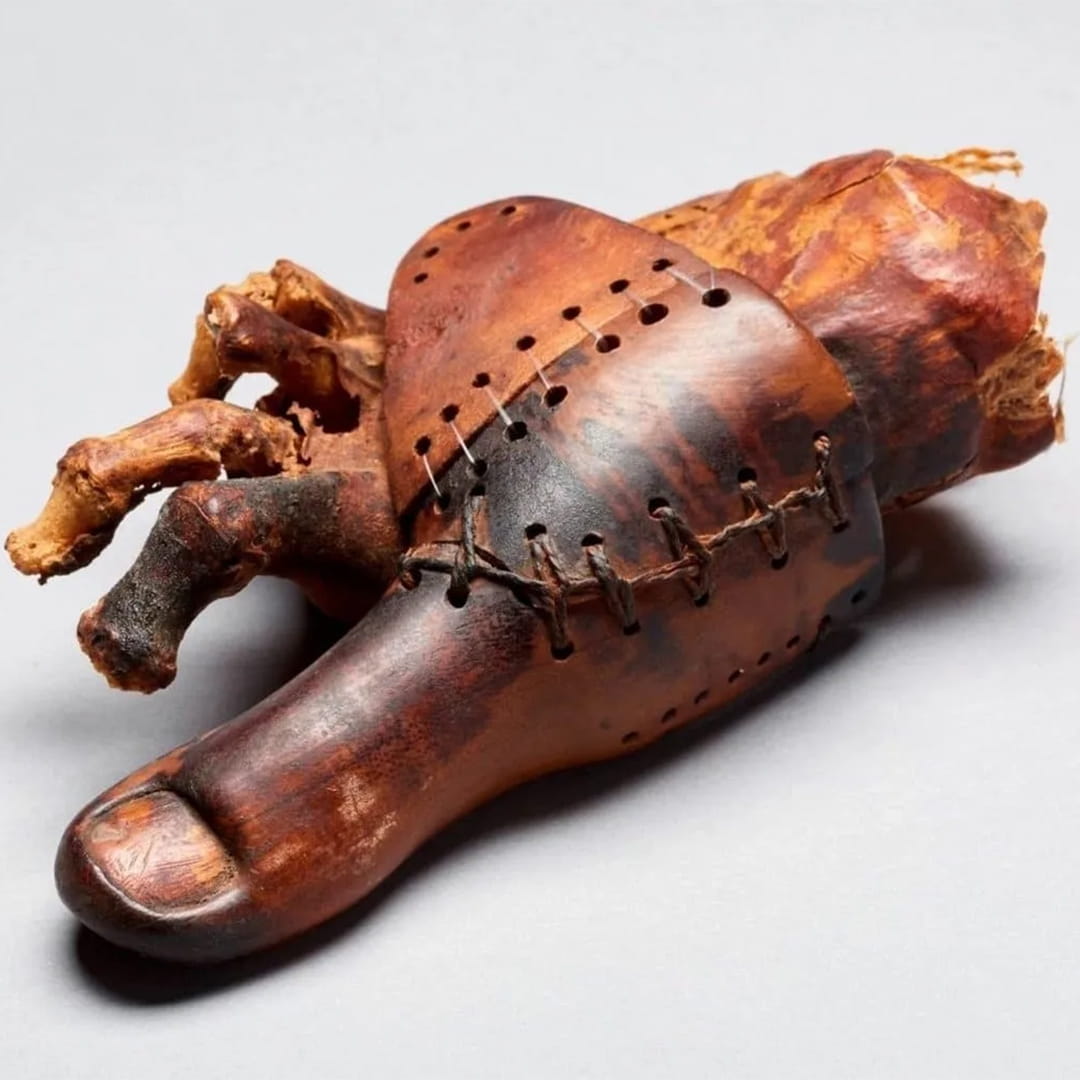
Around 1000 BC, Tabaket-en-Mut, the daughter of an ancient Egyptian priest, likely never imagined that the wooden prosthesis she wore after losing her big toe would become a piece of medical history some 3,000 years later.
Archaeologists believe she may have lost the toe because of complications from diabetes. Modern medicine did not exist at the time, so someone made her a prosthesis consisting mainly of three wooden toe segments joined together and wrapped in leather. It was sturdy, comfortable, and fitted to the shape of her damaged foot. Known today as the “Cairo toe,” the prosthesis is considered one of the oldest known functional prosthetic body parts.
It was a modest beginning: replacing something lost to restore function, or simply to make the body appear whole again.
Today, that idea of “replacement” has moved beyond surface repair and into deeper questions about how medicine might preserve function over time. On May 15, United Therapeutics said the US Food and Drug Administration (FDA) had cleared its investigational new drug application to begin a clinical study of UHeart, an investigational pig-derived heart with 10 gene edits. The trial will initially enroll up to two participants, with the company intending to use the data to support a potential biologics license application if early results are supportive.