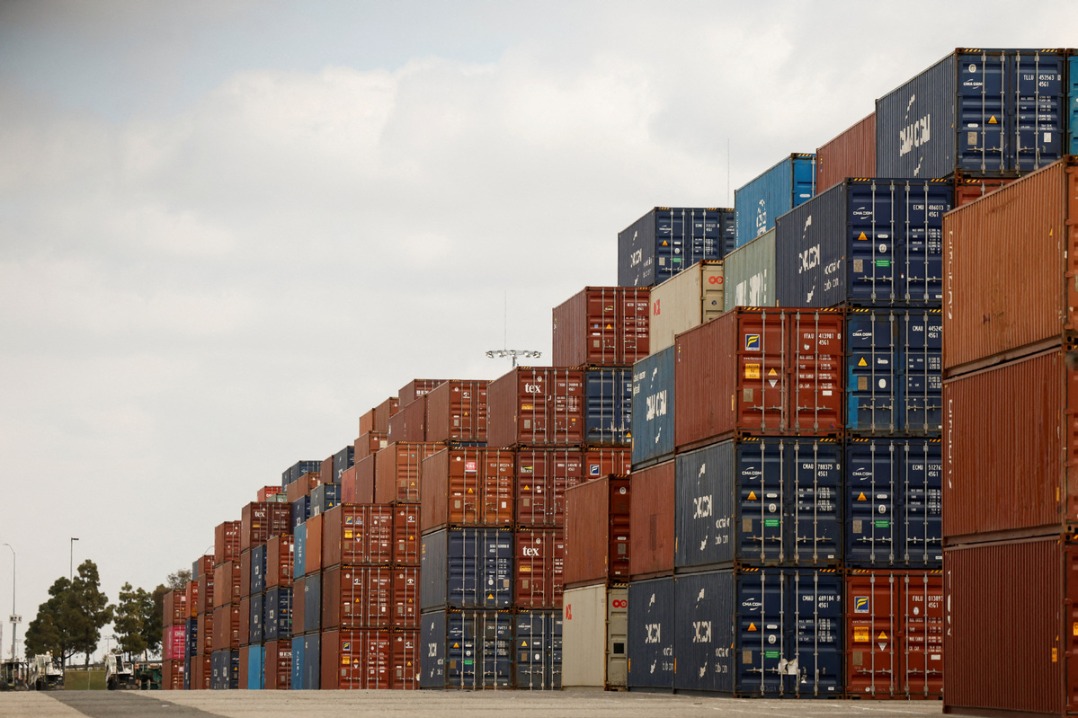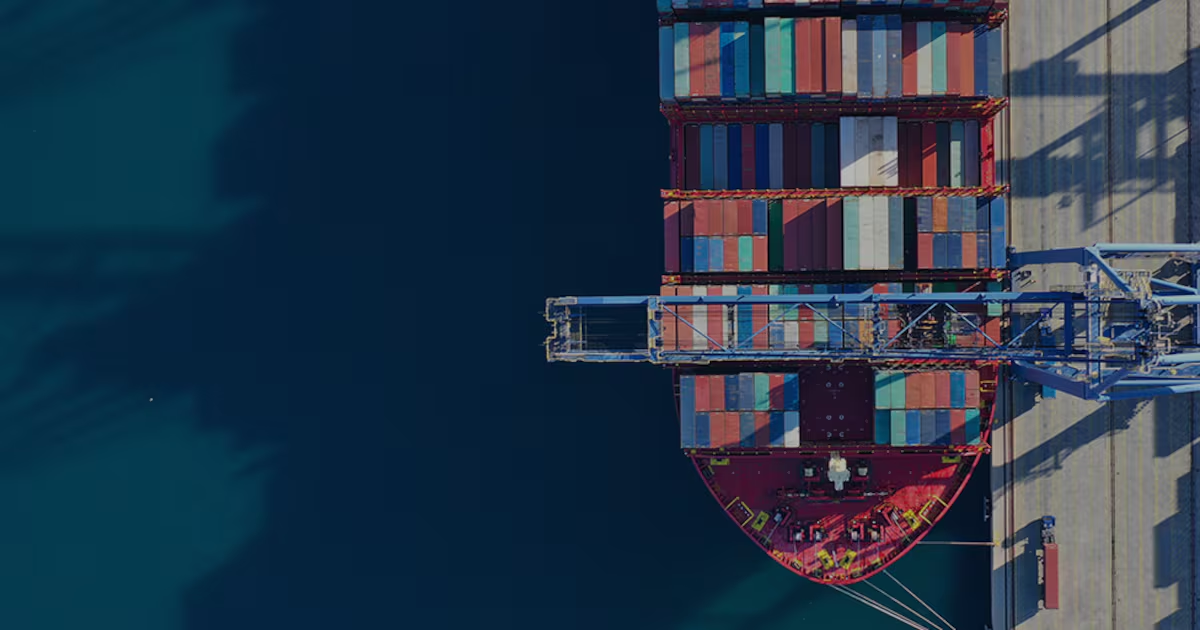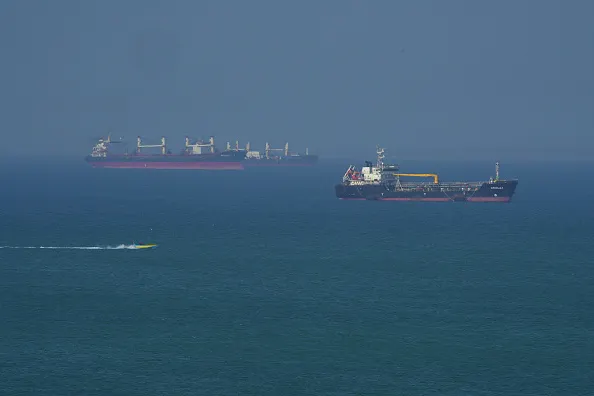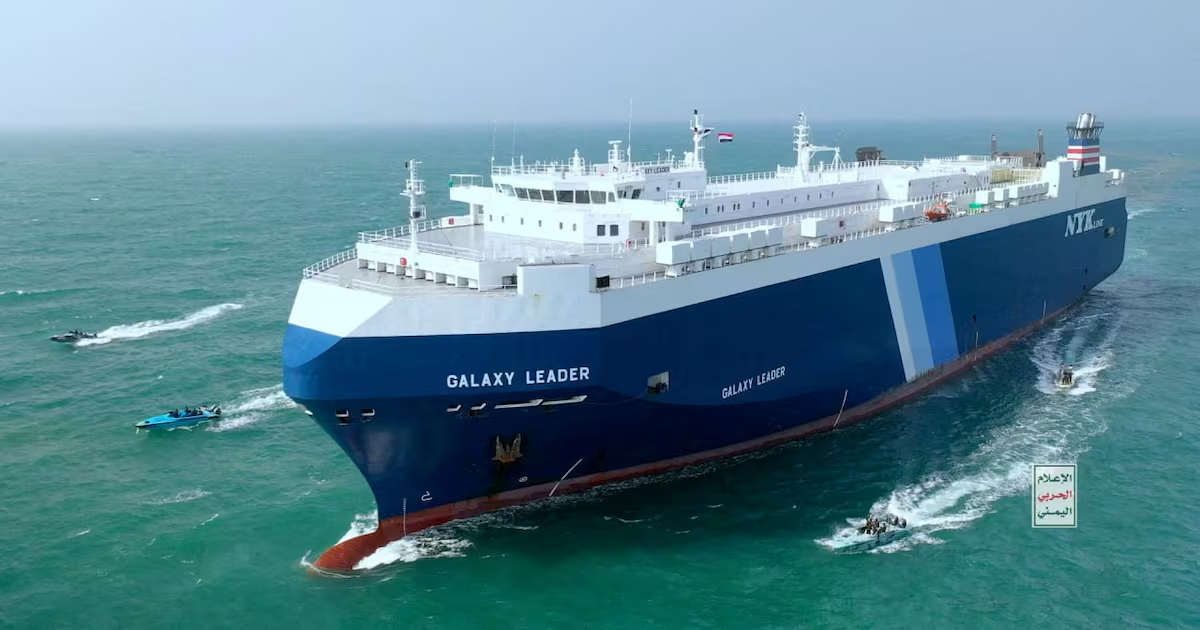
There is a growing recognition that supply chains optimised solely for cost are often highly vulnerable when disruptions occur. And there is no shortage of disruption.From Covid-19 and the Red Sea crisis to tariffs, geopolitical tensions, climate-related disruptions and the most recent closure of the Strait of Hormuz, businesses are coming to accept that disruption is no longer the exception — it is the operating environment. In response, they are investing in technology, diversifying suppliers and redesigning logistics networks to build flexibility for a more uncertain world.The global supply chain shocks that began with Covid-19 were once viewed as extraordinary events. No longer. Supply chain managers are facing a level of uncertainty that would have seemed extraordinary a decade ago. The result is a fundamental shift in how companies manage risk, source products and invest in technology.For instance, findings from the Thomson Reuters Institute’s 2026 Global Trade Report illustrate just how dramatic that shift has become. About 40% of national trade departments are now exploring technologies such as AI and blockchain for trade management, compared to just 6% in 2024. At the same time, only 2% of trade professionals now regard their organisations as being in the early stages of technology adoption, down from 40% previously. The report suggests many organisations have concluded that manual processes and fragmented systems are no longer sufficient in an era of constant disruption.Beyond technologyThe transformation extends far beyond technology. According to Tanguy Caillet, global supply chain lead at Genpact, “tariff instability and geopolitical disruption are pushing companies deeper into supplier diversification and regional realignment” — trends that first emerged during Covid but are now becoming ubiquitous features of supply chain strategy.Caillet argues that multinational businesses are redesigning their sourcing networks to avoid excessive dependence on any single supplier, country or trade corridor.For many years businesses embraced lean inventory models, single-source suppliers and just-in-time delivery systems. While these approaches delivered efficiency gains, they also reduced flexibility. When disruptions hit, companies often found that a single blocked port, factory shutdown or geopolitical event could halt production entirely.The Red Sea crisis has become one of the clearest examples of this vulnerability. Security threats have forced many shipping lines to reroute vessels around the Cape of Good Hope rather than transit through the Suez Canal. The detour adds one to two weeks to Asia-Europe voyages, increases fuel consumption and raises freight costs. Industry analysts view these diversions not as temporary measures but as a new normal that is reshaping shipping networks and inventory planning worldwide.The UN Conference on Trade and Development has similarly warned that geopolitical conflict and tariff disputes are creating major volatility in global shipping markets. According to the agency, maritime trade growth forecasts have been revised downward as vessels are forced onto longer routes.For South Africa these developments create challenges and opportunities. On the negative side, South Africa remains heavily dependent on imported fuel, machinery, chemicals, electronics and industrial components. Any increase in shipping costs, insurance premiums or transit times eventually feeds through into domestic inflation.Higher freight rates increase the landed cost of imported goods, placing additional pressure on business operating costs. Research from the Chartered Institute of Procurement & Supply has reiterated that prolonged supply chain disruptions can contribute to substantial price increases across a wide range of imported products.South African manufacturers are particularly exposed, as delays at global chokepoints can affect everything from automotive production and mining equipment to food processing and consumer goods.Yet South Africa also occupies a unique strategic position within the changing geography of global trade. As vessels bypass the Red Sea, traffic around the Cape of Good Hope has grown in importance. Southern African ports, bunkering facilities and logistics services have seen increased activity as shipping lines adapt to longer routing patterns. What was initially viewed as a disruption has, in some respects, become a structural shift in global shipping flows.The challenge for South Africa is whether its logistics infrastructure can take advantage of this opportunity. Congestion, port inefficiencies and rail constraints remain significant barriers, and bunkering growth remains modest. If addressed, the country could strengthen its role as a strategic logistics gateway between East and West.Technology is expected to play a central role in this transformation. AI is being used to improve demand forecasting, identify supply chain risks and optimise inventory levels. Advanced analytics also help businesses anticipate disruptions before they occur and model alternative sourcing or transport scenarios. Blockchain technologies offer opportunities to improve traceability, compliance and transparency across complex supply networks.AdaptabilityThe broader lesson is that adaptability is becoming a competitive advantage. Businesses that can identify alternative suppliers, maintain visibility across their networks and respond quicker to disruptions are outperforming those that remain dependent on rigid, cost-optimised models. The era of treating supply chain management as a back-office function is ending. Trade professionals are gaining greater influence over procurement decisions and strategic planning as supply chain risk becomes a boardroom issue. Thomson Reuters reports that 43% of trade professionals now have greater influence over procurement decisions, while 37% report more frequent involvement in executive decision-making.Food security is shaped by global supply chain instability rather than local production alone. According to the UN Food & Agriculture Organisation (FAO), South Africa remains broadly food-secure in staple grains such as maize in normal production years, but household access to food remains highly sensitive to price volatility driven by logistics, fuel costs and import dependencies across key commodities such as wheat and fertiliser.At a regional level, the FAO and World Food Programme consistently highlight that acute food insecurity across Southern Africa is strongly correlated with supply chain disruptions, drought shocks and import cost inflation. Even in relatively stable producing countries, disruptions in global shipping routes and input markets can rapidly translate into higher food prices, reduced affordability and increased vulnerability among low-income households.The world is unlikely to return to the relatively stable trading environment that existed before Covid. Whether the disruption comes from geopolitical conflict, tariff disputes, pandemics, climate events or cyber threats, uncertainty has become a permanent feature of global commerce.• Van Biljon is head lecturer in supply chain management at the IMM Graduate School.
ERNST VAN BILJON | The shockwave never subsided
Adaptability the key to survival as persistent disruption reshapes supply chains
1,015 words~5 min read