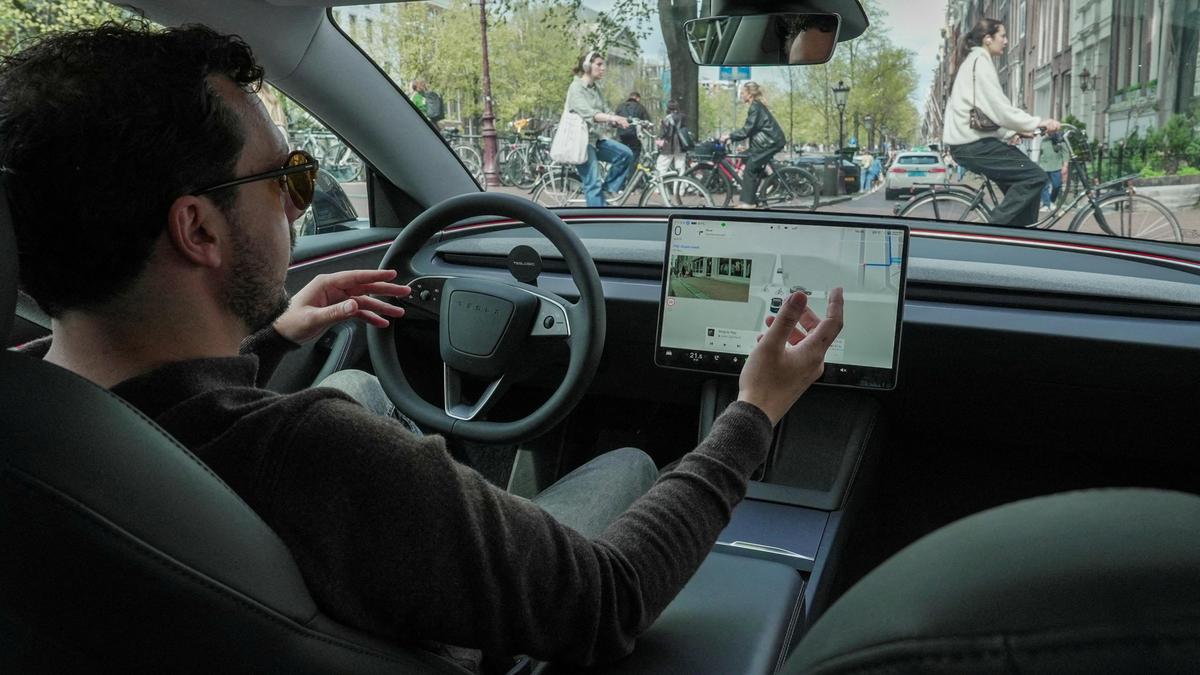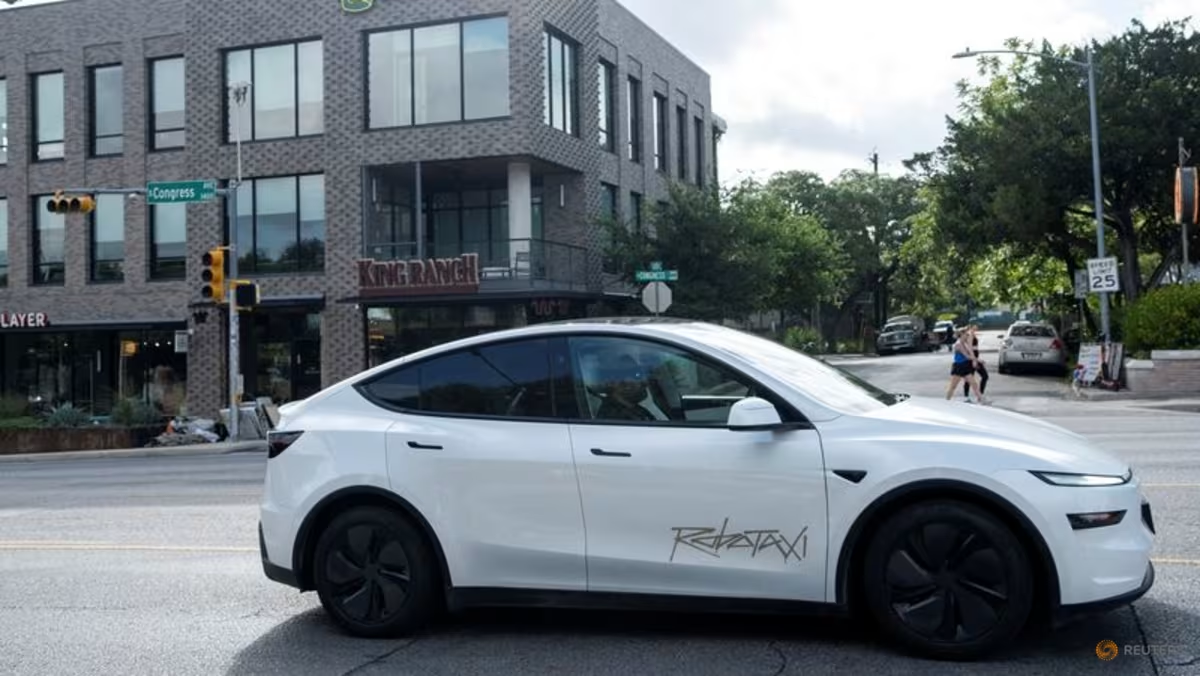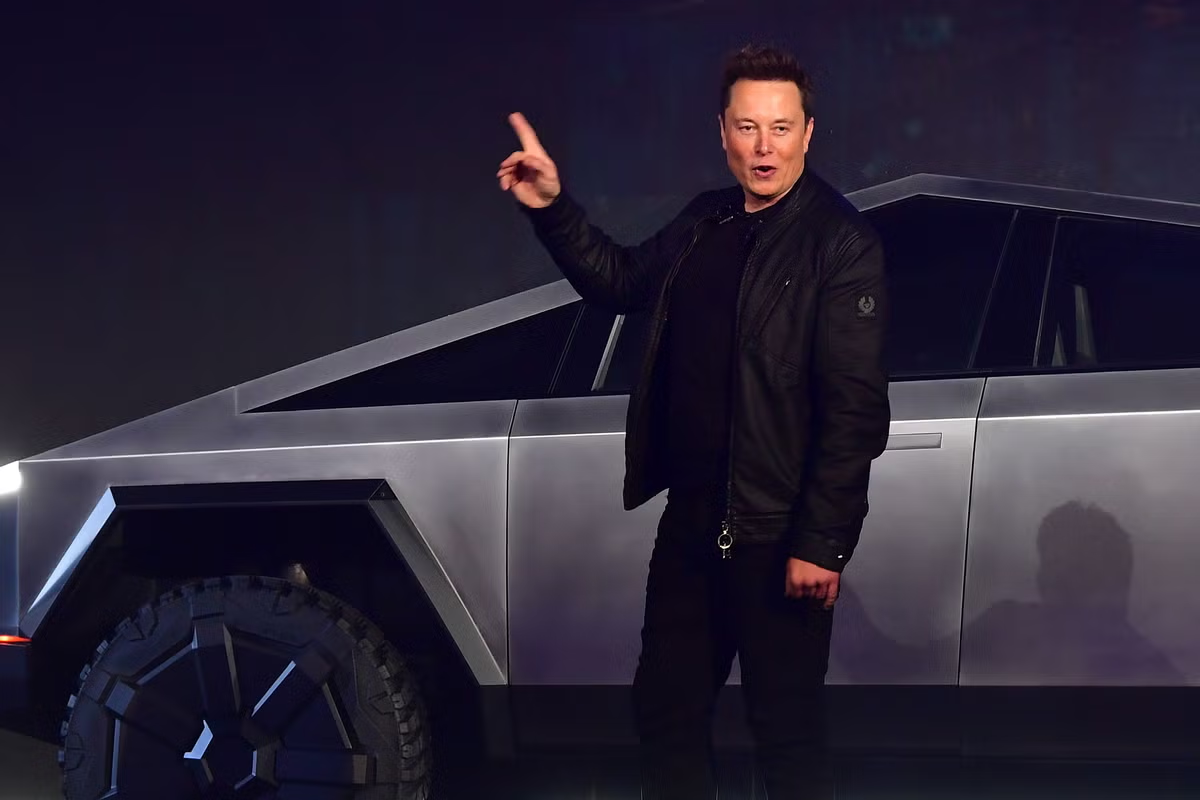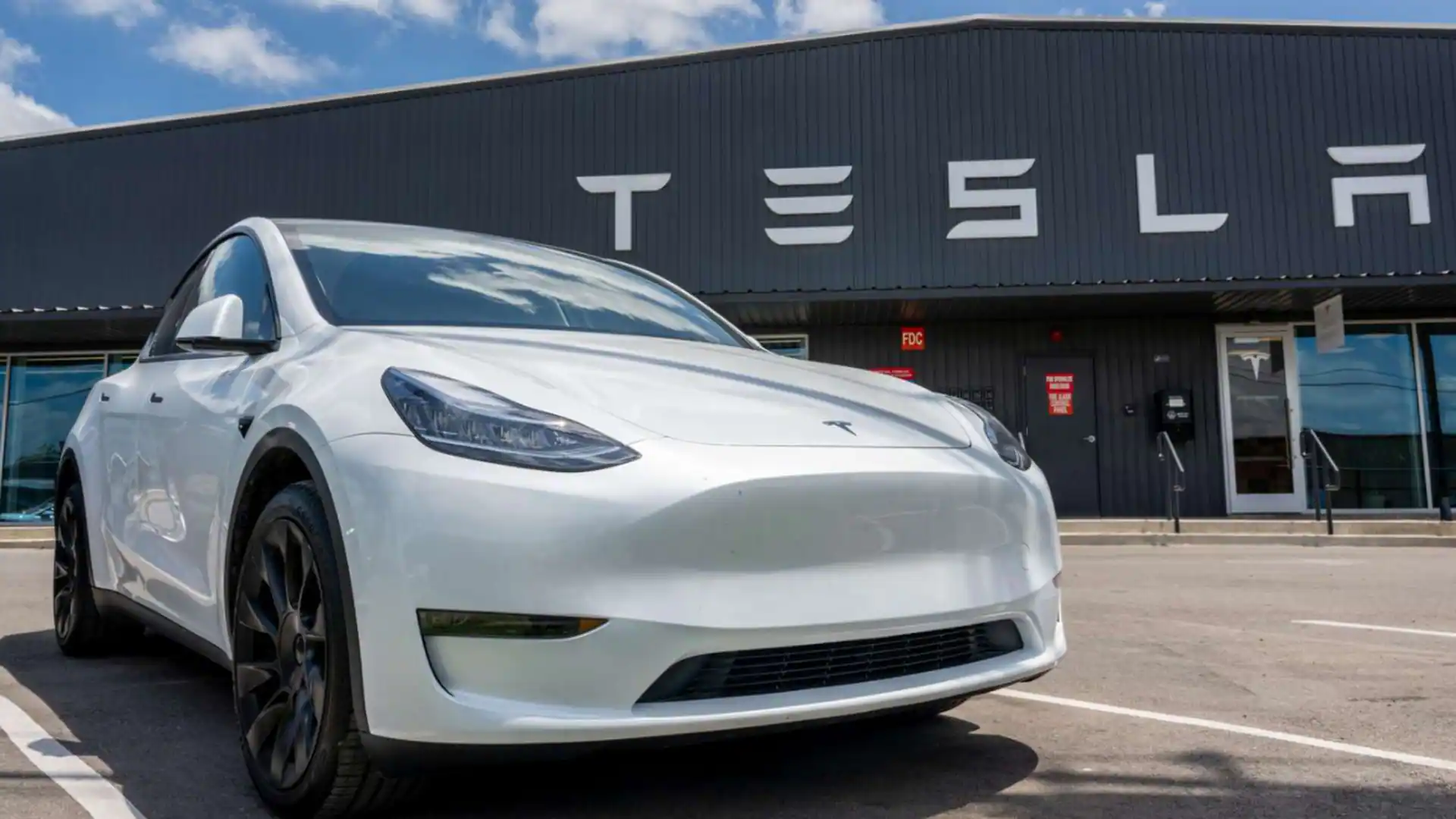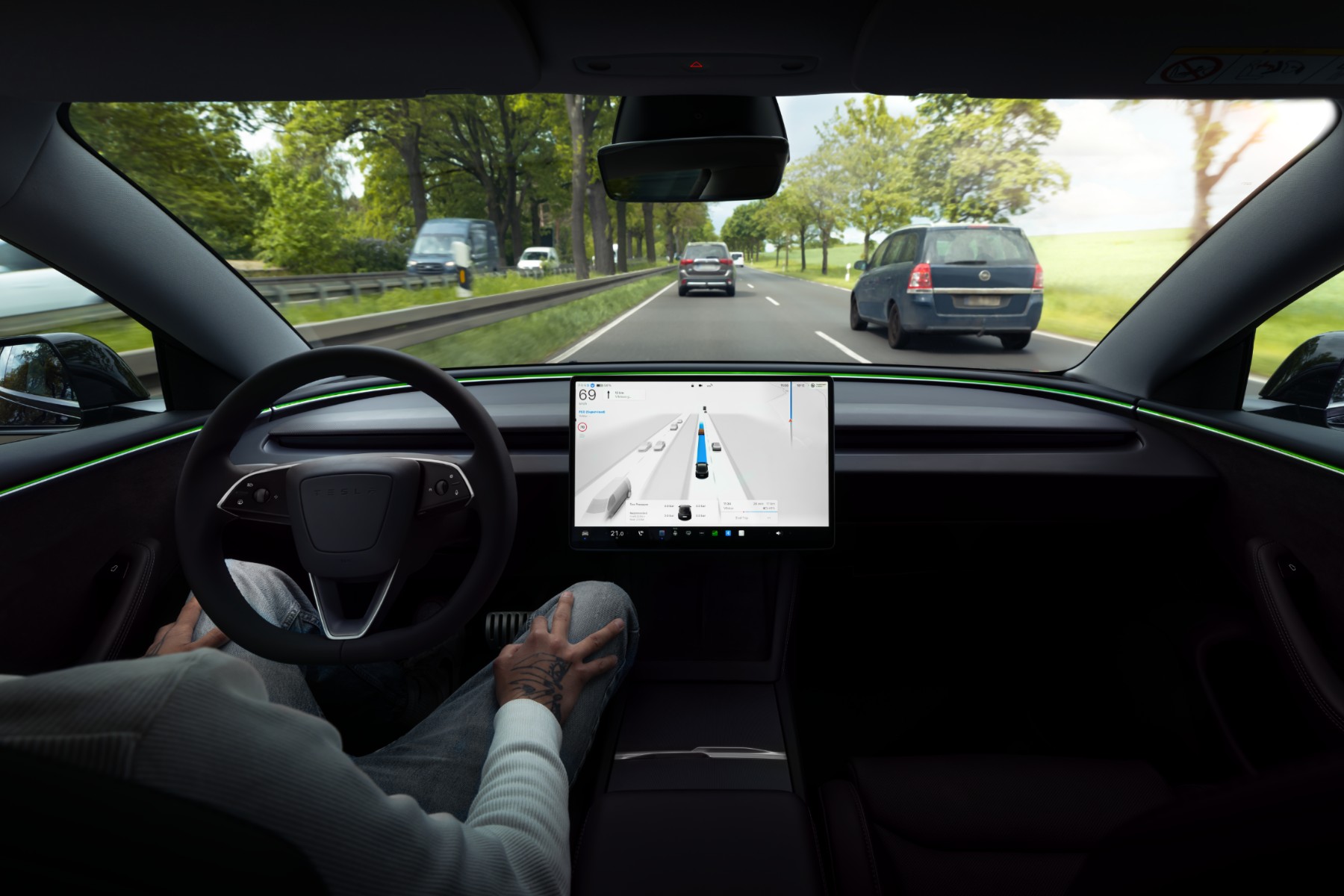
An investigation alleges Tesla may have misled regulators about its autonomous system’s safety claims, using flawed comparisons with human driving data in approval processes in Sweden and the NetherlandsRoy Zuckerman| Related TopicsTesla’s autonomous driving system, marketed under the name Full Self-Driving (FSD), is considered one of the American electric carmaker’s key advantages in its effort to dominate the electric vehicle market in Europe. Thanks to highly efficient energy management and the autonomous system, the company maintains its image as a technologically advanced leader. Through FSD, it has also received regulatory concessions that allow it to offer driverless operation on European roads.However, Tesla may now find itself in trouble. A Reuters investigation found suspicions that, during the FSD approval process, Tesla presented data it collected internally that was not subject to independent review. That data may present an overly optimistic — or even misleading — picture of the system’s safety compared with human drivers.2 View gallery Tesla may now find itself in troubleAccording to Reuters, Tesla CEO Elon Musk and other senior executives have in recent years cited statistics they say demonstrate the system’s effectiveness, including a figure claiming it is 10 times safer than a human driver. The investigation, however, found that Tesla relied on flawed comparisons that create a significant gap between the claims and reality.For example, a presentation used by Tesla in a regulatory process in Sweden claimed that the FSD system could have saved 32,000 lives on the roads and prevented 1.9 million injuries. Researchers who reviewed the data found that Tesla compared its system to a scenario in which the entire U.S. vehicle fleet — including trucks and motorcycles — was instantly replaced with cars equipped with FSD. This includes very old vehicles with no safety systems or vehicles that cannot be fitted with such systems. The figure also assumes that every Tesla vehicle is at least seven times safer than the car it replaces on the road.According to the investigation, Tesla also compared the number of incidents involving Tesla vehicles operating on autopilot in which airbags deployed with the number of accidents across the entire U.S. vehicle fleet — including much less severe crashes in which airbags did not deploy and which likely involved only property damage.These data were submitted to Swedish regulators shortly after similar data were used to secure approval from the Dutch regulator (RDW) in April.The RDW declined to comment on the findings of the Reuters investigation, but said in a statement that it "does not rely on marketing claims or external statistics" to make decisions and performs its own "tests, analyses and verifications" of the system on public roads and test tracks. The agency did not say whether it assessed Tesla's U.S. safety statistics.2 View gallery Tesla also compared the number of incidents involving Tesla vehicles operating on autopilotDudley Curtis, a spokesperson for the European Transport Safety Council, said in response to the report that the organization he represents is “certainly concerned” that Tesla may have presented “unreliable safety data” from the United States to Swedish lawmakers.He said that if Tesla wants to claim a certain capability for FSD, it should “give the data to a university, have it independently verified by a qualified researcher, and then let’s talk.”Approval for the use of Tesla’s FSD system in Europe is a key part of the company’s business strategy. With cheaper competitors from China gaining ground, Tesla hopes the system will help it maintain its position at the top of European sales charts.The system is expected to face a key hurdle for broader approval across the continent in the coming months, when it is reviewed by representatives of European Union member states, which would make it available to customers in most countries in the region.Until then, the system must undergo separate approval in each European country where Tesla seeks to sell it, a slow and cumbersome process that complicates its rollout.Comments
Did Tesla overstate safety? Report raises questions over safety claims in EU filings
An investigation alleges Tesla may have misled regulators about its autonomous system’s safety claims, using flawed comparisons with human driving data in approval processes in Sweden and the Netherlands
648 words~3 min read