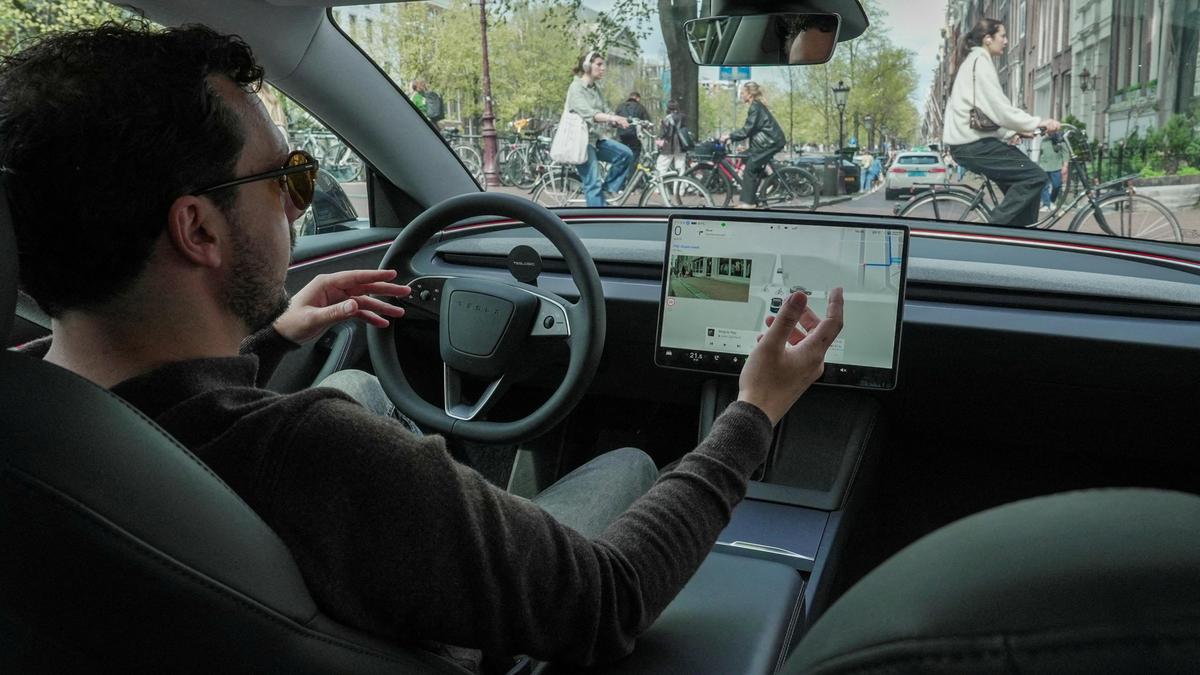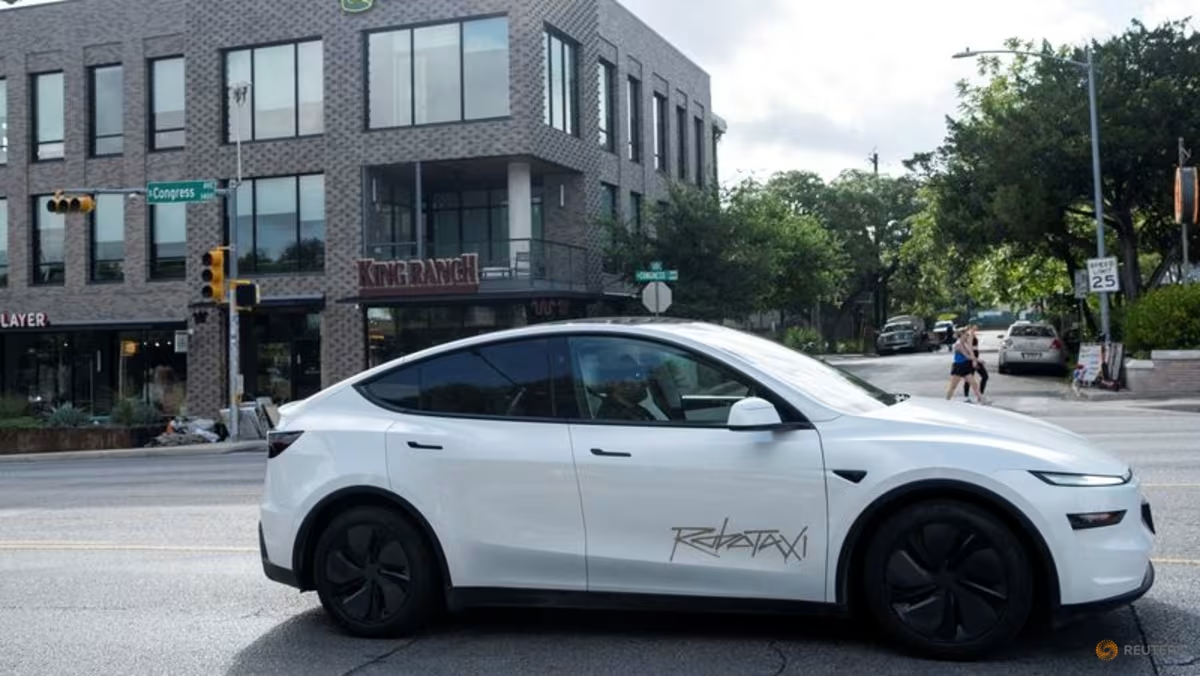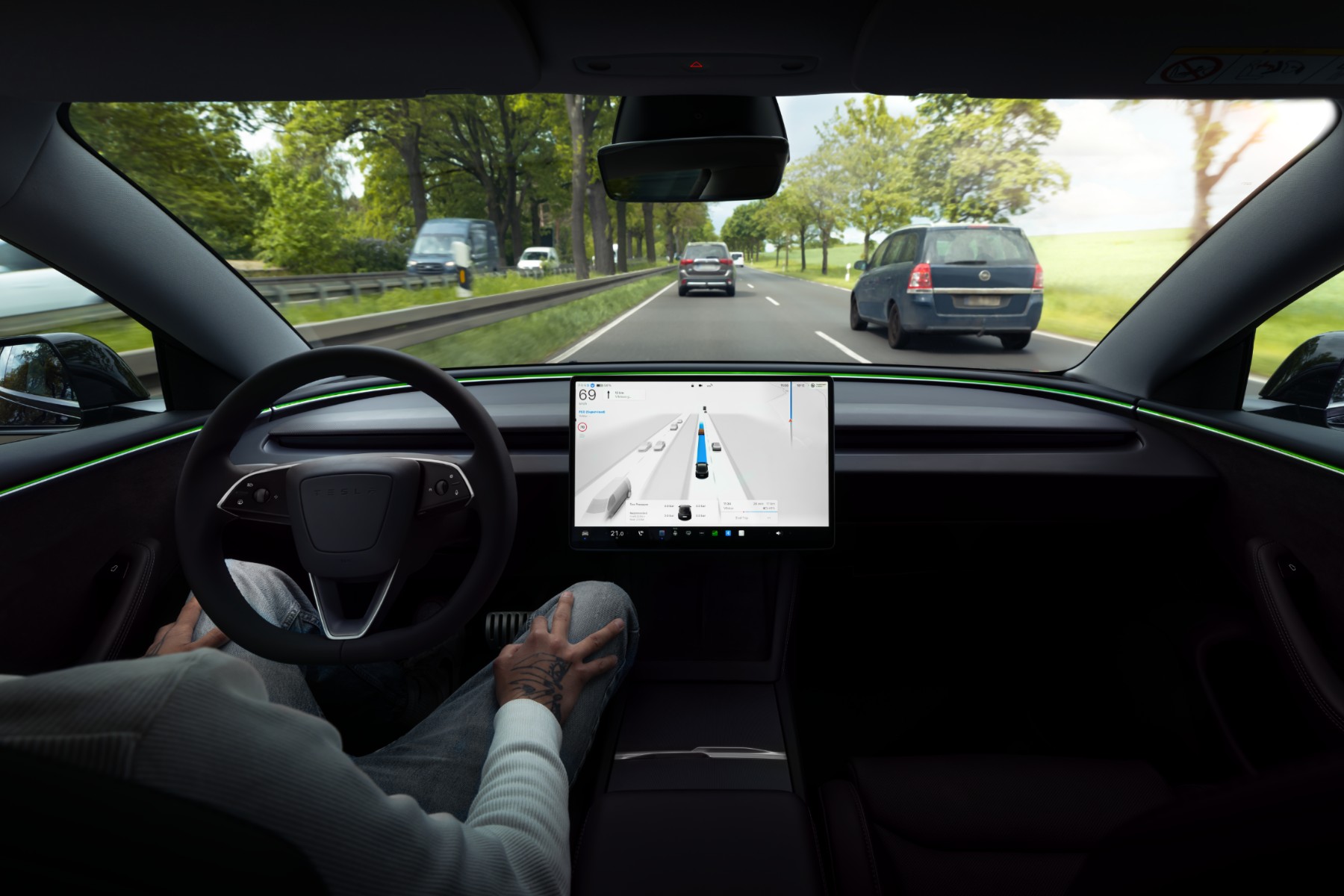
Tesla Inc. (NASDAQ:TSLA) presented self-published safety data to regulators in Sweden and the Netherlands in a bid to secure approval of its “Full Self-Driving” (FSD) system, which amounts to misleading marketing according to independent traffic-safety researchers. A newly published investigative report by Reuters claims that the EV manufacturer relied on invalid data comparisons and unrealistic assumptions to overstate the safety performance of its FSD driver-assistance technology, allegedly inflating the Tesla safety advantage by a factor of roughly 3X. Traffic safety researchers have reviewed the documentation and internal correspondence and identified several flaws in how Tesla structured its safety claims. The investigation alleges that Tesla calculated its FSD crash rate using only incidents that triggered airbag deployments or pyrotechnic restraints and compared this data to the U.S. national crash average compiled by federal agencies such as NHTSA, which includes thousands of minor, non-airbag "property-damage-only" fender-benders. Additionally, the report alleges that Tesla compared its safety data to that of older cars, missing modern crash-prevention technologies that are standard on Teslas. The average U.S. vehicle is over a decade old, meaning it lacks modern active and passive safety features such as automatic emergency braking and advanced airbags that reduce crash rates in newer cars. Finally, Tesla’s telematics and safety reports misrepresent Tesla’s Autopilot's and FSD risk profile, according to the investigation. To wit, autopilot is typically deployed on highly controlled highways, meaning the system accumulates disproportionate mileage in lower-risk environments compared to overall human driving. Tesla is currently navigating the complex European regulatory framework via country-by-country approvals while chasing blanket approval with mixed results. Following more than a year of testing, the Dutch road authority RDW granted type approval for Tesla’s FSD in April 2026. RDW says it relies on its own verified test tracks and data auditing, rather than third-party marketing statistics. The agency is currently lobbying for EU-wide approval on Tesla's behalf. In contrast, the Norwegian Public Roads Administration has warned drivers that Tesla's numbers are "self-produced" and cannot be accurately correlated with official national accident statistics.Reuters’ findings do not appear to threaten Tesla’s Dutch approval, which was granted following independent testing by RDW rather than reliance on Tesla’s published safety statistics. However, the timing is critical, as European regulators are currently considering broader deployment of FSD technology across the continent. Earlier this month, 18 European countries signed a joint declaration to coordinate cross-border testing of autonomous vehicles and accelerate the deployment of self-driving technology across the continent. With regulators working toward a more unified framework for autonomous driving and robotaxi services beginning to emerge in cities including London, Madrid, and Zagreb, scrutiny of the safety claims underpinning advanced driver-assistance systems is likely to intensify.The report also comes as Tesla faces backlash on multiple fronts. On Sunday, anti-G7 protesters in Geneva set fire to a Tesla vehicle during demonstrations against economic inequality and corporate power, underscoring how the company and its billionaire CEO have increasingly become lightning rods in broader political and social debates.By Alex Kimani for Oilprice.comMore Top Reads From Oilprice.comOil Prices Plunge as U.S. and Iran Reach Deal to Reopen Strait of HormuzRussian Governors Rush to Deny Fuel Crisis as Rationing SpreadsNigeria's Crude Oil Production Hits 15-Month High
Tesla Accused of Inflating Self-Driving Safety Claims | OilPrice.com
Researchers cited by Reuters say Tesla used flawed comparisons and selective crash data to exaggerate the safety benefits of its Full Self-Driving system while seeking broader regulatory approval in Europe.
529 words~2 min read