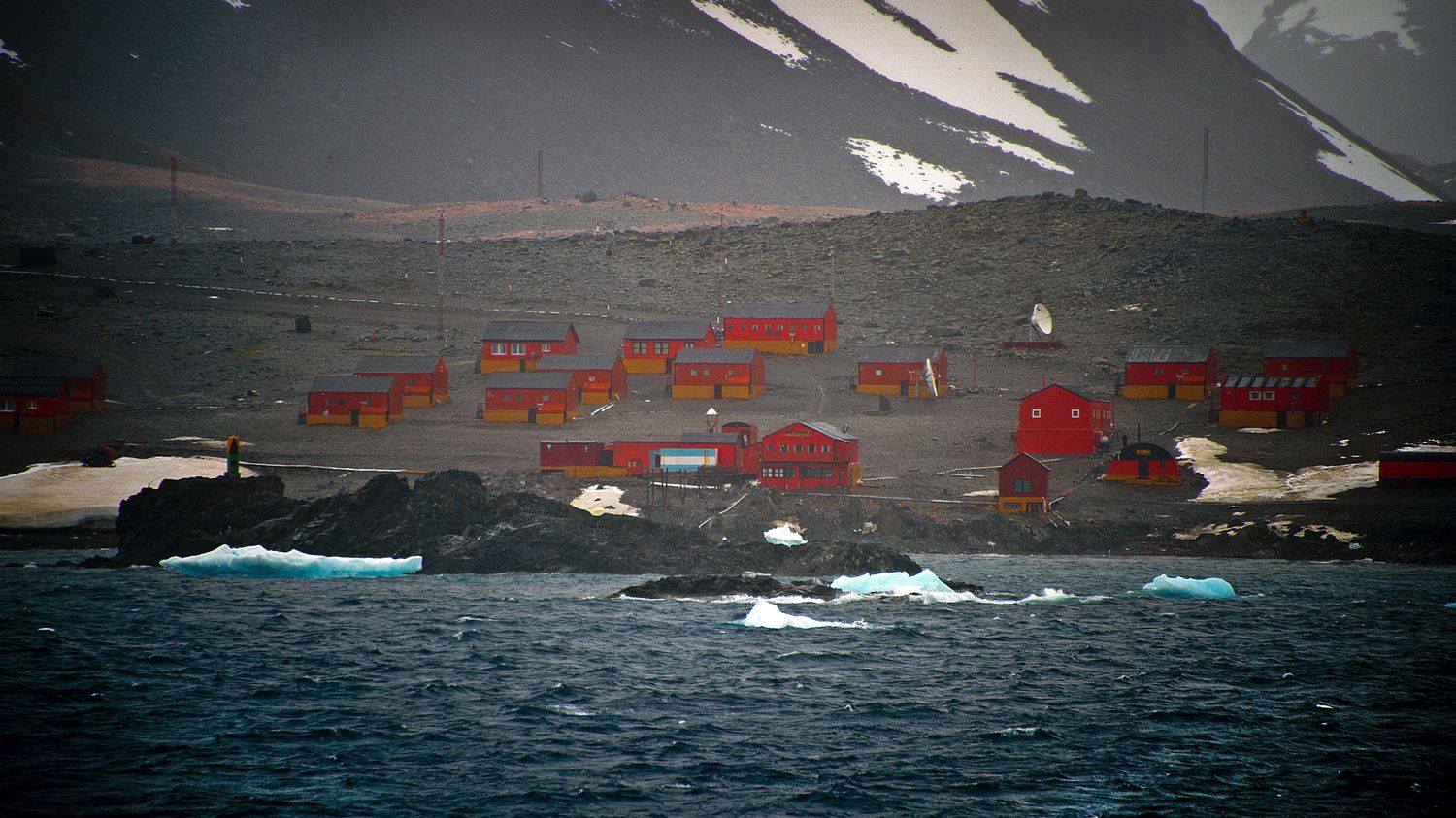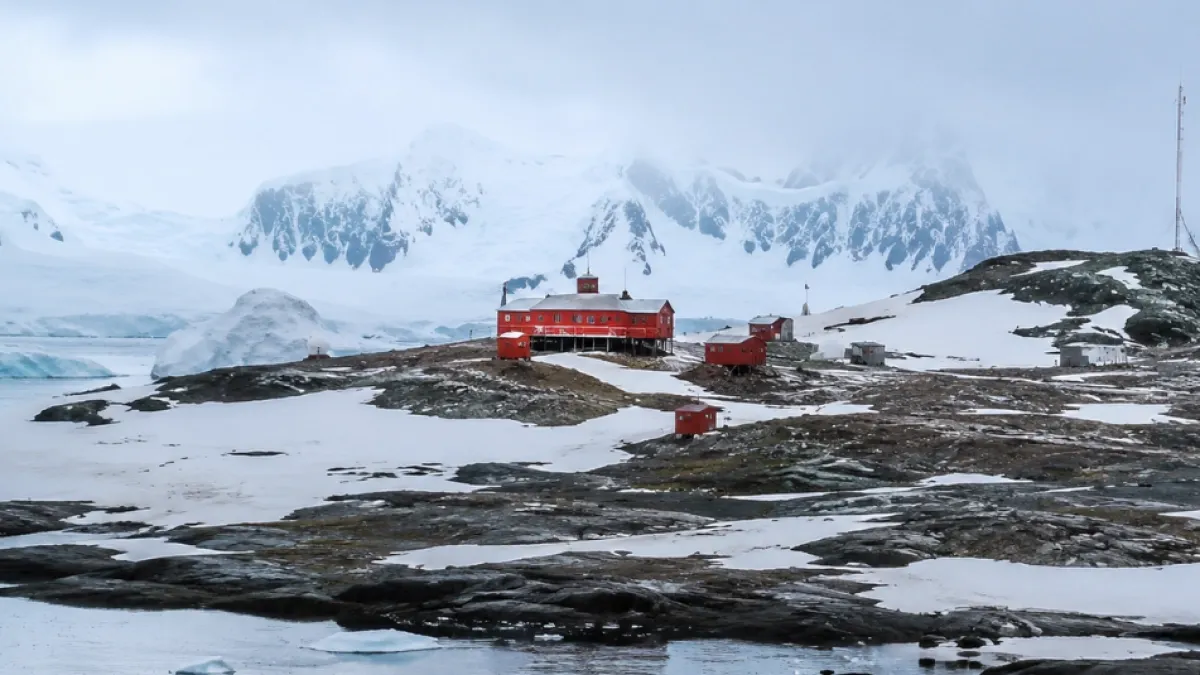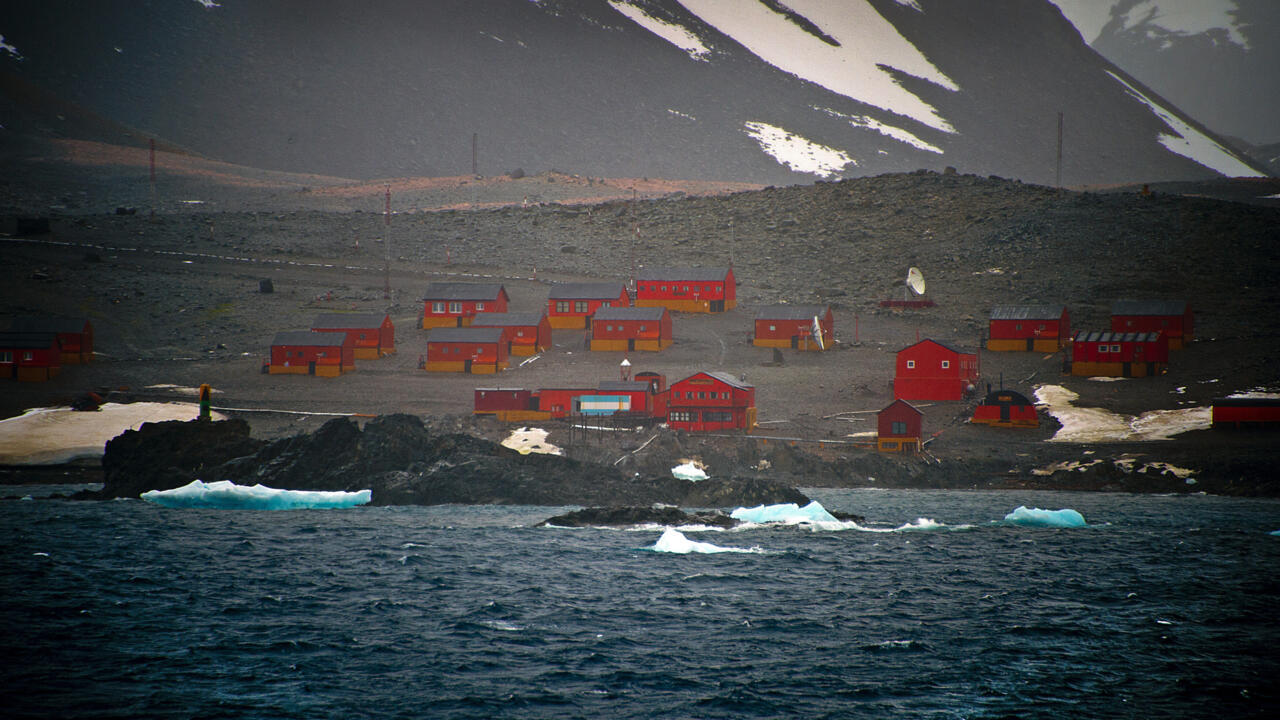
Earlier this month, Argentina's Esperanza research station on the Antarctic Peninsula recorded an unprecedented temperature of 15.4 C, more than 20 degrees above the seasonal norm and the highest June reading ever observed at the station. The anomaly, which has contributed to unusual ice melt and raised concerns about polar ecosystems, serves as a stark reminder that climate change is no longer a distant threat but an accelerating reality reshaping economies, ecosystems and societies worldwide.
According to the World Meteorological Organization, there is an 86 percent likelihood that between 2026 and 2030, at least one year will surpass 2024 as the hottest year on record, underscoring the accelerating pace of global warming.
Scientists also project a 91 percent likelihood that average global temperatures will exceed 1.5 C above pre-industrial levels during at least one of the next five years, increasing the likelihood of more frequent heat waves, floods, droughts and wildfires.
Yet amid these alarming projections lies an opportunity. The next five years could mark a turning point in humanity's response to climate change if governments, businesses and communities fully harness the power of artificial intelligence and green technologies. The challenge before us is not simply to understand climate risks, but to predict, manage and reduce them more effectively than ever before.