FOREST GUARDS AND INSECURITYIf well-trained and armed, the guards can make a difference
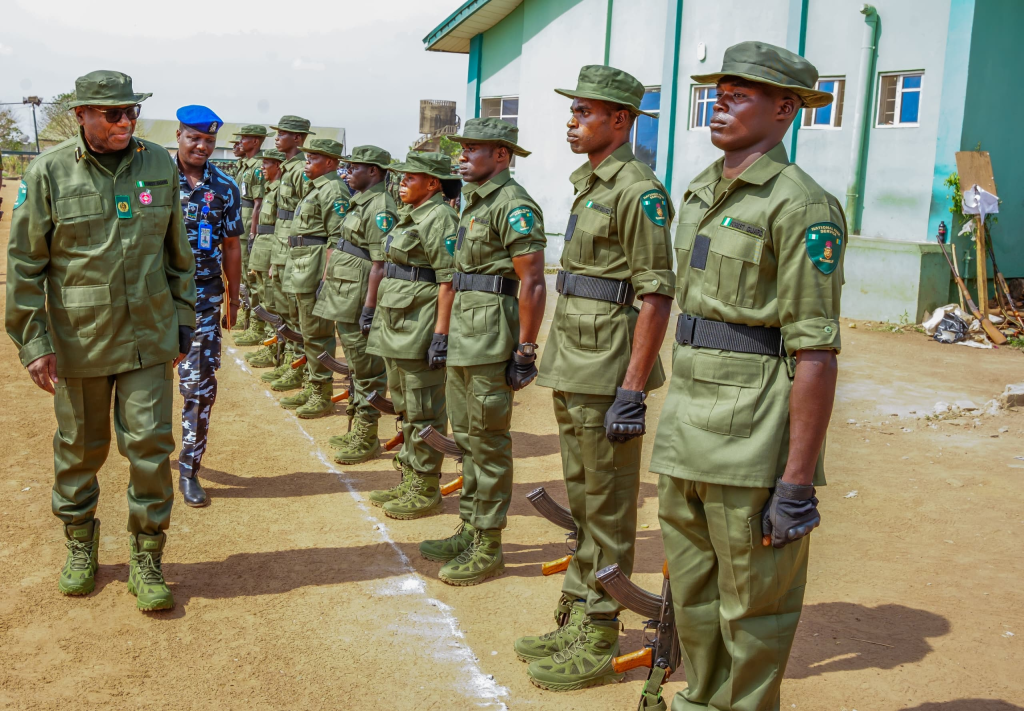
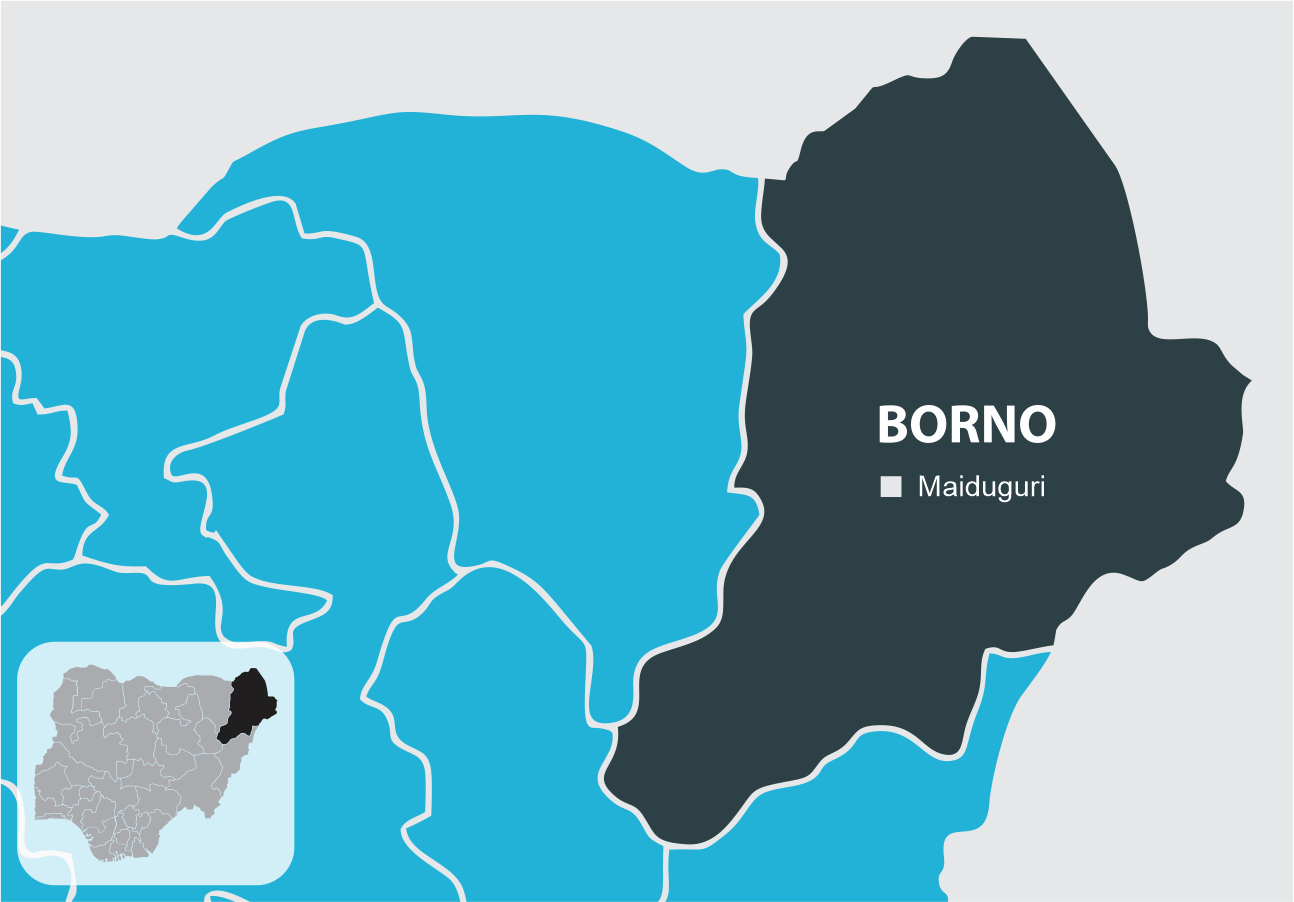
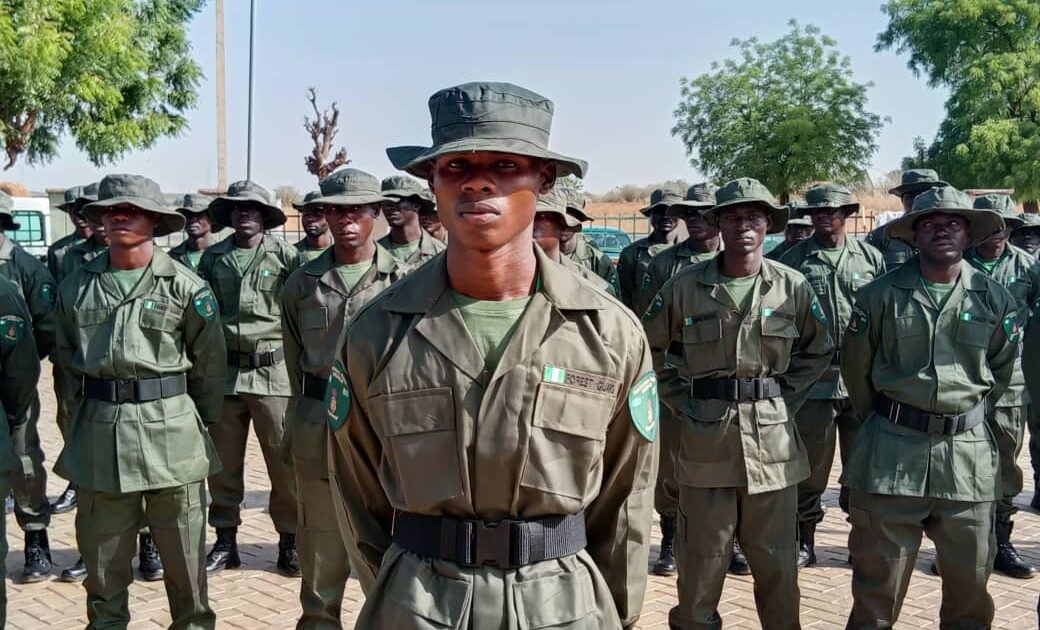
In response to deep security concerns associated with the country’s vast forests, President Bola Tinubu launched the Presidential Forest Guards Initiative barely a year ago. Some 7,000 trained guards were deployed across Northern states of Borno, Sokoto, Yobe, Adamawa, Niger, Kwara, and Kebbi to secure the forest reserves and flush out terrorists and kidnappers. Following a renewed wave of kidnappings involving over 80 schoolchildren and teachers in Borno and Oyo States, the President announced the recruitment and deployment of additional 1,000 forest guards to take out criminals from Oyo forests. But many are raising questions about the operational efficiency of these forest guards.
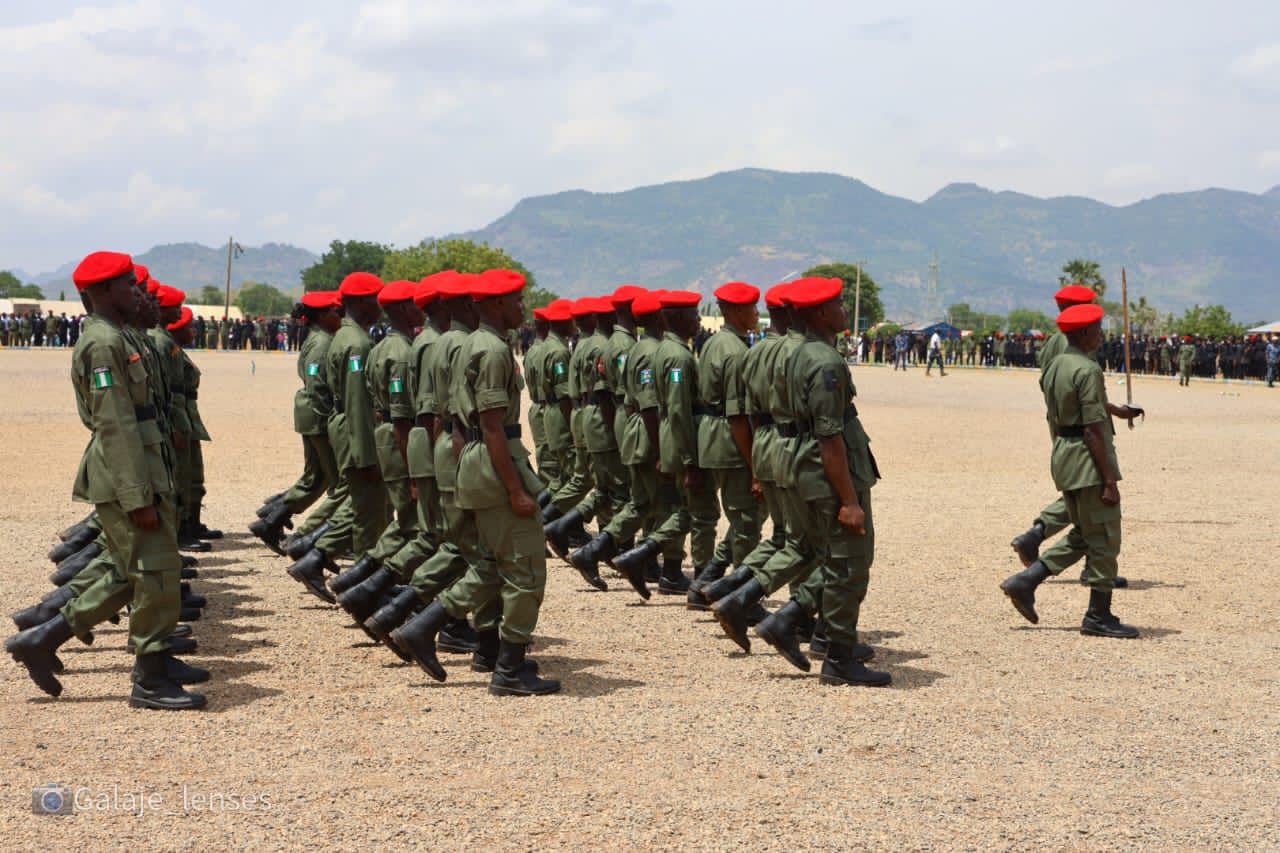
Established under the strategic direction of the National Security Adviser in collaboration with the Ministry of Environment, the Nigerian Forest Guard is essentially out to protect the forests from criminal activities. Unlike traditional forest rangers focused on conservation, the guards are supposed to be well-trained, armed and work in tandem with other security agencies including the Nigeria Security and Civil Defence Corps (NSCDC). “The forest guards are not merely individuals in uniform,” said the National Security Adviser Nuhu Ribadu at the graduation ceremony last December. “They serve as first responders, community protectors and crucial elements of Nigeria’s security framework. Their role will be pivotal in ensuring safety, gathering intelligence and assisting other security agencies in reclaiming territories seized by criminals.” To do this effectively, they are also required to collaborate with the Nigerian Hunter and Forest Security Service (NHFSS), renamed the Nigerian Forest Security Service (NFSS), to leverage knowledge of local hunters who are familiar with the local environment.