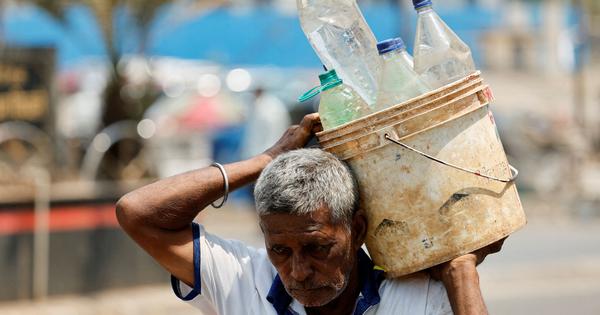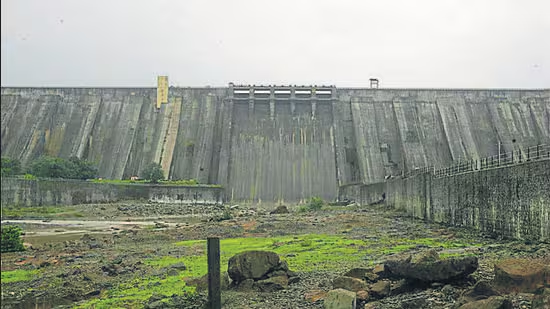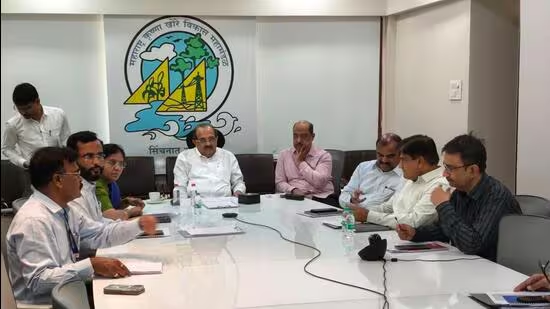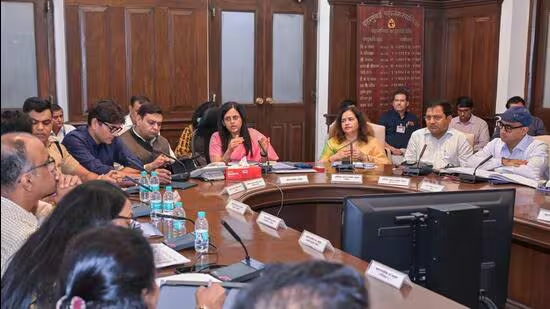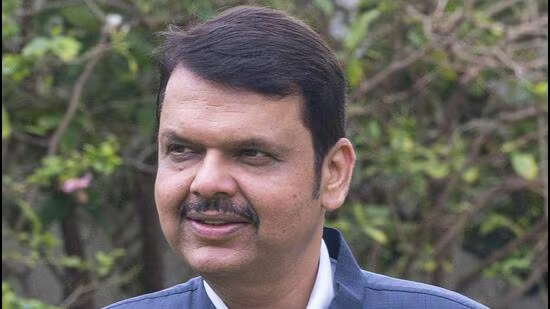
Mumbai: With water stock in dams across Maharashtra at just 24.41% and forecasters warning of a weak and delayed monsoon this year, chief minister Devendra Fadnavis on Tuesday directed officials to ensure uninterrupted drinking water supply across the state till August next year.CM Devendra Fadnavis (Hindustan Times)“We need to plan use of water in such a way that drinking water is available for people till August next year. This should be among our top priorities,” Fadnavis told officials during a cabinet meeting to review the state’s water situation, sources said.The directive came days after the state government barred the use of dam water for irrigation, with an eye on conserving drinking water until fresh inflows replenish reservoirs.While the statewide stock of dam water is currently 24.41%, Pune division has the lowest water reserve among all regions, at just 14.54%, significantly lower than the 28.28% around the same time last year.According to officials, Maharashtra received around 10% above-normal rainfall last year and is not currently facing acute shortage, except in a few places, although reservoir levels are declining rapidly. As the monsoon is already delayed and weather forecasts indicate below-normal rainfall, water availability could come under severe stress in the coming months, raising the possibility of acute shortages by the end of the summer in 2027, officials said.“Today’s directive was aimed at mitigating the impact of the expected rainfall deficit this year,” said an official, requesting not to be identified.Areas facing acute water shortage are being supplied drinking water via tankers, officials said. Of the 999 water tankers deployed across Maharashtra, 332 are in Marathwada while Chhatrapati Sambhajinagar (formerly Aurangabad) is the worst affected among districts, with 218 tankers deployed to provide drinking water to residents.Meanwhile, the state cabinet has approved the Maharashtra Rural Drinking Water Policy-2026, aimed at ensuring sustainable and long-term solutions for rural drinking water supply.The policy provides for a comprehensive framework for the operation and maintenance of schemes under Jal Jeevan Mission 2.0, along with integration of various rural water supply programmes under a unified structure.It also envisages short-, medium- and long-term planning to ensure equitable access to potable water, along with measures for water source rejuvenation, rainwater harvesting, wastewater reuse, and recycling. The policy further proposes strengthened digital monitoring systems, including GIS-based tracking and real-time dashboards for water supply and grievance redressal.
Take steps to ensure drinking water supply till August 2027: CM
The directive came days after the state government barred the use of dam water for irrigation, with an eye on conserving drinking water until fresh inflows replenish reservoirs | Mumbai news
386 words~2 min read