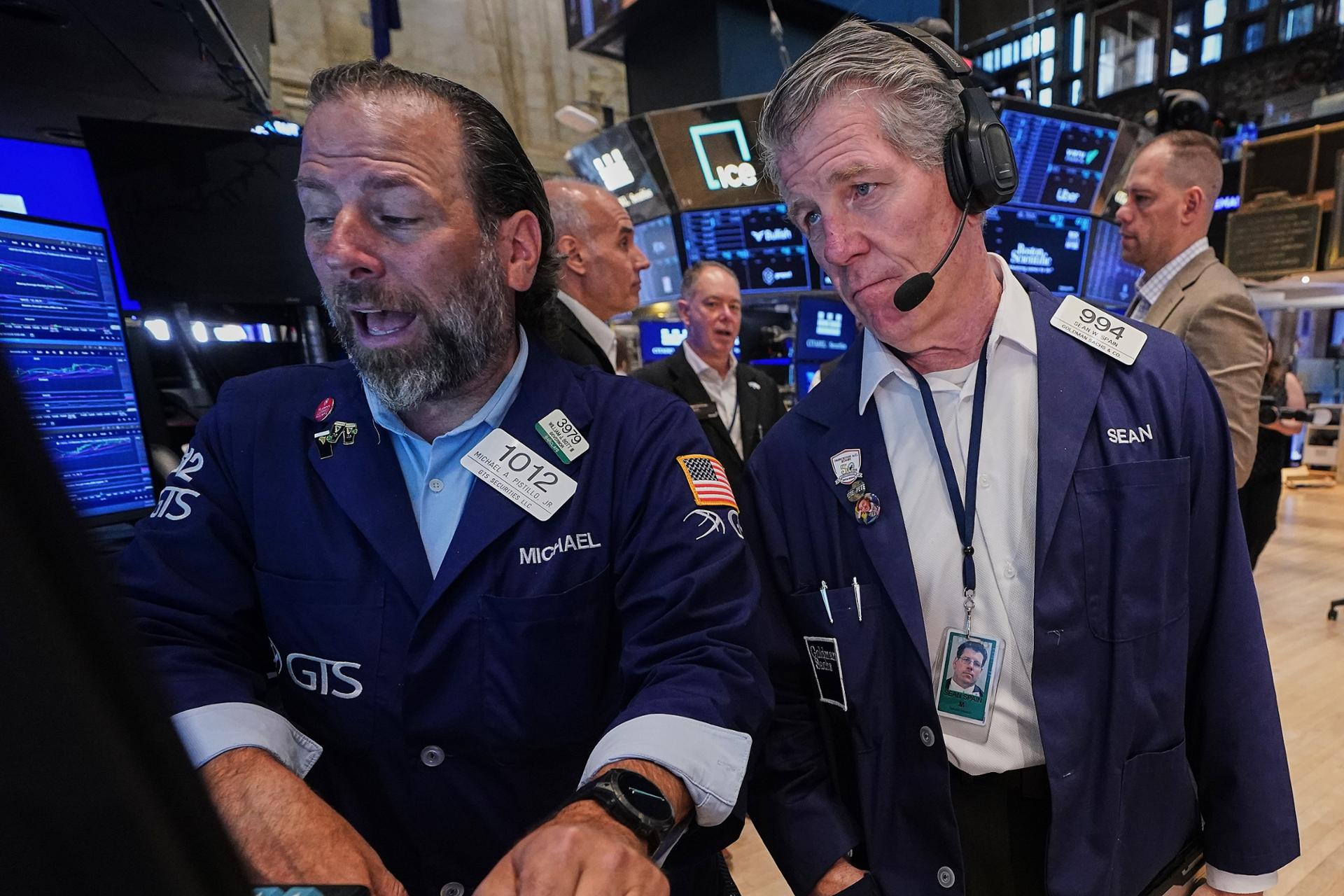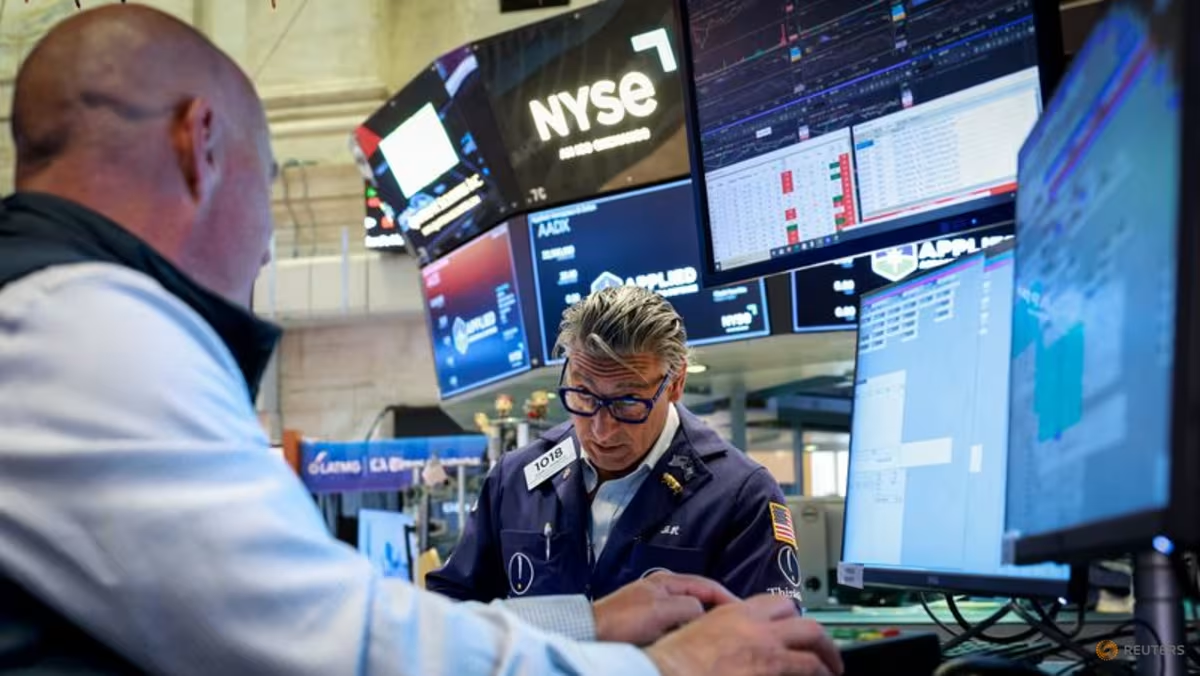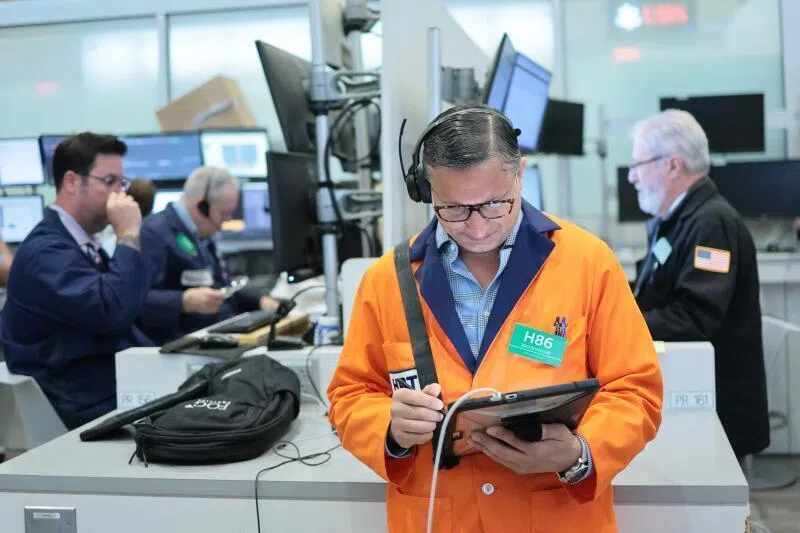
US stocks were mixed on Tuesday and the Nasdaq was the clear laggard as the recent pressure in Tech resumed, with the sector down around 2%, weighing on both the Nasdaq and S&P 500, and the Russell 2000 also saw notable selling pressure, while the Dow was the only major index that finished in positive territory, to extend on record levels. Sector performance was broadly positive outside of Technology, with Financials and Industrials leading gains and helping support the Dow, while the pressure in Tech comes after several sessions of profit-taking in AI-related names, and weakness in mega-cap and semiconductor names, outweighed the broader improvement in risk sentiment stemming from developments in the Middle East. Energy prices continued to slump in the wake of the US-Iran agreement, with further downside seen after reports that QatarEnergy expects to restore half of its LNG output within a month of the Strait of Hormuz reopening, and production is expected to reach 80% of capacity within two months. WSJ also reported that the US will allow Iran to immediately resume oil and fuel exports under the agreement, adding further pressure to the crude complex.USD was generally weaker against peers on Tuesday. Yields across the curve were lower amid the continued drop in oil as markets prepare for a return to pre-war Hormuz oil flows, starting from Friday. Fresh updates that added pressure to energy prices included Qatar reportedly to restore half of its LNG output a month after the Strait of Hormuz opens, and the US allowing Iran to sell oil/fuel immediately after the deal is signed. Outside of geopolitics, newsflow was light as the G7 summit ticks along. US housing starts sharply dropped 15.4% in May to a six-year low, weighed by higher mortgage rates. Meanwhile, import and export prices came in hotter-than-expected; USD was muted towards both data releases. As we await the US-Iran deal signing on Friday, the interim focus will be on Kevin Warsh's handling of the Fed in his first press conference as Chair. Expectations are for him not to participate in the dot plot and to lean dovish; however, an open-minded approach from Warsh would surprise markets and likely act as support for the dollar. The statement will likely see the Fed easing bias language removed and a lack of forward guidance.Looking ahead, highlights include New Zealand Current Account, Japanese Trade Data & Machinery Orders, Singapore Non-Oil Exports, Australian MI Leading Index, Comments from RBA Assistant Governor Jones, Supply from Australia.More Newsquawk in 2 steps:1. Subscribe to the free premarket movers reports2. Trial Newsquawk’s premium real-time audio news squawk box for 7 daysLOOKING AHEADHighlights include New Zealand Current Account, Japanese Trade Data & Machinery Orders, Singapore Non-Oil Exports, Australian MI Leading Index, Comments from RBA Assistant Governor Jones, Supply from Australia.Click for the Newsquawk Week Ahead.IRAN CONFLICTUS President Trump said the Iran deal should be successful and stated that the deal is fair, and a good deal, while they are not investing any money in Iran. Trump commented that the Iran deal goes to a second stage, which will be easier than the first, as well as stated that Iran will never have a nuclear weapon and warned Iran will suffer if it tries to attain a nuclear weapon. Furthermore, he said that the deal can survive even if Israel attacks Lebanon.US President Trump said ships are starting to move through Hormuz and will be fully open by Friday, while oil prices are coming down rapidly and he thinks the second stage of talks will happen on time. Trump also said they will release the text of the Iran agreement in a formal setting and wants a formal signing to occur before the document is released.US President Trump is reportedly considering firing senior officials who opposed the nuclear agreement with Iran, among them War Secretary Hegseth and CIA Director Ratcliffe, according to Israel's Hayom.US VP Vance told Fox that Iran is entering a 60-day test period under US President Trump's agreement to reopen the Strait of Hormuz, arguing Tehran must show through its actions that it has abandoned nuclear weapons development and support for terrorism. Vance said Iran has “two pathways”: either behave like a “normal country” and receive benefits such as sanctions relief and renewed international ties, or attempt to rebuild its nuclear program and continue backing terrorism, forfeiting any benefits under the deal.US will allow Iran to immediately begin selling oil and fuel under the deal to end the war, offering Tehran an early financial incentive to wind down the conflict, according to WSJ citing sources. Furthermore, a source said that the provision for waivers of sanctions on oil sales takes effect immediately upon the signing of the agreement this week and also covers necessary services, including banking, transportation and insurance to facilitate the sales.US senior official said Iran can sell oil/fuel immediately after a deal is signed, but can only sell oil if they abide by all the points agreed to, including not interfering with the free flow of navigation in the Strait of Hormuz and not obtaining a nuclear weapon.US intel agencies have recently assessed that Iran can effectively turn the Strait of Hormuz on and off, at will, going forward, according to CNN reports citing sources.US-Iran framework agreement includes plans for USD 300bln private fund to trigger investment in Iran, according to Reuters citing sources. The fund will only become operational when the final deal is signed, while it is a private vehicle with no government money and separate from negotiations over Iranian sovereign assets frozen abroad. Furthermore, it has already been secured in commitments from companies in the US, Gulf Arab States, Asia, South America and Africa.Iranian blockade of shipping ports along the Strait of Hormuz has been eased, with a small number of vessels allowed to pass before the formal signing of the US-Iran agreement, Iran’s Deputy Foreign Minister told IRIB.Iran has pledged to remove all mines and obstacles from the Strait of Hormuz, while the negotiations for a final agreement between America and Iran can be extended by mutual consent, according to Al Arabiya. However, sources close to the Iranian negotiating team denied the claims of Al Arabiya news network regarding the text of the memorandum of understanding between Iran and the United States.Head of the National Security Commission of the Iranian Parliament warned that any breach of commitment or departure from the main framework of the understanding will cause the Iranian armed forces to respond more forcefully than in the past.Tasnim cited intelligence assessment in the US which stated that Iran may launch a surprise attack on Israel without prior warning following Israel's attacks in Lebanon.Foreign Ministers of Iran and Oman reaffirmed a commitment to international law, with regard to the passage of vessels through the Strait of Hormuz.Iran and Oman are already talking about how they will manage the Strait of Hormuz, as laid out in one of the reported points. They want to charge a "fee" for the management "services," a regional source told NYP, although it is unclear whether that would be possible after the US rejected tolling.Iran’s top joint military command said Israel should expect a hard response from the Iranian Armed Forces if it doesn’t stop its attacks on southern Lebanon.Israeli PM Netanyahu said with or without an agreement, as long as he is PM of Israel, Iran will not have nuclear weapons.IDF is prepared to stay for a significant period, subject to the instructions of the political echelon, according to Kann News citing security sources, while it was said that despite the agreement, the attacks in southern Lebanon do not stop, in parallel with the firing in the north.Israel asked to see the US-Iran MoU but was refused, according to N12 reporter.Hezbollah said it received promises from Iran that it will not sign a final nuclear deal with the US, unless Israel withdraws from Lebanon.Drone attack hit the Iranian opposition camp east of Iraq’s Erbil, according to Reuters, citing security sources.US TRADEUS stocks were mixed on Tuesday and the Nasdaq was the clear laggard as the recent pressure in Tech resumed, with the sector down around 2%, weighing on both the Nasdaq and S&P 500, and the Russell 2000 also saw notable selling pressure, while the Dow was the only major index that finished in positive territory, to extend on record levels. Sector performance was broadly positive outside of Technology, with Financials and Industrials leading gains and helping support the Dow, while the pressure in Tech comes after several sessions of profit-taking in AI-related names, and weakness in mega-cap and semiconductor names, outweighed the broader improvement in risk sentiment stemming from developments in the Middle East.
US stocks finished mixed with nearly all major indices in the red amid tech weakness, although the Dow bucked the trend and extended on record levels - Newsquawk Daily Asia-Pac Market Open
Energy stocks were pressured as oil continued to tumble amid prospects of returning supply, while SpaceX extended its post-IPO rally and surpassed Amazon as the fifth most valuable company.
2,803 words~13 min read