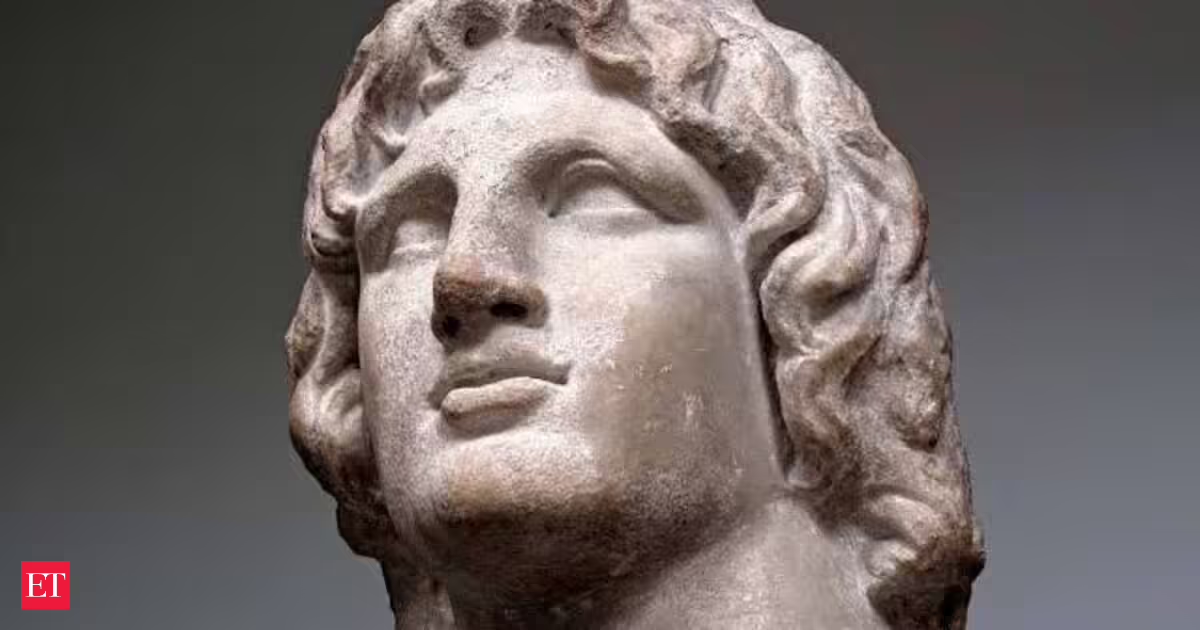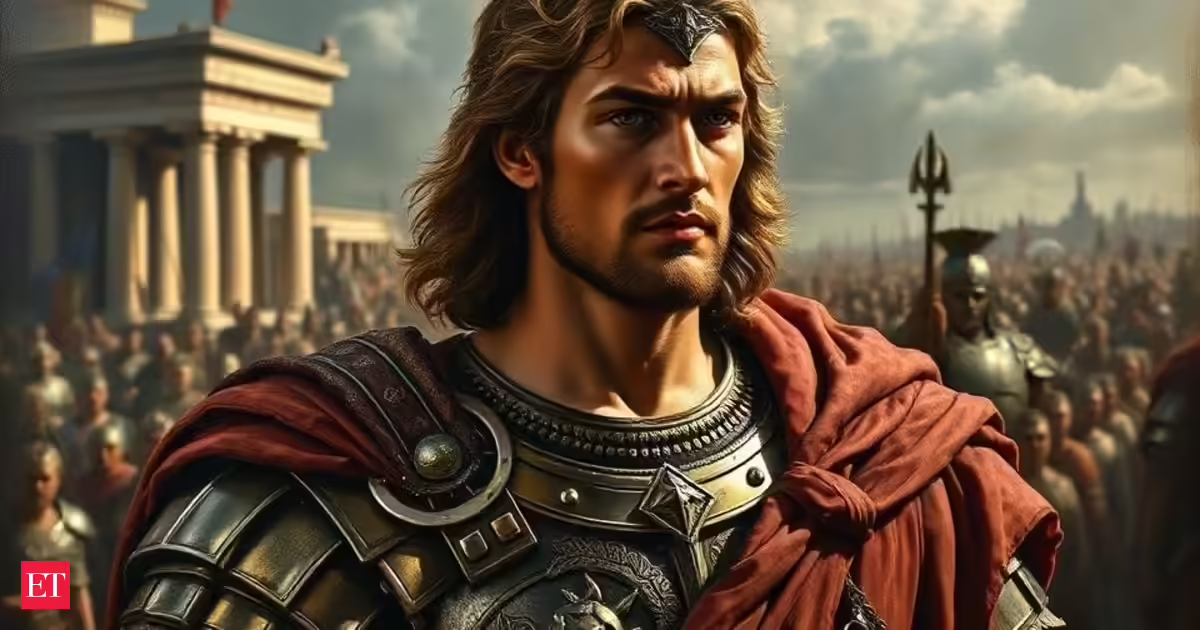
Quote of the Day by Alexander the Great continues to attract attention because of its message about human behavior, consequences, and conflict. The quote states, “May God keep you away from the venom of the cobra, the teeth of the tiger, and the revenge of the Afghans.” While historians note that there is no confirmed evidence that Alexander the Great actually said these words, the proverb has become part of regional folklore and cultural discussions. The saying compares natural threats with human retaliation and explains how disrespect, oppression, and conflict can create lasting consequences. The message remains relevant in modern society, workplaces, communities, and international relations.The quote is, “May God keep you away from the venom of the cobra, the teeth of the tiger, and the revenge of the Afghans.” Understanding the Meaning Behind the Famous QuoteThe quote compares three forms of danger. The venom of a cobra represents a sudden threat. The teeth of a tiger represent physical danger and force. The revenge of the Afghans symbolizes retaliation from people who feel wronged, invaded, or disrespected.According to historical discussions, the saying is widely regarded as an Afghan or Pashtun tribal proverb rather than a statement directly recorded from Alexander the Great. However, the quote has survived because of the lesson it carries.You Might Also Like:The central message is that human retaliation can sometimes be more difficult to predict than natural dangers. When people feel oppressed or attacked, they may continue resisting for long periods.Quote of the Day by Alexander the Great and the Importance of ConsequencesOne of the strongest lessons from this proverb concerns consequences. The cobra and tiger represent dangers that people can identify and understand. Human reactions, however, can develop over time. When individuals or groups feel that they have been treated unfairly, the response may continue long after the original conflict.This lesson applies to everyday life. Actions often create consequences. Words, decisions, and behavior can affect relationships, workplaces, families, and communities. The proverb reminds people to think carefully before acting because consequences often return in unexpected ways.You Might Also Like:Why People Should Never Underestimate the Underdog?Another lesson focuses on the danger of underestimating others. During Alexander's campaigns in Central Asia and regions connected to modern Afghanistan, local fighters resisted some of the most powerful military forces of the ancient world. Their knowledge of the terrain and determination to defend their homeland created challenges even for a successful conqueror.The proverb reflects this historical reputation. People who appear weaker in terms of resources, status, or influence may possess determination, resilience, and commitment that others fail to recognize. In daily life, this lesson can apply to competition, education, careers, business, and personal relationships. Success often belongs to those who refuse to give up despite difficult circumstances.The Value of Diplomacy Over ConflictThe quote of the day also highlights the importance of diplomacy. The saying suggests that creating enemies can become more dangerous than facing natural obstacles. Conflict often grows when communication breaks down and respect disappears.Diplomacy does not simply mean political negotiation. It also means listening, understanding different perspectives, and resolving disagreements before they become larger problems. Many personal disputes, workplace disagreements, and social conflicts can be reduced through communication and mutual respect. The proverb encourages people to seek solutions rather than create lasting hostility.You Might Also Like:Historical Background of Alexander the GreatAlexander the Great, also known as Alexander III of Macedonia, was born in 356 BCE in Pella, Macedonia. He was the son of King Philip II and Olympias. From a young age, he received education from the philosopher Aristotle. After becoming king in 336 BCE, Alexander launched military campaigns that expanded his empire across Persia, Egypt, Central Asia, and parts of India. His victories at battles such as Granicus, Issus, and Gaugamela helped establish one of the largest empires of the ancient world.He founded several cities, including Alexandria in Egypt. His campaigns connected different cultures and contributed to the spread of Greek influence across large regions. Alexander died in Babylon on June 13, 323 BCE, at the age of 32. After his death, his empire was divided among his generals, and separate kingdoms emerged. Although the authenticity of this quote remains debated, its association with Alexander reflects the challenges he encountered while campaigning in regions known for resistance and independence.Relevance of the Quote by Alexander the Great in Modern TimesThe message of this proverb remains useful today.In business, leaders must understand the consequences of decisions affecting employees and customers.In relationships, respect and communication help prevent conflict.In society, understanding different viewpoints can reduce tension and encourage cooperation.In international affairs, diplomacy often produces better outcomes than confrontation.The quote reminds people that actions create reactions. Respecting others, understanding consequences, and avoiding unnecessary conflict can help prevent long-term problems.Life Lessons from the QuoteRespect ConsequencesEvery action produces a result. Decisions made today can influence future outcomes.Never Underestimate OthersPeople often possess strength and determination that may not be visible at first.Choose DiplomacyCommunication and understanding can prevent conflicts from becoming larger disputes.Respect BoundariesIgnoring personal, social, or cultural boundaries can create resentment and resistance.Learn from HistoryHistorical experiences show that force alone does not guarantee lasting success.Value EmpathyUnderstanding another person's perspective can help build stronger relationships and reduce conflict.
Quote of the day by Alexander the Great: 'May God keep you away from the venom of the cobra, the teeth of the tiger, and the revenge of...' Life lessons on consequences, diplomacy, conflict, threats, oppression, disrespect and why one should never underestimate the underdog
Quote of the Day by Alexander the Great highlights the importance of understanding consequences, respecting people, avoiding conflict, and never underestimating the determination of others. The quote, often linked to Alexander the Great, compares natural dangers with human retaliation and explains why diplomacy, empathy, and respect can prevent long-term disputes. Its message remains relevant in personal, social, and professional life.
862 words~4 min read