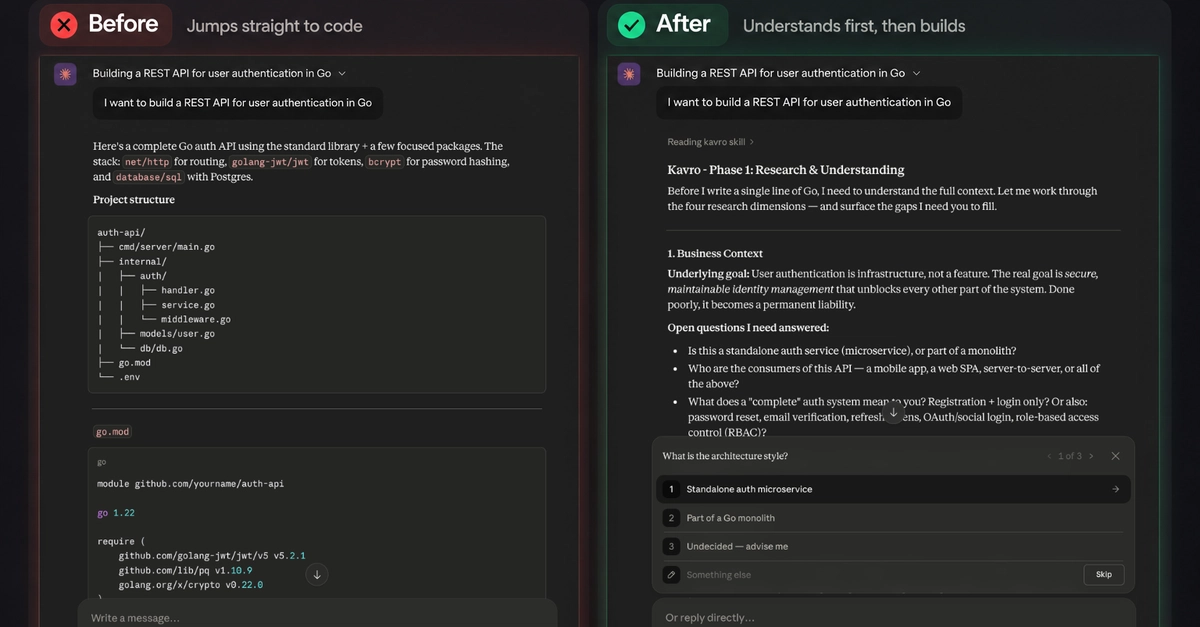
The promise of agentic AI coding was a tireless partner, an assistant that could take a feature request and run with it while we focused on the hard problems.
The reality, for most professional engineering teams, has been different. The reality is a brilliant but distractible intern you have to constantly supervise. The reality is spending 20 minutes writing the "perfect prompt," only for the AI to ignore a critical constraint, use a deprecated pattern from your codebase, and confidently break three other features.
The reality is the "babysitting tax." It's the cognitive overhead of constantly reviewing, reverting, and re-explaining. And it's negating the incredible potential of these tools.
At BrainGrid, we believe the problem isn't the agent—it's the plan. Or the lack thereof. In our rush to generate code, we've skipped the most critical step: creating a shared, deep, and unambiguous understanding of what we're actually building.
"Vibe coding" doesn't work in a multi-tenant system where permissions are non-negotiable, or at least not with peace of mind. It doesn't work in a complex fintech application where money is on the line. And it certainly doesn't work in a four-year-old codebase with layers of tech debt and unwritten rules.