More than 1 in 10 adults in the United States believe they had a substance use problem at some point, according to the Substance Abuse and Mental Health Services Administration. Among these adults, more than 7 in 10 considered themselves to be in recovery. An increasingly common way people support their recovery is by visiting recovery community centers (RCCs), which have emerged across the country and in Pennsylvania.
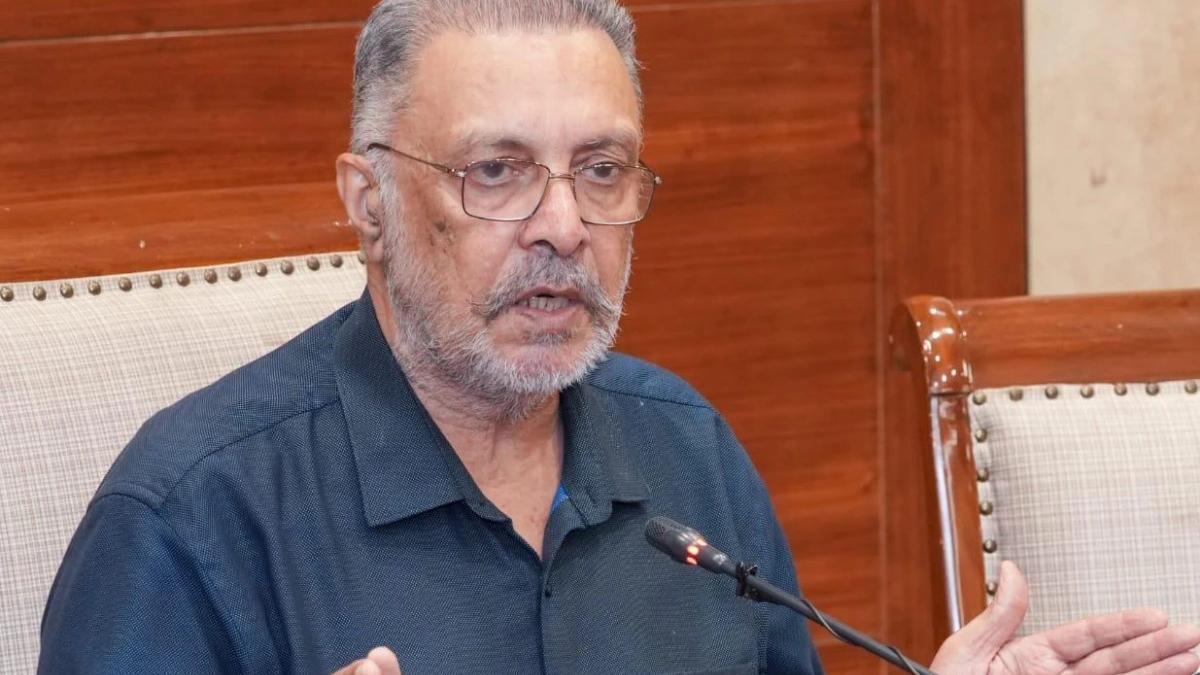
RCCs provide support for people who are building and trying to maintain recovery. Hobart "Bo" Cleveland, professor of human development and family studies at Penn State, studies the benefits of RCCs and their effects on maintaining recovery. He has published dozens of papers on RCCs and similar organizations over his 20-year career. In 2021, he was appointed to the Pennsylvania Department of Drug and Alcohol Programs' Recovery Rising initiative, a six-month initiative that worked to foster a resilient, diverse and accessible recovery framework in the state.
In the Q&A below, Cleveland discussed RCCs, including what they are, how they help and his hopes for the future of recovery in Pennsylvania.
Why are recovery community centers becoming more common?
When people leave treatment or otherwise try to start recovery, it's a very difficult and daunting process. There are huge differences between individuals in the amount of support and resources they have access to that will help them maintain recovery. RCCs help level this playing field so that everyone in recovery can have a supportive, understanding peer group in their lives and have opportunities to build other resources that can support their recovery.