Chronic stress, the prolonged exposure to psychological and/or physical strain, is known to be a risk factor for depression, anxiety and some other psychiatric disorders. Past studies suggest that chronic stress disrupts the integrity of myelin, a fatty insulating layer that surrounds nerve fibers and helps electrical signals travel efficiently between brain cells.
Identifying lifestyle changes that can reverse or diminish the adverse effects of chronic stress on the brain could be advantageous, as they could potentially help prevent or delay the onset of various psychiatric conditions. Recently, some researchers have been exploring the potential brain benefits of intermittent fasting (IF), a dietary pattern that entails alternating between set periods of eating and fasting.
Past findings suggest that IF can improve people's metabolism and help reduce inflammation, the body's natural response to disease or injury. Yet its effects on people's mental health and well-being have not yet been clearly determined.
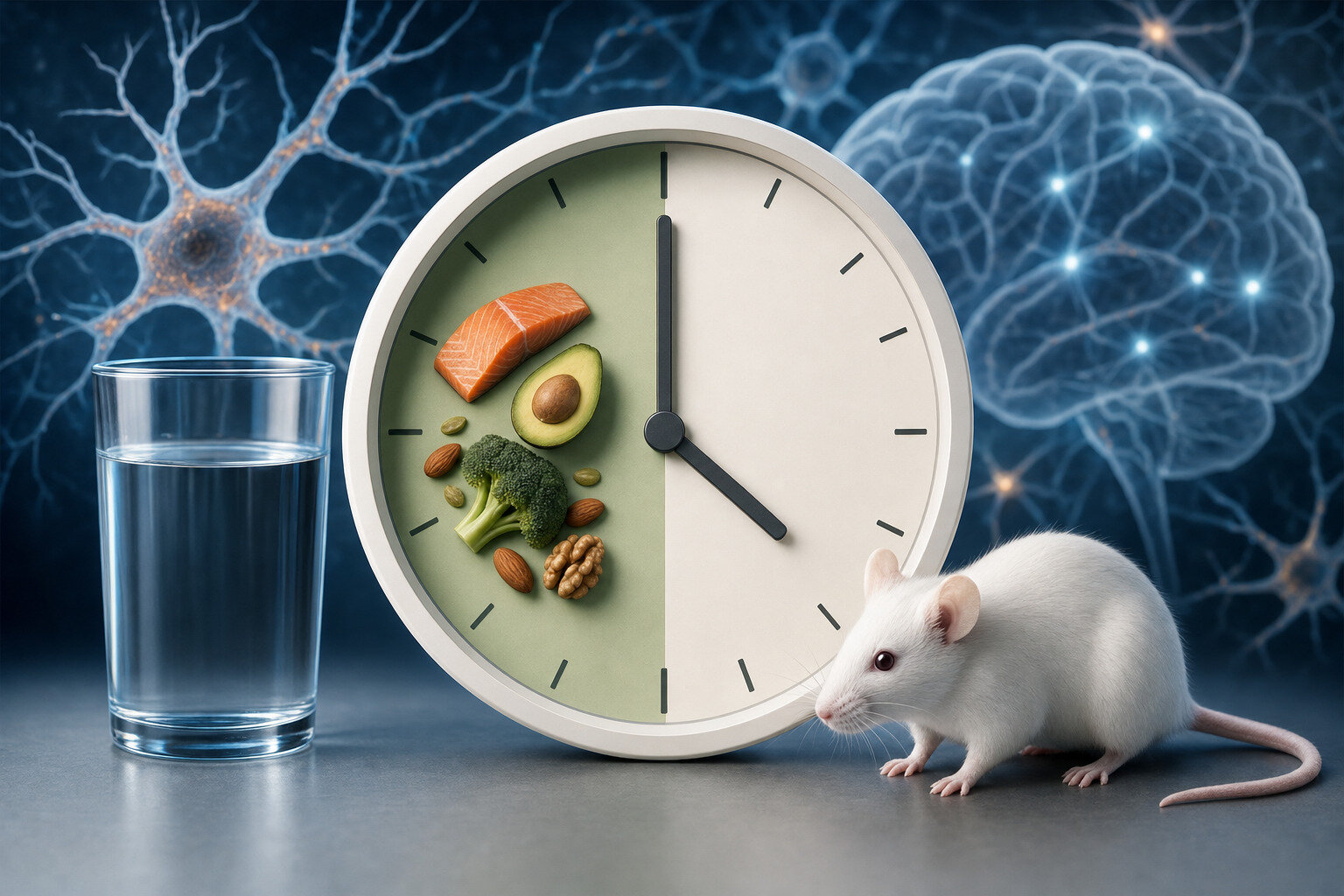
Researchers at Chiba University Center for Forensic Mental Health and the First Affiliated Hospital of Zhengzhou University recently looked at how IF influenced the mood, energy levels, behaviors and brains of mice that were exposed to stressors for a prolonged time. Their findings, published in Translational Psychiatry, suggest that this dietary intervention could reverse stress-induced myelin damage and reduce depression-like behaviors by boosting the diversity of bacteria in the gut.