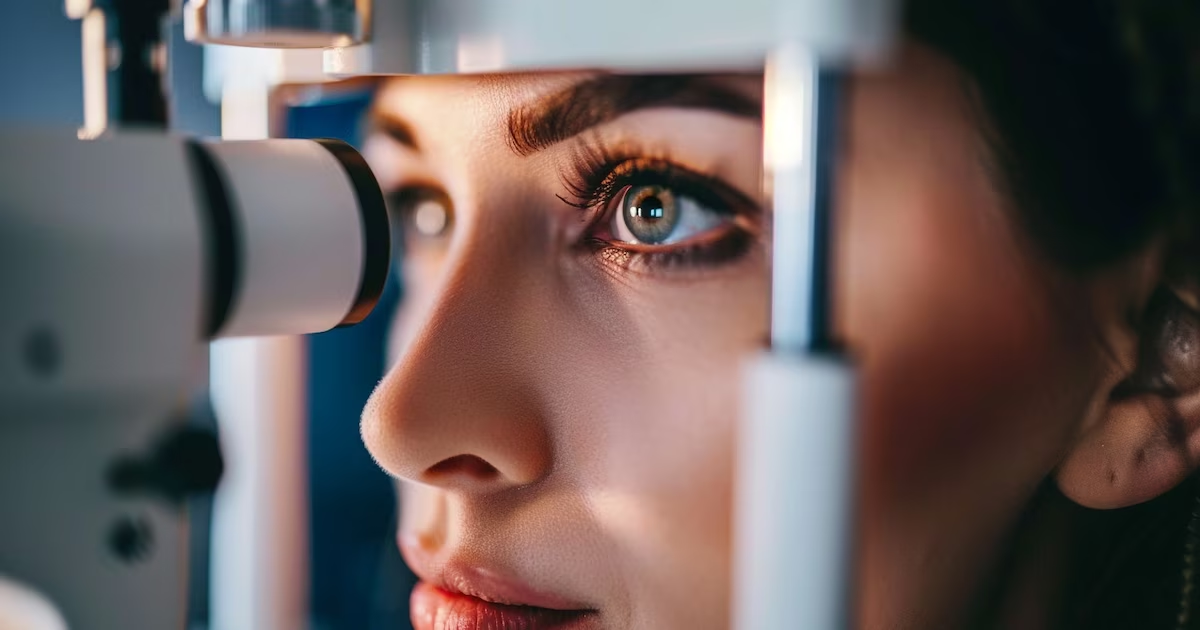
Often called "the window to the soul," the eyes may also offer clues about something less poetic but just as important: the health of the brain. A new study of tens of thousands of patients has revealed that cheap, simple and common photographs of the retina at the back of the eye can accurately predict many of the most common risk factors associated with developing Alzheimer's disease.
"We know that Alzheimer's disease develops over decades, but most of the diagnostic tools focus on late-stage pathology when it is too late to intervene," said Ruogu Fang, Ph.D., a professor of biomedical engineering at the University of Florida who led the new study. "By looking at novel biomarkers, like retinal health, we offer new opportunities to identify patients at risk, offer appropriate tests and encourage them to develop healthy lifestyles to mitigate their risk."
Fang and her collaborators, including UF's Adam Woods, Ph.D., and Meta researcher Yunchao Yang, Ph.D., have published their findings in the Journal of Alzheimer's Disease.
Why retinal scans stand out
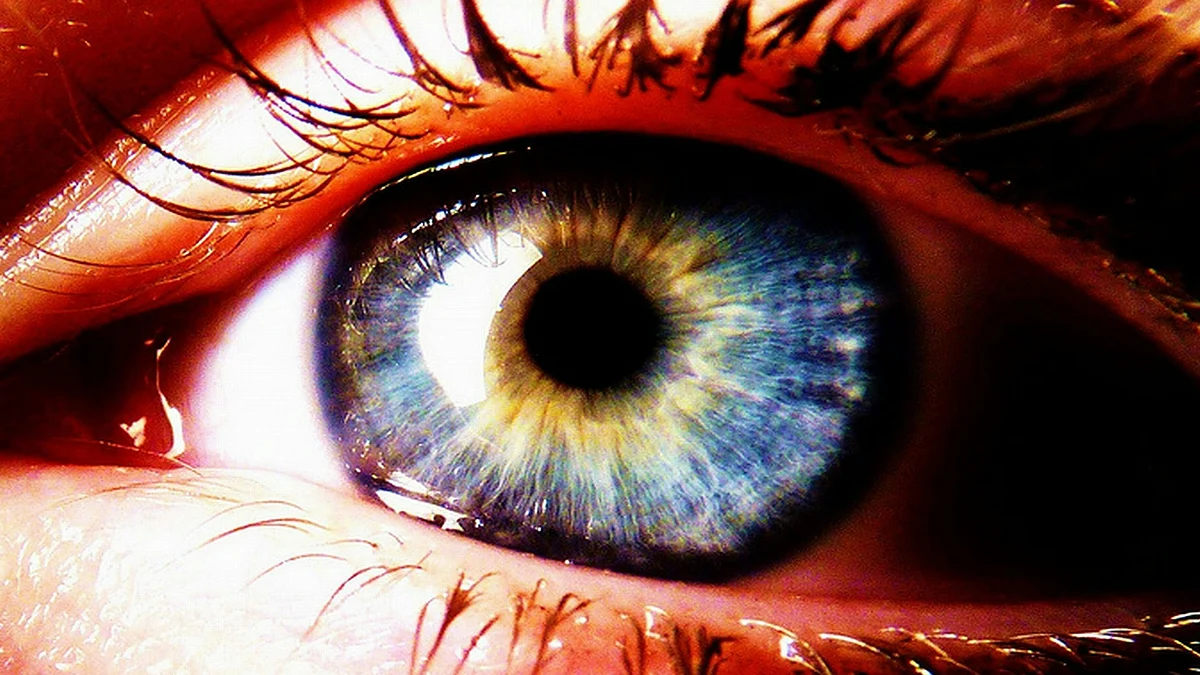
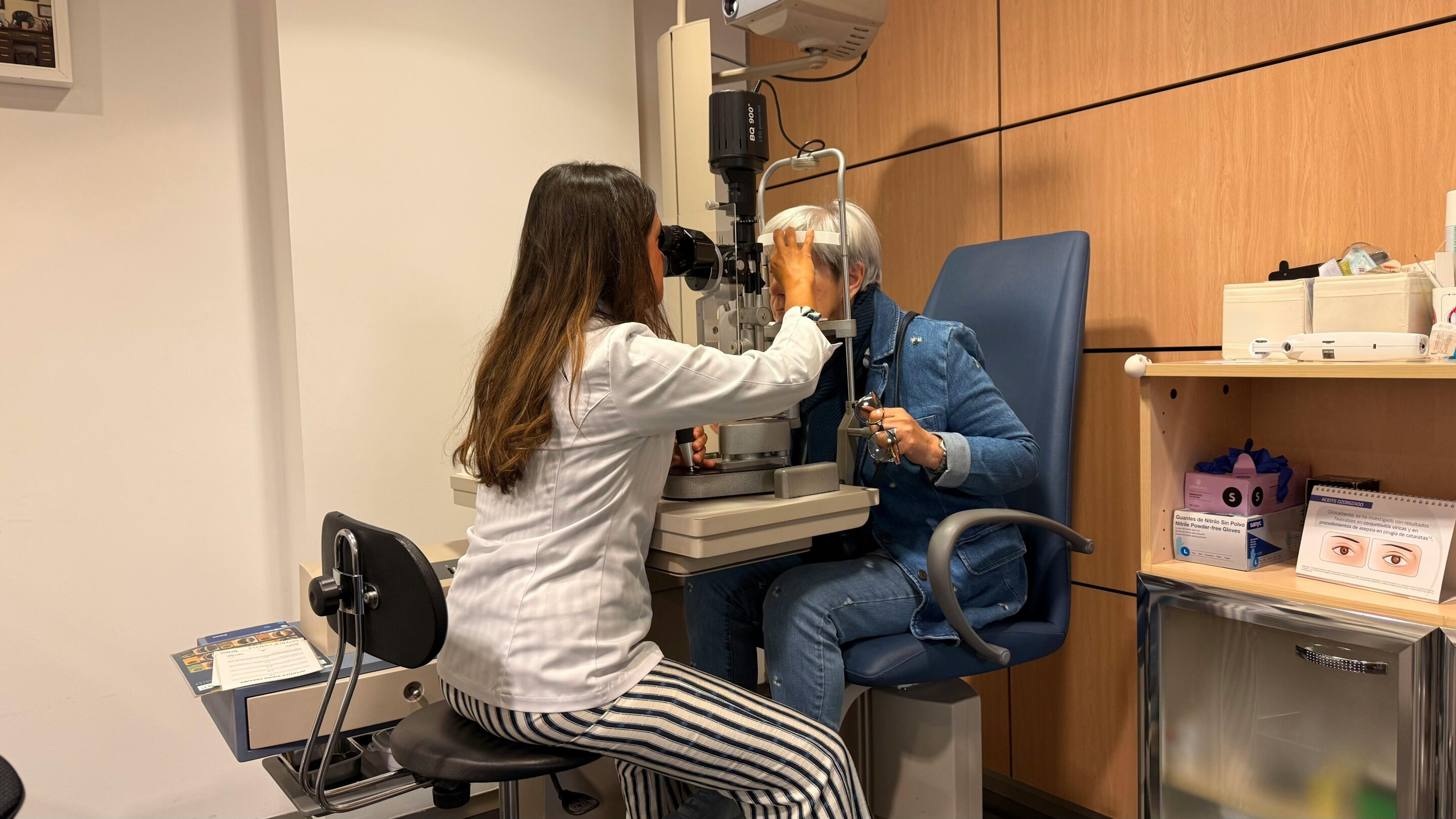
Many patients routinely have pictures of their eyes taken. Those with diabetes, glaucoma or cataracts will have many retinal photographs taken over the years. Even regular eye exams for prescription glasses can capture photos. That near-ubiquity makes analyzing retinal photographs simple and low-cost compared with other, more expensive technologies like MRIs.