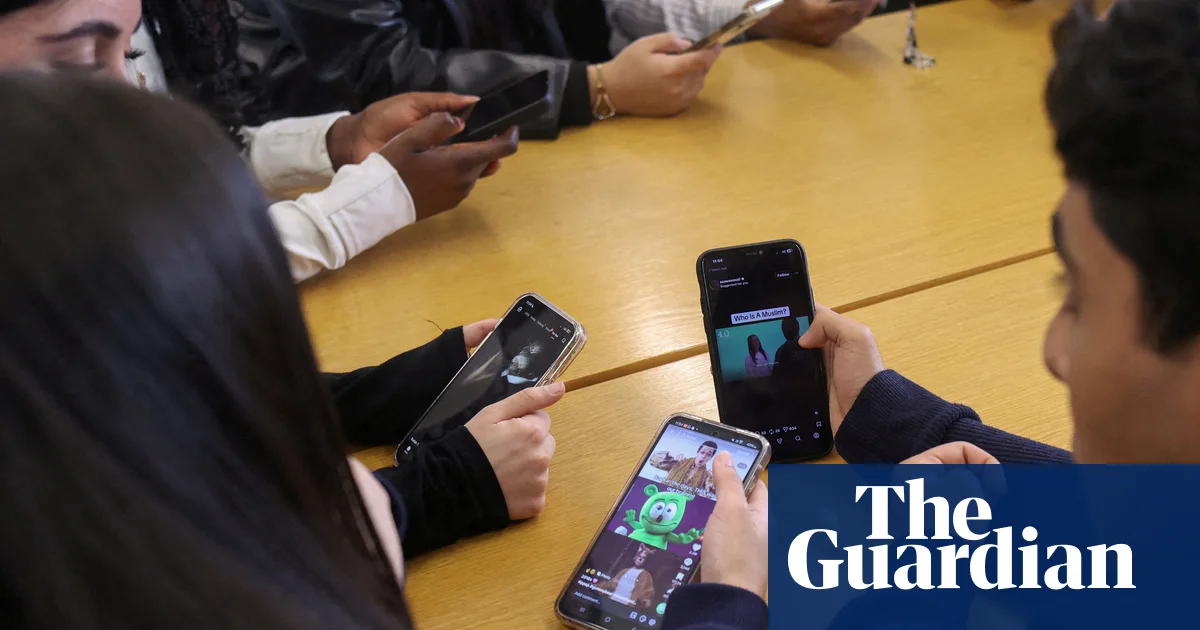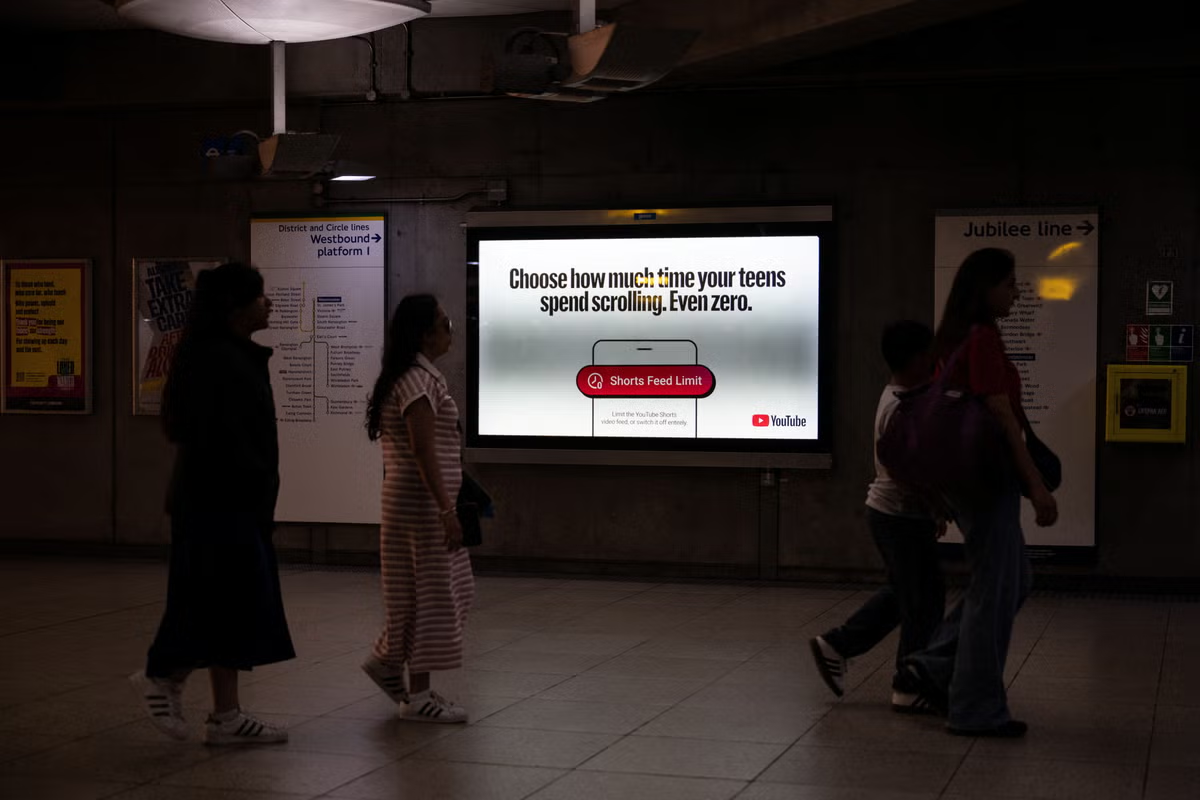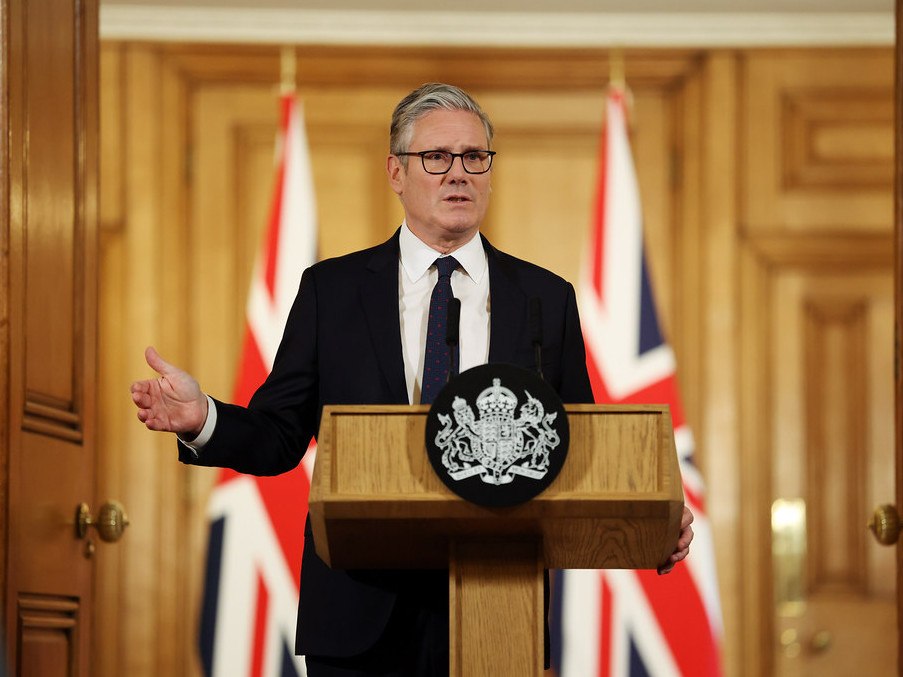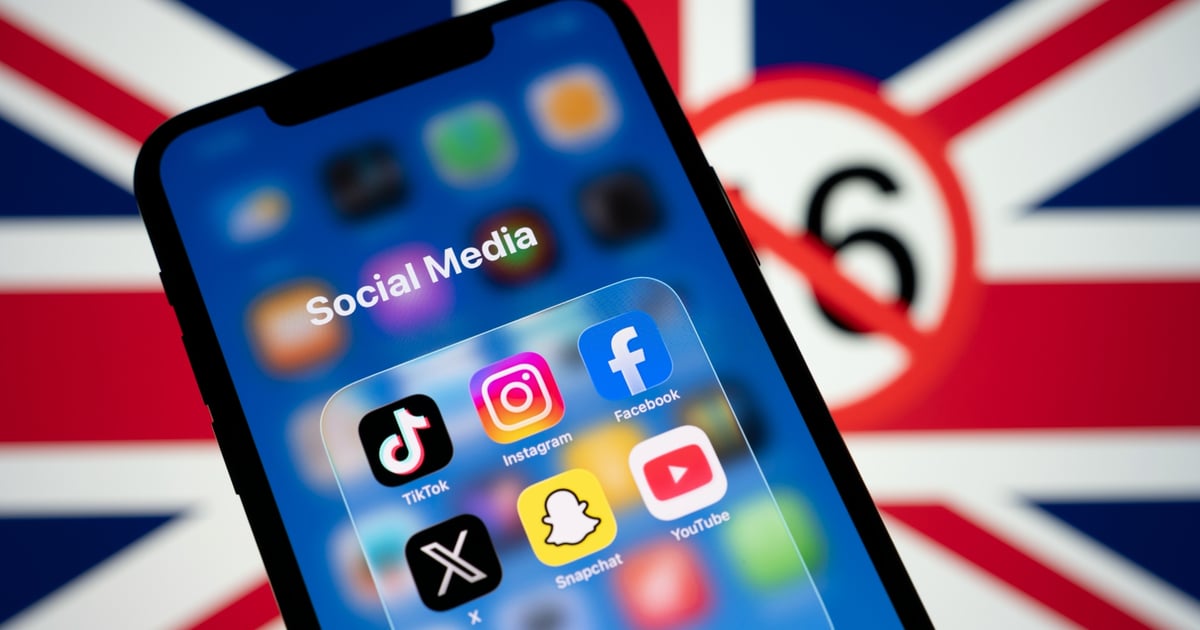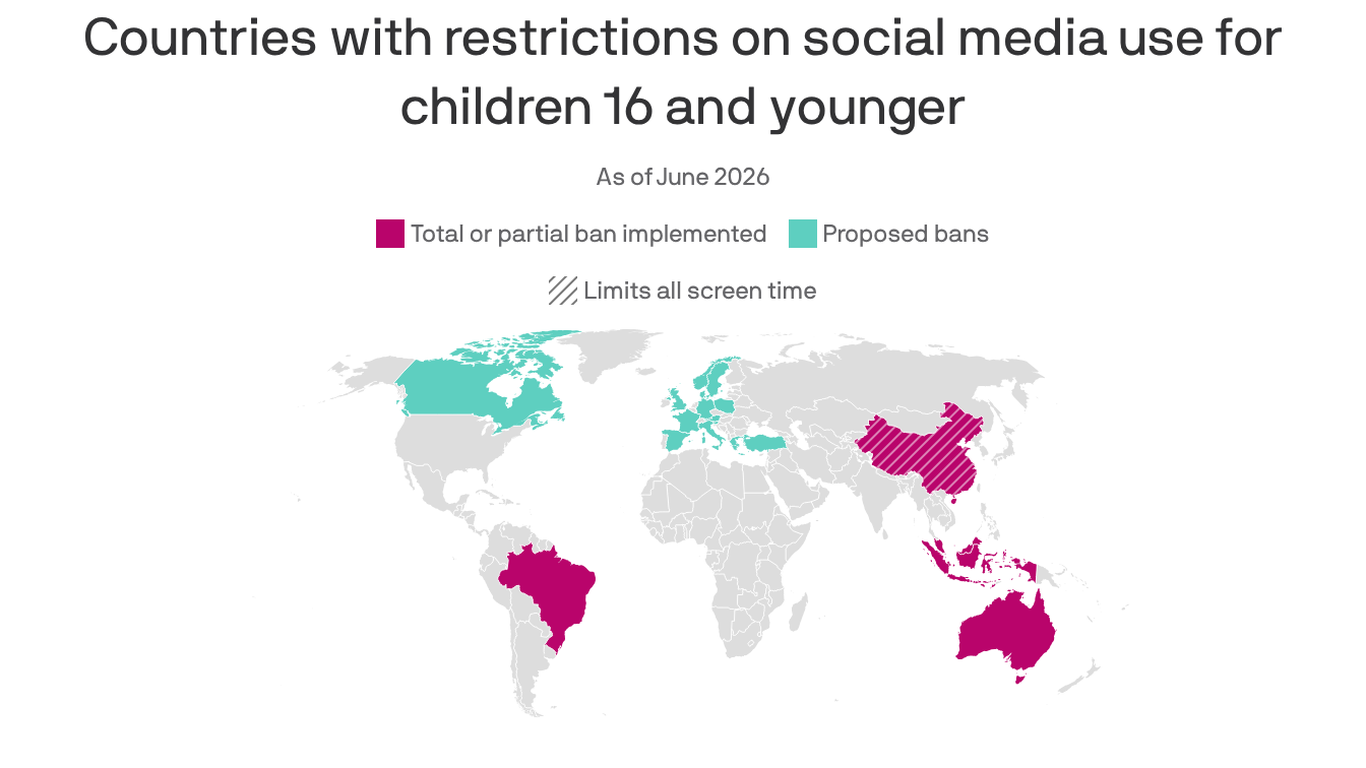
The UK government's decision to introduce restrictions on children's access to social media marks a significant moment in the evolution of online safety policy. For supporters, it represents a long-overdue response to growing concerns about children's well-being. For critics, it raises questions about effectiveness, enforcement and unintended consequences.
Yet regardless of where one stands on the policy itself, its announcement provides an opportunity to reflect on a broader question: What exactly has this debate been about?
At one level, the answer appears straightforward. Public concern about children's social media use has grown steadily over recent years. It has been fueled by worries about a wide range of issues, from mental health and body image to online exploitation, misinformation and the changing nature of childhood itself. The government's proposals are intended to respond to these concerns and reduce young people's exposure to risk.
Yet one of the striking features of the debate is that the phrase "social media harms" has come to encompass an extraordinary range of anxieties. Depending on who is speaking, the problem may be cyberbullying, pornography, misogynistic influencers, loneliness, political polarization, declining attention spans, excessive screen time, image-based abuse or the feeling that childhood is becoming increasingly mediated through screens.