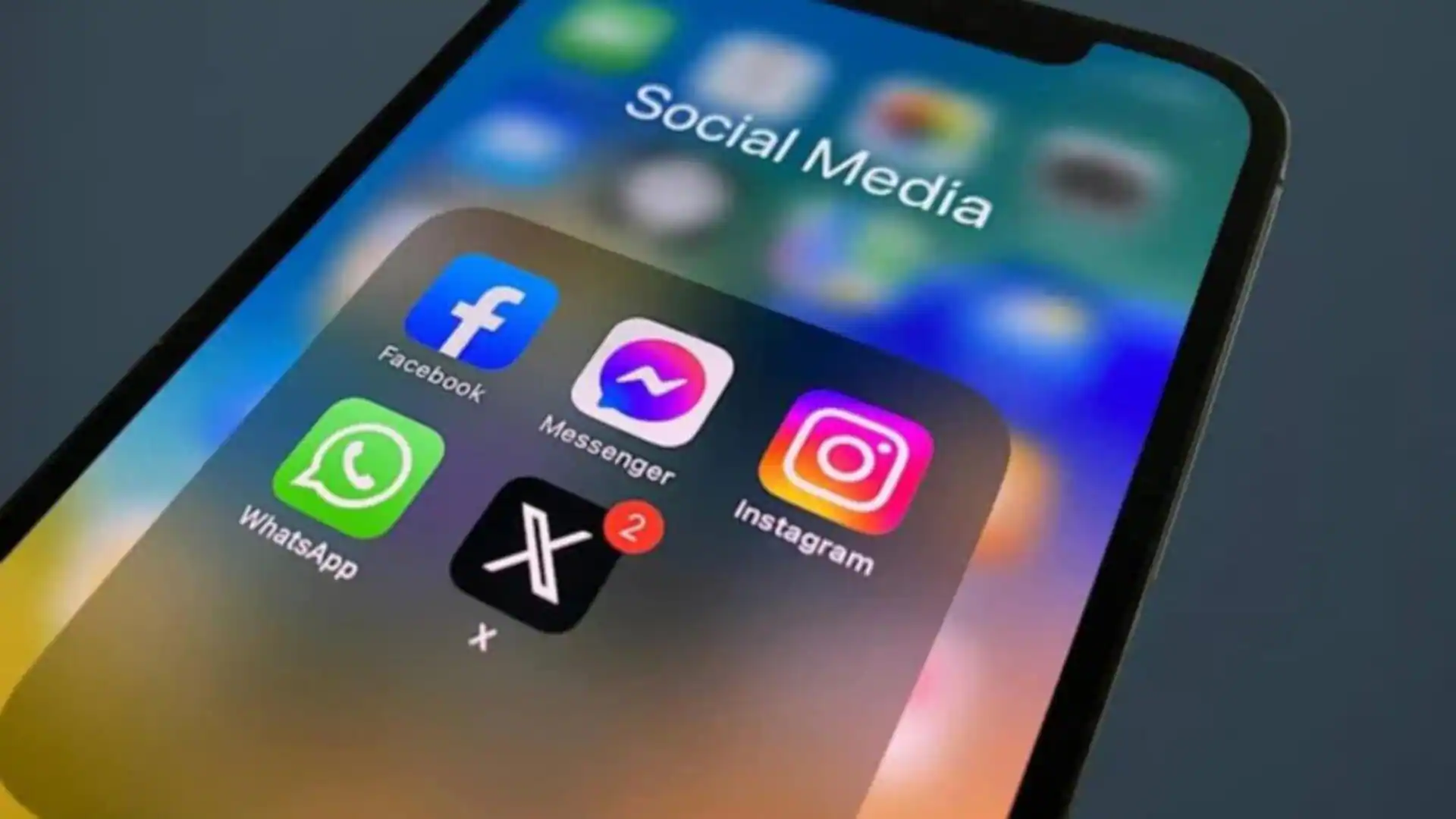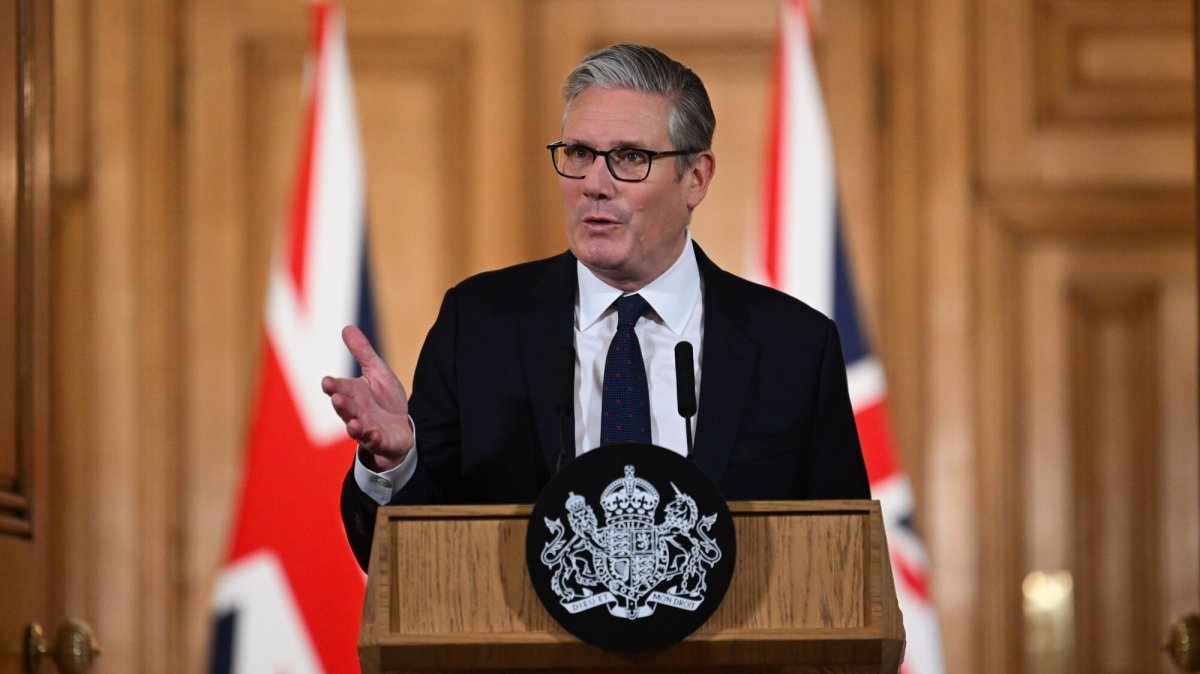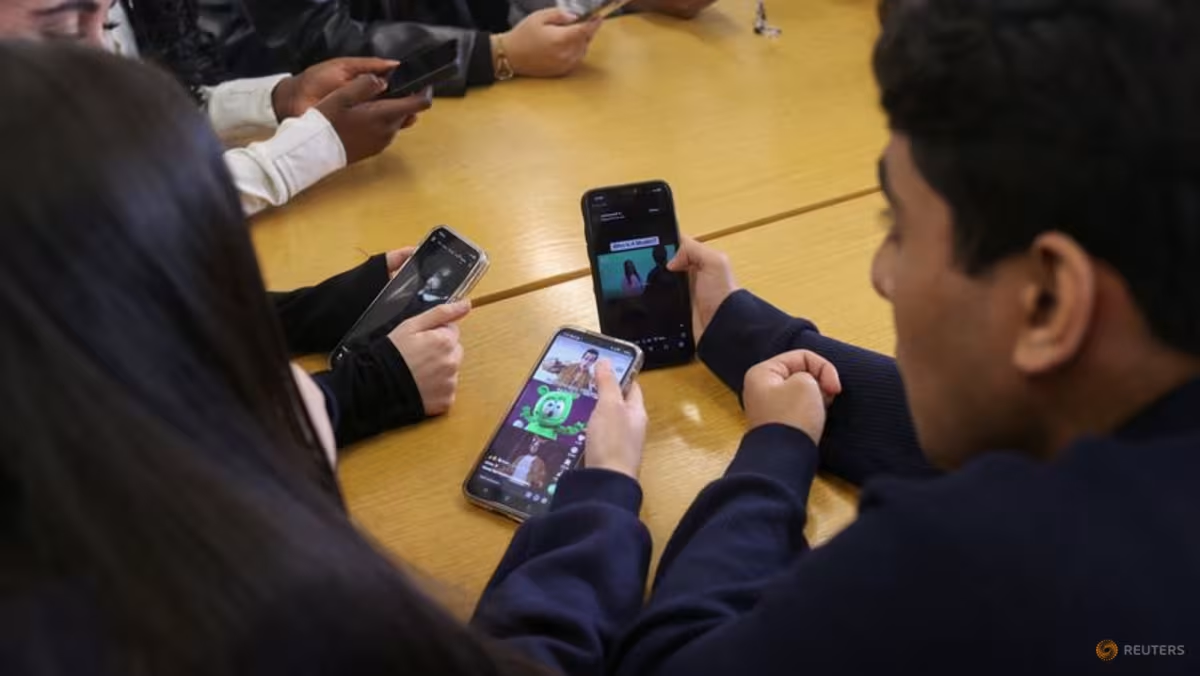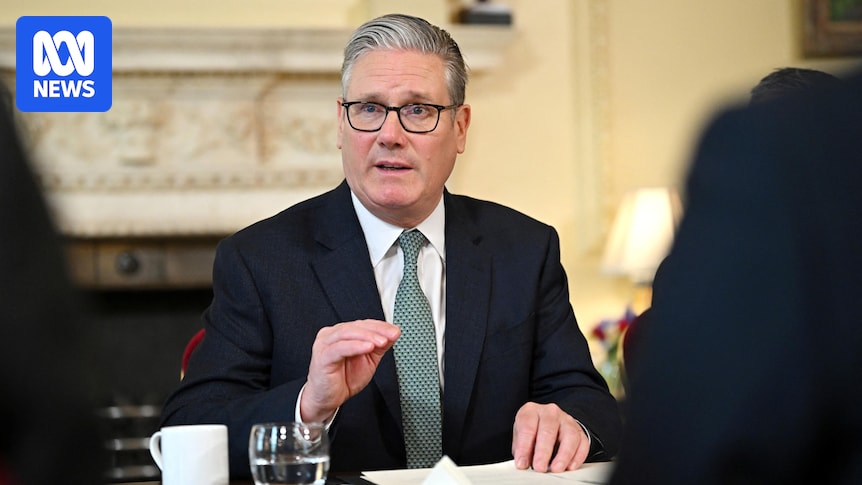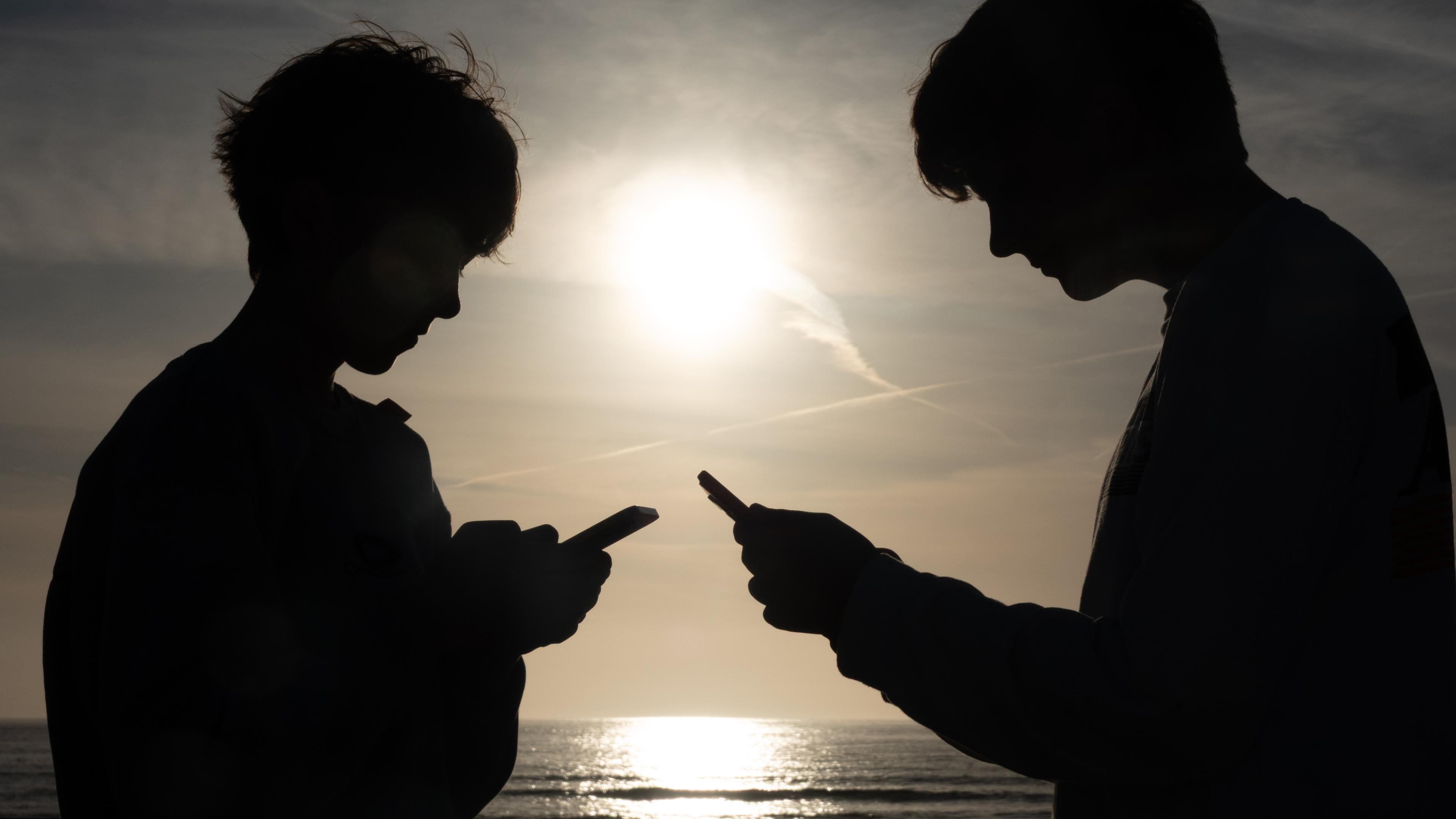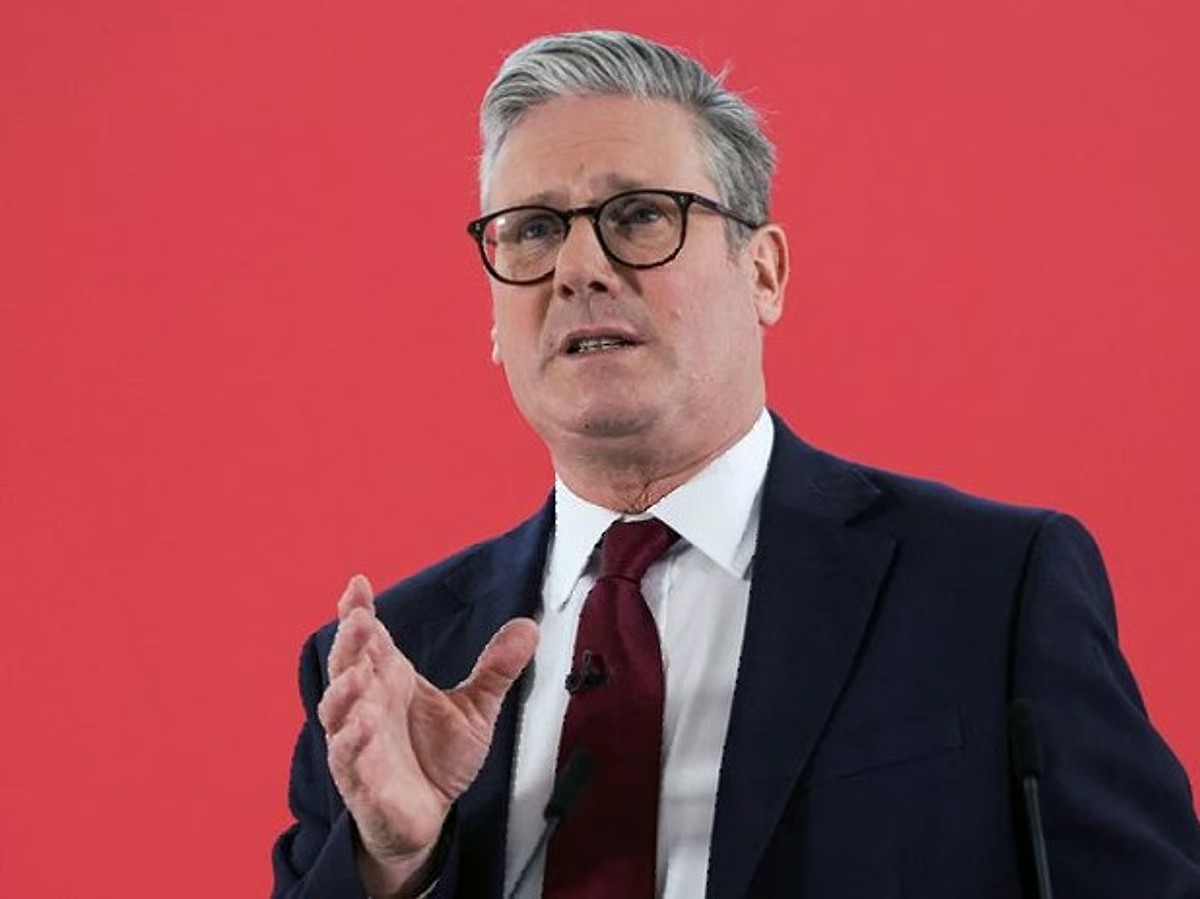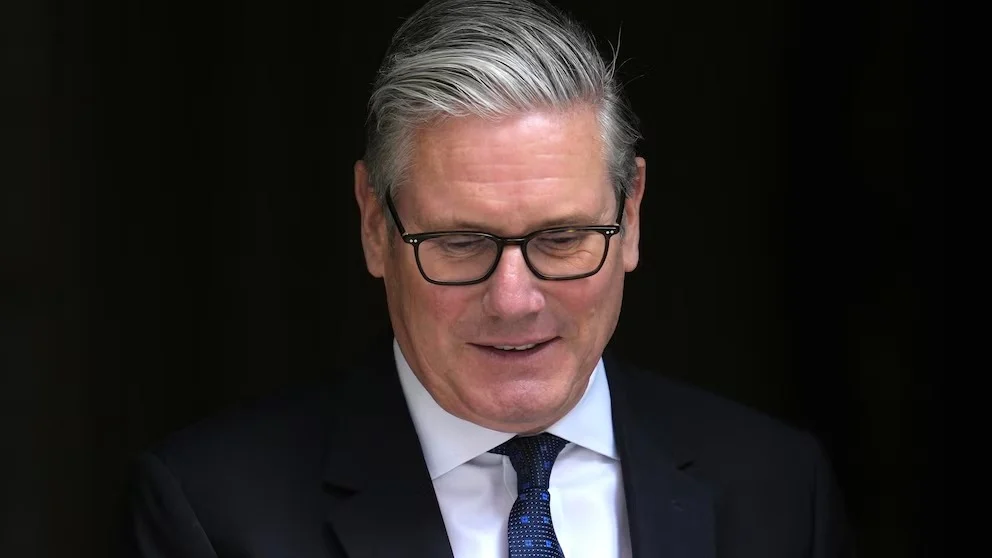
Britain is getting ready to overhaul how kids use the internet. In a move that’s already sparked fierce debate, Prime Minister Keir Starmer’s team wants to block social media access for anyone under 16. A decisive action, which is backed by 9 in 10 parents, as outlined by the GOV. UK, is expected to be brought to Parliament before Christmas, with protections expected to come into force in Spring 2027. Their goal? “Give kids their childhood back.” If this goes ahead, the UK will leap to the front of the pack for strict social media rules.Per Reuters, the ban comes after months of government consultations, plus a groundswell of worry from parents, mental health experts, and educators about what unfiltered online life is doing to kids’ sleep, learning, and wellbeing. Out of 116,000 people polled, almost 90% of parents say they back new restrictions.Although not everyone’s on board yet, as privacy and enforcement are the big sticking points. Can you really keep every under-16 off big platforms? Are you just driving kids to more hidden, and often less safe, corners of the web? Tech firms are already making noise that these measures won’t work as intended.So, what exactly is the government doing, which platforms are in the crosshairs, and what do families (and tech companies) actually need to know?Let’s unpack,What’s actually being banned?If the new law passes, the ban covers the big names — TikTok, Instagram, Facebook, Snapchat, YouTube, X (Twitter) — really, any platform built around user content, social feeds, and online interaction. Messaging apps like WhatsApp and Signal aren’t on the list right now. The model’s partly inspired by rules from Australia, but the UK promises much tougher age checks, so kids can’t just click “Yes, I’m over 16” and get in.The expectation is that Parliament will see the bill before Christmas, and tech companies will need to comply by Spring 2027. The law’s focus is on companies, not kids, as the government wants platforms to keep under-16s out, not punish teenagers for trying to log on.5 key facts for parents and teens1. Not every online service gets blockedContrary to what you might’ve heard, the ban isn’t for absolutely everything online. Messaging is mostly fine for now, and kids can still text their mates or family. The crackdown is on social platforms with algorithm-driven feeds and public content.2. More than TikTok and Instagram are affectedIt’s not just about scrolling through Reels or TikTok videos. Features like livestreaming and letting strangers message kids hang in the balance, too. This could spill over onto games and any platforms where kids can chat with unknown adults.3. Tech companies have to police itYoung people aren’t about to get fined or arrested for joining TikTok. All the responsibility sits with social media companies. Ofcom has the job of figuring out how to check ages (and how far is too far when it comes to users’ privacy). This part's going to be tricky, and everyone agrees on that.4. Even stricter rules could be nextThis move might just be the start. Down the line, we might see things like enforced bedtimes for phones (overnight curfews), and caps on “infinite scroll” addiction for older teens. Ministers say they’ll outline more details soon.5. There’s a long way to go in the debateSure, parents largely support tighter rules. But experts are skeptical, as stronger age checks can mean more privacy risks, and no system is foolproof. Realistically, some teenagers will find workarounds, like using VPNs or new apps. Whether this actually “fixes” youth online safety will come down to enforcement, not just the law on paper.Why does the government believe a ban is necessary?Simply put, the government thinks the risks are outpacing the benefits. We’re seeing more stories about social media addiction, online bullying, dark content, poor concentration, and lack of sleep. Ministers argue tech companies have dragged their feet for years, and it’s time for strong action.Prime Minister Starmer says kids shouldn’t have to fight addictive algorithms or relentless social pressures online. He doesn’t want to kill off technology, but wants proper boundaries, so that children get a chance to actually be children again.Will this work in the real world? That’s still up in the air. If it goes ahead, this will be the biggest change to how UK children use the internet since social media arrived. Everyone, from parents and schools to tech firms and millions of young people, will be watching.
UK to ban social media for under-16s: 5 key things parents and teenagers need to know about the landmark move
Britain is getting ready to overhaul how kids use the internet. In a move that’s already sparked fierce debate, Prime Minister Keir Starmer’s team wants to block social media access for anyone under 16.
736 words~3 min read