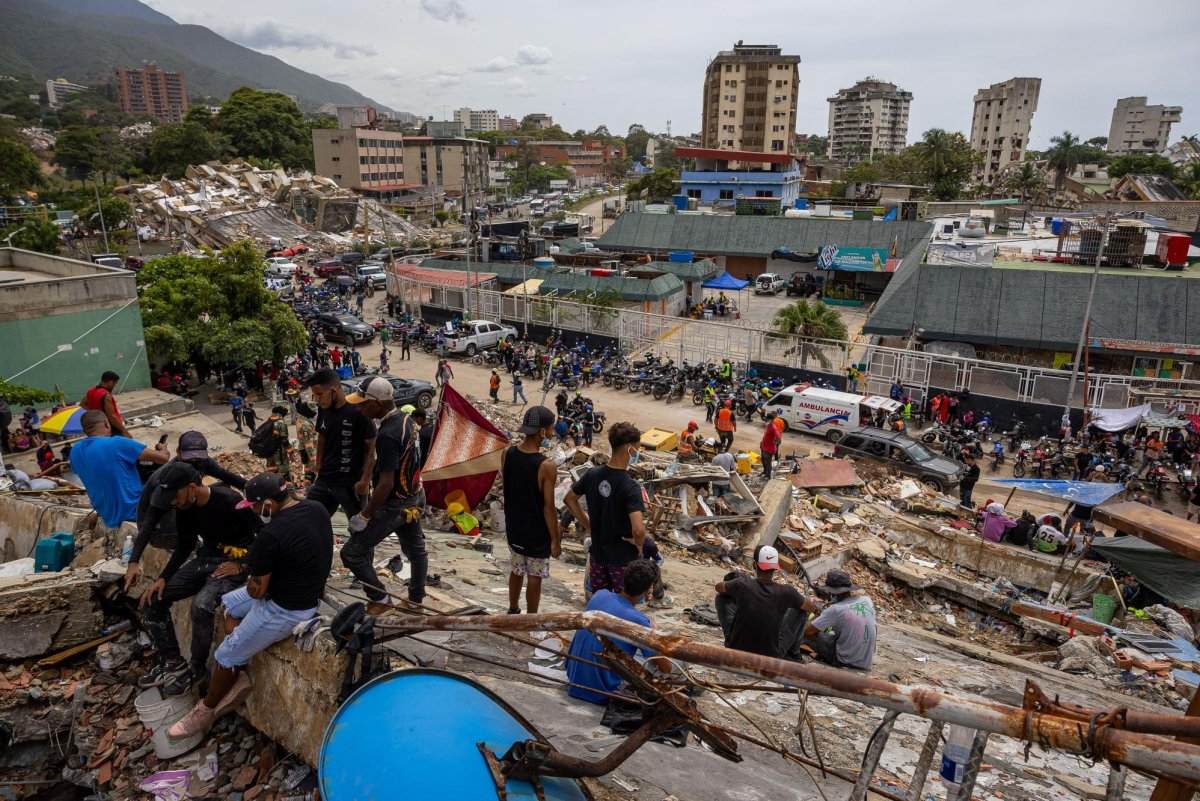
The secretary-general, who last traveled to Port-au-Prince in July 2023, visited a former school called Colombie that has been transformed into housing for more than 1,250 people displaced by violence.In a stiflingly hot tin-roofed room a mother of four told Guterres about the insufferable conditions her family is living in. "Fifty people to a room, ten families, with no privacy," she said, while her neighbor complained of bedbugs and children being deprived of school."I ask your forgiveness for not having been able to mobilize the international community," the UN chief told them. "We know how much you have suffered and I am here to listen to you."The United Nations' 2026 humanitarian aid plan for Haiti, earmarked at $880 million, is less than one-quarter funded. Haiti, the poorest country in the Americas, has for years suffered from instability as powerful gangs carry out rampant killings, rapes, looting and kidnappings.
Haiti, the poorest country in the Americas, has for years been plagued by instability © Clarens SIFFROY / AFP
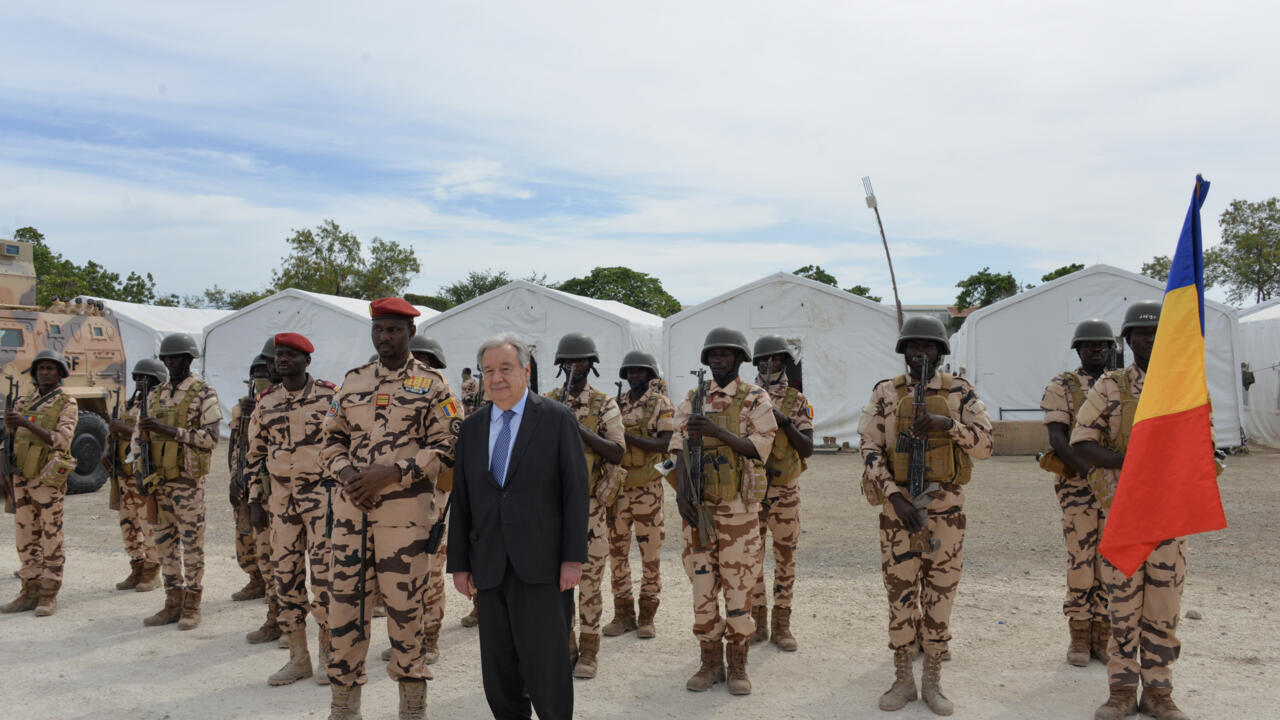
Nearly 1.5 million people are currently displaced in a country of about 11 million, and more than five million are facing severe food insecurity, according to UN figures. The security crisis worsened in early 2024, when gangs launched a wave of violence that forced the country's unelected prime minister to resign.He was replaced by an interim presidential council, but when the council's mandate expired in February, executive power passed to Prime Minister Alix Didier Fils-Aime -- who greeted Guterres upon arrival.Haiti has not held elections since 2016, primarily because of poor security. Its last president, Jovenel Moise, was assassinated in July 2021."The humanitarian situation here is desperate, but there are faint glimmers of hope," Guterres wrote in an X post upon arrival by helicopter from the Dominican Republic, the neighboring -- and far more stable and prosperous -- country sharing the island of Hispaniola. "We must stand with Haiti."'Multidimensional crisis'The UN Security Council last year gave its approval to a new international Gang Suppression Force (GSF) tasked with neutralizing the groups, currently with fewer than 1,000 men from Chad, Mongolia, Jamaica, Guatemala and El Salvador. That number could go up to 5,500 uniformed personnel, including police officers and soldiers.