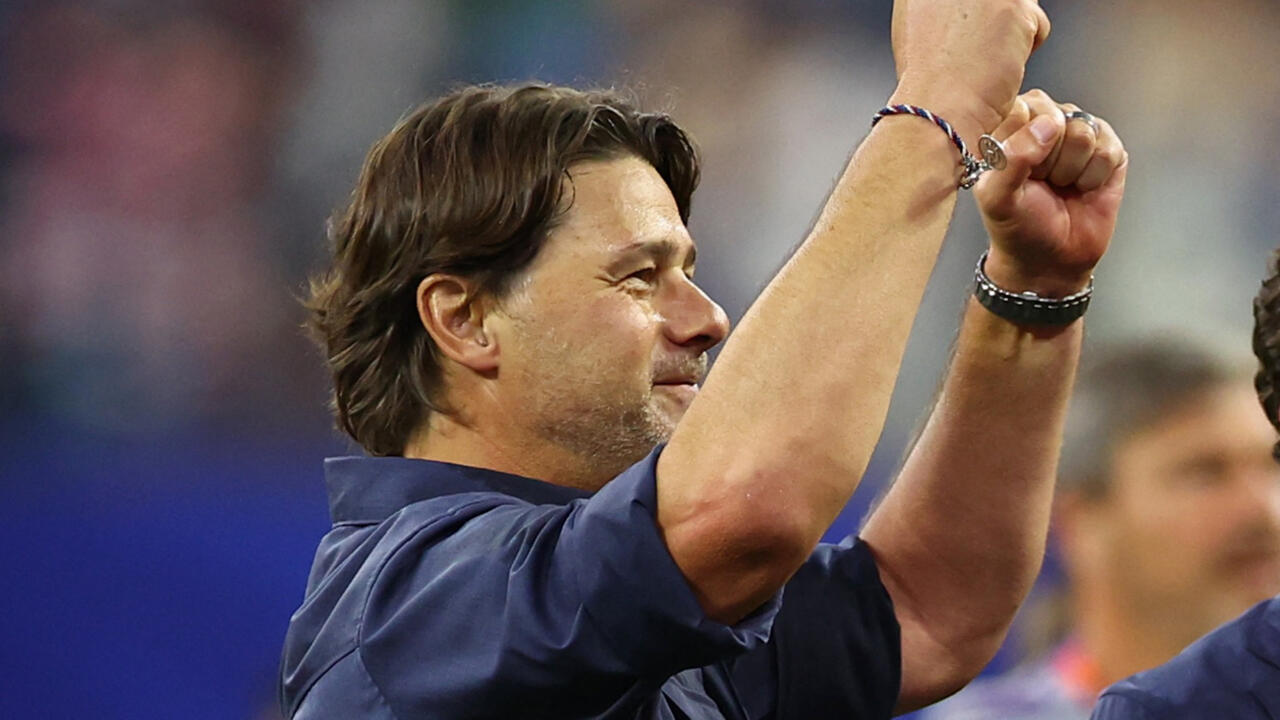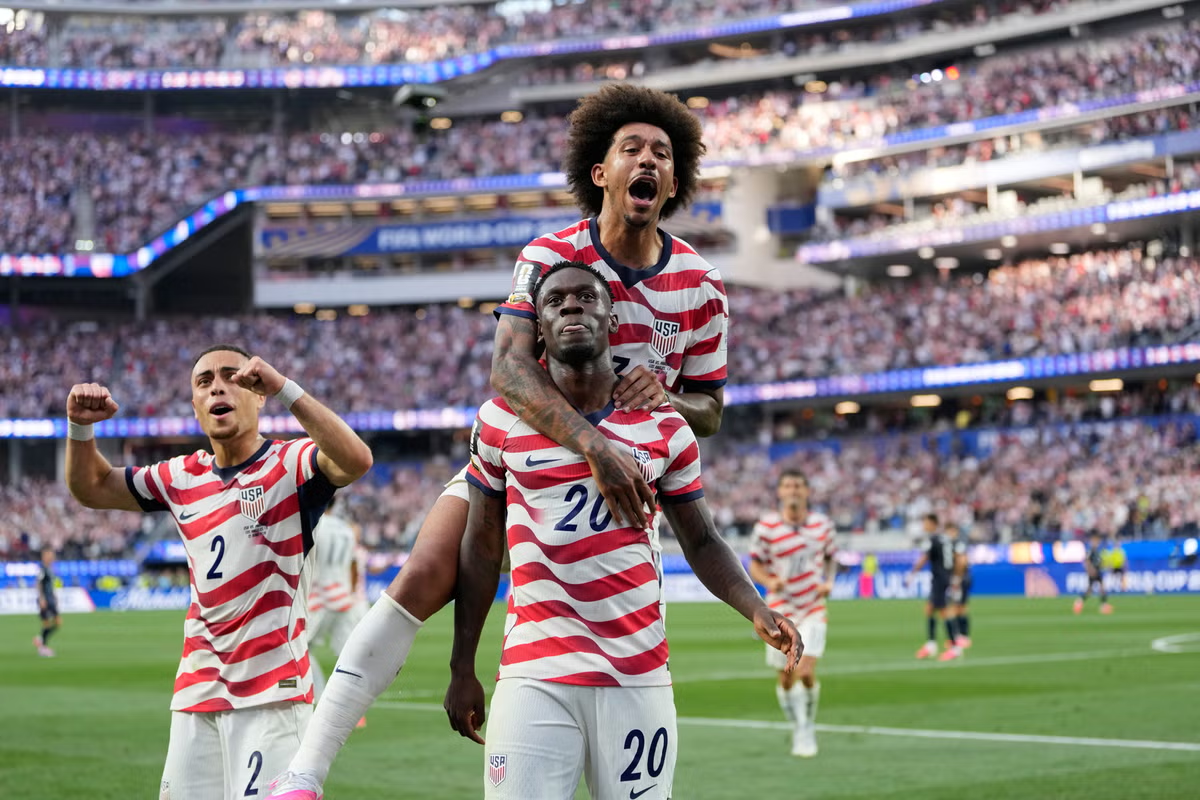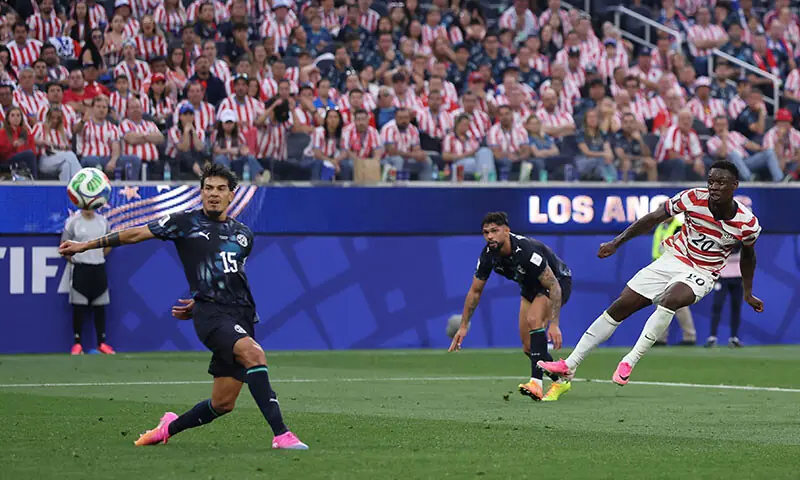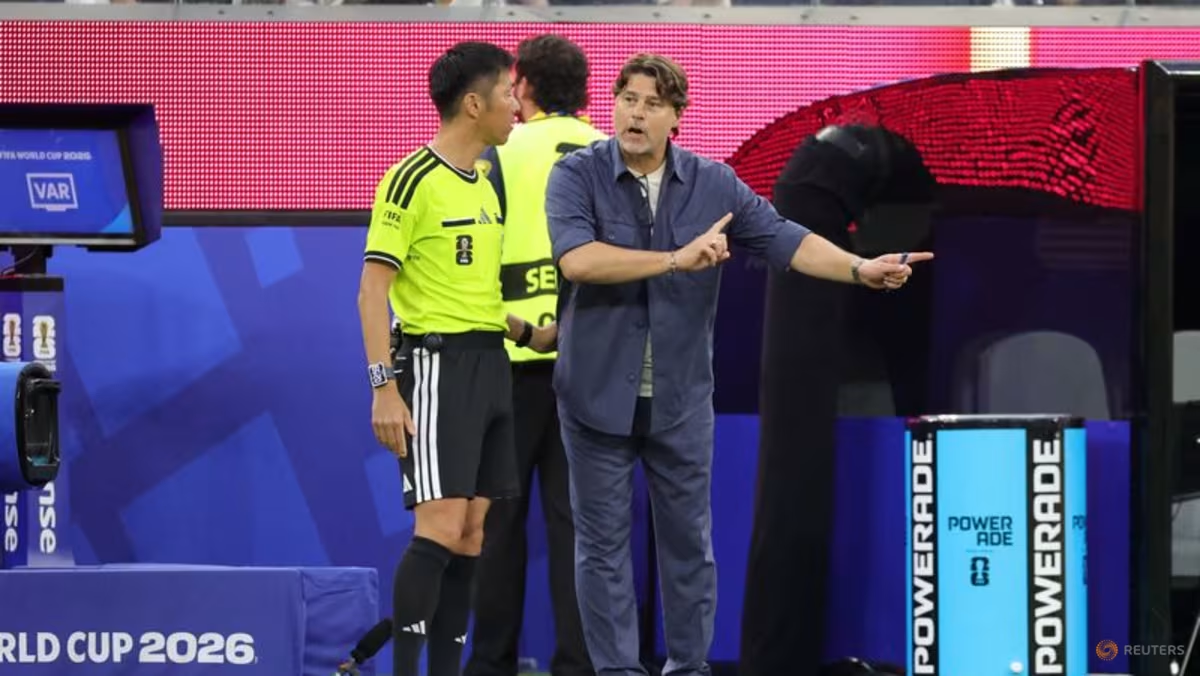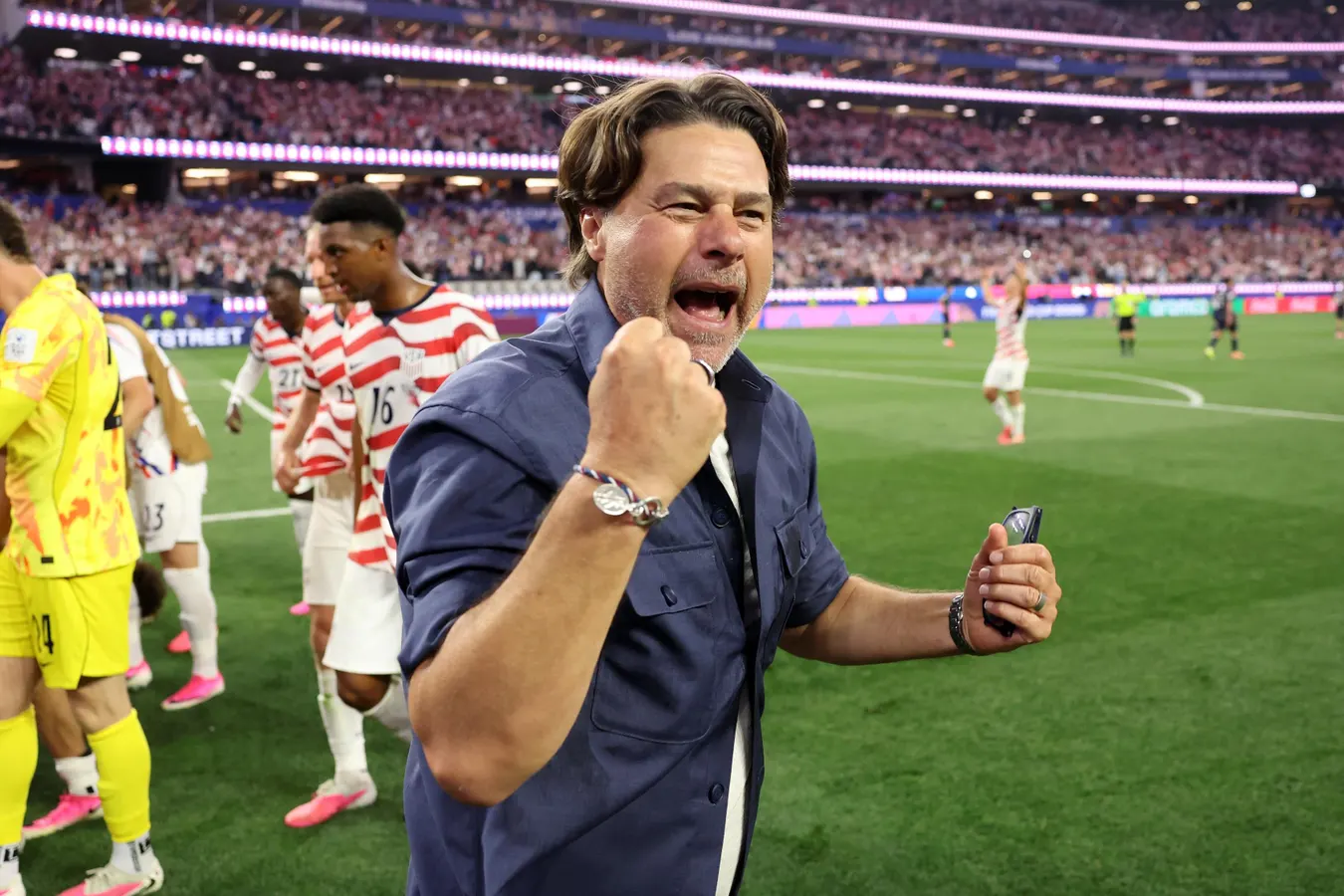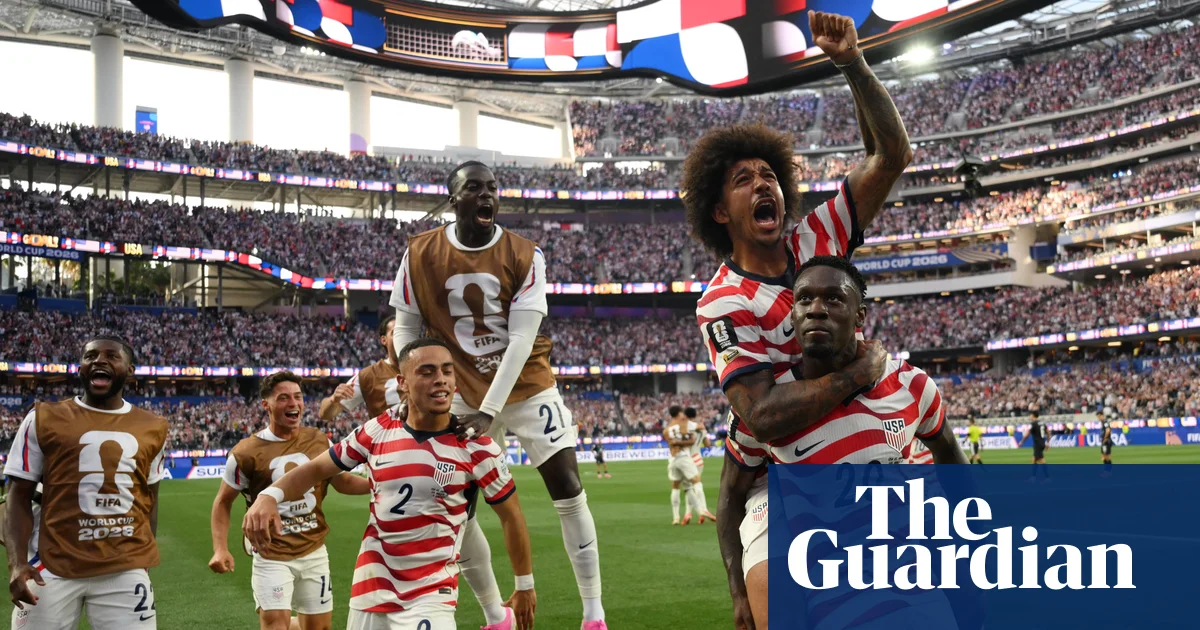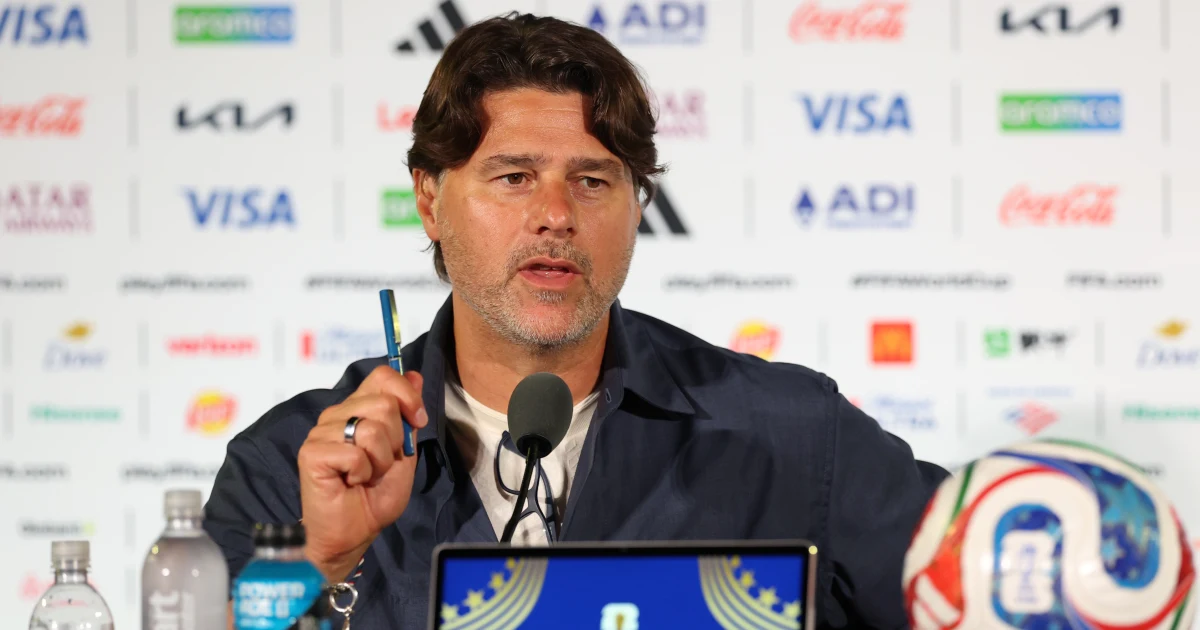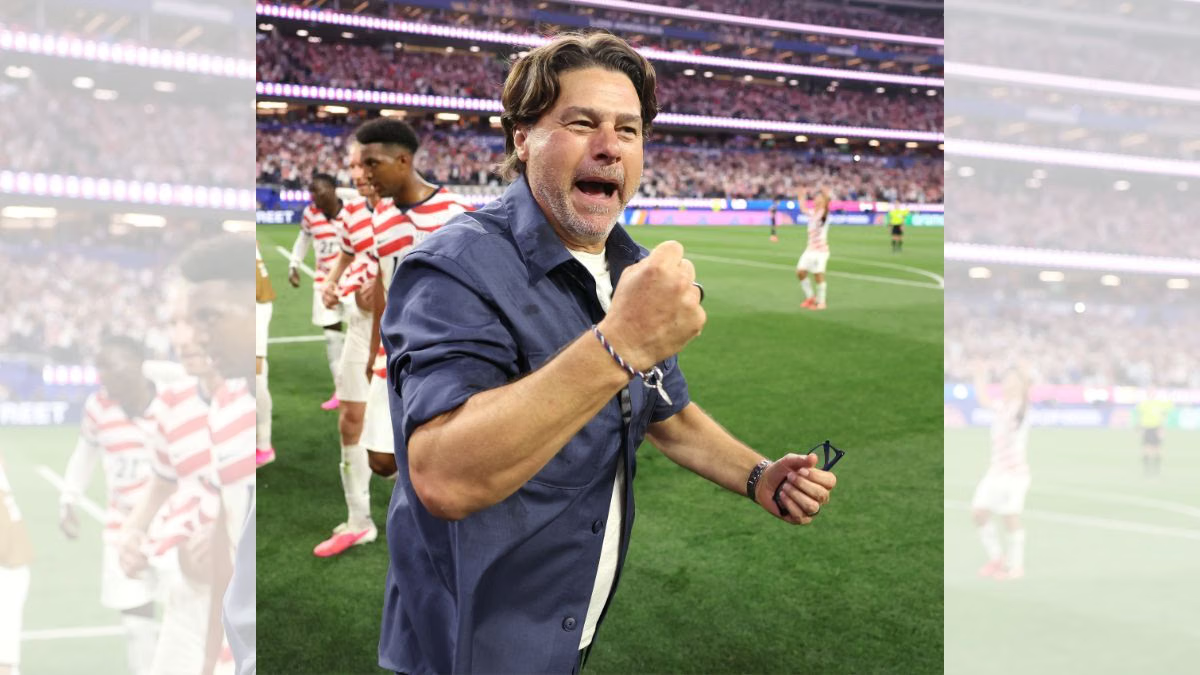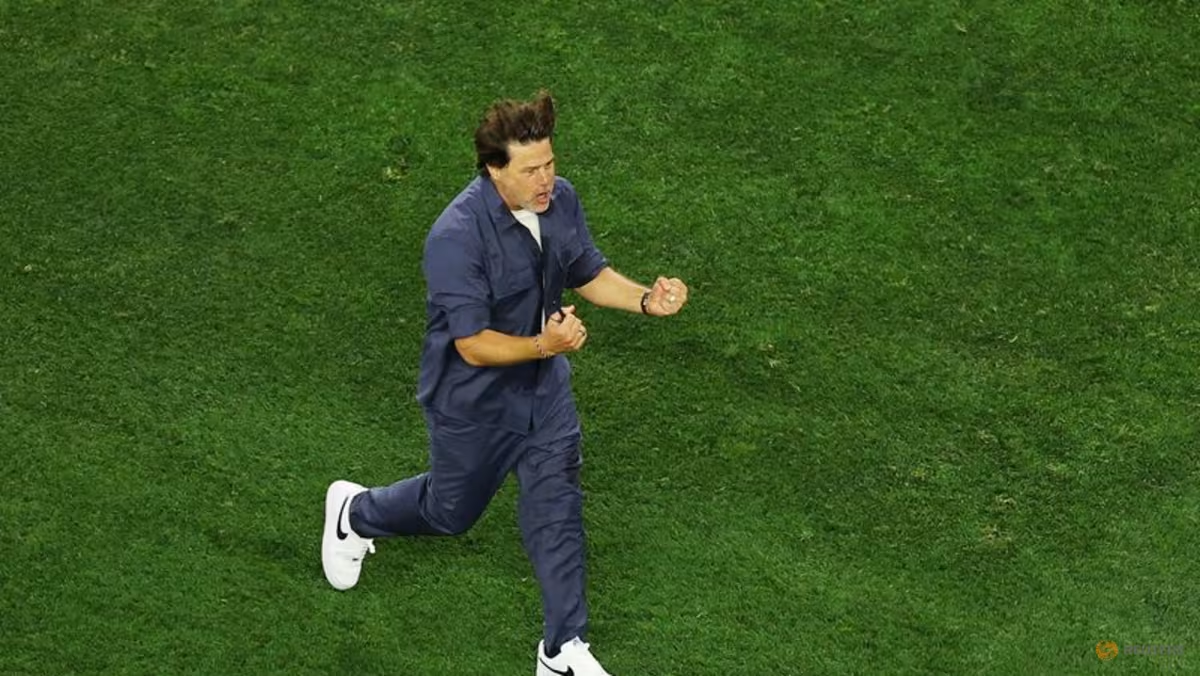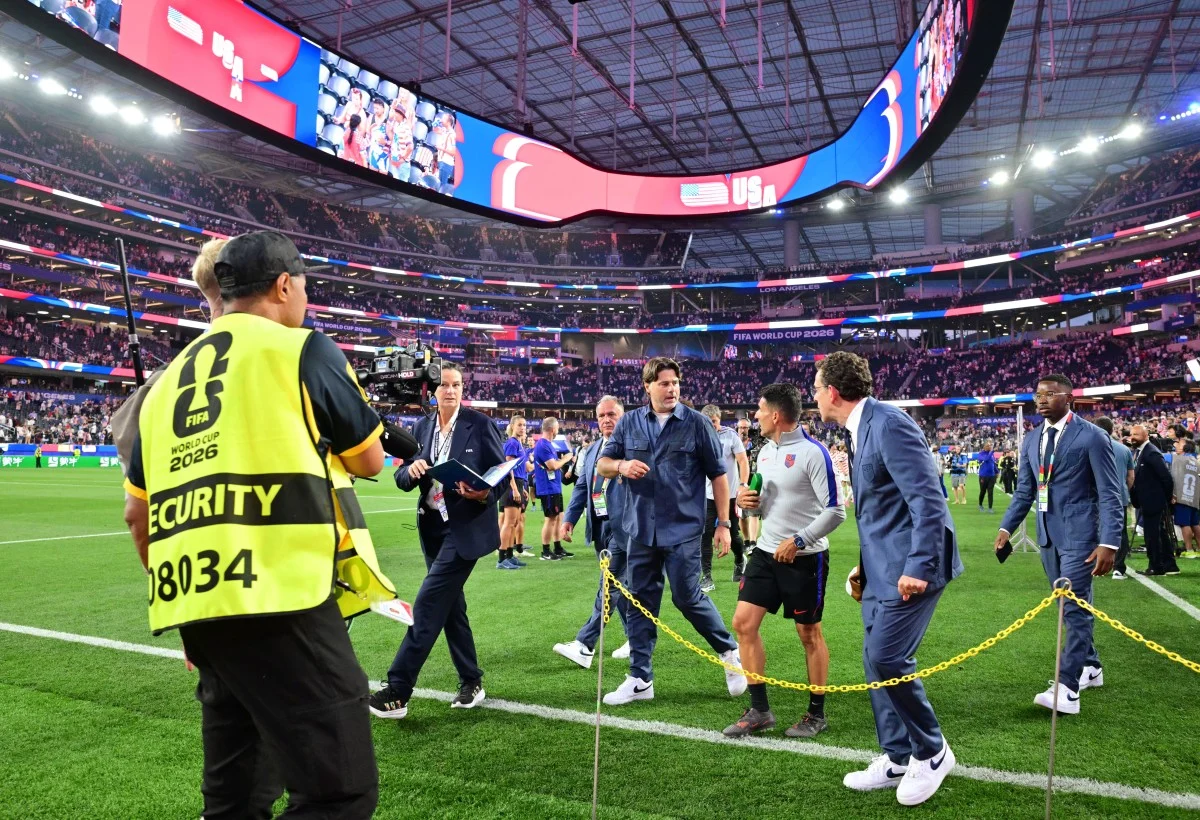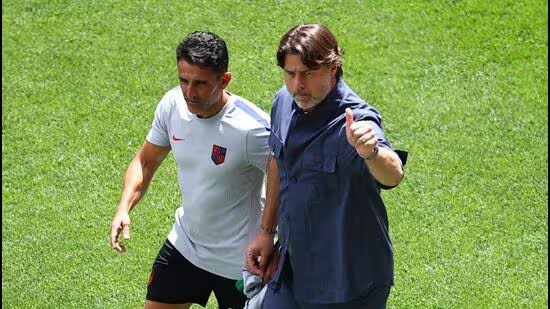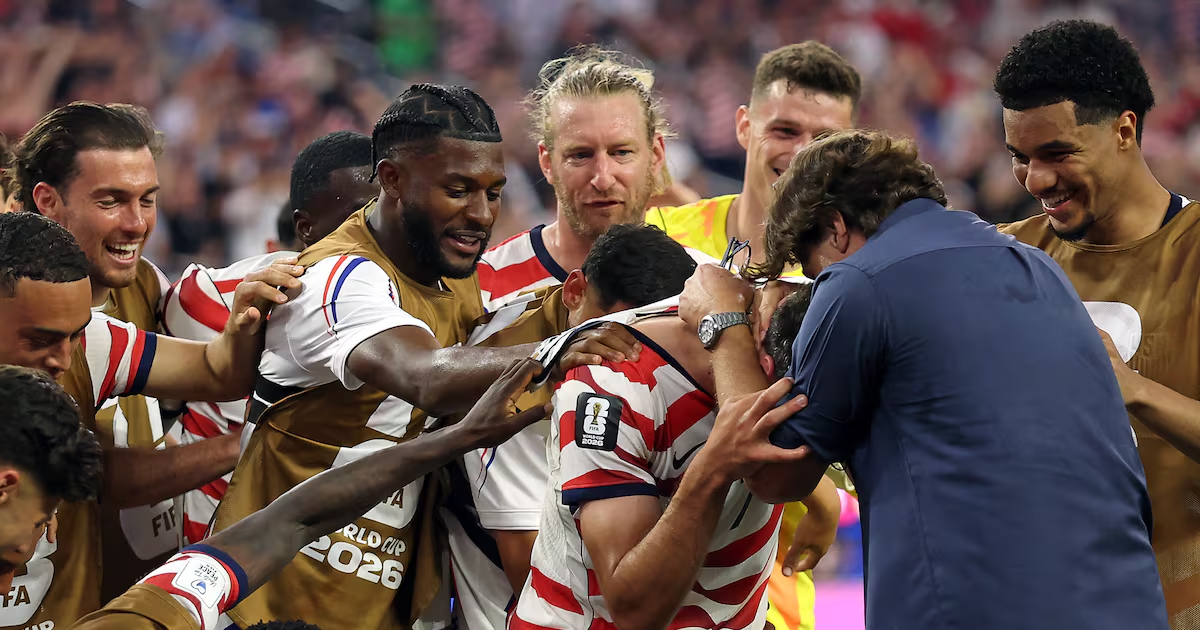
The most important result of the World Cup so far was the United States’ 4-1 demolition job on Paraguay in Los Angeles last Friday night. It is possible that nobody was more surprised by the result than the US head coach Mauricio c. It is certain that nobody was more relieved. A recent report from the Athletic has detailed how US Soccer secured Pochettino’s signature in summer 2024 only with financial support from two hedge-fund billionaires: Kenneth C Griffin of Citadel and Scott Goodwin from Diameter Capital. With his billionaire-boosted salary of more than $6 million (€5.2 million), Pochettino is by far the highest-paid employee in the history of US Soccer. For much of the last two years he has done a reasonable impression of a guy who has taken a job for the money and is now regretting it. Seven months into his tenure, he had presided over the Americans’ first run of four straight defeats in nearly 20 years, culminating in a 4-0 hammering by Switzerland in Nashville. Standing there on the Geodis Park sidelines, 4-0 down after just 40 minutes, with the furious crowd screaming abuse, this was a real “[record scratch] you’re probably wondering how I got here” moment for Poch. The sense he was ill-at-ease in the job was inflamed by a report from the42.ie last summer that Pochettino had talked to Premier League side Brentford about their then-vacant managerial position. What was important was not so much the report itself, which Pochettino of course denied, as the howls of outrage it provoked in the US. Only in football could the world’s superpower play second fiddle to a medium-sized sports club in west London. Mauricio Pochettino gestures during the World Cup group D match against Paraguay in Los Angeles. Photograph: Alex Livesey/Getty Yet disinterested eyes could see the Brentford job would combine a higher level of competition with a much smaller potential for humiliation on the grandest scale. Imagine being the man responsible for a US fiasco in their home World Cup? It’s evident Pochettino had imagined it and knew there were plenty of reasons to fear such a fiasco. His feelings on the mismatch between US self-image and ability were evident in a recent interview with his fellow Argentine Diego Torres in the Spanish newspaper El País.“I accept the arrogance of Spain, Argentina, England, France... But when I see arrogance in the United States I think there’s a bit of confusion. ‘I’m from the United States. We’re number one. We’re the best. We fought and reached the Moon first’ ... I think in soccer there’s a mismatch between what they think they are and what they are,” he said. Earlier in the interview, Poch said: “What’s missing is the childhood relationship with the ball.” He also said: “That childhood relationship with the ball determines how you compete as an adult. This isn’t taught at universities or in soccer schools. What happens is many methods are copied. They set up soccer schools in the United States and tell kids, ‘Pass the ball from here to there, go back and shoot when you get there’. That’s not soccer. “When we learn, when we relate to the game, it’s with absolute freedom. I take the ball and my brother, my cousin, or my friend two years older takes it away from me. How do I get it back? That’s the game; it’s not something robotic.”Folarin Balogun celebrates after scoring against Paraguay. Photograph: Will Lester/Getty It’s a reality that even some of the outstanding US footballers of the last 30 years have sometimes looked like they learned the game in college. On their top scorers list you find players such as Jozy Altidore or Brian McBride: big hearts, slow feet. But on that sensational Friday night in LA, some of these young Americans showed the ball was a very old friend of theirs. The London-raised, Arsenal-trained Folarin Balogun scored a goal Altidore or McBride could never have dreamed of. Gio Reyna, the son of two professional players, added another beautiful strike for the 4-1 that sealed the biggest US World Cup win since 1930.As impressive as these technical flourishes were the speed, energy and passion with which the Americans closed down their opponents all over the field. Paraguay simply could not get out. Rather than freeze in the spotlight, Pochettino’s team had hurled themselves into the moment with ferocity.Gio Reyna got on the scoresheet against Paraguay in added time. Photograph: Shaun Clark/Getty Now ecstatic US fans were memeing the coach as Maximus Decimus Meridius or Captain Jack Aubrey. Such is the transformative power of a big win in the World Cup: after LA, embarrassment is no longer on the menu for Poch.The question now is how much further the team can go. The energy of the US display recalled some of the best host nation performances in recent years: Russia, in 2018, who blitzed Saudi Arabia in the opener and went on to knock out Spain; the unfancied Germany, of 2006, who stormed to the semis before losing to Italy in a classic; and the indomitable (though assisted by some interesting refereeing) South Korea, in 2002, who overthrew Italy and Spain. In each case the teams’ performances set off gigantic surges of national euphoria and excitement. You wonder what that would look like in the US. There are tens of millions of serious football fans here in the US, adding up to a football nation comparable in size to any in Europe, but there is also a wider mainstream for whom the World Cup is still background noise. Waiting for a flight in Houston Hobby airport on Friday evening you could see that most of the screens were showing the World Cup, but few people were paying attention. A couple more victories like Friday’s and that is going to change.US fans cheer before their team's World Cup opener against Paraguay. Photograph: Will Lester/Getty Images The Americans yield to none in their passion for celebrating themselves, but their most popular sports allow little scope to pit themselves meaningfully against the rest of the world.A run through a couple of knockout matches would create an unprecedented wave of hype that could have enormous consequences for the future of the sport. For the rest of the football world, those consequences might be scary. For more than a century, the game got along happily without the Americans. Twenty years ago, rich Americans started to notice that the game offered unexplored commercial opportunities. US involvement has led us to the age of billionaire ownership, data analysis, ticket-price inflation and now quarterly ad breaks. These are all globally unpopular changes and could be just the beginning.For 50 years the world has wondered whether football would ever break America. Maybe the question now is whether America will break football.
Ken Early: Big win for the US means Pochettino need fear embarrassment no longer
More results like the 4-1 drubbing of Paraguay could create a wave of hype with enormous consequences for soccer’s future
1,134 words~5 min read