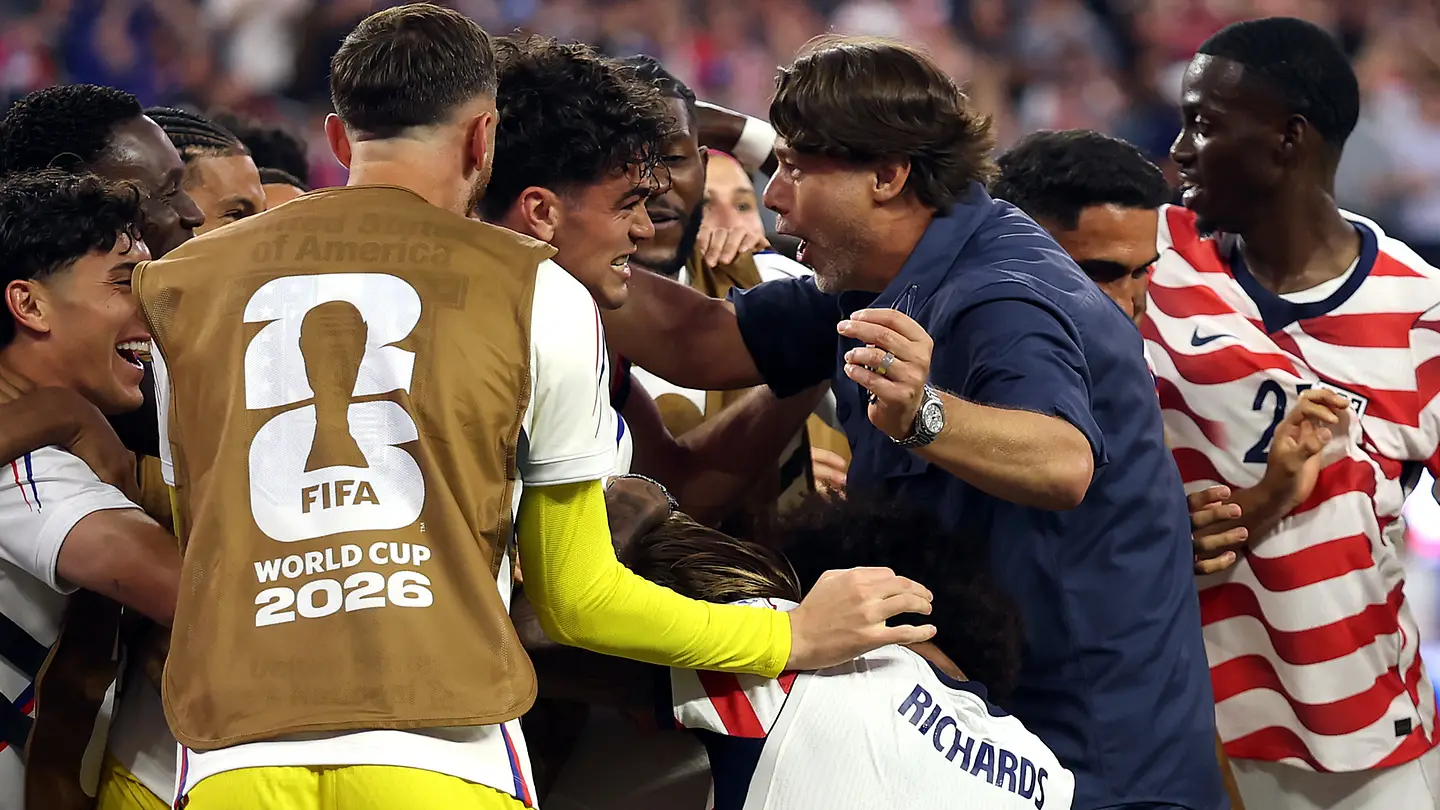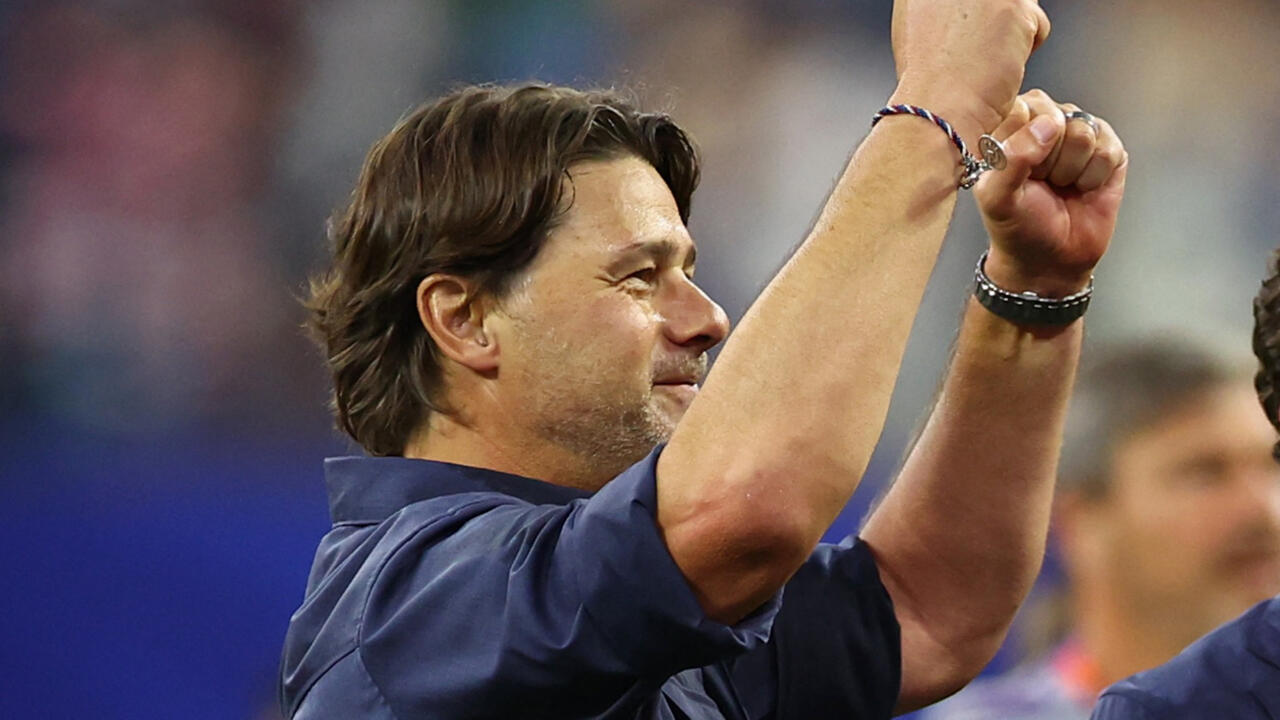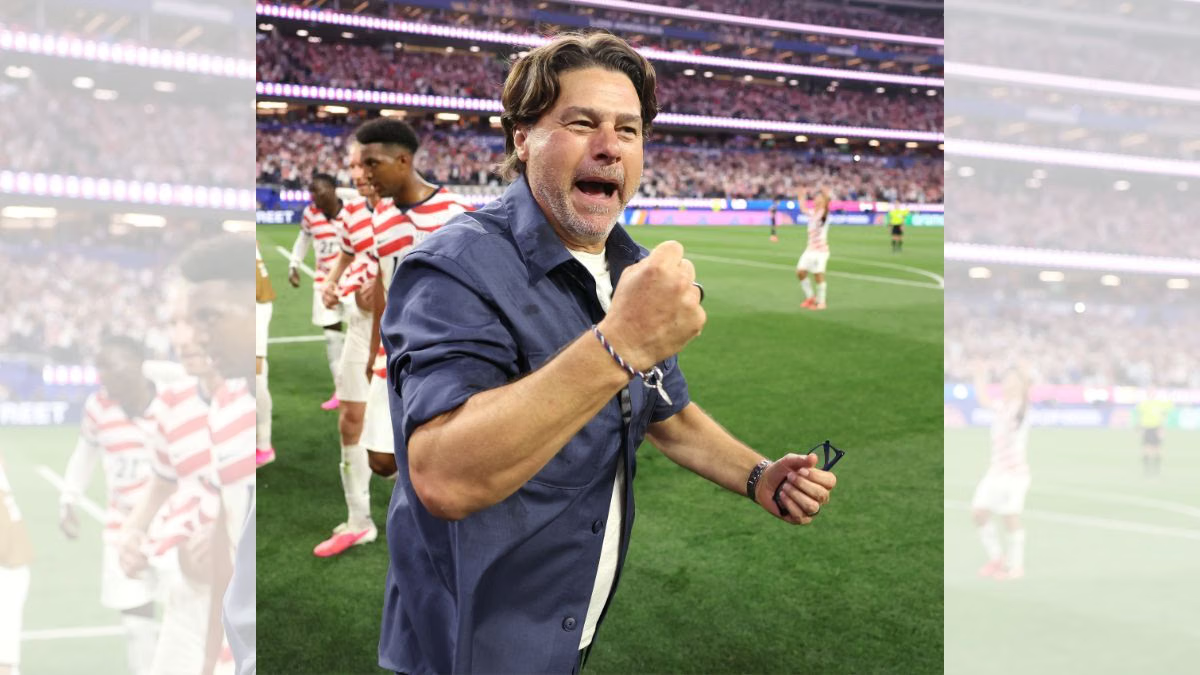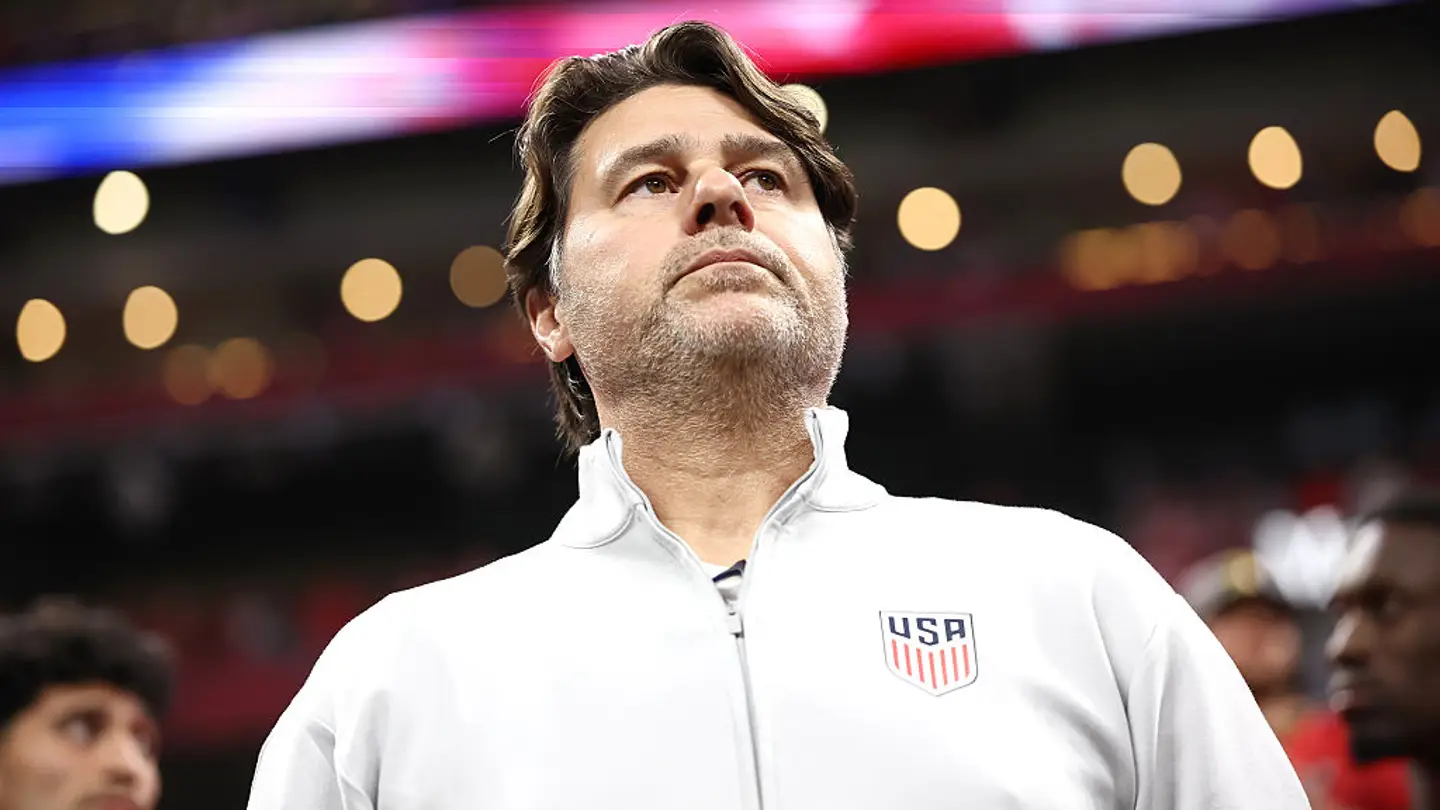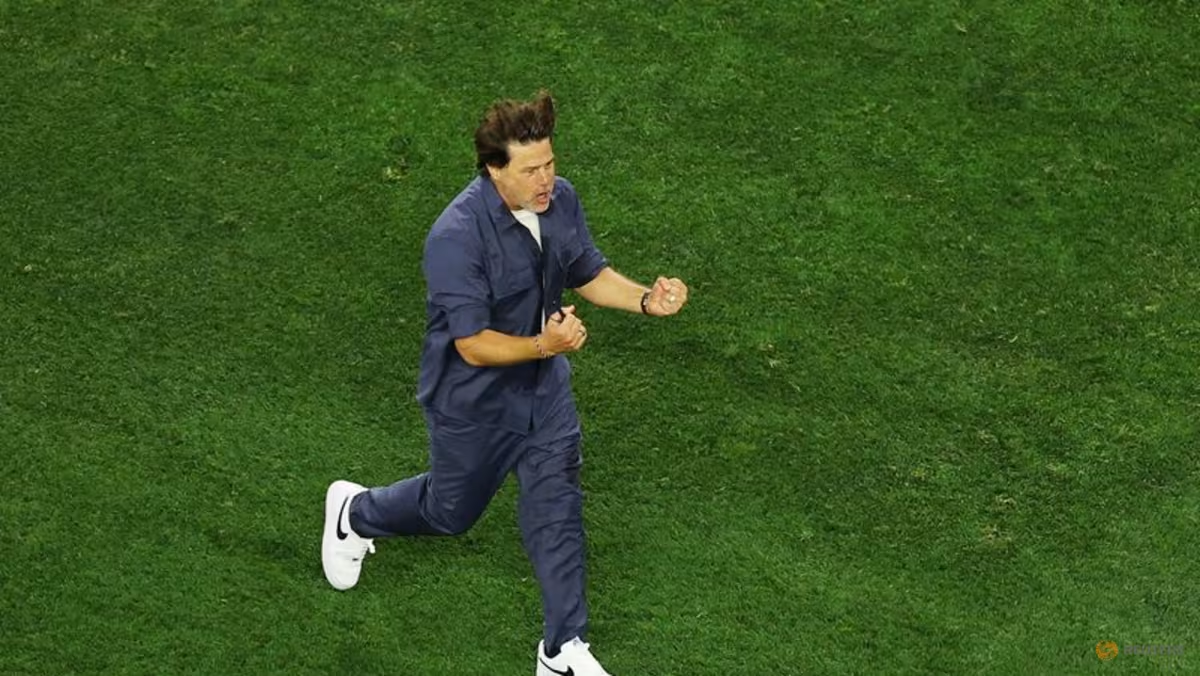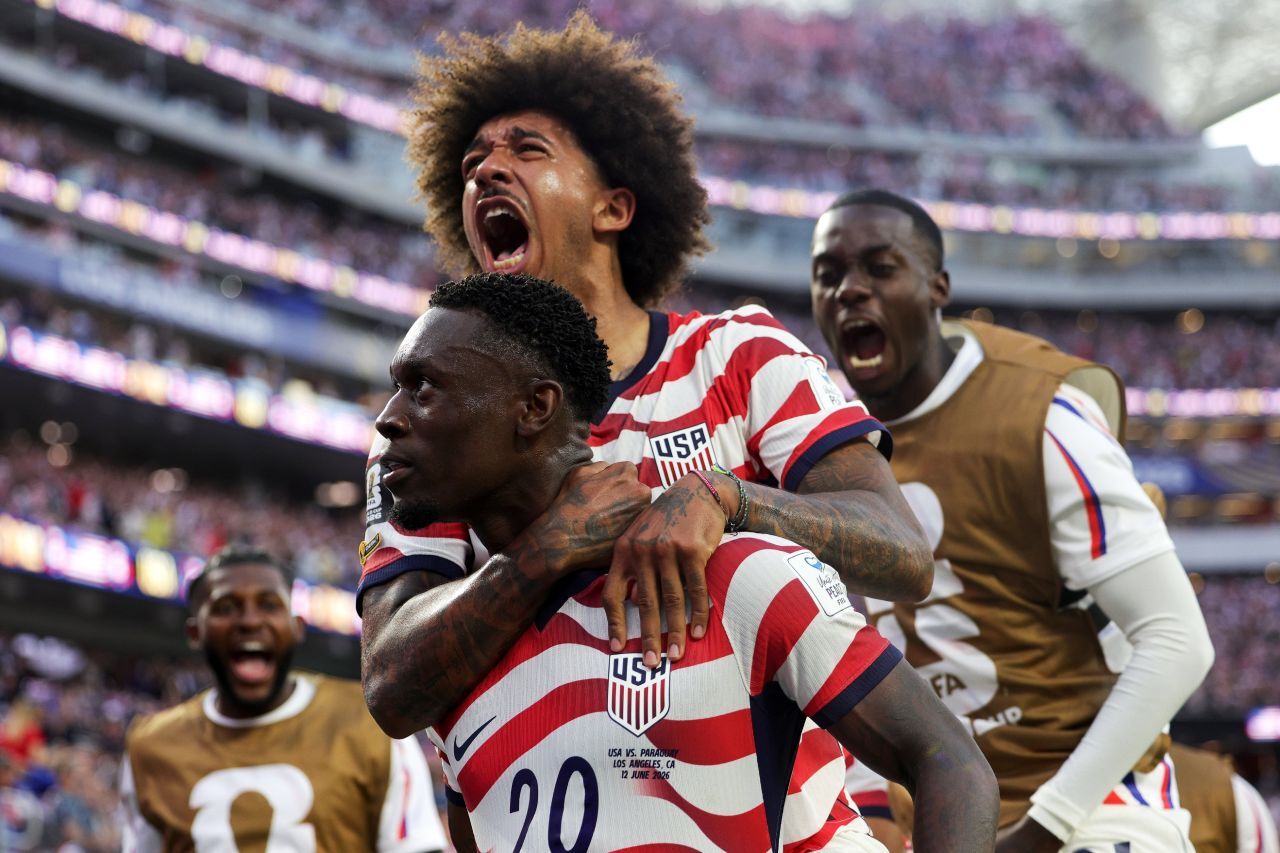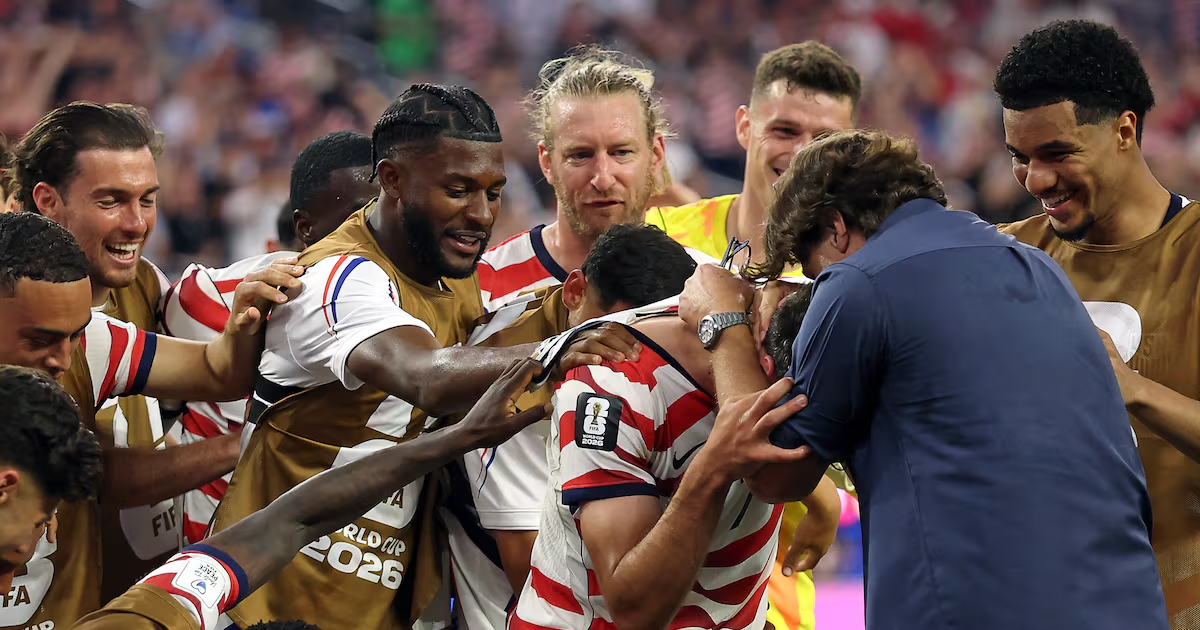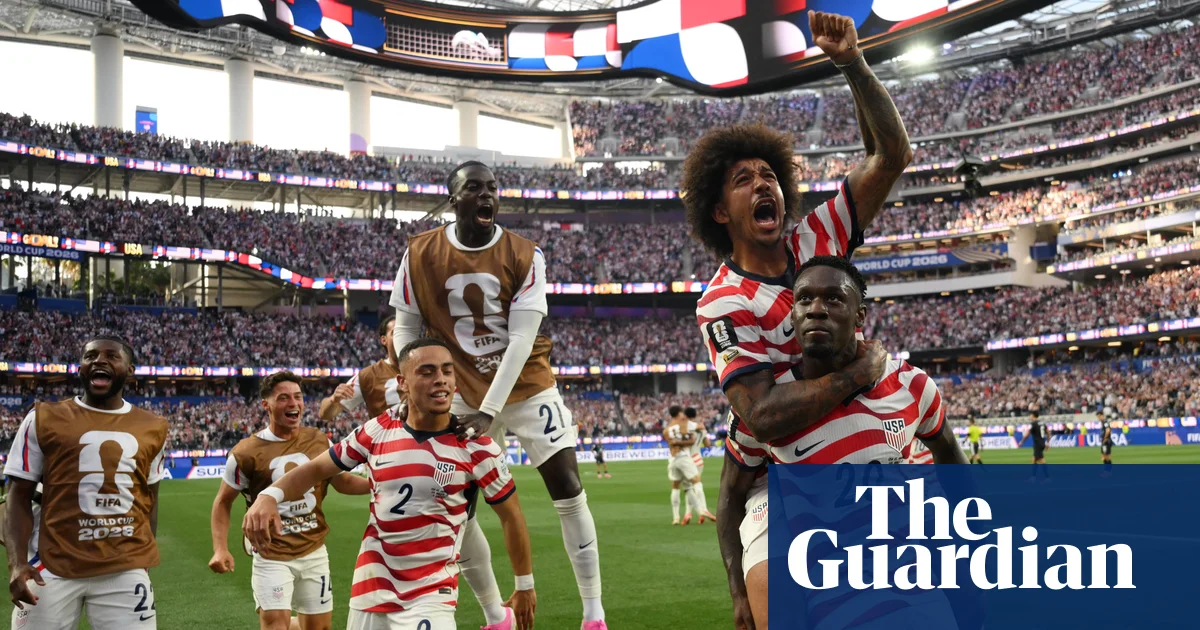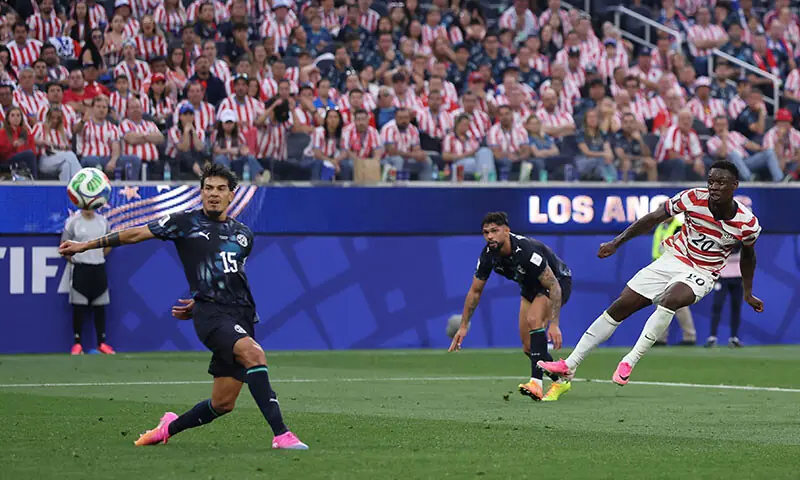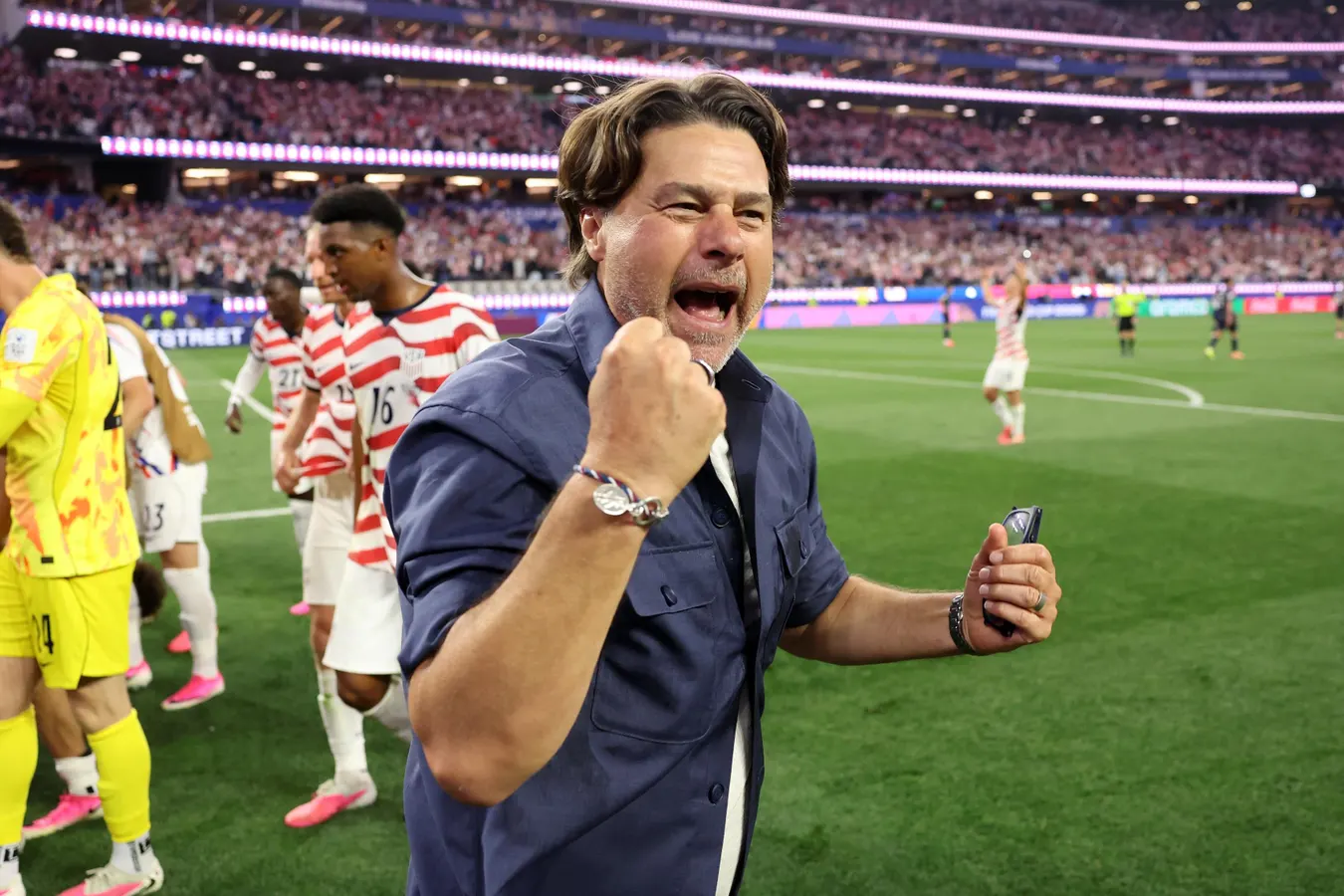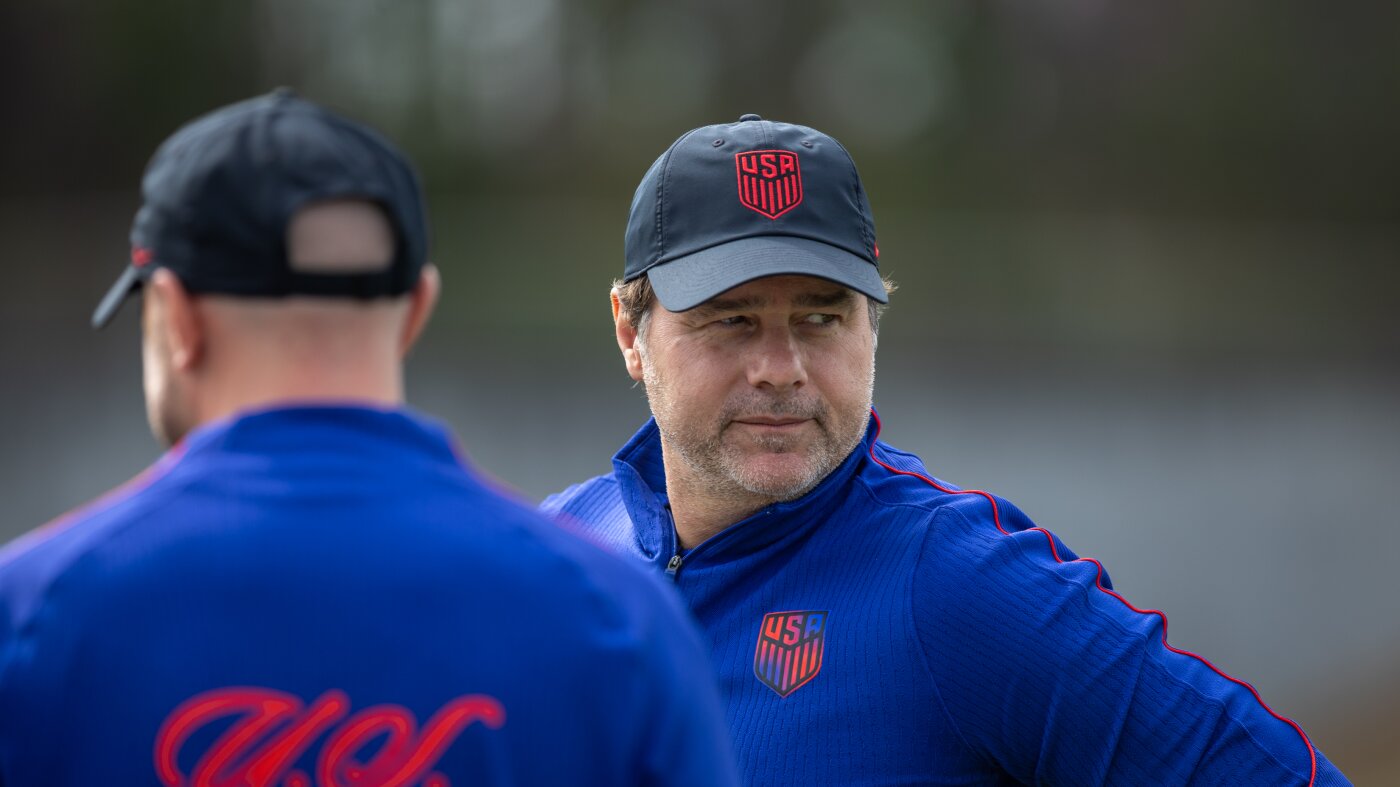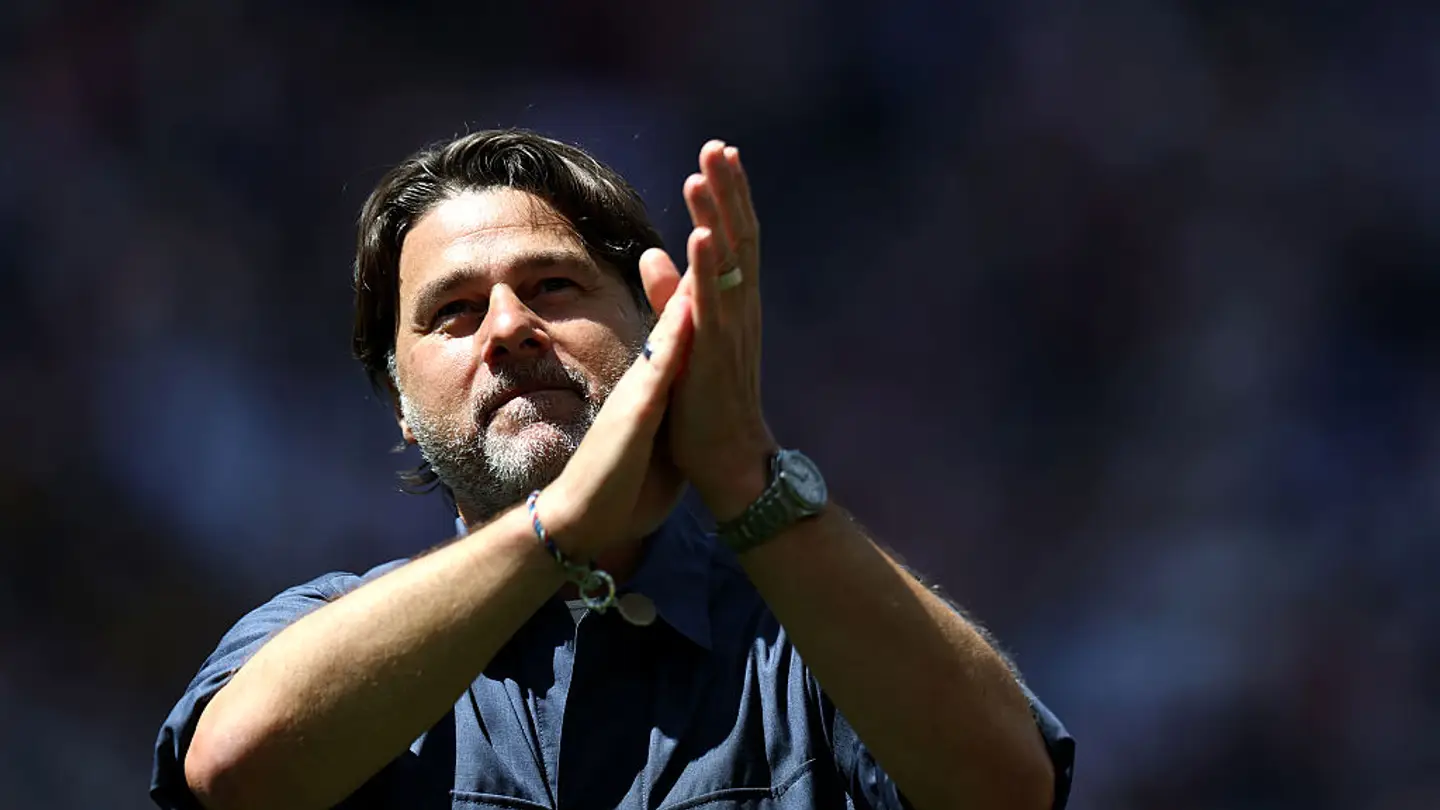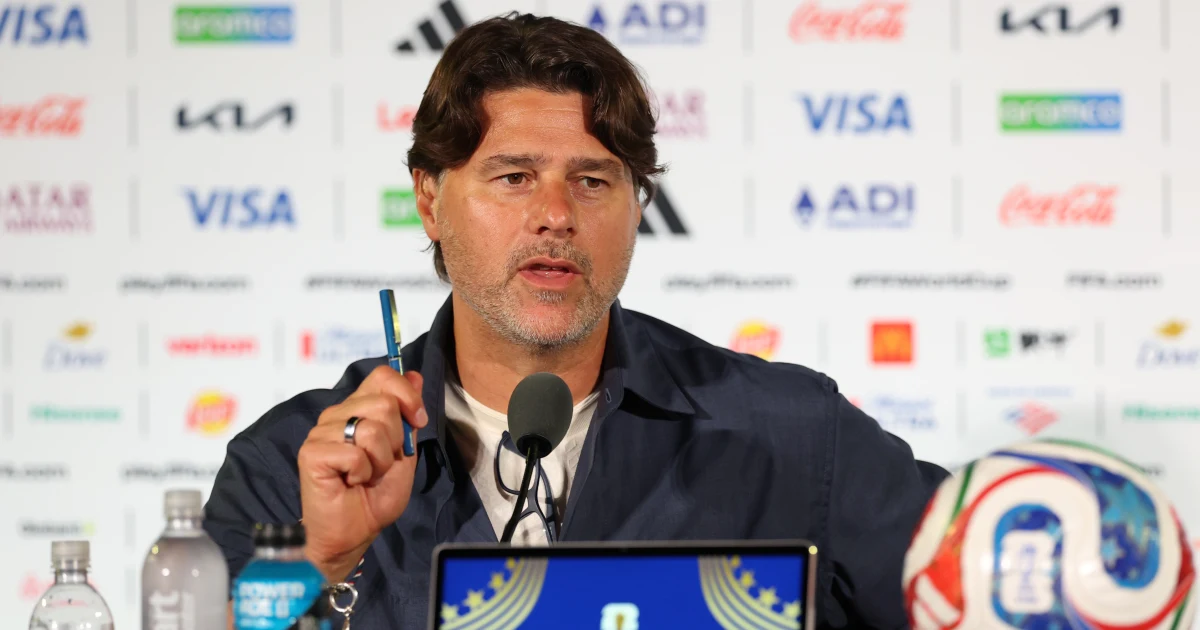
INGLEWOOD, Calif. — As motorized carts drove back and forth inside SoFi Stadium late Friday night, their noise interrupting a postgame news conference, U.S. men’s national team coach Mauricio Pochettino did not try to hide his annoyance. “Call FIFA,” he told a moderator. It was, remarkably, about the only thing that did not go his way during an otherwise dream debut coaching the U.S. in its first World Cup on home soil since 1994.In a dominant 4-1 win over Paraguay, the U.S. scored its most goals in the World Cup. Folarin Balogun became the first U.S. men’s player since 1930 to score multiple goals. And the winning margin of three goals tied for the largest in U.S. men’s history. “It was a great match, was amazing for our fans to see, to watch this type of game,” Pochettino said. “I am so proud, and we are so proud, because I think we are winning a lot of fans.”Pochettino, a 54-year-old Argentine, may have gained a few more among the U.S. fanbase himself, too. Although he had been on the job for 20 months, Friday’s game was unquestionably his biggest opportunity to make an impression on a wider fanbase tuning in to watch the U.S. for the first time. That exposure, however, cut both ways. With no other World Cup games taking place at the same time, the entire soccer world would be scrutinizing the play of the U.S.“I don’t think I’m surprised,” said Christian Pulisic, who set up the first two goals with his attacking down the left side of the field. “Today the effort, everything was there. To me, not a huge surprise but the things were definitely clicking.”Pochettino isn’t the first foreigner to coach the U.S. national team. In fact, he’s the 22nd to attempt to take a lifetime of soccer knowledge learned abroad and improve the U.S. But like every predecessor in his role, his results had been mixed, with a record of 15-10-1 heading into the World Cup. Before this tournament, Pochettino’s biggest test with the U.S. was last year’s Gold Cup. The U.S. made it to the final, but lost to Mexico.Coaching in the spotlight is nothing new for Pochettino. He coached Tottenham to the 2019 Champions League final, managed worldwide superstars Lionel Messi and Kylian Mbappé while at Paris Saint-Germain, and coached one of England’s largest clubs in Chelsea.Yet in those jobs, Pochettino could spend long stretches of the club season around his players. Coaching a national team, in contrast, requires maximizing what little time they have during international breaks. Last fall, Pochettino felt the U.S. had begun developing an identity during wins over Paraguay and Uruguay, but also felt the momentum was gone by the spring. He mixed and matched lineup combinations, assessing 67 different players before landing on a final 26-man roster.When the U.S. team gathered in May to prepare for the World Cup, it represented one of its longest, most uninterrupted stretches together of Pochettino’s tenure — a critical few weeks of preparation that would show whether the U.S. was ready for this tournament. “That is why we were desperate one year ago to work with the whole team, and we didn’t have the possibility,” he said. “We know very well that if you have the possibility to work three, four weeks with a whole group, that you believe ... these type of things can happen.”He continued: “I think they need to know us, we need to know them, to understand what we expect from them. When you only have a few days to reunite and to play, you only select players, but you cannot coach. Only in this type of tournament, the World Cup, because you have a preparation two, three, four weeks, I think that is the only moment that we can coach.”As the U.S. beat Senegal in a late-May friendly, and lost to Germany in its final World Cup tuneup last week, Pochettino stressed to players that “the key was to translate all that expectation and pressure” into energy.They translated it Friday into a one-sided performance against a Paraguay team that had ranked among the stingiest defenses during World Cup qualifying, beating reigning champion Argentina and perennial contender Brazil.“This is a team that is complex because they have answers to every element you throw at them,” Paraguay coach Gustavo Alfaro said, through an interpreter. A lack of offense has long been a concern for the U.S. men, but from the opening minutes Friday the U.S. kept the ball on Paraguay’s half of the field, surveying until they found weaknesses. The first score was an own-goal, a deflection off a Paraguay defender. But the next three were all of U.S. creation, from Balogun’s high-arcing, left-footed shot into the upper left corner to lead, 2-0, to Gio Reyna’s trivela, off the outside of his foot in the final minute. Former U.S. national player Alexi Lalas, who is often critical of the U.S. team, was effusive with his praise, saying on Fox that the 3-0 halftime lead was “the greatest half of group play from a men’s team at a World Cup in history.”Pochettino cautioned multiple times that Friday was just one of three games in the group stage. But this is also the same coach who has not been shy about his confidence in the team. During a podcast appearance, he recalled a conversation he’d had with President Donald Trump in December.“He asked me, ‘Do you think coach, that we can win?’” Pochettino said. “I say, ‘Of course.’ Why not?”
Coaching the U.S. was a big test for Mauricio Pochettino. Then his World Cup opener went ‘amazing’
The U.S. routed Paraguay, 4-1, to win its World Cup debut under the 54-year-old Argentine.
920 words~4 min read