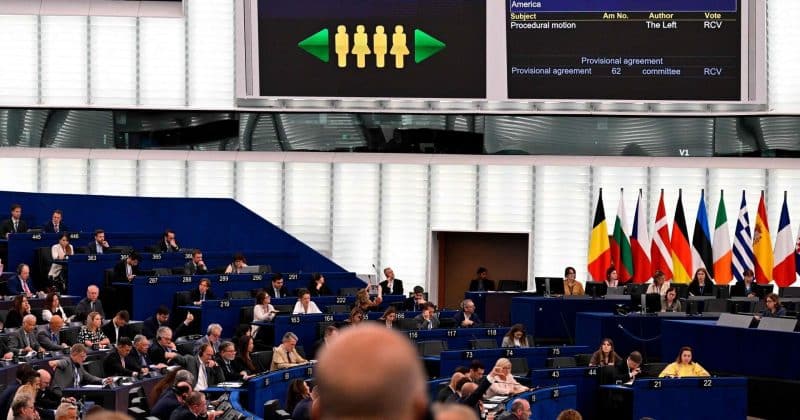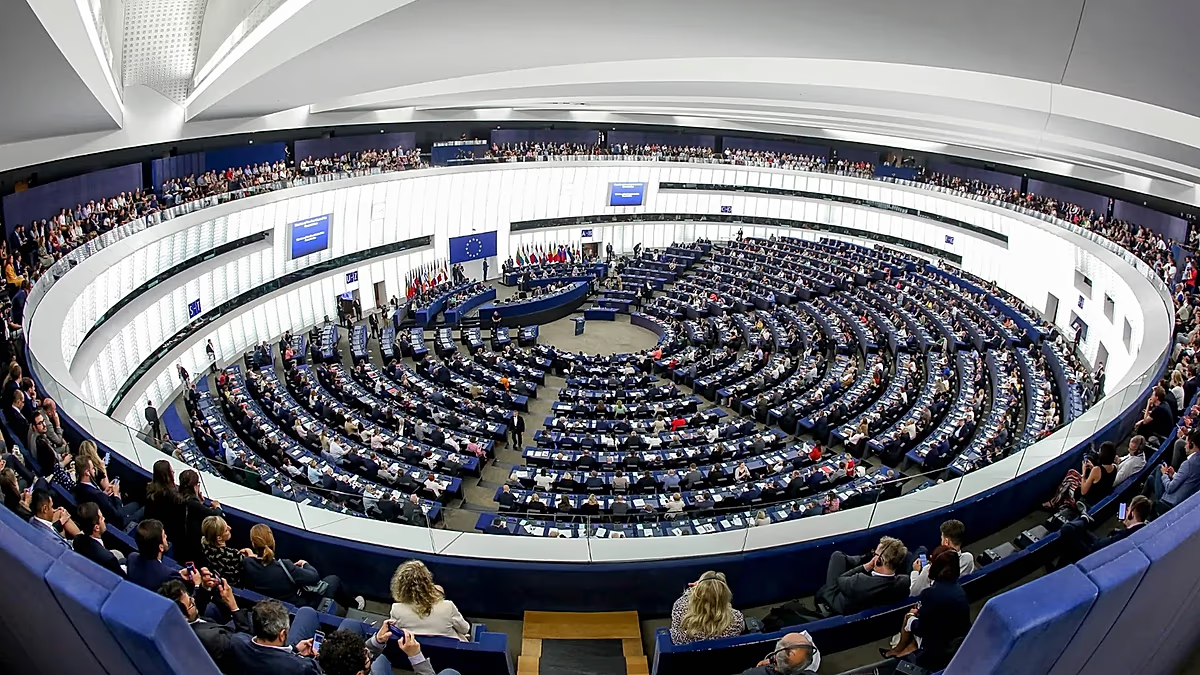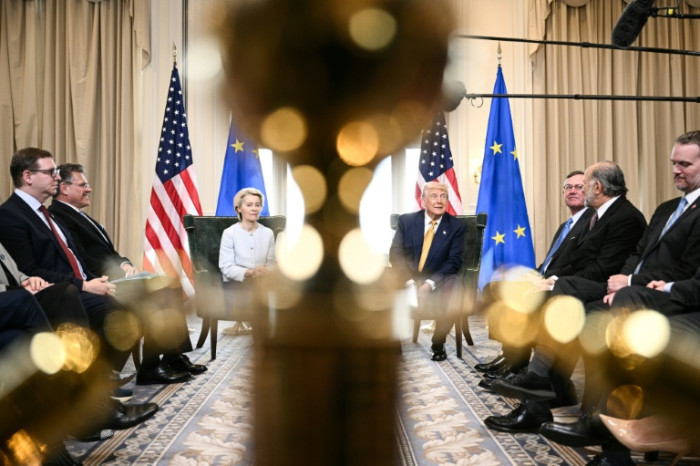
The European Parliament voted on June 16, 2026, to implement the EU-US trade agreement known as the Turnberry Agreement, a framework first struck in July 2025. For German automakers, the vote was both a relief and a reminder that “better than catastrophic” is not exactly the same thing as “good.”
The German Association of the Automotive Industry, known as the VDA, publicly welcomed the parliamentary approval. But the welcome came with a firmly attached asterisk: the 15% US tariff on EU passenger cars and auto parts embedded in the deal still represents a massive financial drag on an industry simultaneously trying to reinvent itself around electric vehicles.
What the Turnberry Agreement actually does
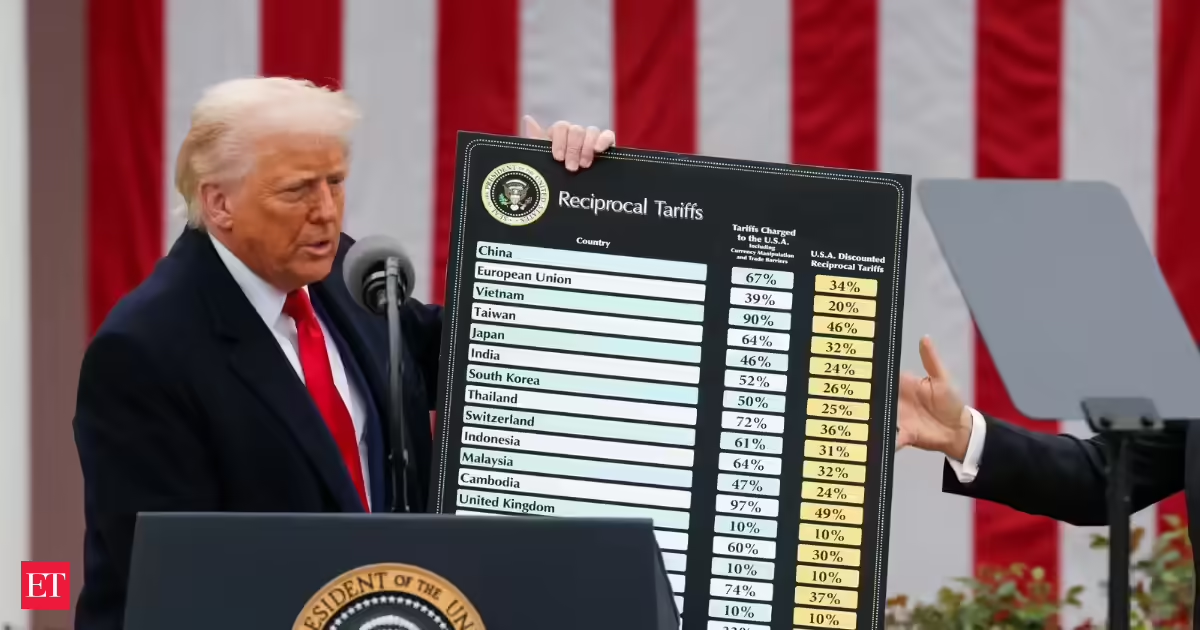
The Turnberry Agreement replaced what had been a spiraling tariff standoff between Washington and Brussels. Under Trump administration trade policy, a 25% tariff on EU automobiles had been floated and repeatedly threatened, creating a fog of uncertainty that made long-term planning nearly impossible for companies like Volkswagen, BMW, and Mercedes-Benz.
The July 2025 framework was designed as a compromise. The US would set its tariff on EU goods at 15%, while the EU would remove duties on US industrial goods entering European markets.