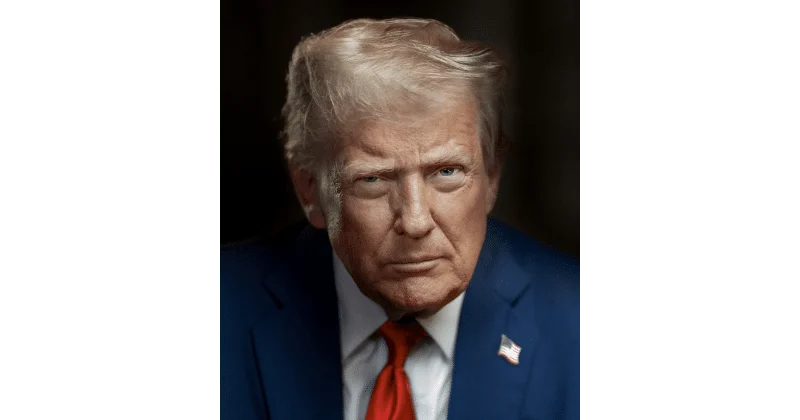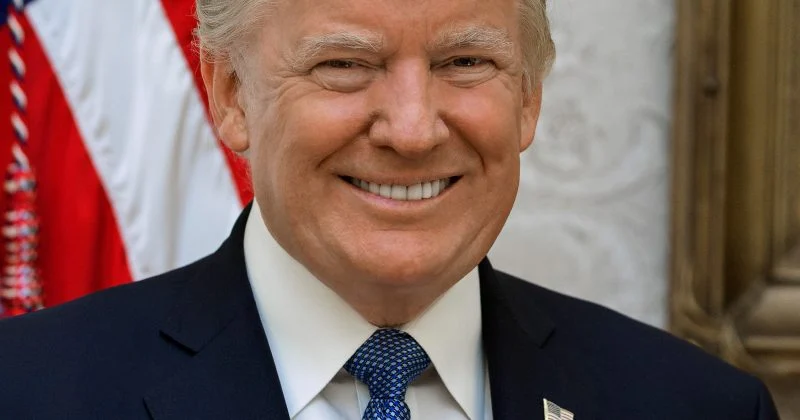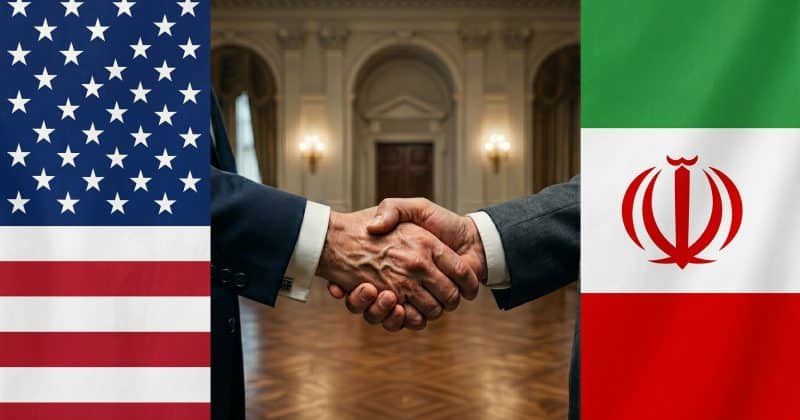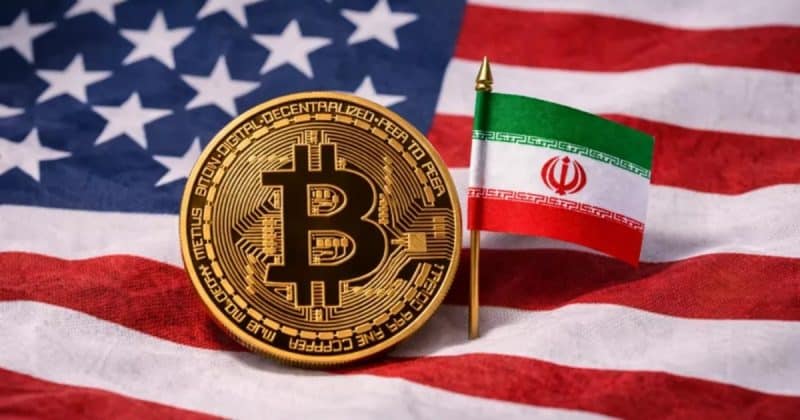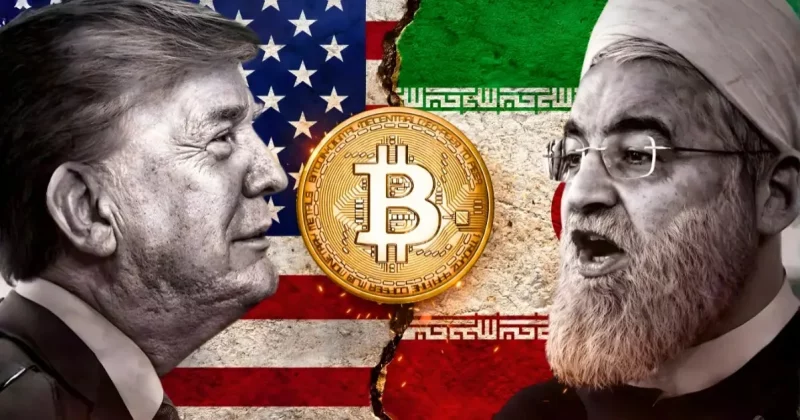
President Donald Trump announced on Tuesday he would send his interim deal with Iran to Congress for review, a move that comes as lawmakers from both parties say they know almost nothing about what the agreement actually contains. The geopolitical signal, however, was loud enough for markets: Bitcoin blew past $66,000 and oil prices dropped approximately 5%.
The agreement, first unveiled on June 15 via Truth Social, centers on reopening the Strait of Hormuz within 30 days, a chokepoint through which roughly a fifth of the world’s oil supply flows. Congressional review would fall under the 2015 Iran Nuclear Agreement Review Act, the same framework that governed the Obama-era nuclear deal.
What’s in the deal, and what’s missing
The interim pact is designed to deliver immediate humanitarian relief while deferring the thornier issue of Iran’s nuclear program to future negotiations. Sanctions relief is tied to specific benchmarks, and the Strait of Hormuz reopening serves as the headline deliverable.
Many senators, including prominent Republicans like Lindsey Graham, have publicly stated they need briefings before they can evaluate the agreement.