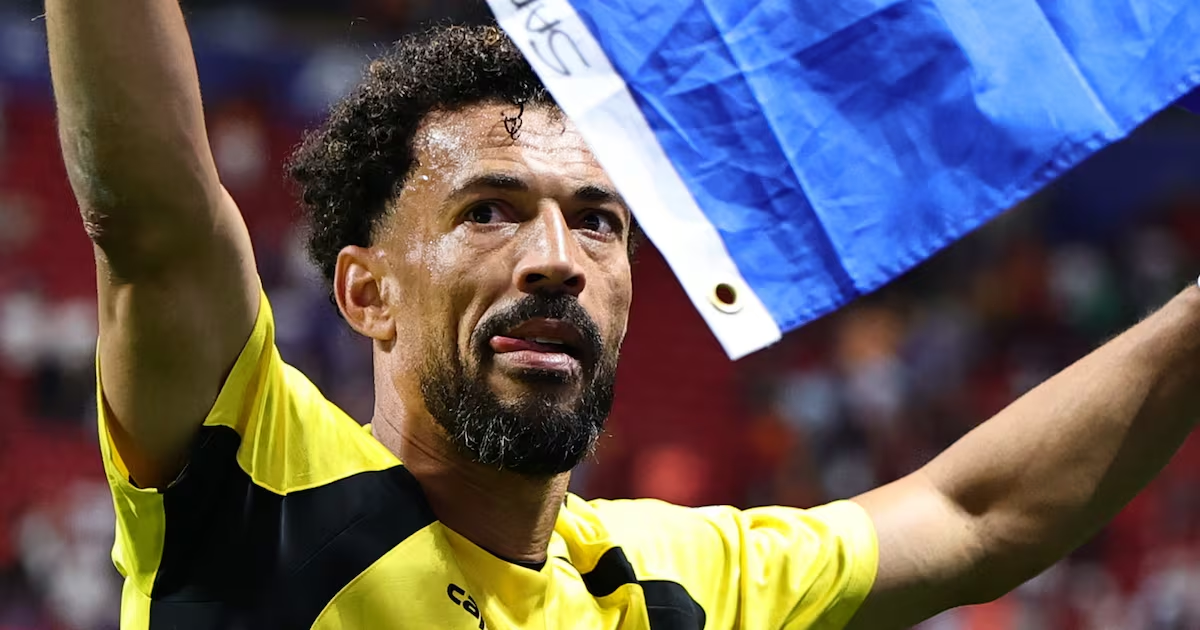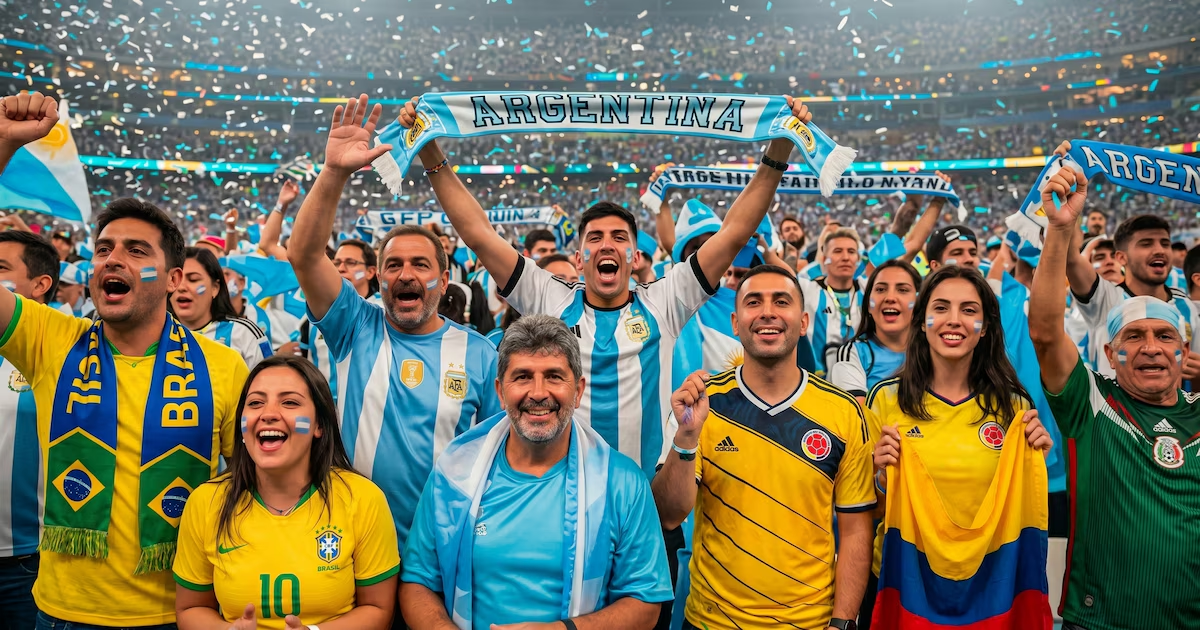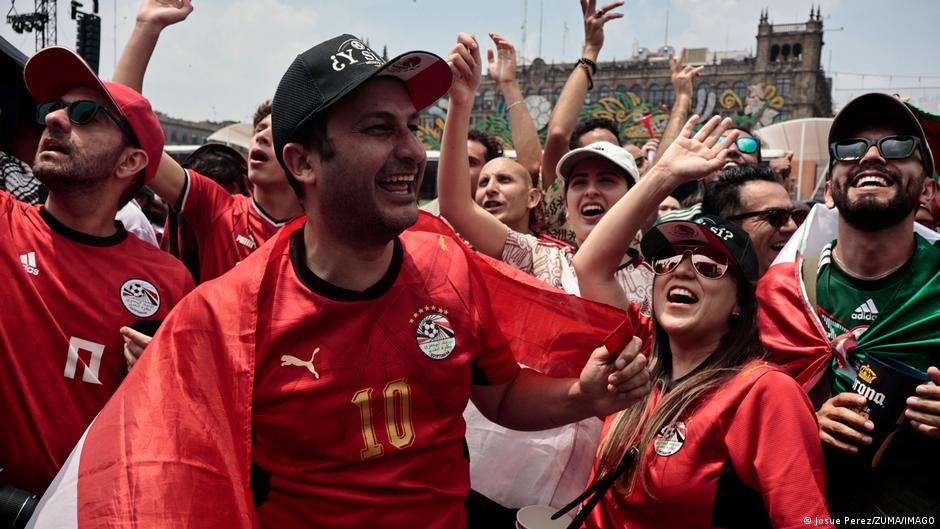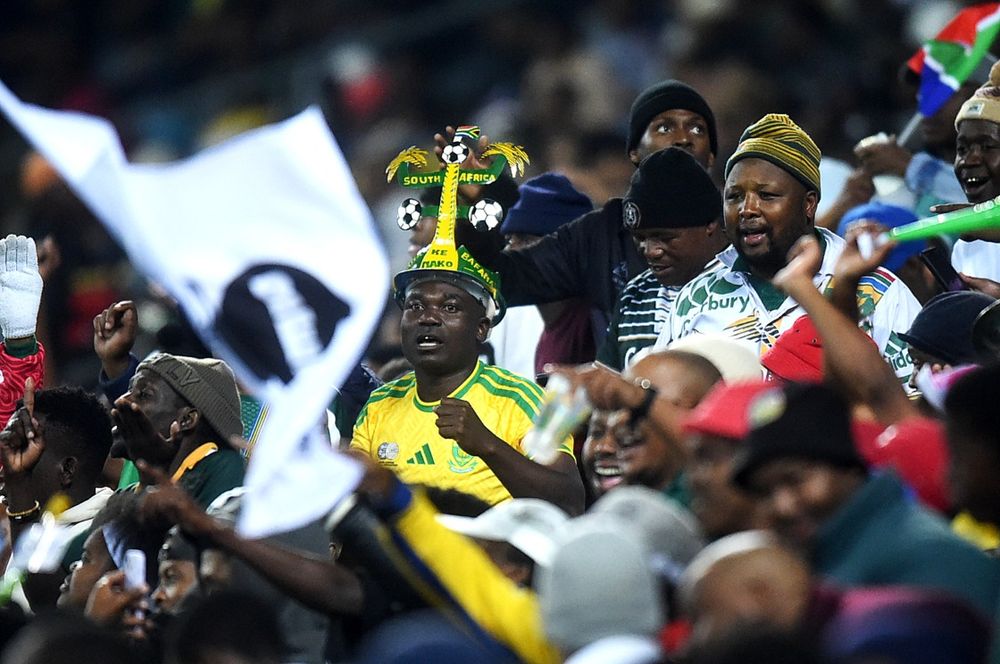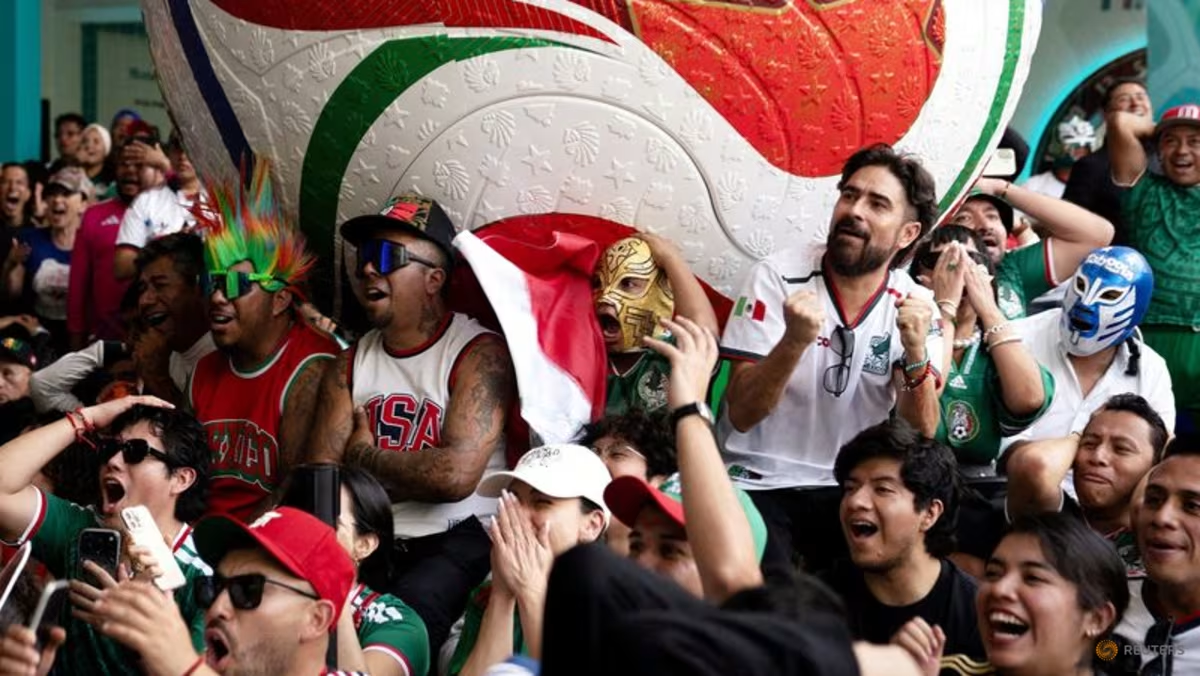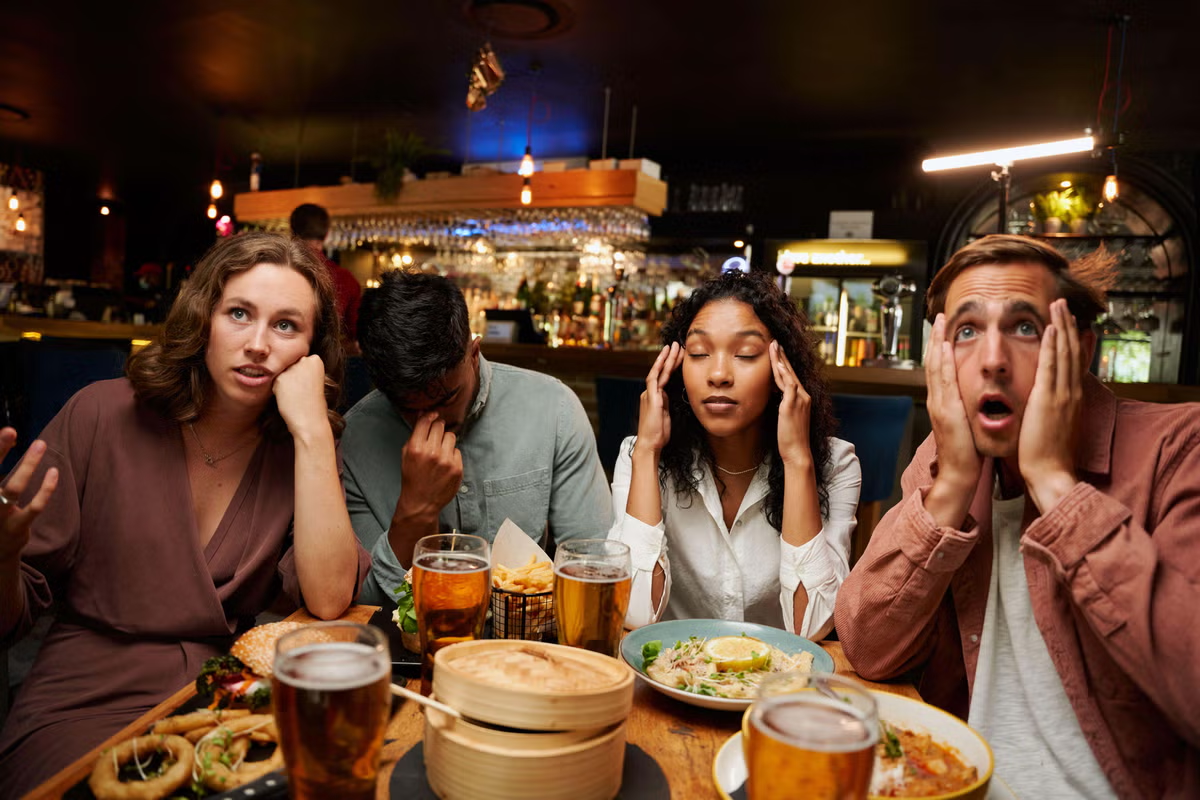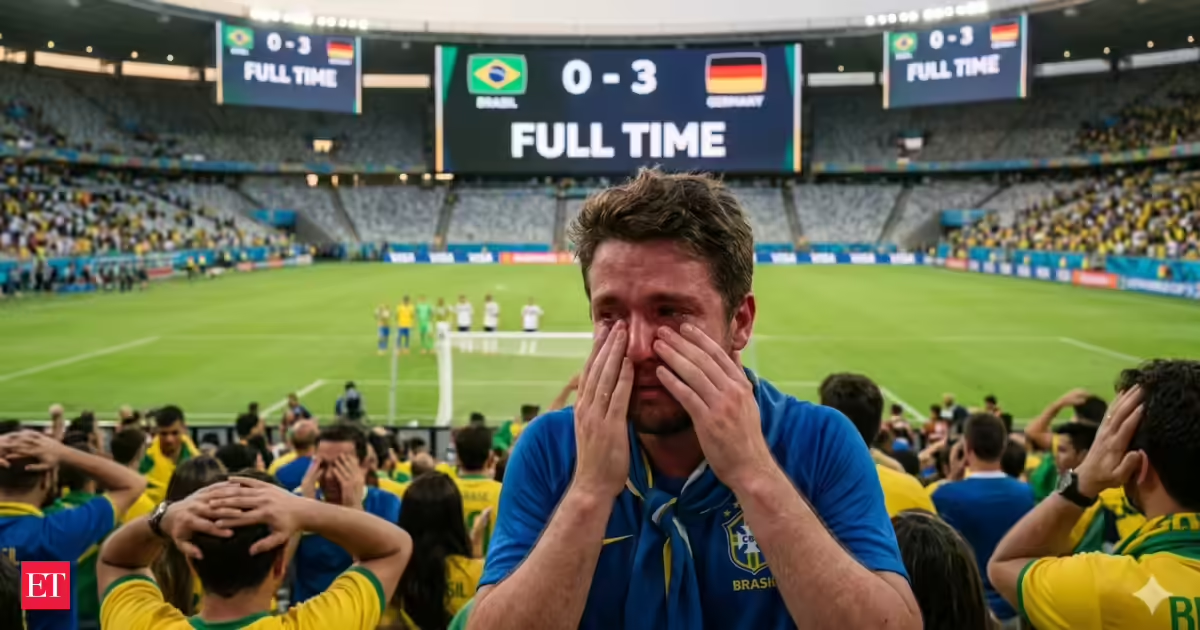
Psychology can help explain why football fans experience such intense emotions during the FIFA World Cup. From celebrating victories as if they were personal achievements to feeling genuinely devastated after a defeat, supporters often form deep emotional bonds with their teams.According to a recent article in Psychology Today, the World Cup is not just a sporting event—it is also a powerful psychological experience that taps into identity, belonging, and shared emotions.ALSO READ: Warren Buffett won’t leave his $100 billion fortune to his childrenWhy Fans Feel Connected to Their TeamsOne of the biggest reasons fans become emotionally invested in football is team identification. Psychologists say that when people strongly identify with a team, they begin to see it as part of who they are.As a result, a team's success can feel like a personal success. This is why supporters often say "we won" after a match, even though they were not on the field.The stronger the connection, the more intense the emotional response. For many fans, supporting a national team during the World Cup becomes an expression of personal and national identity.Why Defeats Can Feel So PainfulThe same psychological attachment that makes victories exciting can also make losses difficult to accept.When a favorite team loses, fans may experience disappointment, frustration, sadness, or even embarrassment. Psychology Today notes that because supporters often connect their identity to their team, defeats can feel surprisingly personal.This emotional reaction is especially common during high-stakes tournaments such as the World Cup, where expectations and national pride are often at their highest.The Sense of Belonging MattersAnother reason football inspires such strong emotions is the feeling of community it creates.Whether watching in a stadium, at a fan zone, or from home, supporters become part of a larger group united by a common goal. Psychologists say this shared experience strengthens social bonds and creates a powerful sense of belonging.During the World Cup, entire nations often come together to cheer for the same team, making the tournament about much more than football.Why Fans Follow Lucky RitualsMany supporters wear lucky jerseys, sit in the same spot during matches, or follow specific pre-game routines.According to psychologists, these superstitions help fans feel a sense of control during an event where they have little influence over the outcome. While the rituals do not affect the result on the pitch, they can reduce anxiety and make fans feel more involved in the experience.More Than Just a GamePsychology Today suggests that the emotional highs and lows of the FIFA World Cup stem from fundamental human needs for identity, connection, and belonging.That is why a goal scored in the final minutes can spark euphoria across a nation, while a heartbreaking defeat can leave millions disappointed. For fans, the World Cup is not just about football—it is about feeling part of something bigger than themselves.
Why FIFA World Cup wins feel like personal triumphs and losses hurt worse than a breakup
The FIFA World Cup triggers intense emotions in fans due to deep psychological connections with their teams, tapping into identity and belonging. Victories feel personal, while defeats can be devastating, reflecting the strong emotional investment. These shared experiences foster a powerful sense of community and belonging, making the tournament more than just a game.
466 words~2 min read