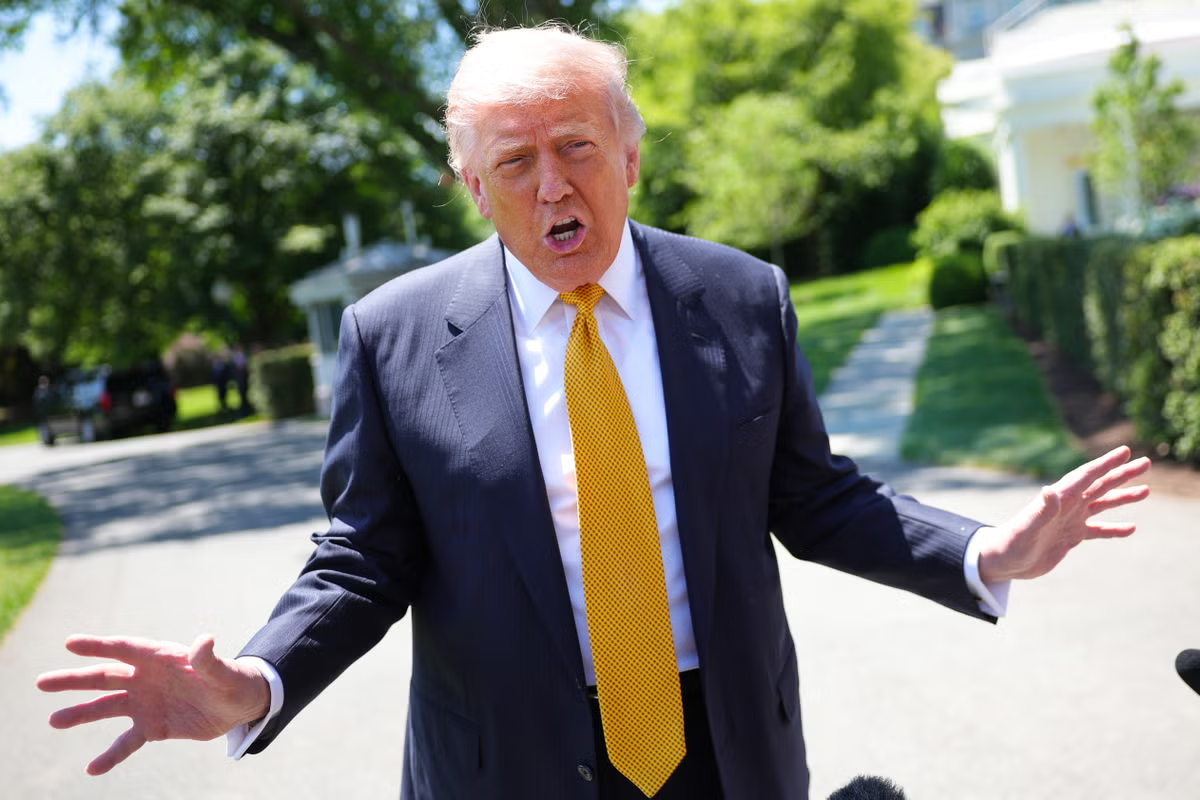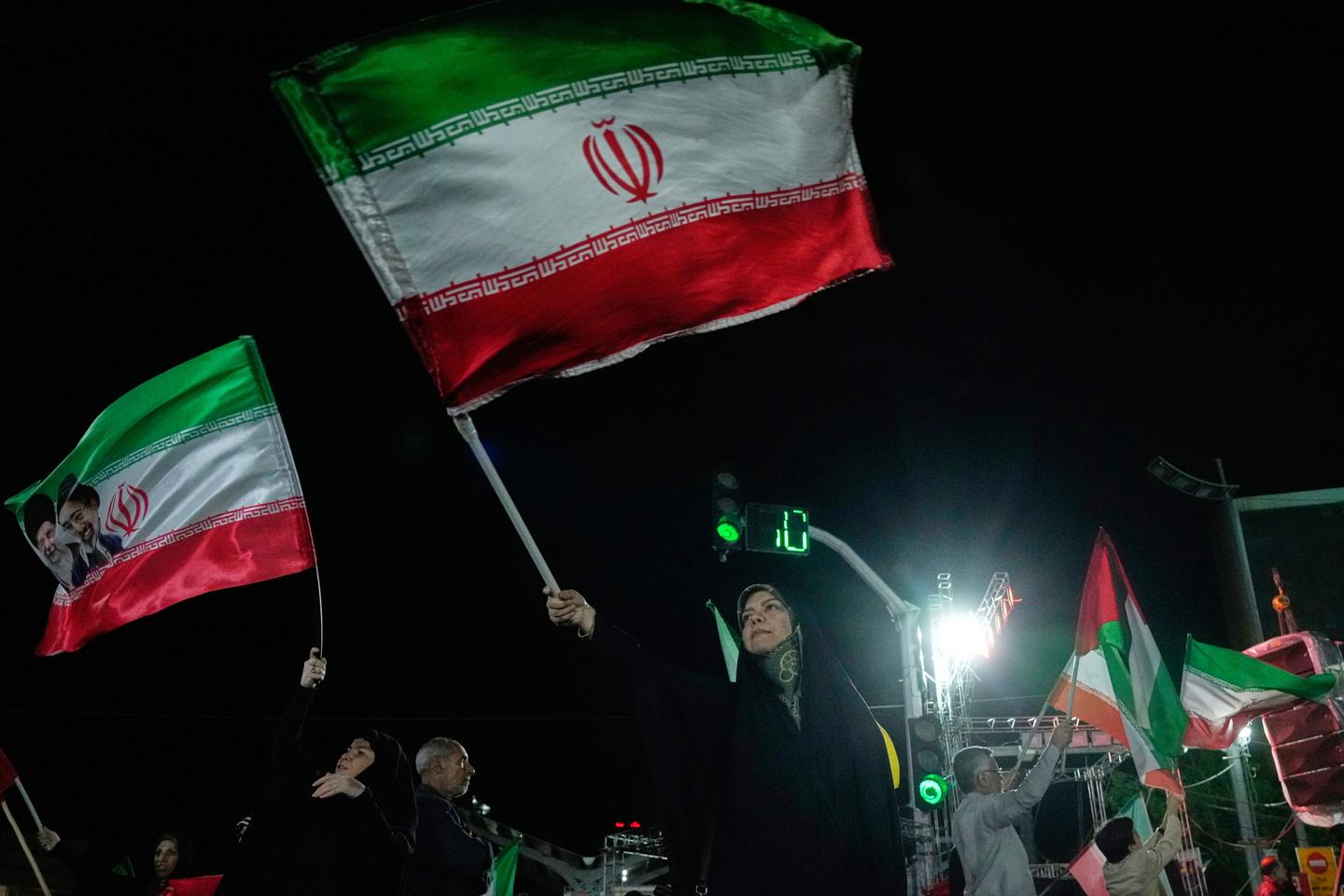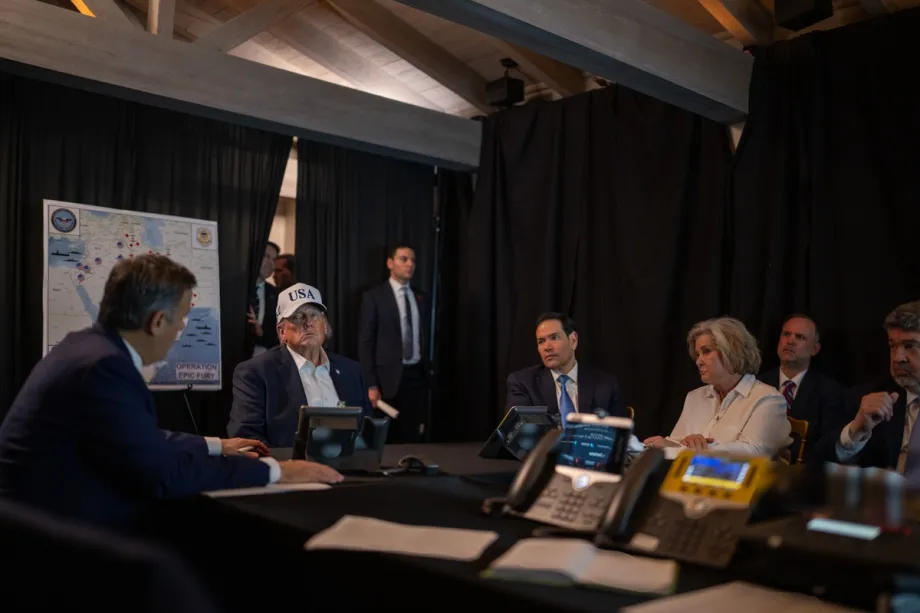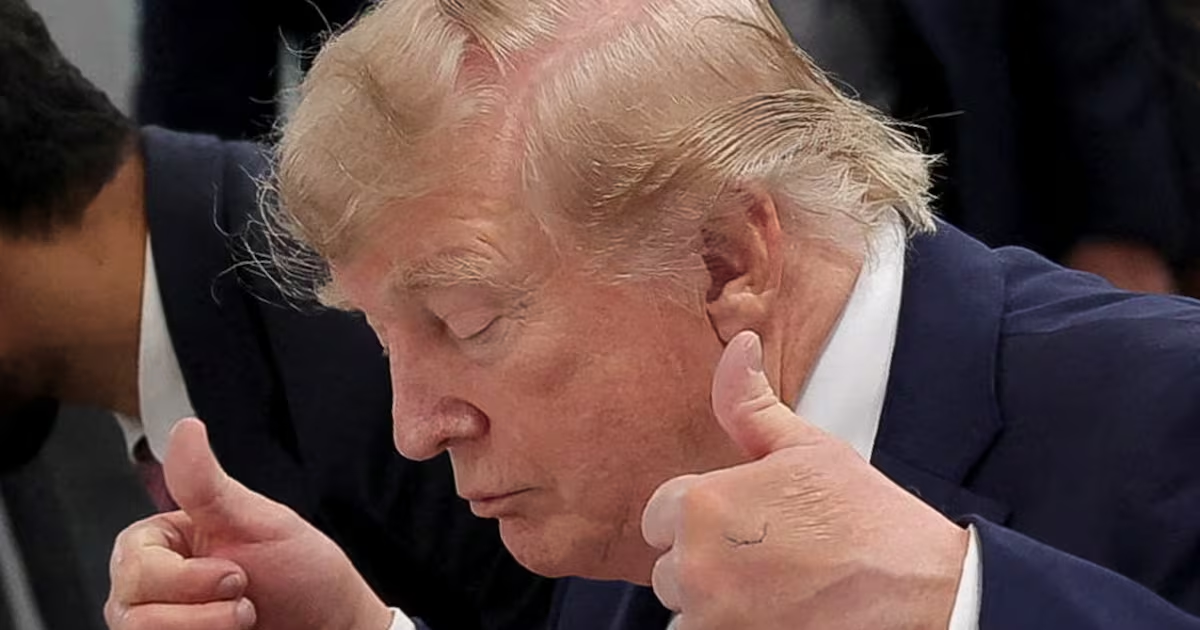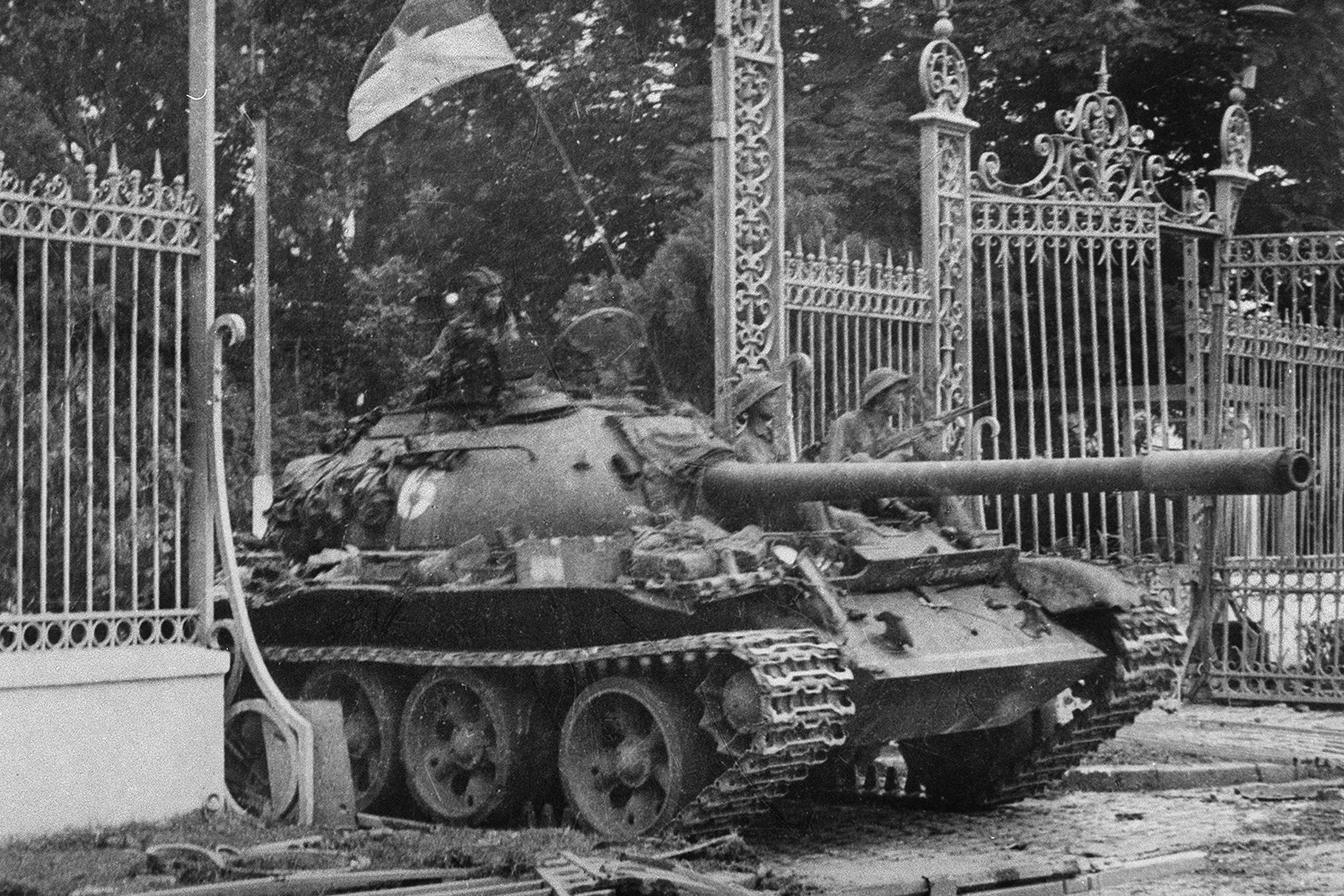
At his second inaugural, U.S. President Donald Trump pronounced his hope “that our recent presidential election will be remembered as the greatest and most consequential election in the history of our country.” By losing his Gulf war, Trump has achieved that goal. His choice to launch a campaign against Iran was encouraged by others, but fully his own. It has led to a reversal that marks a strategic calamity far greater than the U.S. defeat in the Vietnam War.
Defeat in the Iranian war looks, on the surface, nothing like other U.S. military defeats. The speed of the war and its remoteness have lent an air of unreality to the whole endeavor. The White House has not been burned, as it was in 1814; there have not been protests against a nonexistent draft. Even from my perch in Doha, where for the first weeks I could see and hear the war of missiles above my head, the past several weeks have been confusing. While shopping for groceries, filling my tank up with still-cheap petrol, and carrying on a Zoom call with distant co-authors, I have asked myself repeatedly, “Is this a war zone?”
At his second inaugural, U.S. President Donald Trump pronounced his hope “that our recent presidential election will be remembered as the greatest and most consequential election in the history of our country.” By losing his Gulf war, Trump has achieved that goal. His choice to launch a campaign against Iran was encouraged by others, but fully his own. It has led to a reversal that marks a strategic calamity far greater than the U.S. defeat in the Vietnam War.