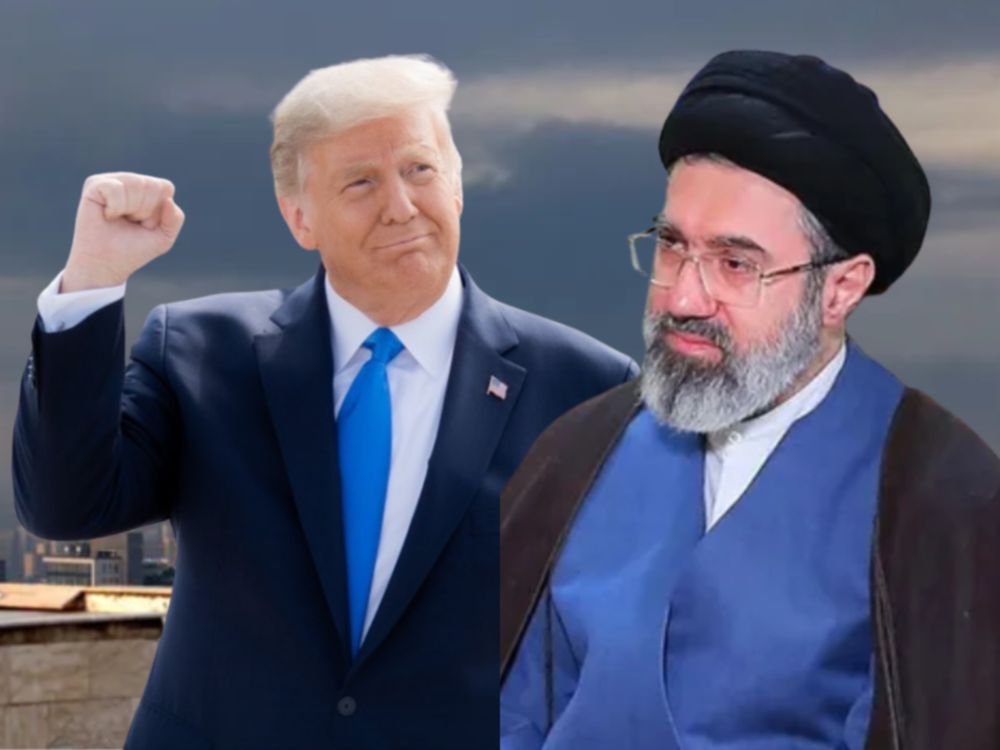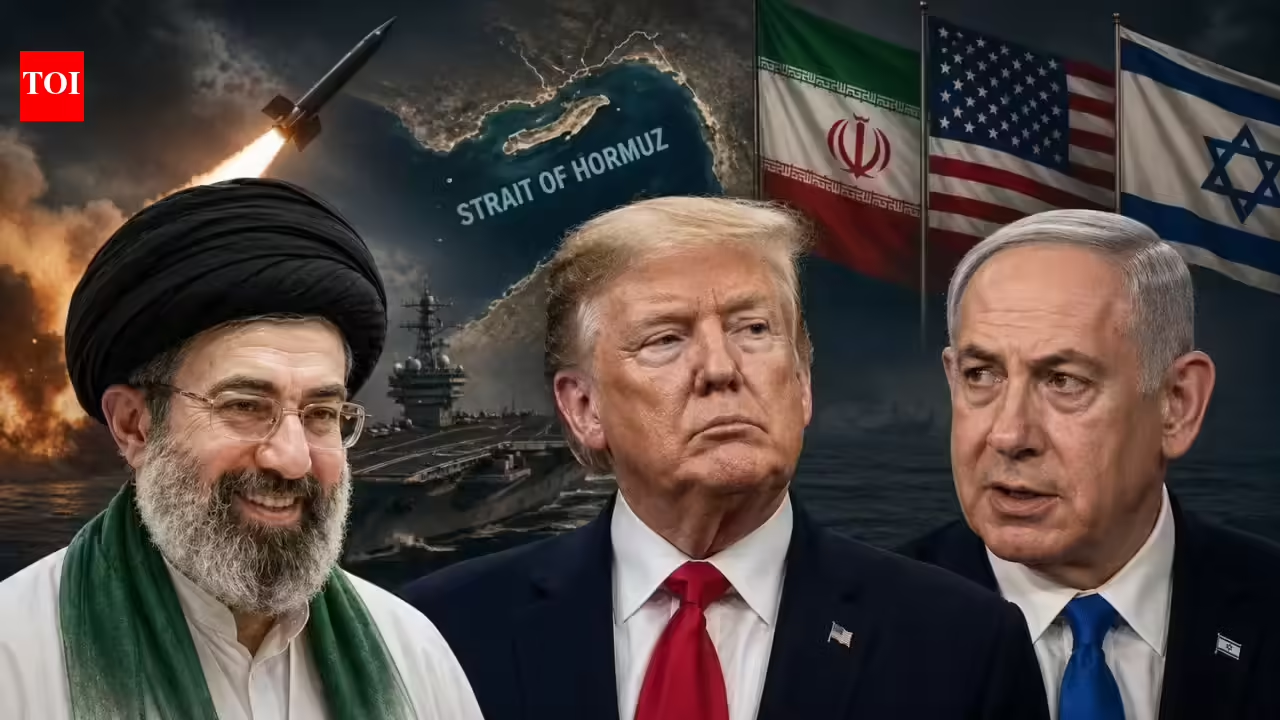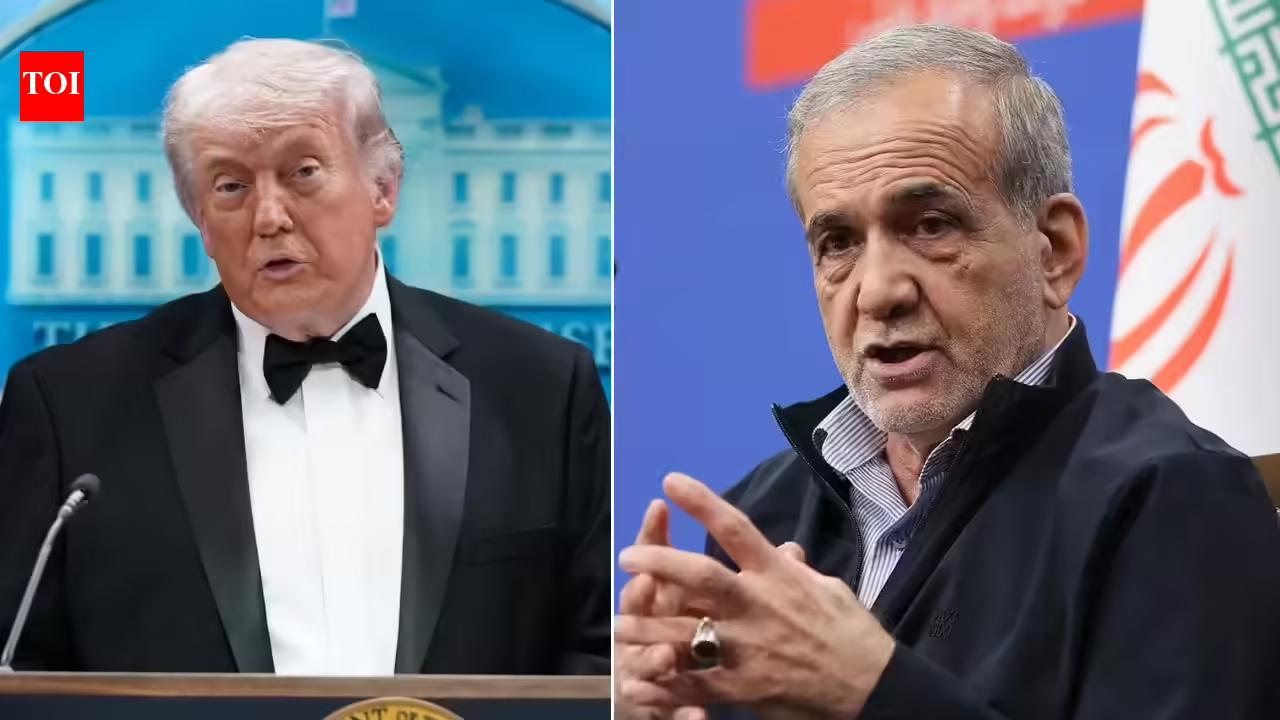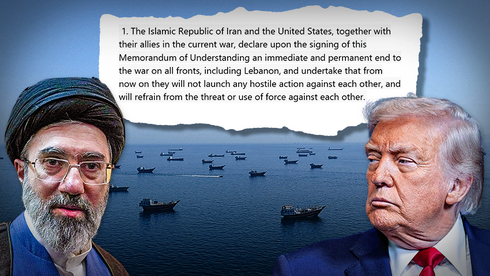
Purported text of undisclosed memorandum of understanding suggests Tehran would receive immediate oil sanctions relief, a path to recovering frozen assets and up to $300 billion in economic support, while nuclear issues are deferred to future talksThe authenticity of the document, circulating among Iranian exiles and published by Saudi broadcaster Al Arabiya, could not be independently verified. Its contents, however, appear to align with recent reports that Iran would receive a waiver from sanctions on oil sales immediately after signing the memorandum, before negotiations on a final nuclear agreement begin.2 View gallery Iranian Supreme Leader Mojtaba Khamenei, US President Donald Trump (Photo: Hamed Jafarnejad/ISNA/WANA (West Asia News Agency) via Reuters, AP/Alex Brandon, Reuters/Stringer)U.S. President Donald Trump has said the memorandum was signed electronically but will be released only after a formal signing ceremony Friday in Switzerland.Israel, which has expressed deep concern about the agreement, asked the United States to see the final text but was refused. Israel’s ambassador to Washington, Yechiel Leiter, said Tuesday that Israel still does not know what the final document contains.According to the purported text, Iran, the United States and their wartime allies would declare an immediate and permanent end to hostilities on all fronts, including Lebanon, where Israel has been fighting Hezbollah, and would commit not to threaten or use force against one another.The document says the two countries would respect each other’s sovereignty and territorial integrity and refrain from interfering in each other’s internal affairs.It also says the parties would negotiate a final agreement within 60 days, with the possibility of an extension by mutual consent.Under the alleged memorandum, the United States would immediately lift its naval blockade on Iran and refrain from interference with Iranian shipping. Vessel traffic would be restored to full capacity within 30 days, proportional to Iran’s prewar shipping volume. The United States would also withdraw forces from surrounding areas within 30 days after a final agreement is signed.One of the most significant clauses says the United States and its regional partners would create a comprehensive economic reconstruction and development plan for Iran, guaranteeing at least $300 billion in funding. The mechanism for that plan would be drafted within 60 days as part of the final agreement.2 View gallery Uranium enrichment centrifuges at the nuclear facility in Natanz, Iran (Photo: AP)The document also says Washington would commit to ending, on a timetable to be agreed in the final deal, all sanctions facing Iran, including UN Security Council measures, International Atomic Energy Agency board resolutions and unilateral U.S. primary and secondary sanctions.On the nuclear issue, the text says Iran reiterates that it will never produce nuclear weapons. It says the fate of Iran’s enriched material and other nuclear-related issues, including Iran’s nuclear needs, would be addressed in the final agreement.Until then, both sides would preserve the status quo: Iran would maintain its current nuclear program, while the United States would not impose new sanctions or reinforce its military presence in the region.The document says the U.S. Treasury would issue waivers immediately after the memorandum is signed for Iranian crude oil, petrochemical products and related services, including banking, insurance and shipping.It also says Iran’s frozen or restricted funds and assets would be released as negotiations progress toward a final deal. The money would be made fully available for payments to beneficiaries designated by Iran’s central bank, with Washington issuing the necessary permits and licenses.The purported memorandum also calls for an implementation mechanism to oversee the final agreement and says Iran and the United States would enter final negotiations after receiving guarantees that clauses on shipping, sanctions waivers and frozen assets were being implemented.The final agreement, according to the document, would be approved through a binding UN Security Council resolution.
'Secret' US-Iran memo leaked? This is what the deal says
Purported text of undisclosed memorandum of understanding suggests Tehran would receive immediate oil sanctions relief, a path to recovering frozen assets and up to $300 billion in economic support, while nuclear issues are deferred to future talks
617 words~3 min read