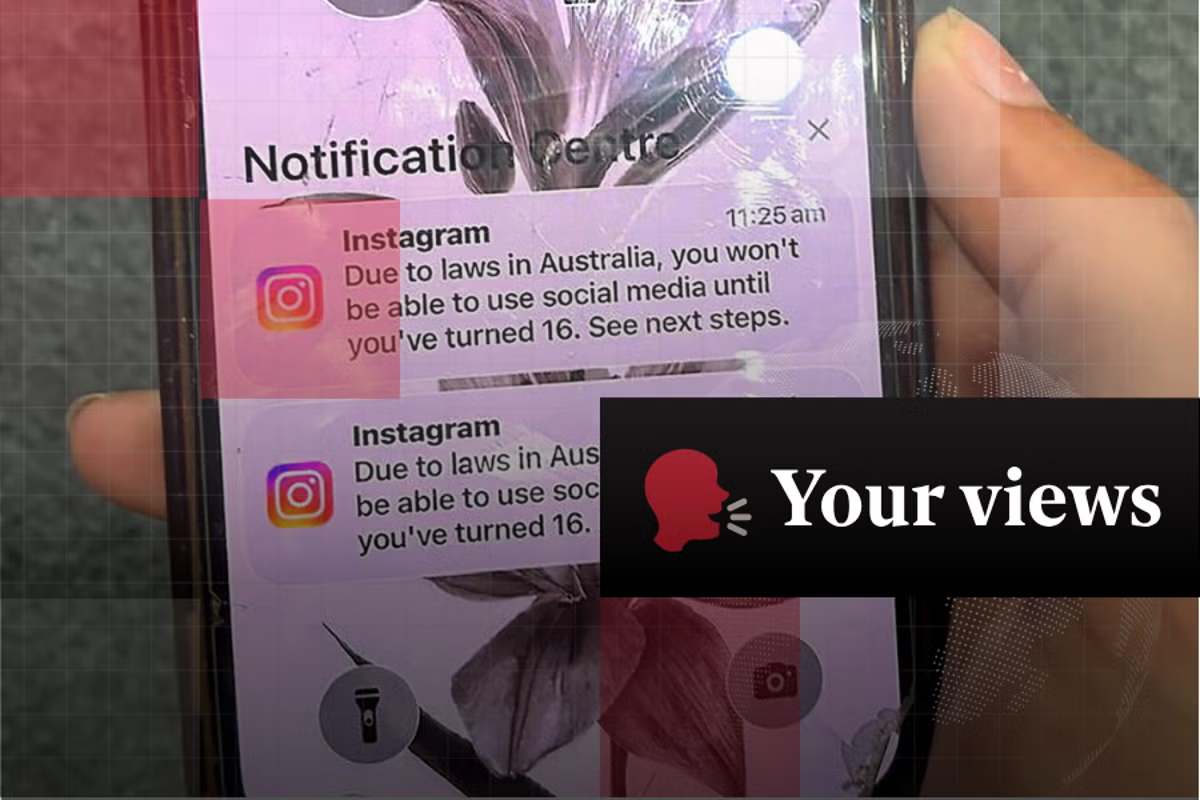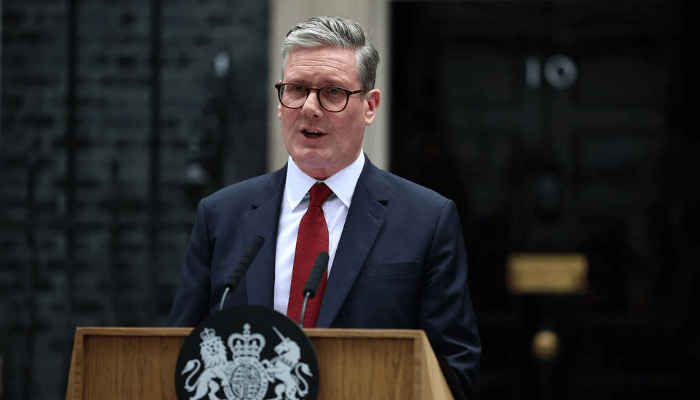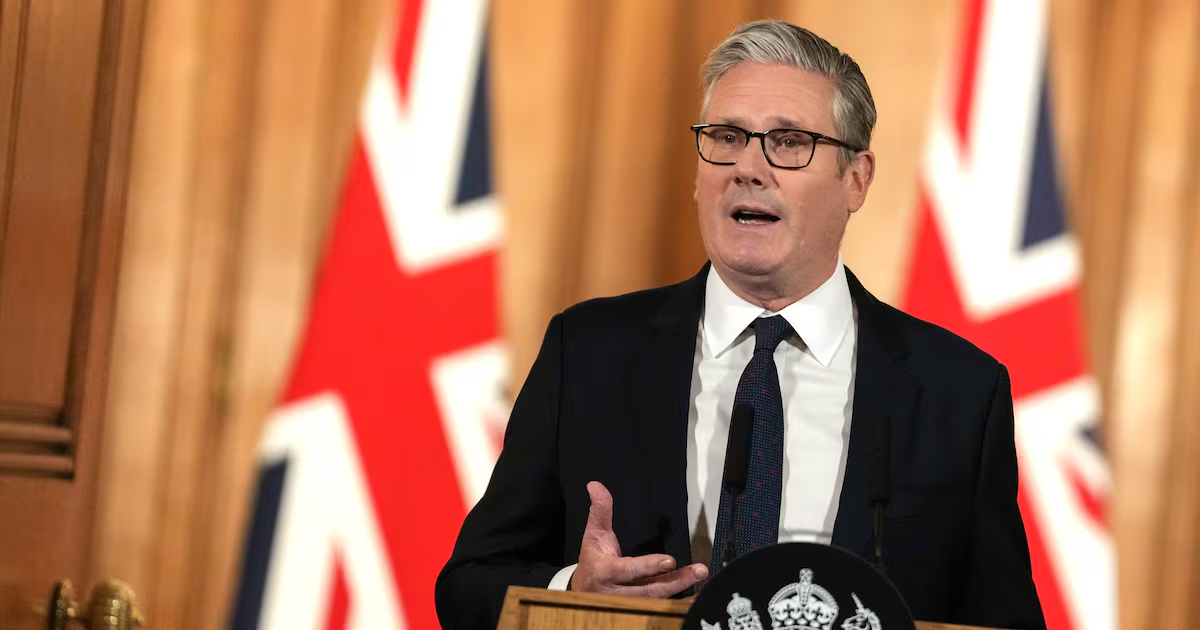
The decision by Britain’s embattled prime minster, Keir Starmer, to press ahead with a ban on social media for under-16s has cut across the Irish Government’s strategy – carefully calibrated or cowardly, depending on your perspective – for addressing the issue. The Coalition has sought to tread a fine line between dealing with something of real public concern and its desire to maintain good relations with the US social media companies that are vital to the Irish economy. It is also eager not to incur the wrath of an irascible US president.The result is a commitment to address the issue – including a ban on social media for under-16s – but a preference for doing so in lockstep with the rest of the European Union. It is a fudge and progress has been slow.Starmer – who is expected to face a leadership challenge shortly which he may well lose – is less fettered by such realpolitik concerns. A centrist at heart, his bold decision undoubtedly has much to do with his efforts to hold on to his job.While social media bans for teenagers have significant popular support, the case for them is not clear-cut. The Oireachtas Committee on Media recently rejected recommending a ban for under-16s. Instead, it called for social media platforms to disable their recommender algorithms entirely for children and by default for people over 18. Their view was that cutting off the problem at its source would be more effective that trying to police it. The Australian social media ban on under-16s, introduced last December has had mixed results with high levels of evasion by teenagers. The UK government believes it can counter some of these problems through stronger age verification and wider limits to the potentially harmful features available to young people on the platforms. Ireland similarly plans tougher age verification via a State digital ID or wallet. The reality is that while such measures may make it harder for teenagers to circumvent ban, they will still find ways around them; such is the draw of social media. But at the same time what cannot be disputed is that concern about social media’s impact on teenagers’ mental health is widespread and growing. Governments are – correctly – under pressure to do something.The response of Patrick O’Donovan, the Minster responsible for media, to the UK’s move has been to double down on the current strategy. He said that he will insist that a combined EU approach is a priority during the Irish presidency and that Ireland will press ahead with its own ban if he did not feel “adequate progress” was made. That holding position will only work for so long. Soon the Government must get off the fence.
The Irish Times view on the UK social media ban: Ireland must get off the fence
The Irish Government wants to address the issue as part of a EU initiative, but progress has been slow
452 words~2 min read