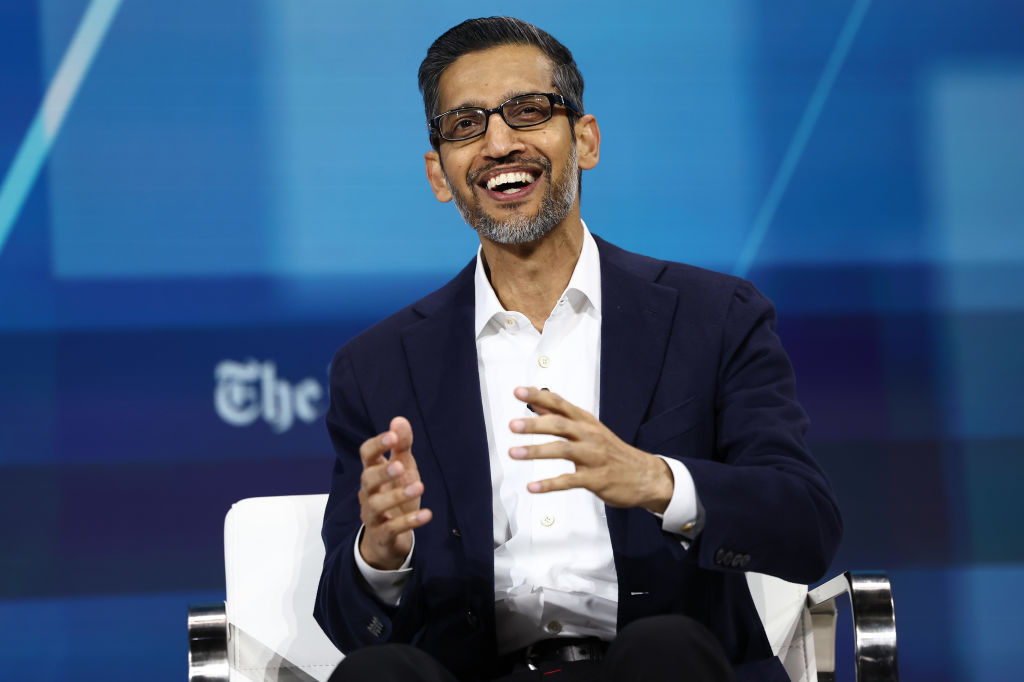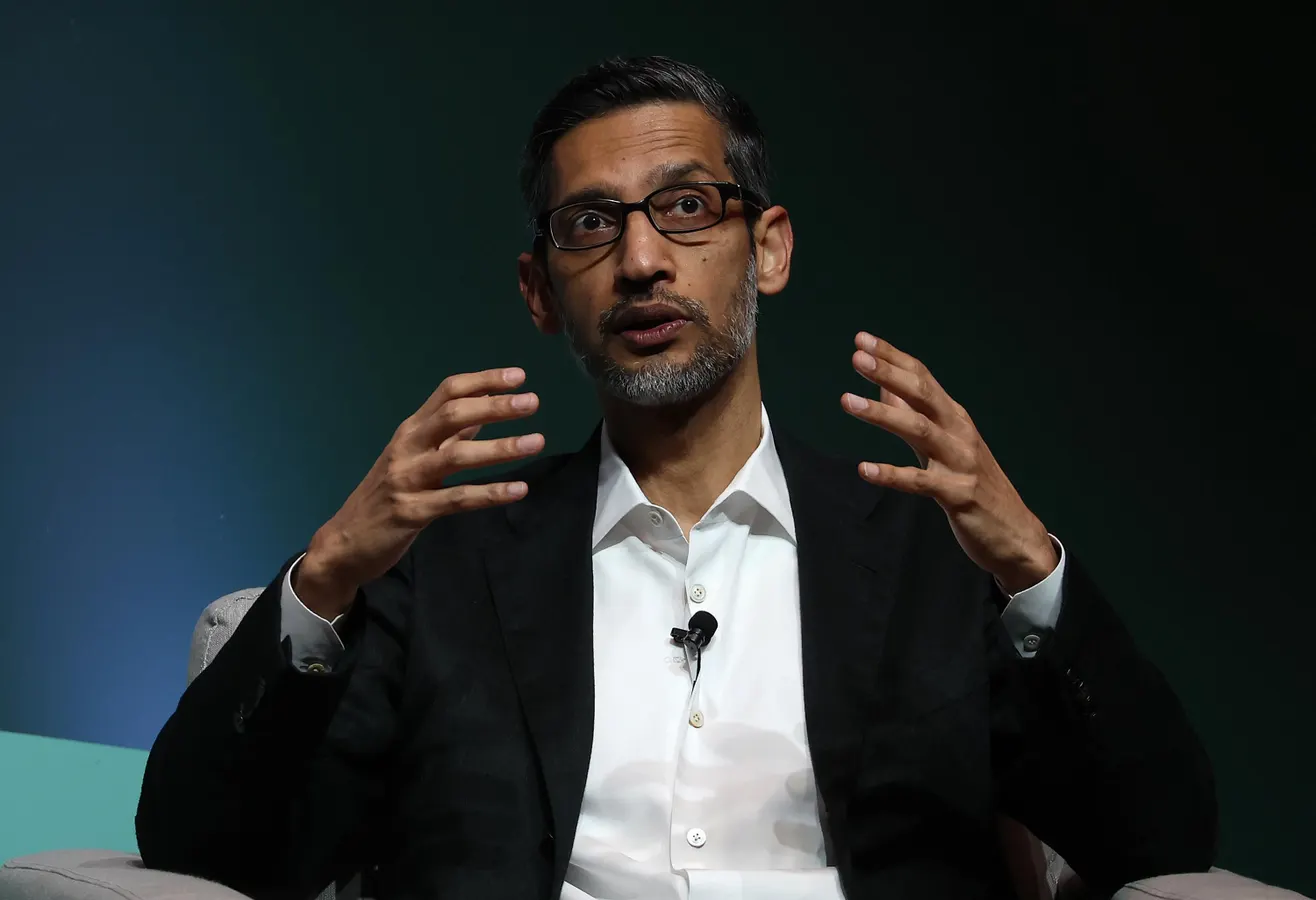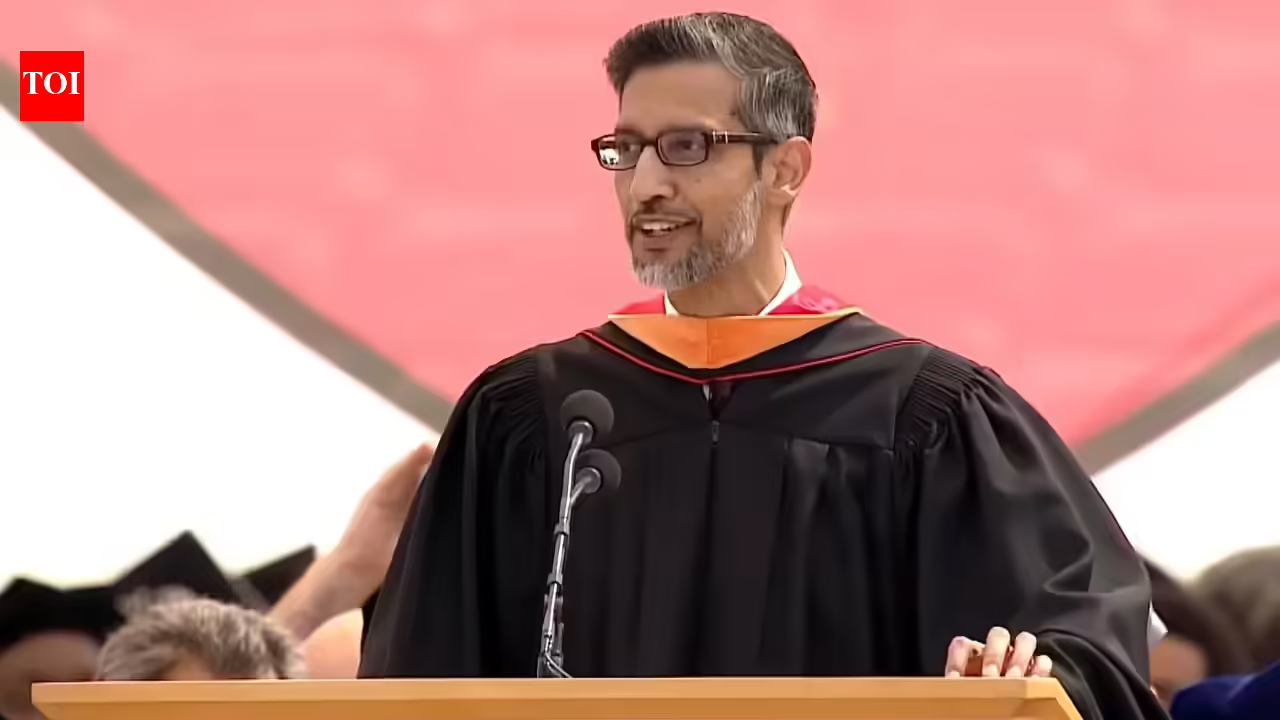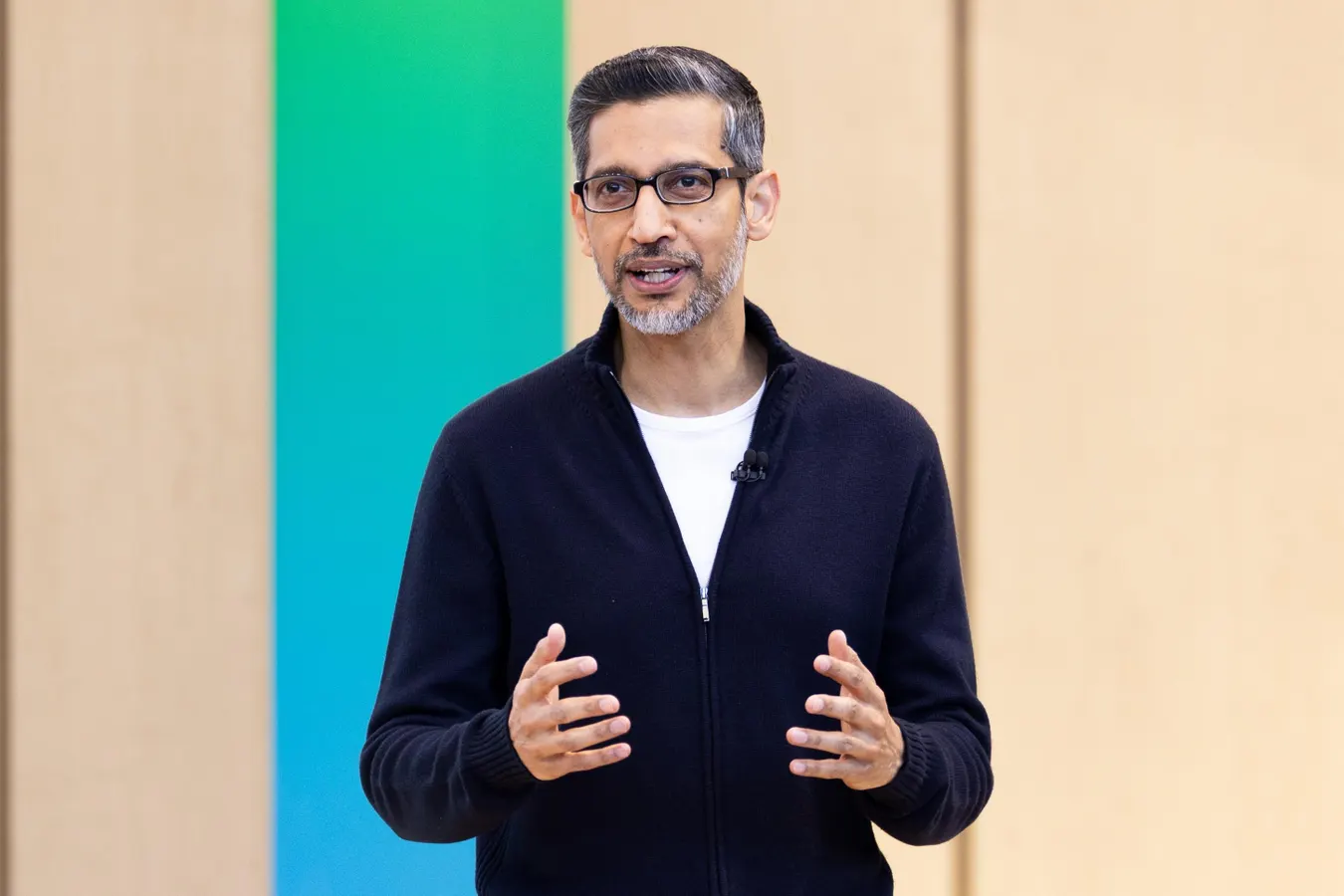
Benjamin Fanjoy/Getty ImagesDespite Google and corporate parent Alphabet being at the center of the artificial intelligence revolution, CEO Sundar Pichai avoided any mention of AI and how it’s reshaping today’s workforce in his recent commencement address at Stanford University.In fact, when speaking to the 2026 class, the tech CEO whose $1.7 billion net worth earned him a spot on Forbes’ 2026 World’s Billionaires List, said the most timeless advice he’s received is “technology agnostic,” adding that “it’s about you, the life you want to build for yourself, and the choices that help you pursue that life.”But while Pichai managed to avoid the boos that many of his commencement speaker peers have received for touting AI, his speech unfolded against a backdrop of students walking out in protest of Google’s ties to the Israeli government and its controversial contracts with the U.S. government. Rather than answering those criticisms, or offering predictions about what AI might or might not do, Pichai talked to the graduates about the three principles that guided him from being a financially strapped Stanford graduate student from India to leading one of the world’s most valuable and influential tech companies today. Read more from my story here to learn why Pichai says your mindset, your willingness to take on difficult challenges, and your ability to pursue what excites you will help you “get more moments right than wrong” in life.This is a published version of Forbes’ Careers newsletter. Click here to subscribe and get it in your inbox every Tuesday. WORK SMARTER Practical insights and advice from Forbes staff and contributors to help you succeed in your job, accelerate your career and lead smarter.Still burned out after time off? Rest alone will not fix it. Learn why perfectionism and putting pressure on yourself at work leads to exhaustion, according to psychologist Bryan Robinson.Traditional career advice can sometimes hold you back. Check out 11 outdated career myths that can backfire for professionals, from career expert William Arruda.Tired of getting job rejections? Networking matters as much as your resume. Here are four networking tips to help you land a job in this market, from career expert Colleen Bathchelder.Another way to raise your odds of getting a job offer is to ace the interview. Here are seven interview mistakes to avoid that can cost you the offer, according to career coach Robin Ryan.LIDERINA/GETTY IMAGESDeep Dive: At $23,000 An IVF Cycle, Fertility Benefits Are ‘Life Changing’ For Workers. Will They Keep Growing?Fertility benefits have evolved from a niche perk offered by a handful of employers into an increasingly important part of the modern day benefits package. Over the years, more workers have gotten fertility treatments at least partly paid through their jobs due to an increase in state mandates and voluntary employer moves, particularly at the start of this decade when workers were in short supply and healthcare costs seemed somewhat tamed.Today, even as employers have more leverage in the labor market and face rising healthcare costs, data shows that fertility benefits are holding up—and even growing among large employers. In its 2025 survey of large health plans released in November, benefits consultant Mercer found IVF was covered by 50% of employers with more than 500 workers, up from 27% in 2020. Among employers with 20,000 or more workers, 77% covered IVF, up from 42% in 2020.One fertility benefit that has also continued to grow, according to the International Foundation of Employee Benefit Plans 2026 survey, is egg harvesting and freezing, which is now covered by 18% of employers, up from 2% a decade ago. That’s an obvious bid by employers to appeal to younger women who are keen to keep their family options open as they navigate their careers. Dr. Neel Shah, chief medical officer at women and family health platform Maven Clinic (a 12-year-old, VC-backed company), insists that his firm isn’t seeing any widespread retreat from fertility coverage, even with the economic challenges of today. “As a general market trend, [Maven] is seeing employers double down on this benefit because it is always important to be able to recruit a reproductive-age workforce,’’ he says.With declining U.S. birth rates and ongoing efforts from the Trump administration to expand employer access to fertility coverage, Dr. Shah adds that “because of these confluence of factors, this is a benefit that nobody’s eager to uninstall and it’s a benefit that’s needed just to be competitive as a business.”TOUCH BASENews from the world of work. Thousands of U.S. public school employees have received layoff warnings in recent months due to sinking enrollment, rising labor and material costs, on top of the expiration of pandemic-era federal aid. According to Bloomberg, leaders at seven of the nation’s 10 largest school districts have said they are looking to reduce employee count to balance budgets. Research shows that a hybrid work schedule boosts employee satisfaction and makes employees less likely to quit, with women and individuals with long commutes benefitting the most from the blend of in-office and remote work. But when looking at data around exclusively remote work, research shows that the benefits of flexibility start to be outweighed by loneliness and anxiety for employees who work from home full-time, reports The Wall Street Journal.
Google CEO Sundar Pichai Skips AI—Offers Grads This Advice Instead
This week’s careers newsletter looks at why a tech CEO says the most timeless advice he’s learned is “technology agnostic.” Plus, are fertility benefits here to stay?
867 words~4 min read