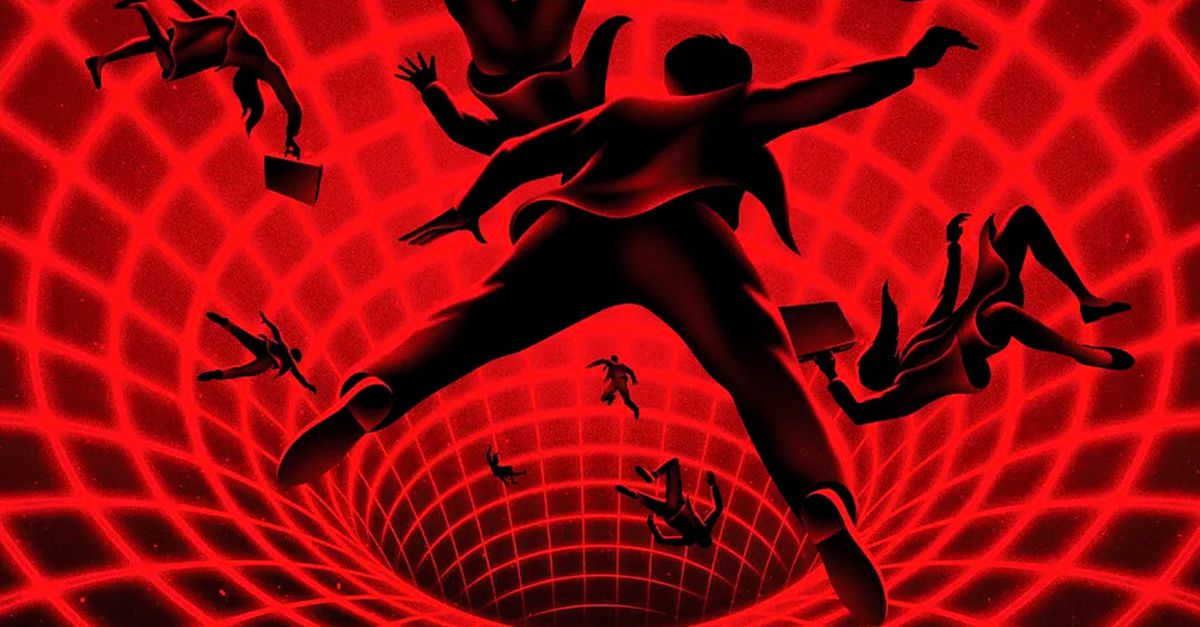
Since ChatGPT came onto the scene in late 2022, there has been a singular message from tech executives to the broader workforce regarding the new technology: it is coming for your job. They have insisted, sometimes in the language of a flowery, futuristic utopia and sometimes as a straight-up threat, that artificial intelligence will result in a complete upheaval in the economy, wipe out entire categories of jobs, and fundamentally change the human relationship with work. But over the last few months, a switch has flipped. Suddenly, the messaging around AI has gone from “meet your replacement” to “meet your new coworker, who is definitely not here to watch you work and eventually push you out!” The language has changed from warning to what feels like pacification—and it comes at a seemingly strange moment. By most accounts, it seems like the AI companies won. The frontier model makers, including Anthropic and OpenAI, have filed to go public. Even xAI, Elon Musk’s also-ran of an AI firm best known for allegedly mass-generating child porn, got tucked into SpaceX and turned into the biggest IPO in history. “I’m delighted to be wrong about this” The mood has significantly shifted in the executive suite. Take Mustafa Suleyman, the CEO of Microsoft AI, brought in to help the company wean itself off the teat of the OpenAI cash cow before it goes dry. In 2024, while speaking to the billionaire crowd at Davos, he said AI models “are fundamentally labor-replacing tools.”
The CEOs are No Longer (Publicly) Threatening to Replace Humans With AI
From “my job is to help people destroy jobs" to “I’m delighted to be wrong about this."
1,940 words~9 min read