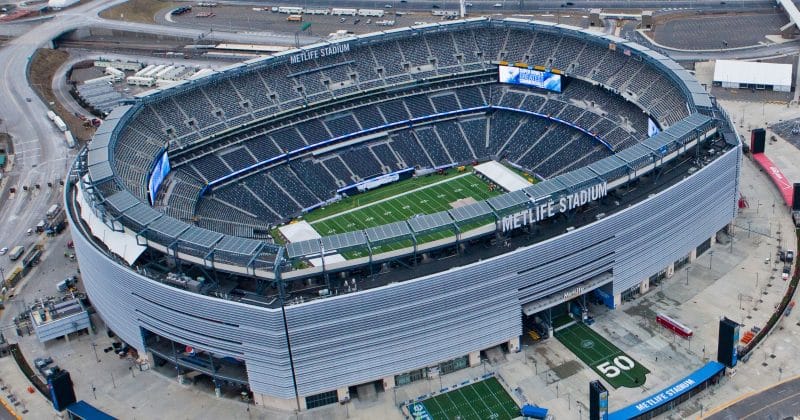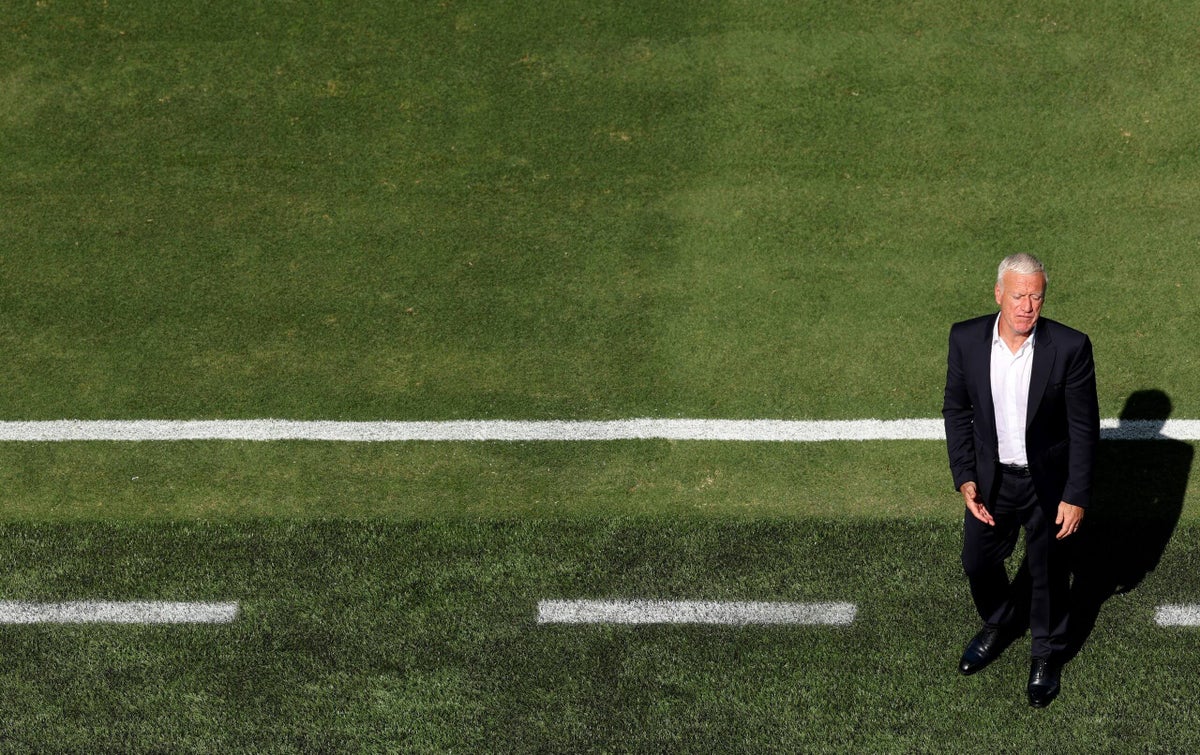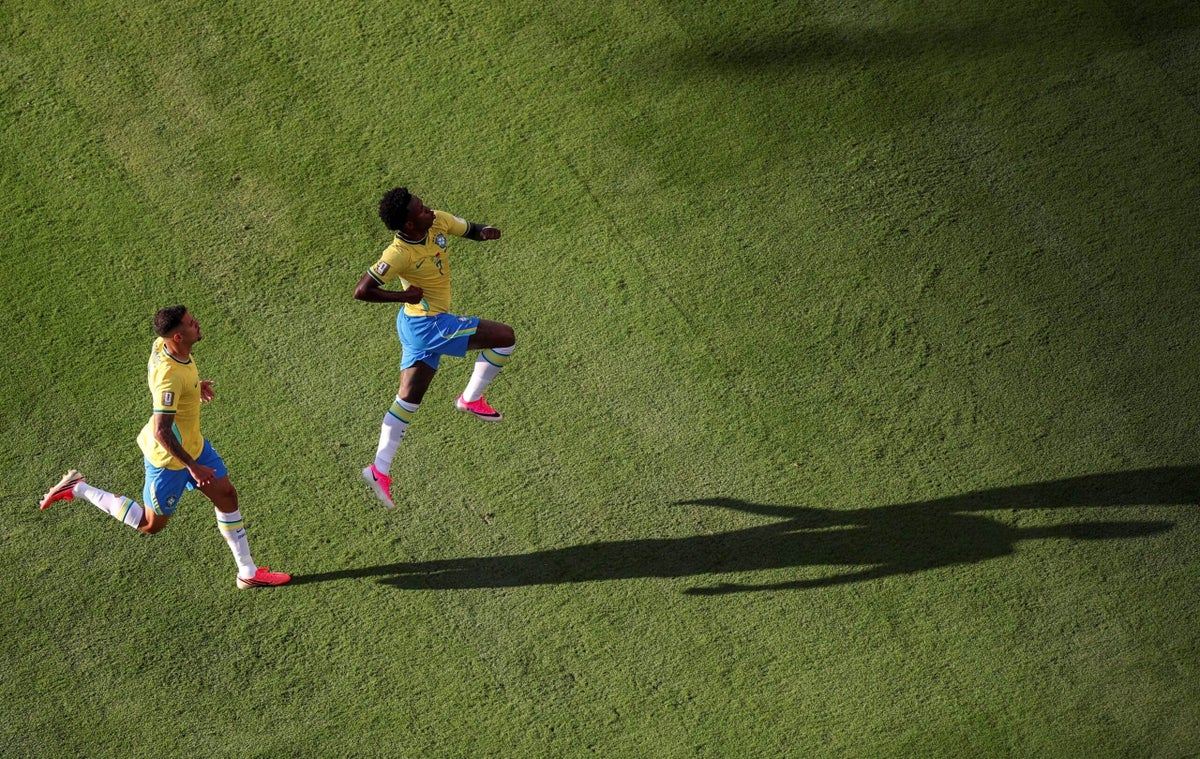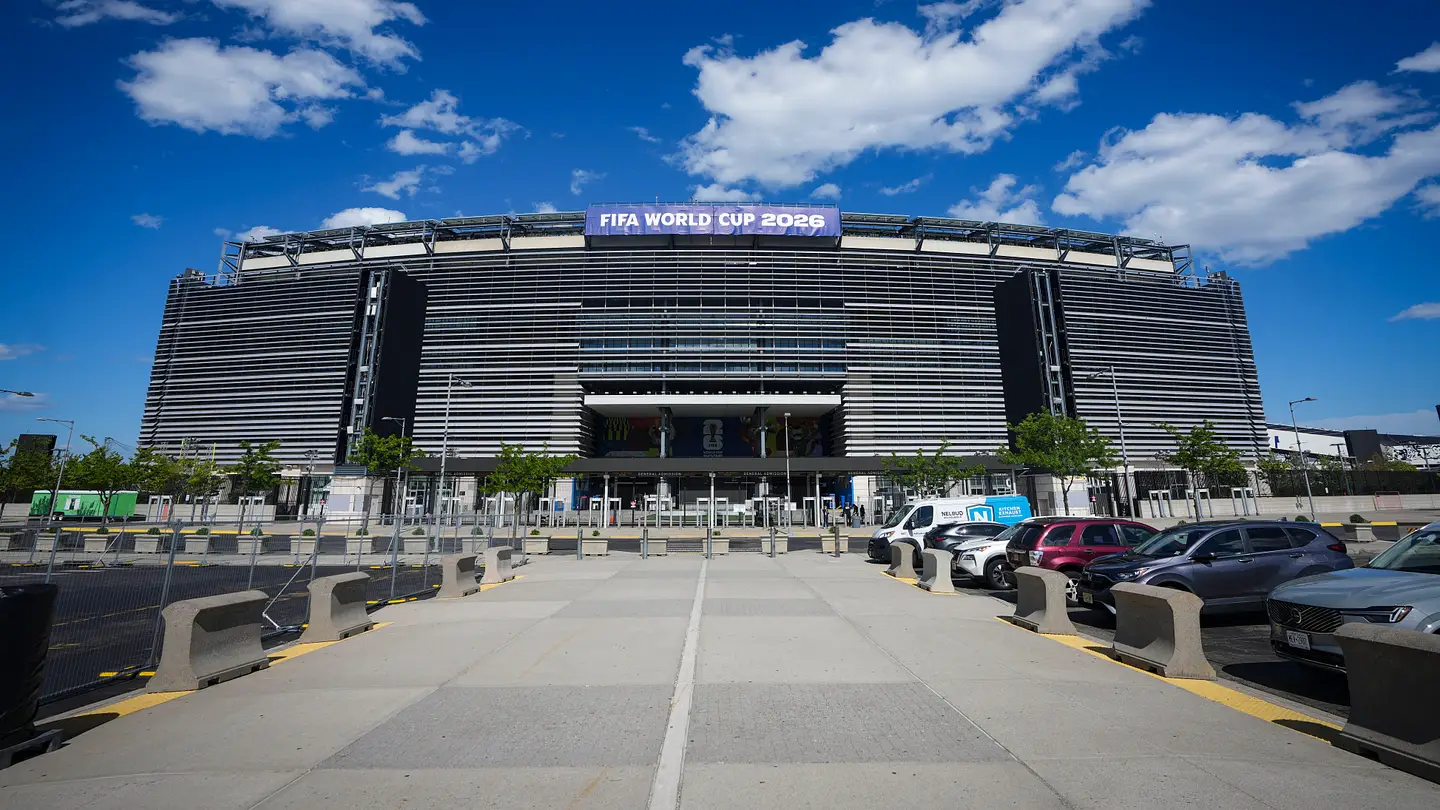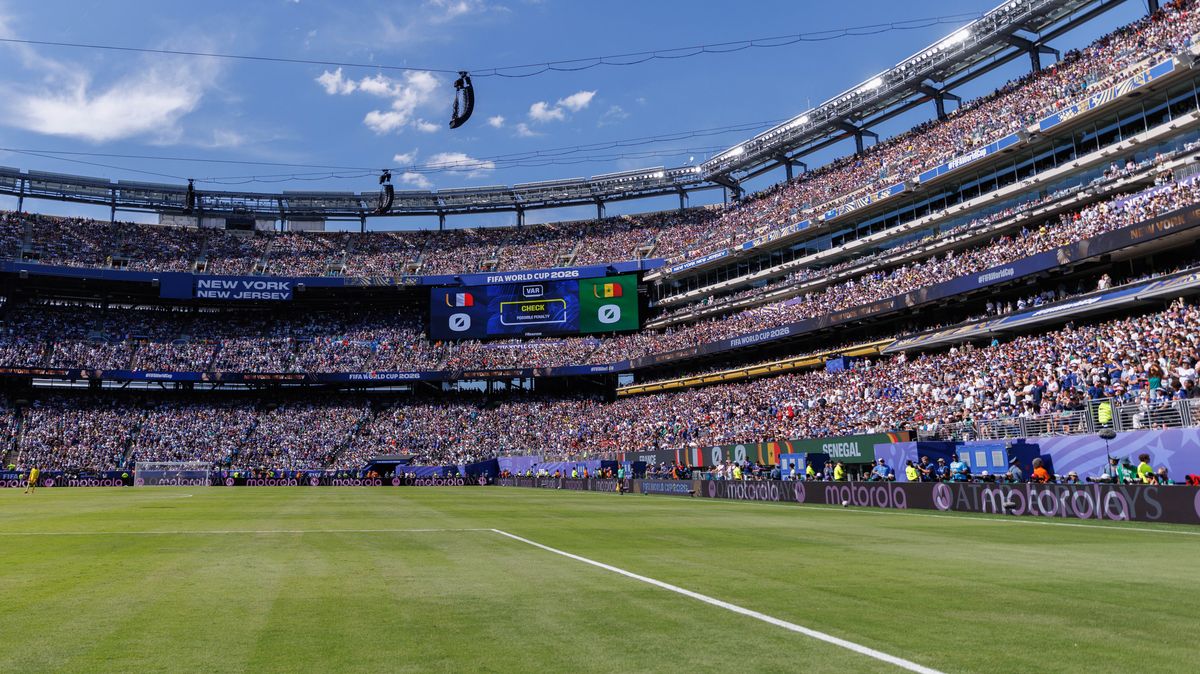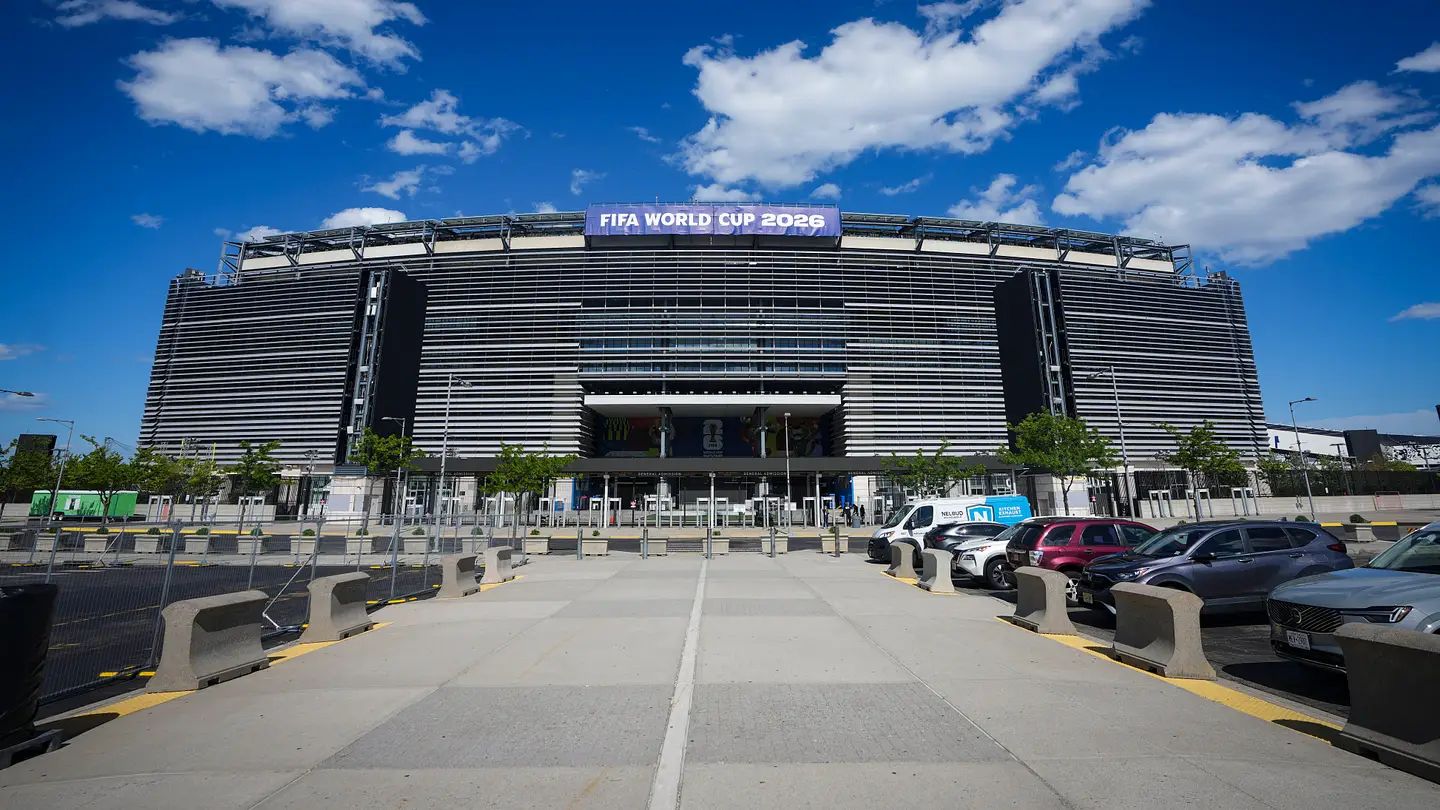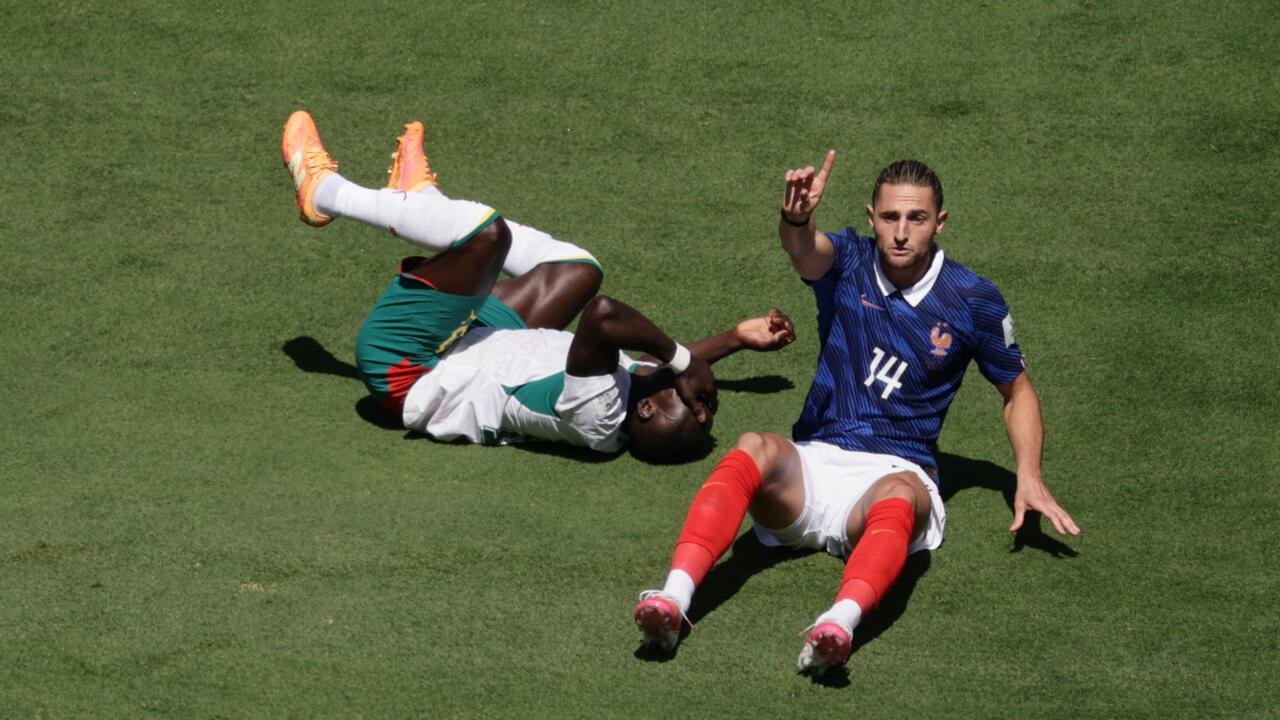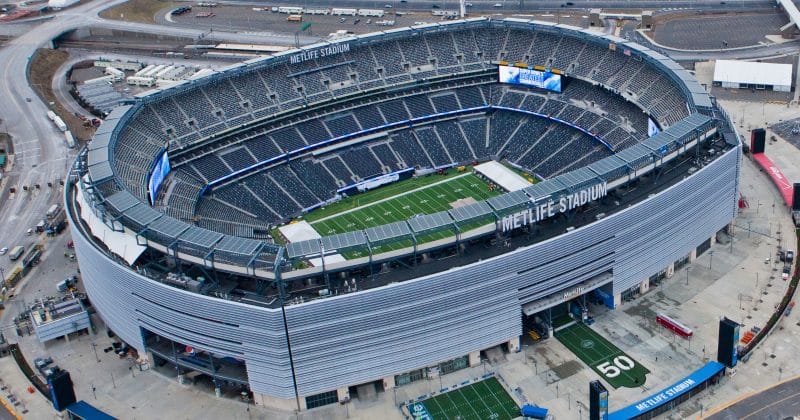
MetLife Stadium’s pitch is looking rough. With France and Senegal set to square off in a Group I match on June 16, the playing surface at the New Jersey venue has been described as very dry and thick, raising alarm bells among coaches, players, and fans who remember similar headaches from recent international tournaments on American soil.
This isn’t just any stadium with a turf problem. MetLife is scheduled to host eight matches during the 2026 FIFA World Cup, including the final. If the flagship venue can’t get its grass right, that’s a problem that extends well beyond one group-stage match.
A familiar pattern for US venues
Here’s the thing: none of this is new. American stadiums built primarily for NFL football have struggled repeatedly to meet the standards required for elite-level soccer. The fundamental issue is that these venues weren’t designed with the beautiful game in mind. They were built for a sport where the ball rarely touches the ground for more than a second.
During the 2024 Copa America, multiple playing surfaces across the US drew complaints for being dry and uneven. Ball roll was inconsistent, footing was unreliable, and coaches were openly frustrated.