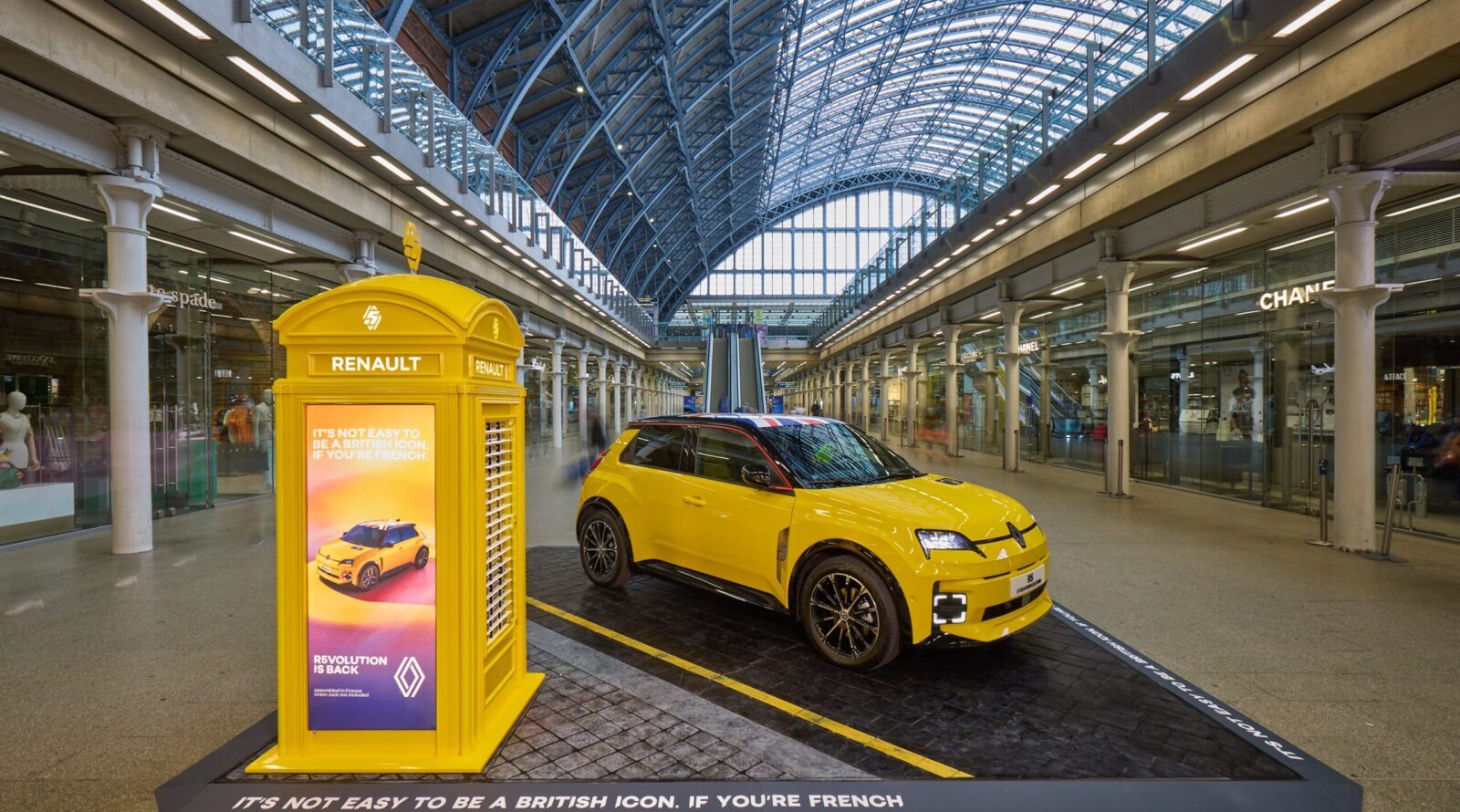
Renault 5 E-Tech 100% electric. Image from Renault.
Support CleanTechnica's work through a Substack subscription or on Stripe.
The UK has an EV mandate in place that calls for 80 percent of new passenger vehicles sold in the country being battery electric by 2030. According to the BBC, the ban on the sale of new vehicles with infernal combustion engines was first introduced by Boris Johnson in 2020, with the phaseout date scheduled for 2030. His successor, Rishi Sunak, moved the date back to 2035. His policy called for 28 percent of new vehicles sold in 2025 being ZEVs, rising to 33 percent in 2026 and reaching 80 percent by 2030.
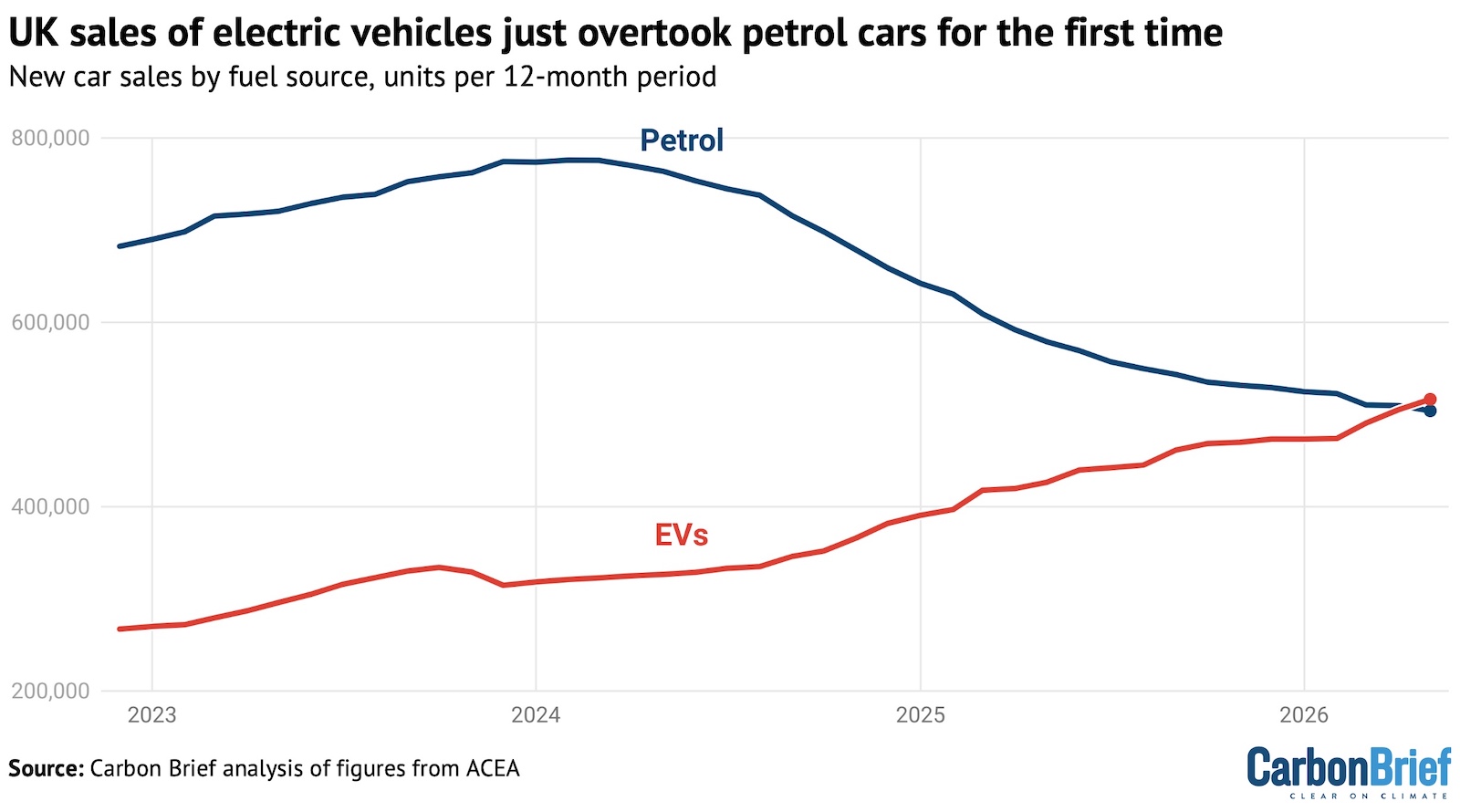
2,020,373 new cars were registered in the UK in 2025, their third successive year of growth and the highest total since the pandemic. Electric cars accounted for 473,340 of those new registrations — a market share of 23.4 percent. That’s pretty good.
For those who believe in the S-curve theory of new technology adoption, that is well on the way to EV dominance — eventually. But it still fell short of the ZEV mandate of 28 percent for last year. Companies that fail to comply with the ZEV mandate face a potential fine of £12,000 per car. They also have the option of buying credits from other companies who have sold more electric cars or low-emission conventional cars than they needed to in order to comply with the mandate.