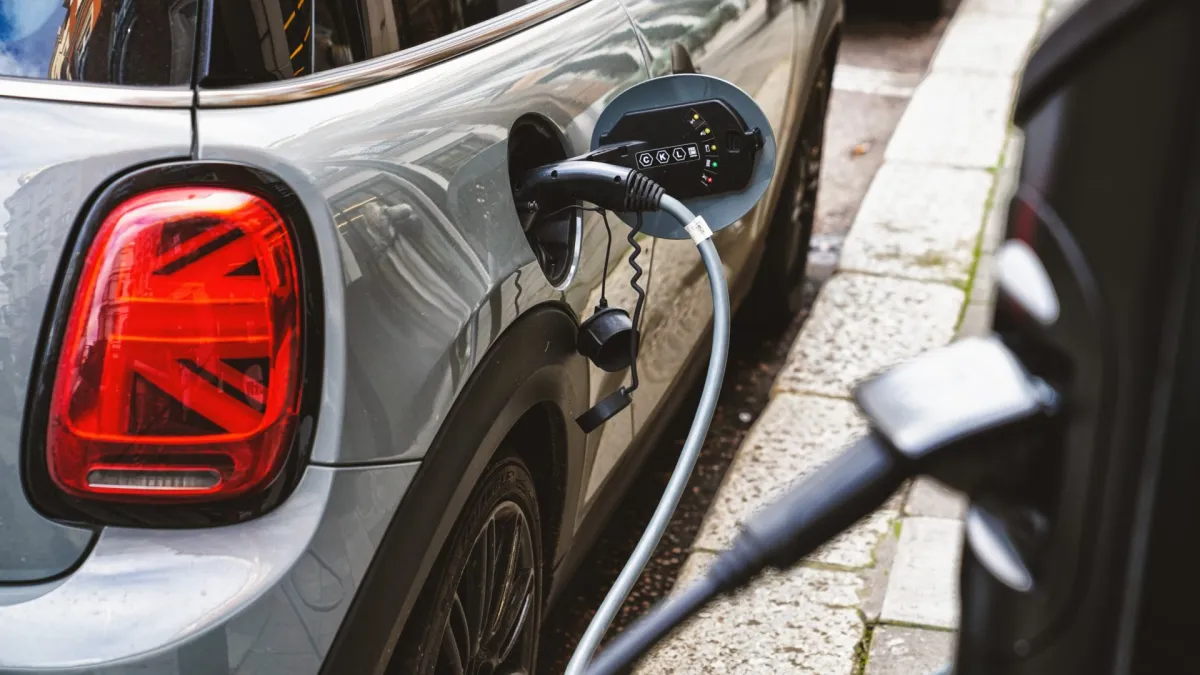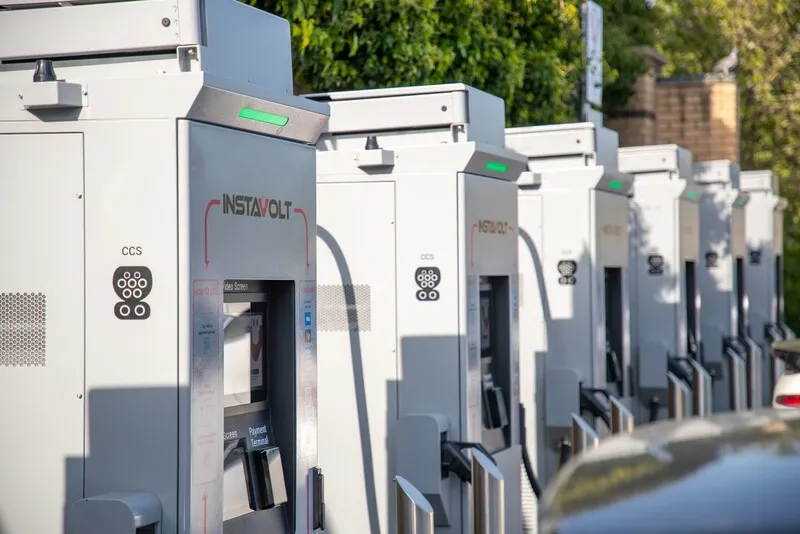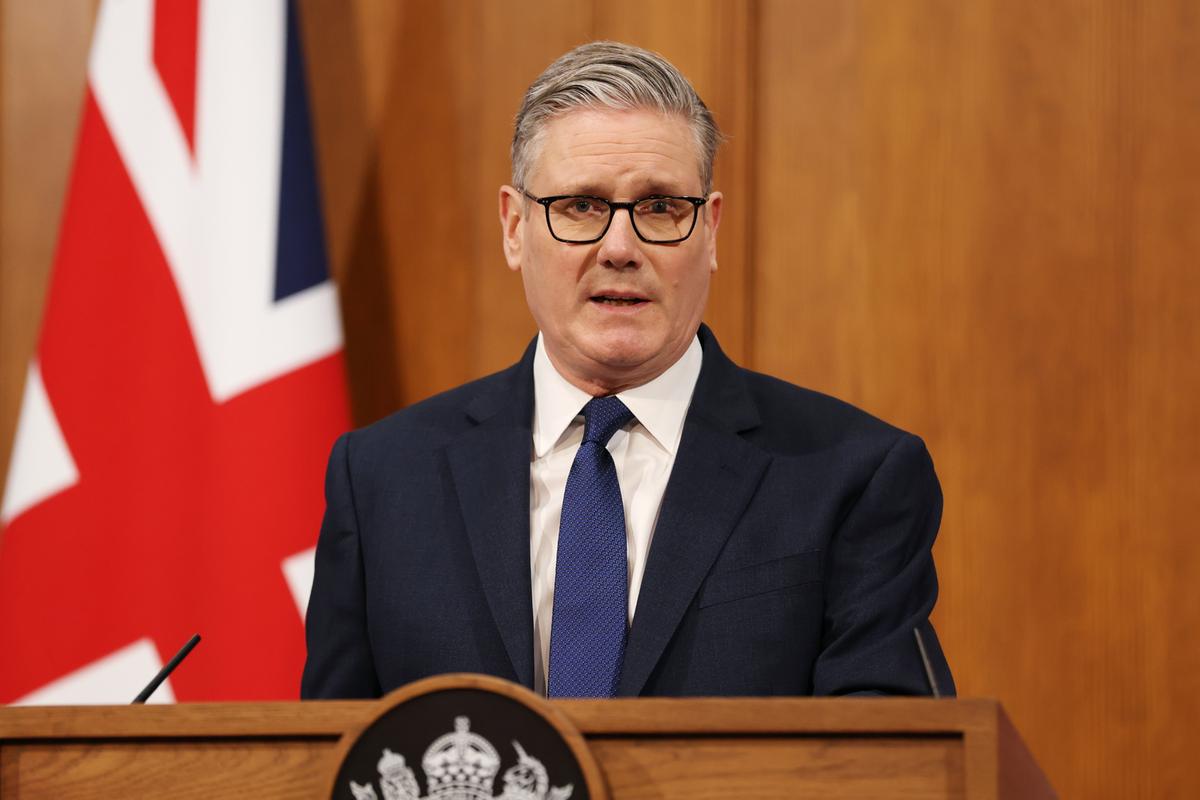
The Government intends to relax its 2030 ban on new petrol and diesel car sales after intense pressure from industry, ministers and unions.It is understood the Prime Minister will overrule Energy Secretary Ed Miliband's net-zero agenda to reduce the UK's electric vehicle sales targets by the end of the decade.The Government currently wants 80 per cent of all car sales to be electric by 2030, when it intends to ban the availability of traditional petrol and diesel cars. Sales of self-charging hybrids and plug-in hybrids (PHEVs) will continue until 2035, making up the remaining 20 per cent mix.However, The Sunday Times reports that Keir Starmer will water down the end-of-decade targets set out in the Zero Emission Vehicle (ZEV) mandate to just 50 per cent EV sales.If the change goes ahead, it will be the second time Labour has downgraded its 2030 hard ban on sales of new combustion engine cars; last year, it relaxed the rules to allow hybrids to stay in showrooms until 2035 to appease those not wanting to switch to an EV.With an announcement expected in the coming weeks, why are car manufacturers and unions pushing for the changes, and what will it mean for drivers? We take a closer look... The Government will announce a consultation into relaxing the UK's electric car sales targets in the coming weeks, as Labour looks to keep carmakers and unions happy How a weaker ZEV mandate will impact carmakersThe impact on manufacturers will have a ripple effect for drivers, so we will first look at carmakers.The ZEV mandate was introduced in 2024, with rising EV sales targets over the next decade.However, electric cars accounted for only 23.4 per cent of all registrations last year — far below the 28 per cent threshold set out in the mandate. They also remain behind the required pace.EV sales last month achieved record growth, though they accounted for only 27.3 per cent market share — well short of the ZEV's target of 33 per cent in 2026.Manufacturers are under immense pressure to meet the binding sales objectives, with fines of up to £12,000 per EV below the annual quotas. However, they are facing higher production costs than the industry had forecast, while also paddling against the tide of lower public demand for electric cars.The Society of Motor Manufacturers and Traders (SMMT) says batteries currently cost at least 30 per cent more to make than the sector expected when the ZEV mandate rules were being developed. Energy costs are 80 per cent higher, and EVs still have a price premium of around 17 per cent over traditional petrol and diesel cars.Public charging costs are around 120 per cent higher than anticipated, too.These figures take into account rises in inflation, but also highlight the clear disconnect between what was predicted and the reality in 2026.To hit ZEV sales targets and avoid fines, carmakers have been offering huge discounts on electric models - a move estimated to have cost the industry £10billion in the last two years alone. Last year, Labour relaxed the rules for the sale of new combustion engine cars and granted hybrids a five-year stay of executionUnsurprisingly, in March, carmakers issued an urgent plea to the Government to follow the lead of the EU and US by relaxing electric vehicle sales targets amid stalling EV demand.Martin Sander, board member for German carmaker Volkswagen, said there is 'a limit to how much we as a car industry are willing and capable of incentivising electric vehicles'.He added: 'The UK is a very important and large market for us, but of course we have to find business viability.'The SMMT has said that the ZEV mandate 'no longer stands against geopolitical and economic reality' and called the policy a 'straitjacket' for an automotive industry under 'huge pressure'.Unions have also raised concerns about the mandate's impact on UK automotive jobs. Sharon Graham, general secretary of Unite, said: 'The current ZEV mandate is significantly contributing to the loss of automotive jobs in Britain. This is a clear fact. The targets must be radically reduced.'The automotive industry is a jewel in the crown of UK manufacturing, on which thousands of jobs depend.'If the Government sits on its hands, it will be responsible for the decimation of the automotive industry.' The ZEV mandate is designed to force car makers to sell an increasing volume of EVs between now and 2035Industry division The ZEV mandate is designed to force carmakers to sell an increasing volume of EVs between now and 2035.However, other parts of the industry are arguing against weakening the EV sales rules, saying it creates uncertainty, sows doubt among car buyers and makes Britain less appealing to investors.Matt Adams, head of electrical transport systems at Beama, said: 'Investors back certainty. Weakening the ZEV mandate risks sending exactly the wrong signal to businesses backing the UK's EV transition.'At a time when the UK should be attracting capital into EV manufacturing and charging infrastructure, mixed policy signals risk making it harder to secure investment.'That could slow progress, confuse consumers and make the UK a less attractive place to do business.'Sue Robinson, chief executive of the National Franchised Dealers Association (NFDA), said significant investment has already been made to meet previous targets: 'NFDA has consistently supported the transition to zero-emission vehicles, but it is important that policy reflects market conditions and consumer demand.'Franchised retailers have invested significantly in preparing for electrification, and any review of the ZEV mandate should help maintain momentum towards net zero while ensuring the transition remains realistic and achievable for consumers, manufacturers and retailers.'The Department for Transport (DfT), however, countered industry claims in March by suggesting provisional data for 2025 shows manufacturers are on track to meet ZEV targets due to the flexibilities allowed.In January 2025, climate think tank Transport & Environment's analysis of 2024 sales data confirmed that the automotive industry had successfully complied with the ZEV mandate.UK EV sales reached 19.6 per cent in 2024. Although this was below the headline target of 22 per cent, it exceeded the 18 per cent required for compliance when accounting for 'flexibilities' in the rules.These include ZEV credits for manufacturers that reduce CO₂ outputs across their vehicle ranges, as well as those increasing their share of hybrid sales.A new report from New AutoMotive shows the EV boom has helped unlock £41billion in automotive investment since 2020, with the potential to generate £385billion for the UK economy by 2035.What relaxed EV sales targets mean for drivers More hybrids on offerSince the extension allowing hybrid vehicles to remain on sale until 2035, manufacturers have been bringing a range of new models to market — especially plug-in hybrids - as a stopgap for drivers not yet ready to go fully electric.Year to date, PHEV sales are up 41.8 per cent, with a market share of 13.1 per cent compared to 10.1 per cent in 2025.Chinese newcomers such as Chery are offering efficient and affordable 'super hybrids' across their brands, enticing buyers with EV-only ranges of up to 93 miles and total combined ranges of 745 miles.If hybrid vehicles are allowed to make up a greater share of sales, expect carmakers to continue expanding their plug-in and self-charging hybrid offerings.More new petrol cars until the end of the decadeWith manufacturers forced to heavily discount EVs to hit ZEV targets and avoid fines, some brands have been rationing the availability of petrol cars to steer buyers towards electric models.If targets are relaxed, allowing carmakers to continue selling popular combustion models, availability and pricing should stabilise for those not yet ready to switch.EVs could become more expensiveIf the ZEV mandate is relaxed, manufacturers may face less pressure to discount EVs before 2030.As a result, upfront EV prices could rise. On average, manufacturers have been discounting by around £11,000 per vehicle, according to SMMT analysis.Charging infrastructure slowdownThe EV charging sector warns that weakening the Government's framework could slow investment, EV adoption and charger deployment.Guy Bartlett, CEO of charging network Believ, said: 'We have committed over £300 million of private investment to build EV charging infrastructure ahead of demand, supporting the 35 to 40 per cent of UK households without access to a driveway.'That investment was made on the strength of the ZEV mandate.'Any softening of the framework risks slowing EV uptake, creating greater uncertainty for infrastructure investment and making it harder to justify rollout in lower-utilisation areas.'That would directly disadvantage drivers and communities relying on public charging.'A Department for Transport spokesperson said: 'We're committed to the ZEV Mandate and are backing the transition to electric with £7.5billion to grow the market, boost EV manufacturing, increase sales and build up the UK charging network.'We're boosting demand for EVs through our Electric Car Grant, helping over 120,000 drivers make the switch, resulting in sales for May being 34 per cent higher than last May.'The UK EV market is strong, but we've always said we'll review the mandate to ensure taking a pragmatic and balanced approach that supports British industry and continues to drive investment.'
Labour to water down EV sales - what will it mean for drivers?
The Government is reportedly planning to relax EV sales targets so carmakers will need to hit 50% EV sales by 2030.
1,495 words~7 min read