Looking back at the cheeses I ate as a kid, I mainly remember bright orange cheddar, monterey jack, and powdery parmesan from a metallic green cylindrical can. And, at parties hosted by my grandparents, rubbery string cheese along with pickled vegetables and a "special" item containing raw, finely-ground lamb that my mother and I loved while my father quietly said: "I wouldn't eat that if you paid me."
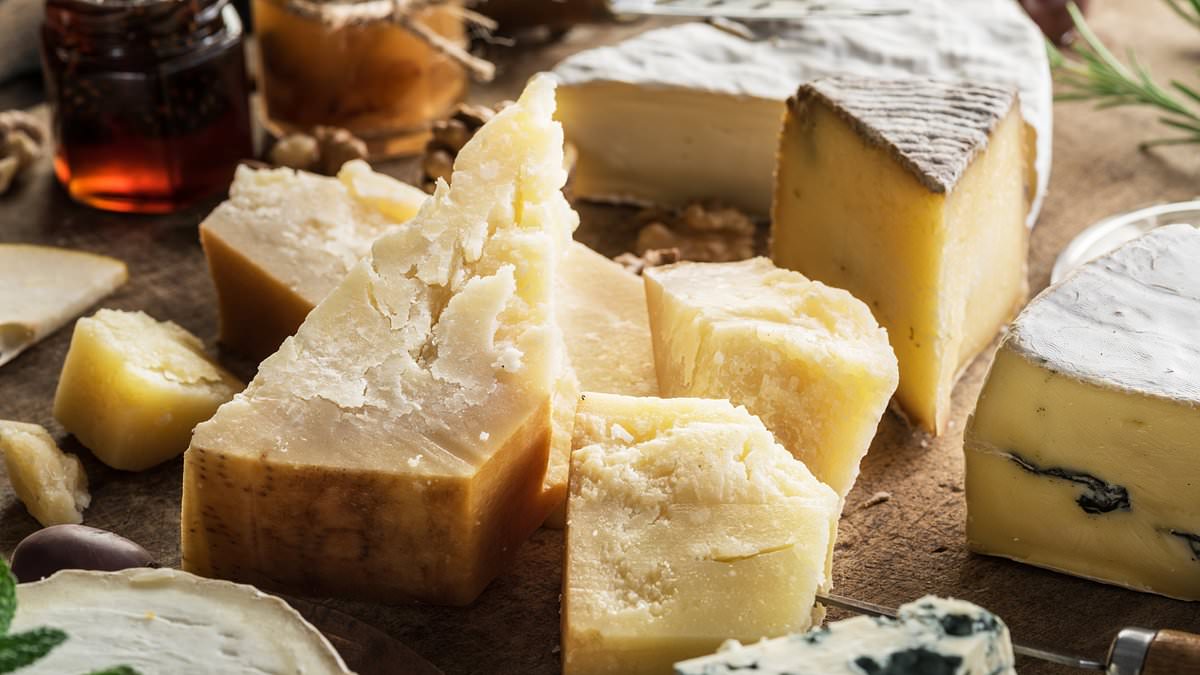
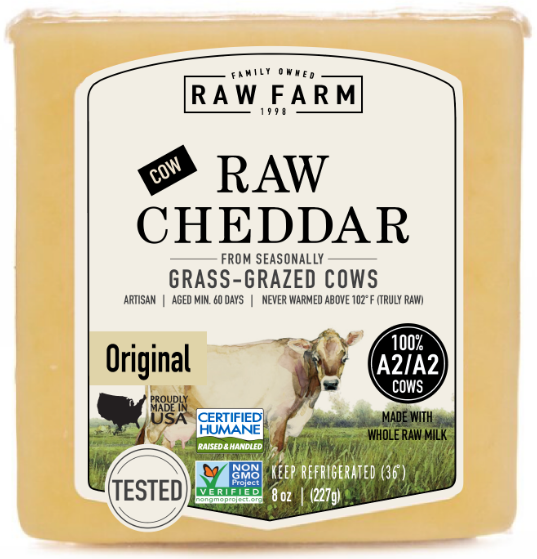
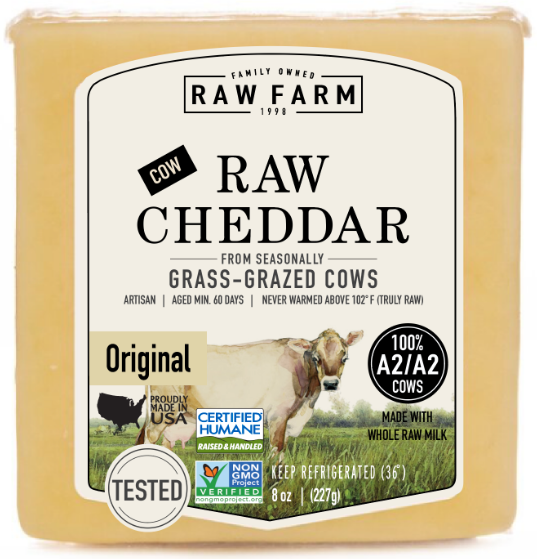
Nonetheless, in the 1960s, when we visited France and I was introduced to the more glamorous side of cheese, even my wary dad enjoyed soft, delicious cheeses like brie, camembert, and blue-veined marvels. I suppose it never occurred to him that their higher moisture and the raw milk with which they were made might up their risk for dangerous bacteria.
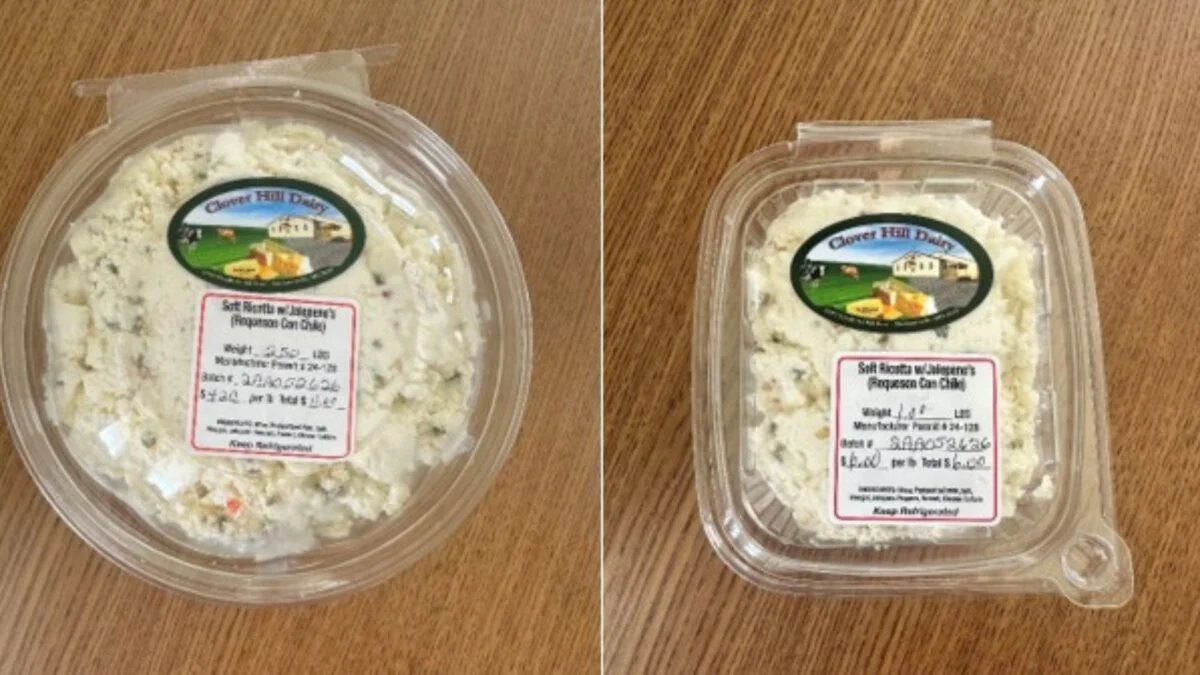
What naive bliss. In 1985, as a young infectious diseases doctor, I got a wake-up call when I treated an early victim of Los Angeles's notorious Listeria outbreak linked to a locally-produced queso fresco cheese made, in part, with raw milk. Not only was my patient septic, but as soon as she entered our hospital's emergency department, she lost her 20-week unborn child in a sudden, dramatic miscarriage. By the time it concluded, the tragic fiasco earned the dubious honor of being the deadliest cheese-borne outbreak the U.S. had ever recorded, sickening 142 people and killing 18 non-pregnant adults, 10 neonates, and 20 fetuses.