Story audio is generated using AI
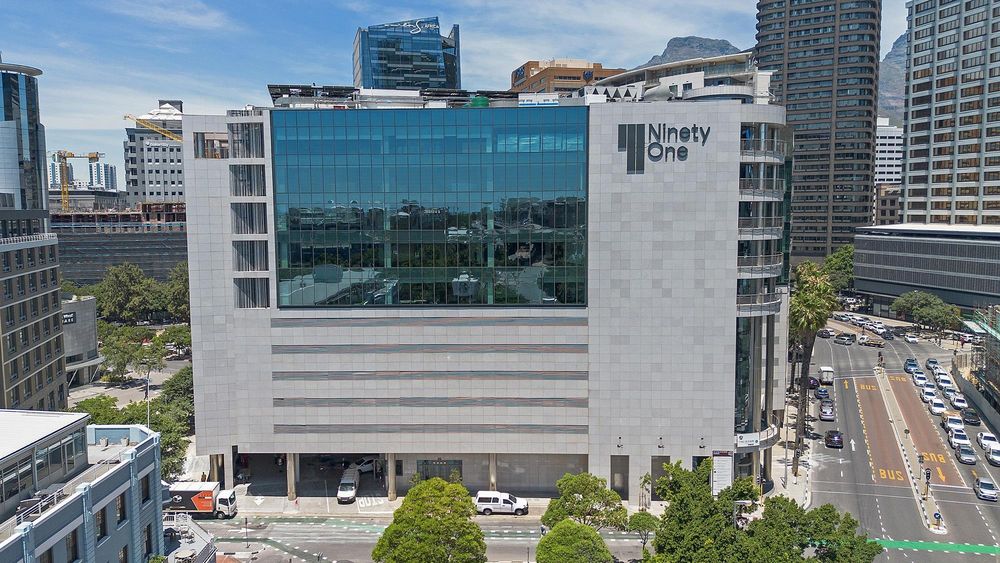
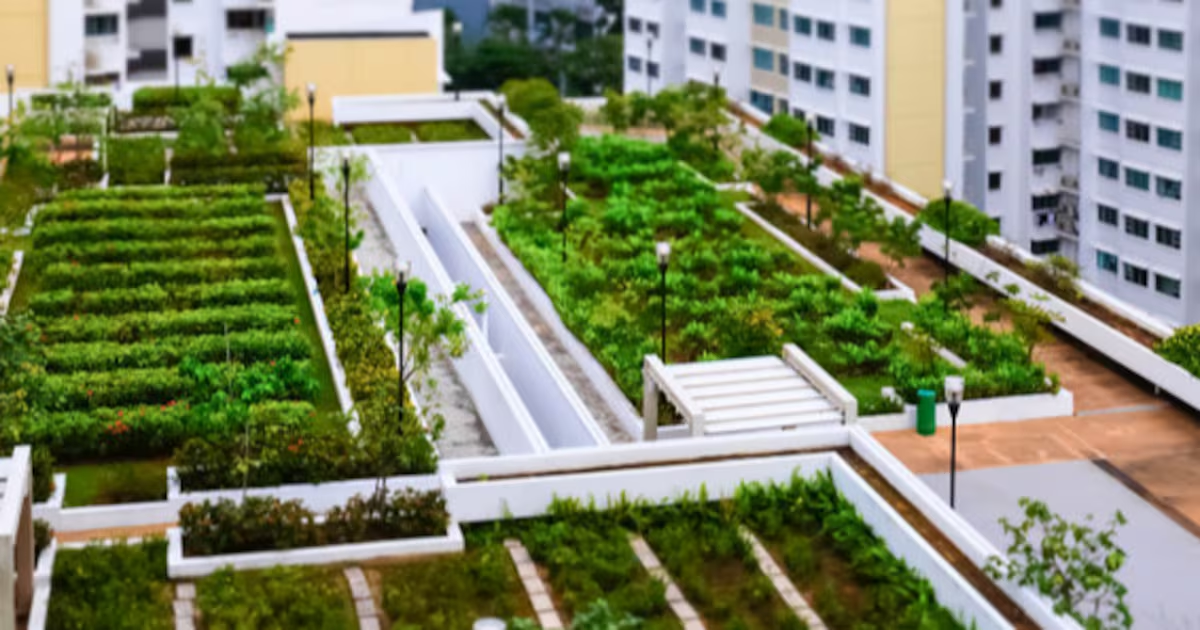
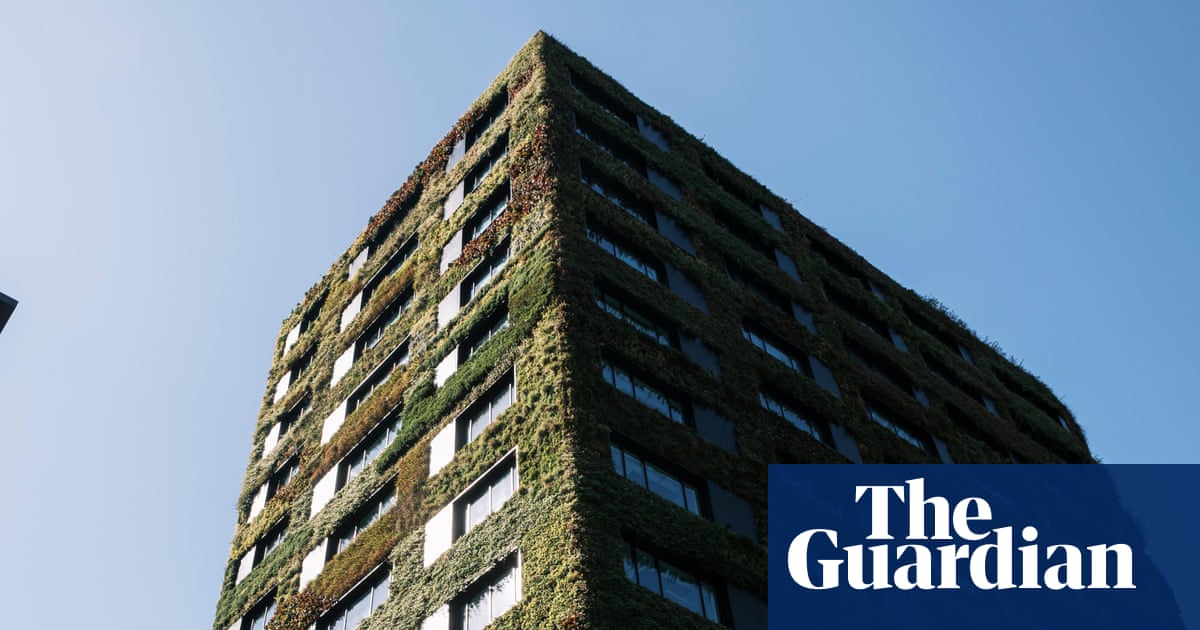
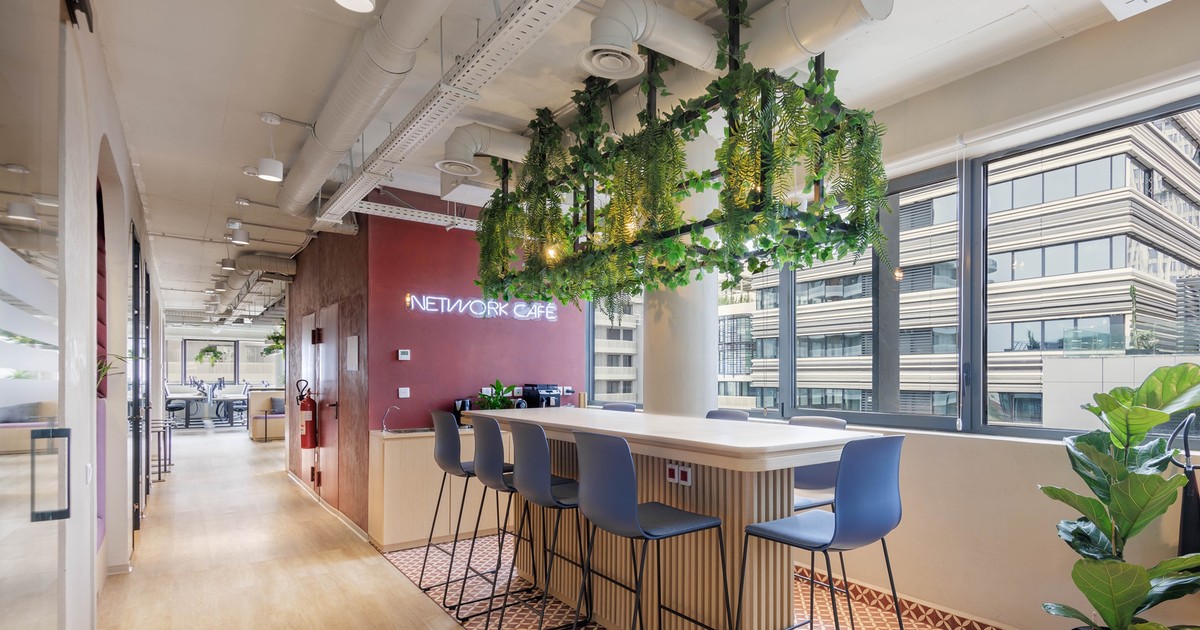
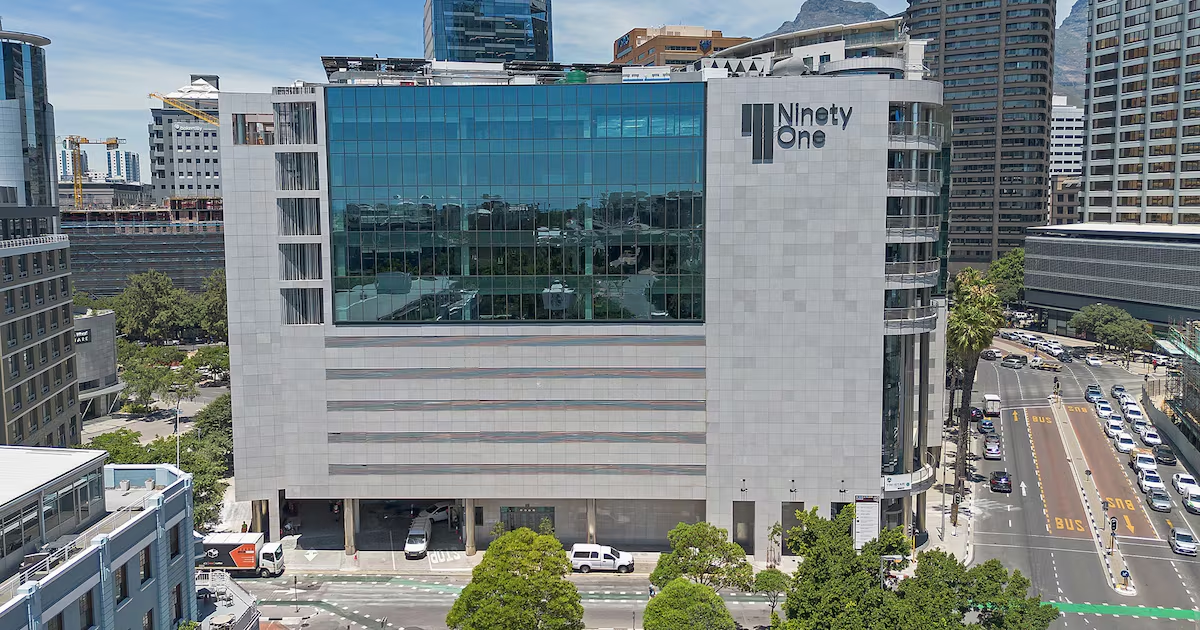
Green-certified office buildings continue to outperform their non-certified peers, with the performance gap widening over time as occupiers, investors and lenders increasingly place a premium on sustainability credentials.The MSCI South Africa green annual property index, based on performance to end-December, shows green-certified prime- and A-grade office properties delivered an annualised total return of 6.98% over the past decade, compared with 5.26% for those noncertified.The resulting 172 basis-point annualised return advantage has compounded steadily over the period, creating a meaningful performance premium for investors, according to the index.“The findings span a full property cycle, encompassing periods of economic growth, market disruption and recovery. The consistency of the differential suggests the advantages associated with green-certified property are increasingly structural, reflecting enduring occupier, operational and investment considerations rather than short-term market cycles,” MSCI said.Despite the long-term trend, non-certified offices recorded a marginally higher total return in 2025. MSCI attributed this largely to a short-term rental recovery from a lower and lagging base rather than a shift in the fundamentals underpinning green-certified assets. Broader indicators that show the decade-long outperformance of green-certified offices remained firmly intact. Meanwhile, green-certified office properties continued to generate higher levels of income, producing 34% greater gross income per square metre than their noncertified peers during 2025. They also maintained a lower operating cost-to-income ratio of 41% compared with 48% for noncertified offices, highlighting the efficiencies that sustainable buildings can deliver over time.“Occupier demand likewise remained stronger. Green-certified offices recorded a vacancy rate of 10.3% compared with 13.1% for noncertified prime and A-grade offices, reinforcing the continued preference among many tenants for high-quality, resource-efficient accommodation,” the index said.Additionally, green-certified offices generated monthly net operating income of R152/m² compared with R102 for non-certified assets. Higher rental levels, lower vacancies and stronger operational efficiency continue to support superior income generation.These advantages are reflected in valuations as well. Green-certified prime and A-grade offices were valued at R21,251/m² in 2025 compared with R14,510 for non-certified equivalents. They also maintained a lower capitalisation rate, signalling continued investor confidence in the quality and resilience of their income streams.“The debate about whether green buildings make business sense is effectively over. South Africa now has clear local evidence that certified buildings outperform their peers across key investment and operational metrics. Our challenge is no longer proving the value of green building — it’s accelerating its adoption across the broader market,” said Green Building Council South Africa CEO Georgina Smit.Timothy Irvine, Growthpoint asset management for offices’ head, said the decade-long track record reflects a growing alignment between occupier expectations, sustainability objectives and investment outcomes.“The MSCI green annual property index continues to demonstrate that sustainable buildings deliver measurable value for both occupiers and investors. Growing demand for efficient, resilient and high-quality buildings has underpinned the long-term outperformance of green-certified assets, reinforcing the strategic value of resource-efficient portfolios,” Irvine said.Last year, the Green Building Council South Africa and the Association of South African Quantity Surveyors said the cost of developing green buildings was becoming increasingly affordable, with certified projects carrying an average cost premium of just 5.95%.