(Image credit: Future / Qualcomm)
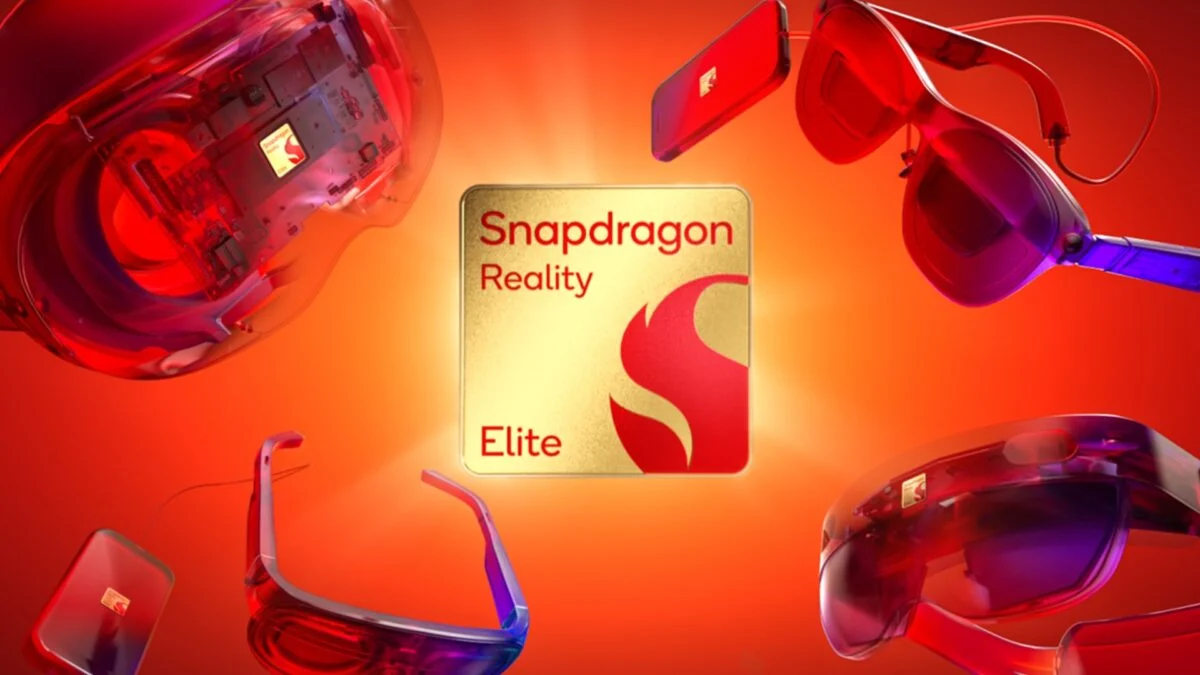
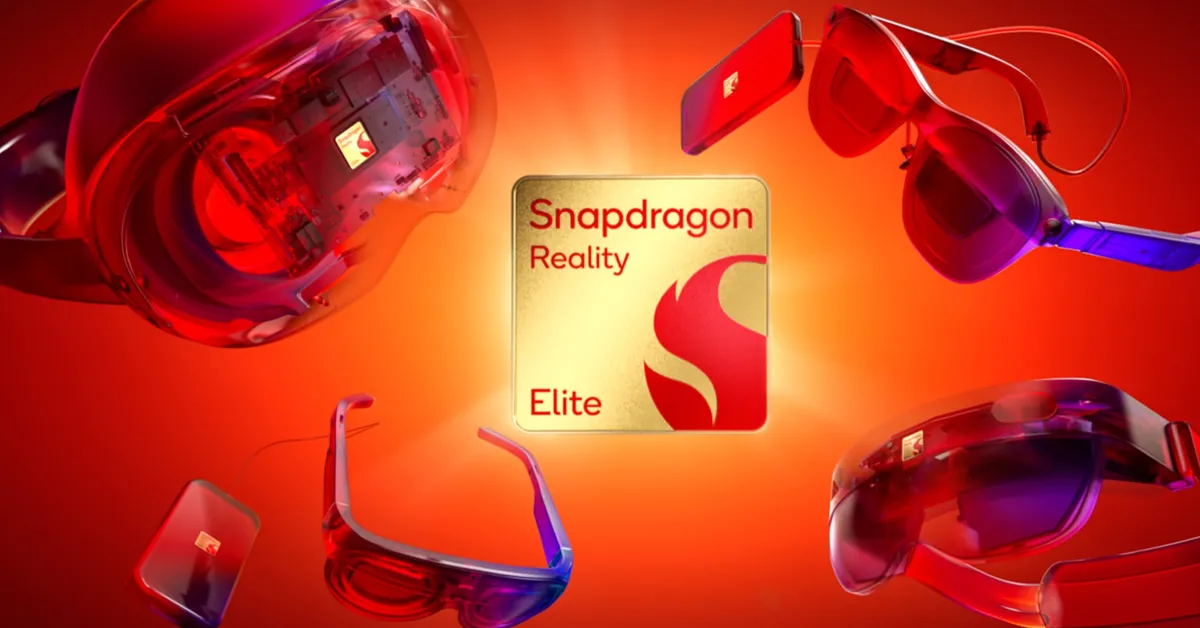
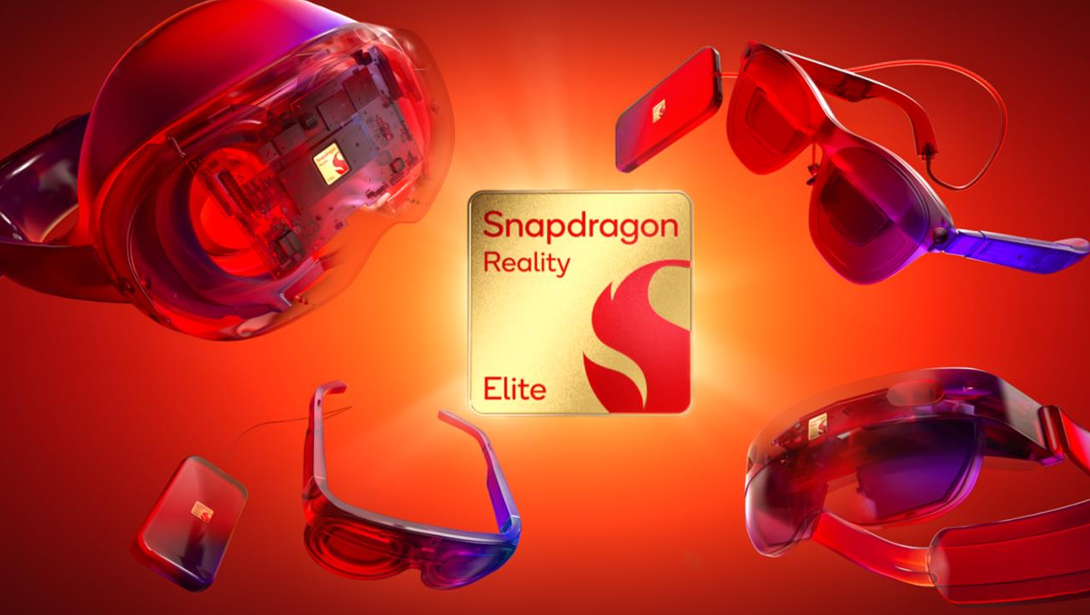
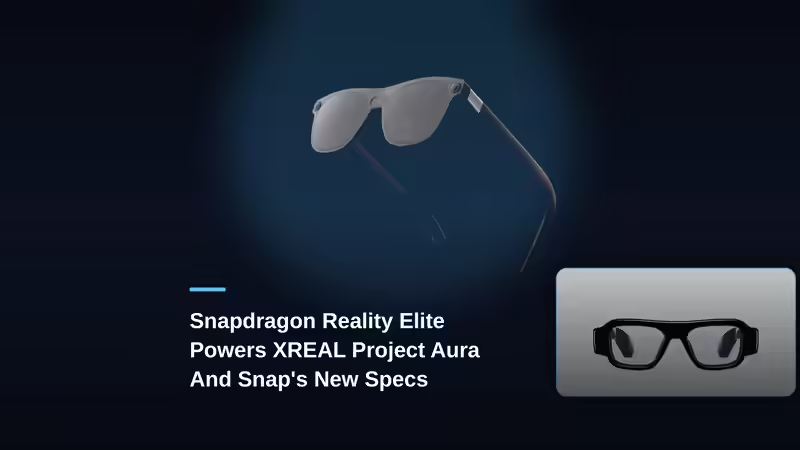
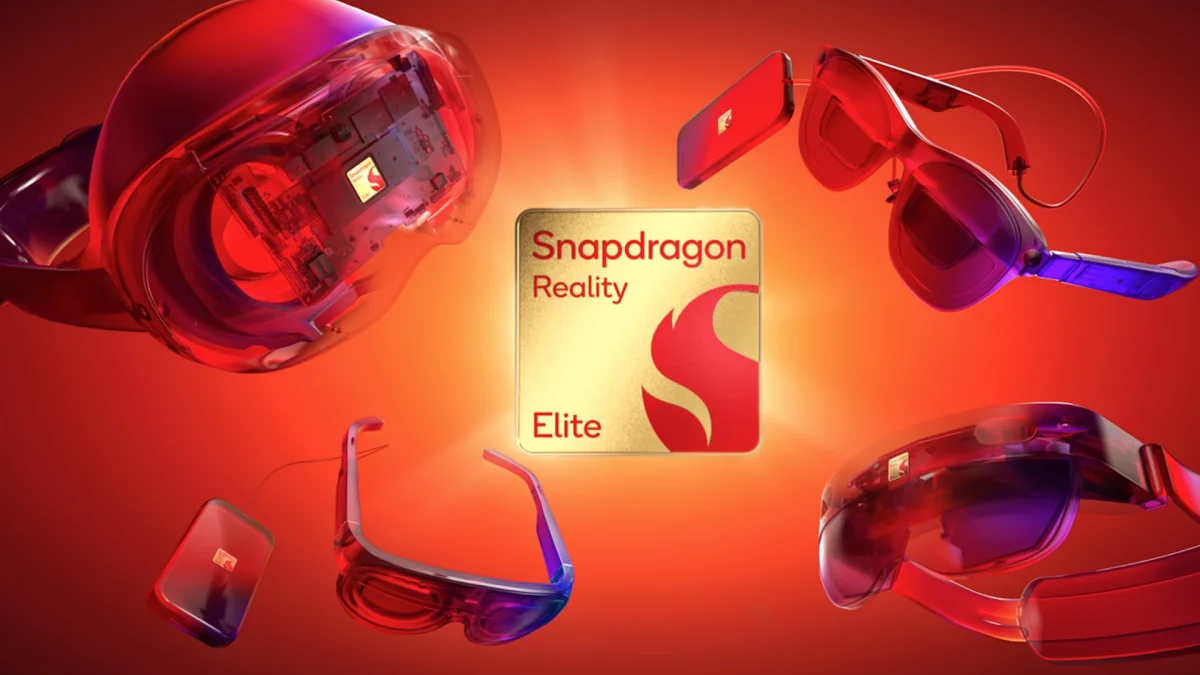
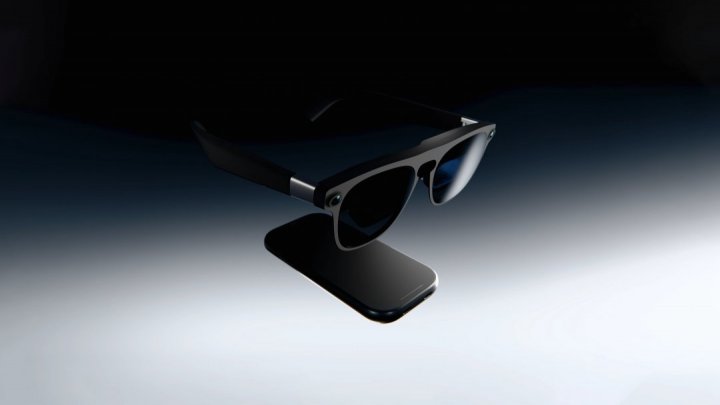
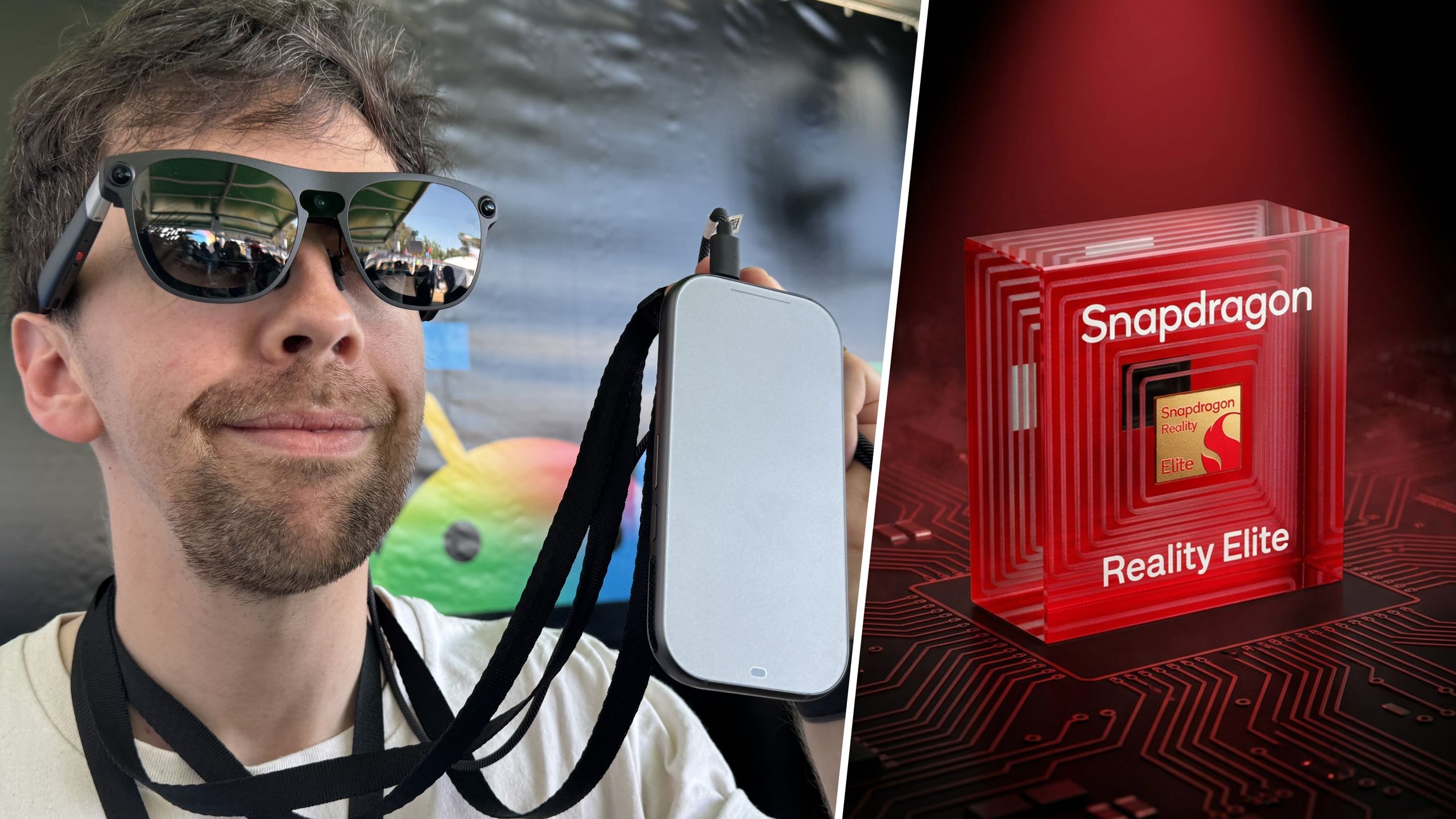
Nope, it’s not called Snapdragon XR Gen 3, but Qualcomm did bring something big to the smart glasses party in its Snapdragon Reality Elite chip. And yes, this is the chip that is running inside Xreal’s Project Aura that I tested back at Google I/O.In the company’s own words, it is set to bring “spatial computing into the AI era,” but I would say its real superpower is in unlocking my dream future of blurring those lines between the best VR headsets and smart glasses into one wearable.Qualcomm (and I) know that ever since the end of the pandemic, the amount of people buying VR headsets has dropped and the appetite for that spatial tech in something the size of a pair of specs has grown massively. People really want to take their XR on the road without looking like a glasshole.And with huge improvements to the performance and power efficiency, alongside a 160% boost in AI performance, this is the chip that can get us there. Let me explain.By the numbers
(Image credit: Qualcomm)The first thing I noticed during the briefing is that this is much more than a generational leap — it’s a whole reinvention with a new target in mind. Snapdragon XR2 Gen 2 was solid in the likes of the Meta Quest 3 and Samsung Galaxy XR, but Qualcomm came with a new mission: turboboost everything, while making it much more efficient and cooler for different, smaller form factors.On the performance end, you’ve got the ability to render a 4.4k resolution picture per eye with ray tracing thanks to that 60% faster GPU, and a 30% zippier CPU will keep app opens lightning quick too. There’s also a 10% improvement in latency between your hand and the screen, and new enhancements to video see-through (VST) improve the speed of tracking too.As for the AI side of things, Snapdragon Reality Elite gives it the full beans with a 160% improvement in NPU performance — making it capable of running a full-blown large visual model (asking questions about/taking action on things you see in the world around you) with around a 1.7-second latency between asking and it starting to work.Get instant access to breaking news, the hottest reviews, great deals and helpful tips.Go puck yourself