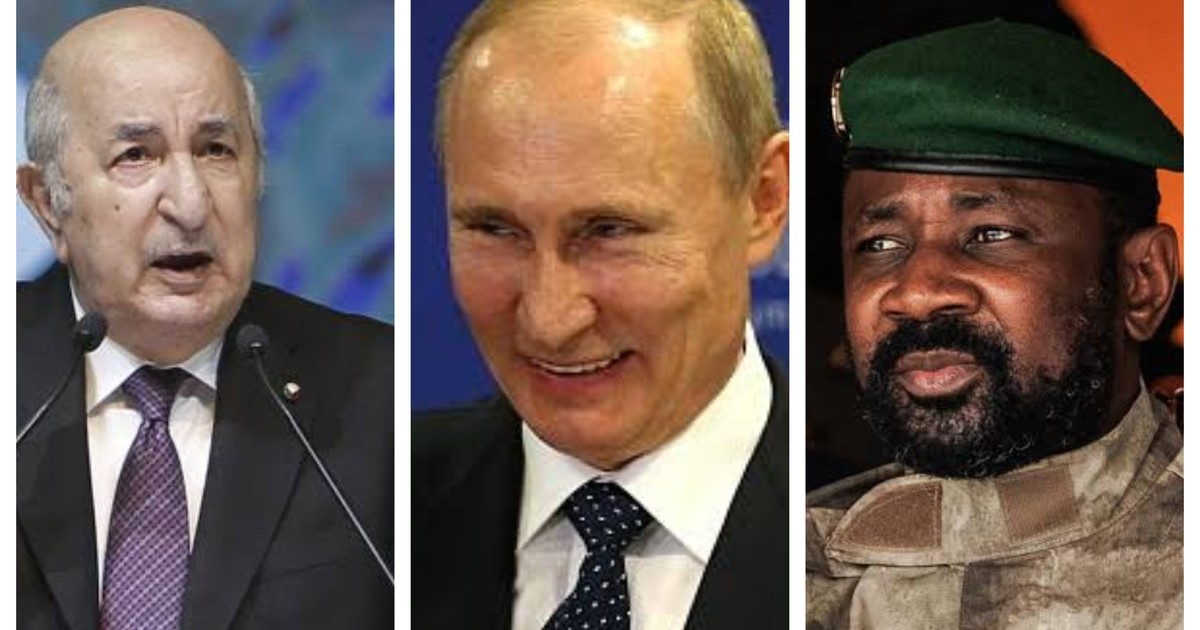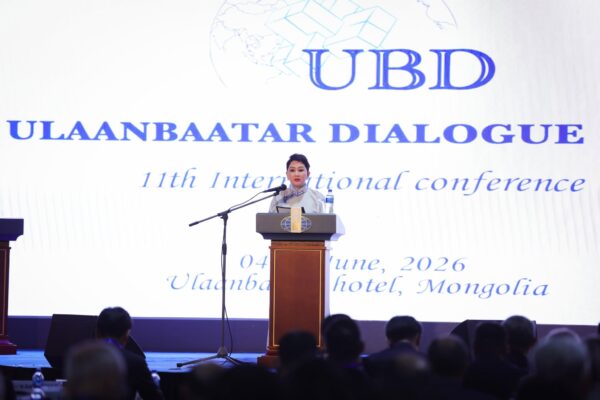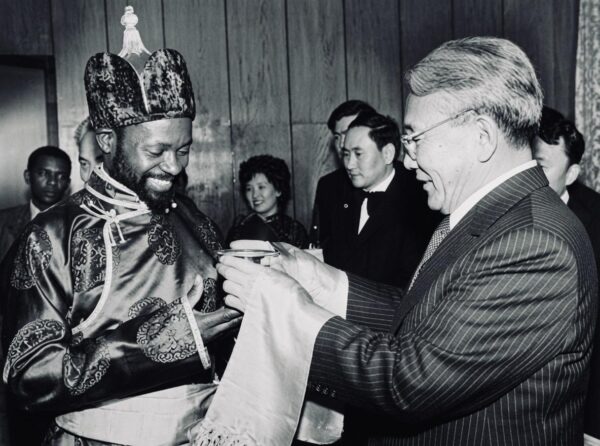
During the Cold War, Mongolia forged an unlikely but surprisingly warm set of relationships with African countries. Driven by communist solidarity rather than geography or commerce, Ulaanbaatar hosted African liberation leaders, sent veterinary experts to Ethiopia and Mozambique, and interacted with both Somalia and Ethiopia during the Ogaden War. Ulaanbaatar opened its first African embassy in Guinea before Mongolia had even joined the United Nations. The continent, in turn, helped secure Mongolia’s seat at the U.N. It was, by any measure, a more substantial relationship than the physical distance suggested.
Then the Cold War ended, and so did most of that engagement. For three decades, Mongolia and Africa occupied separate lanes. That is now worth revisiting, because the strategic case for re-engagement is considerably stronger today than it was the first time around.
Africa’s growing weight in the world is difficult to overstate. The continent’s population is projected to approach 2.5 billion by 2050, accounting for over one-quarter of humanity. Africa is supplying most of the net growth in the global working-age population at a time when Europe, China, and parts of Asia face demographic stagnation. Sub-Saharan Africa is forecast to sustain GDP growth rates of 4-5 percent annually through mid-century, faster than any other region, with consumer and business spending projected to reach $16 trillion by 2050.