Read The Diplomat, Know The Asia-Pacific
Within the emerging geopolitical landscape, Mongolia may have opportunities to diversify its economic partners.
Northeast Asia’s geopolitical environment is transforming rapidly. While Russia’s war in Ukraine created opportunities for North Korea to re-engage the world, the recent joint declaration by Russia and China signals to global actors that deeper regional cooperation mechanisms are at play. In this evolving geopolitical environment, Mongolia, too, will have options to diversify its partners and expand economic opportunities.
Since the end of World War II, Mongolia has positioned itself as an active player in promoting peaceful dialogues and conflict resolution to global and regional conflicts. Particularly in Northeast Asia’s context, Mongolia has been a voice of diplomacy, and preferenced soft power over hard power when dealing with issues such as the denuclearization of North Korea, the unification of the two Koreas, and building a robust system of regional connectivity.
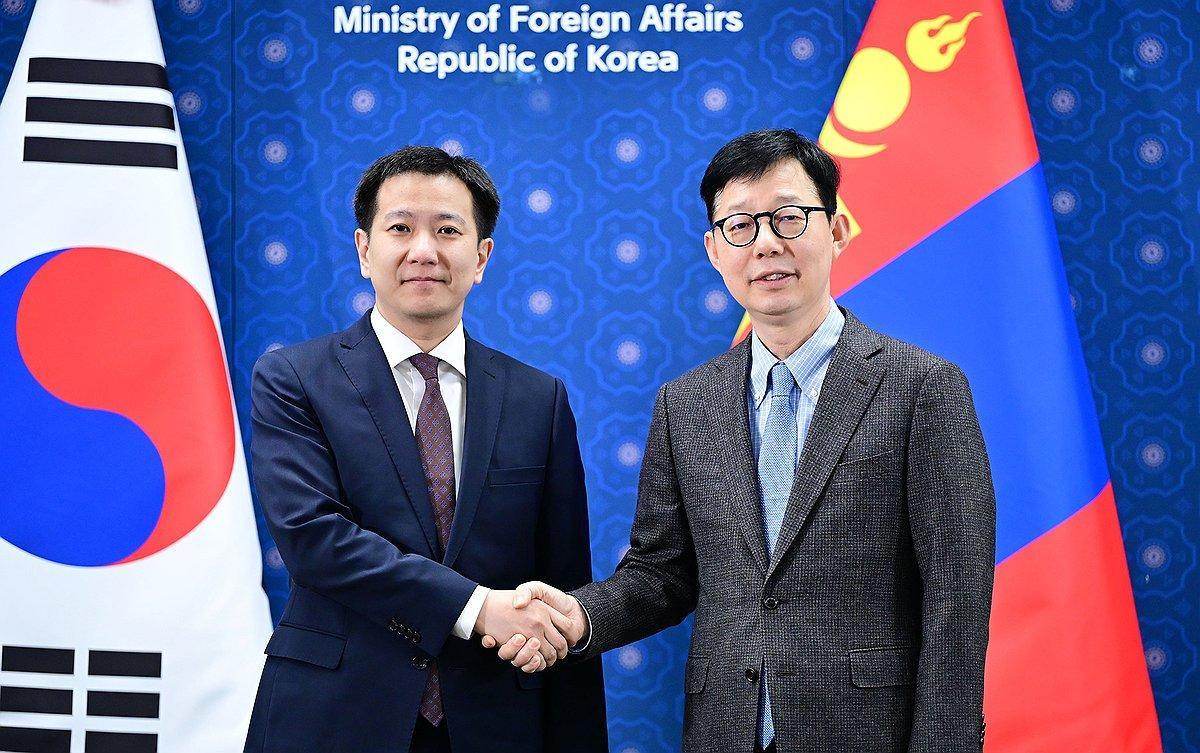
In Mongolia’s diplomatic efforts and by maintaining strong historical links with both Seoul and Pyongyang, Ulaanbaatar became a vessel for diplomacy and cultural engagement with both countries. Strategically, by strengthening these relationships, Mongolia aims to reduce its landlocked economic vulnerability. Within the emerging geopolitical landscape, Mongolia may have opportunities to diversify its economic partners.