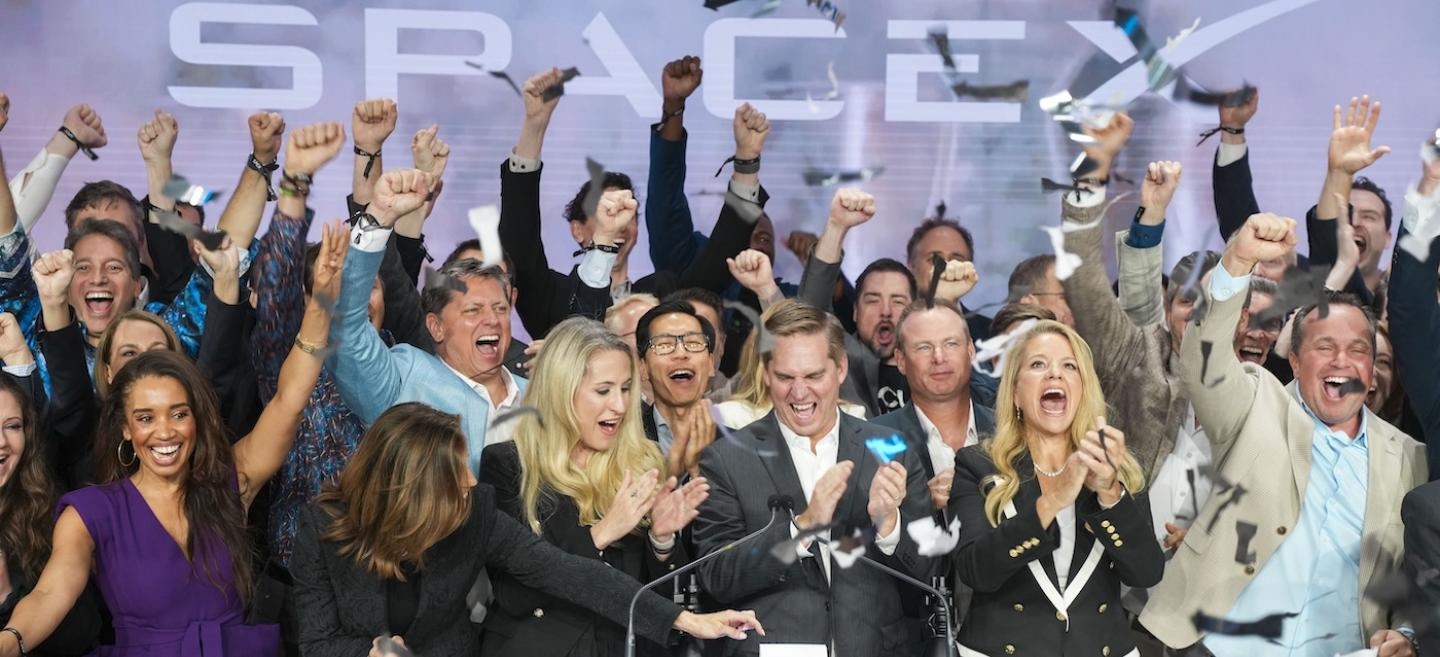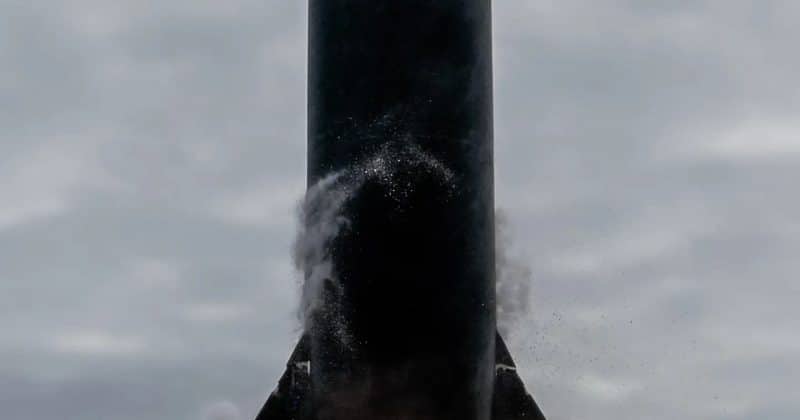
SpaceX went public on June 12, and the numbers are genuinely absurd. The company priced shares at $135, raised approximately $75 billion, and watched its stock climb nearly 20% on debut to close around $161. That pushed SpaceX’s valuation above $2 trillion, making it the largest IPO in history by a comfortable margin.
But the real story isn’t on the NYSE. It’s on Hyperliquid, where synthetic perpetual futures tied to SpaceX generated between $1.3 billion and $1.4 billion in trading volume on day one. Retail investors who couldn’t get their hands on actual shares found a backdoor through crypto derivatives, and they kicked the door wide open.
The IPO retail investors couldn’t actually buy
Retail investors submitted somewhere between $70 billion and $100 billion in orders for SpaceX shares. The available supply was a fraction of that demand. Many retail participants ended up with slivers of shares, if they received any allocation at all.
Institutional investors fared better, as they always do. BlackRock alone put in a $5 billion order, and the oversubscription from large funds was massive.