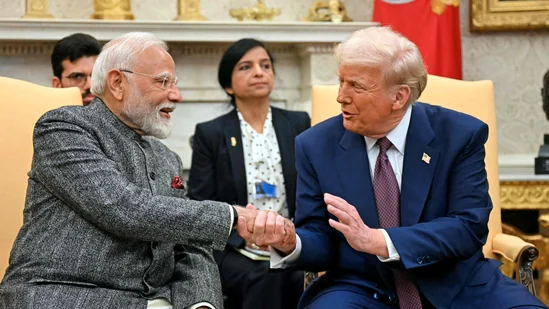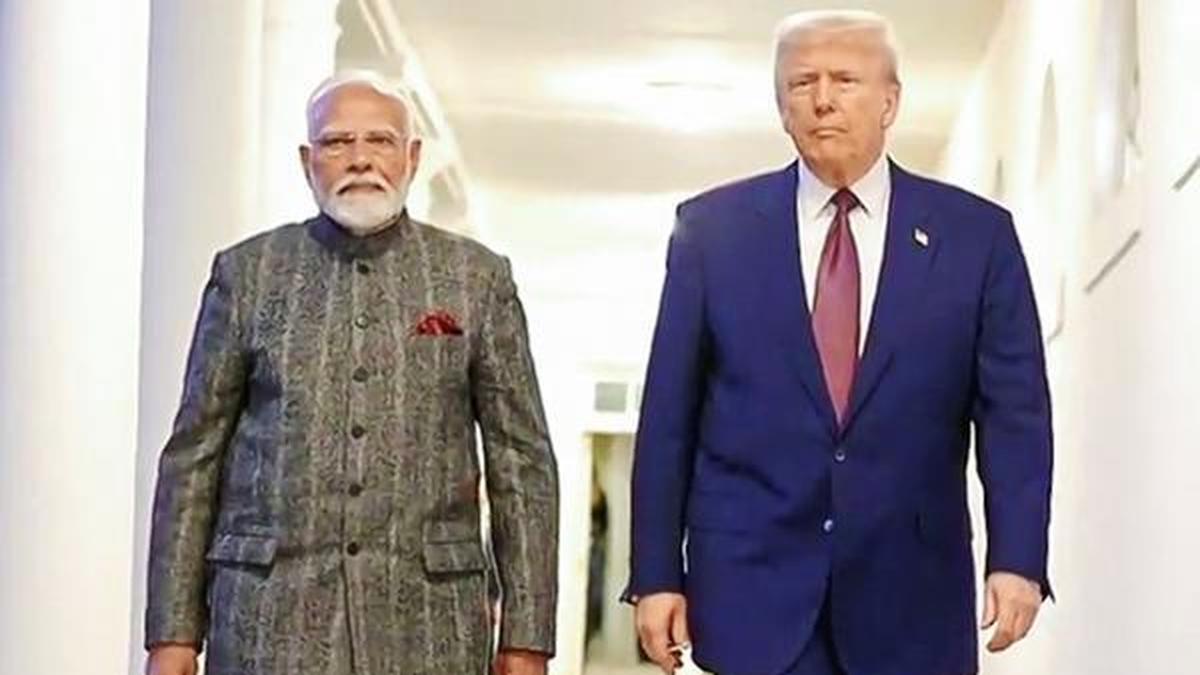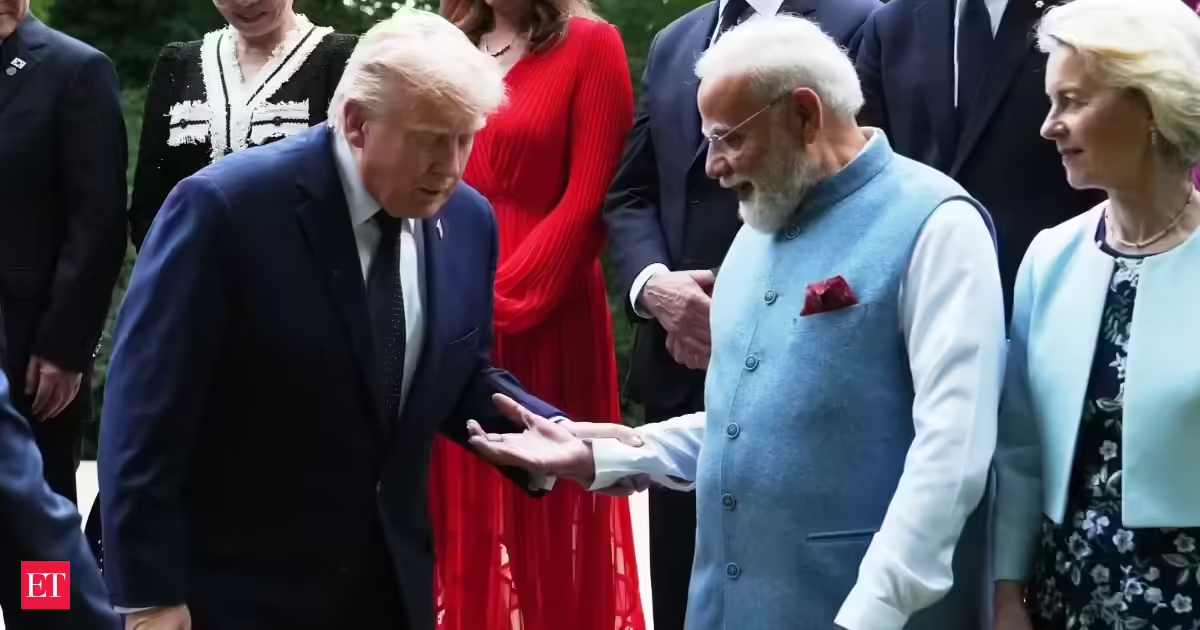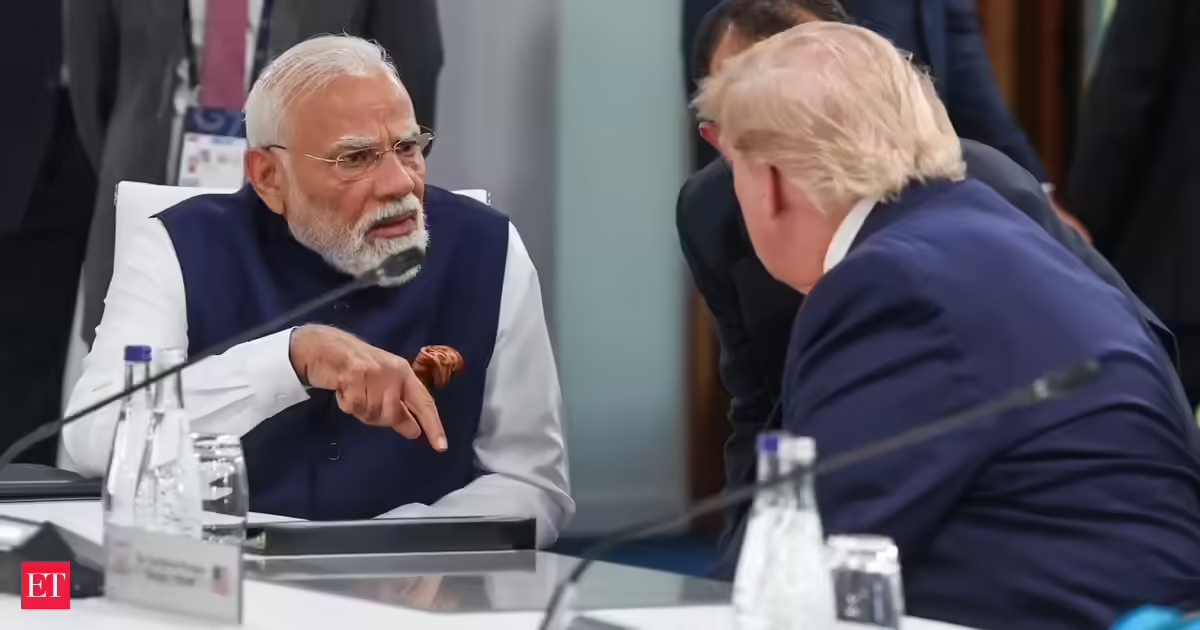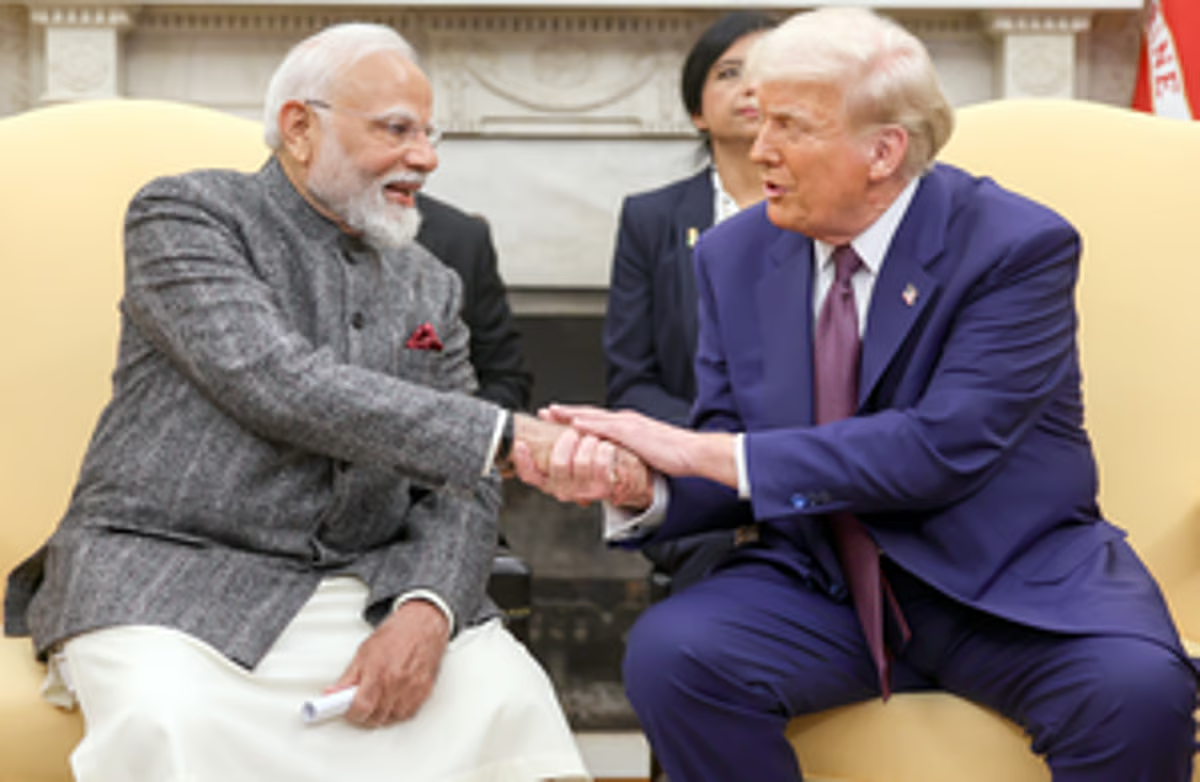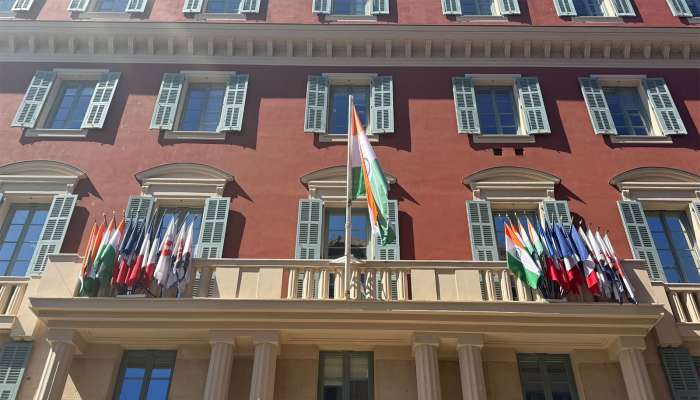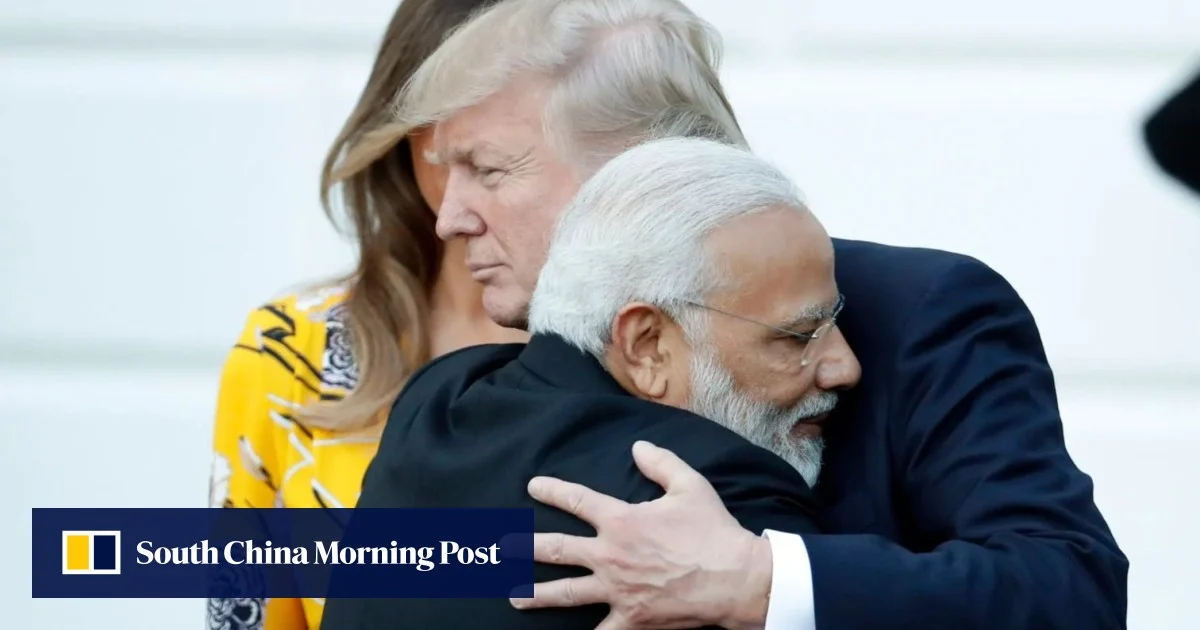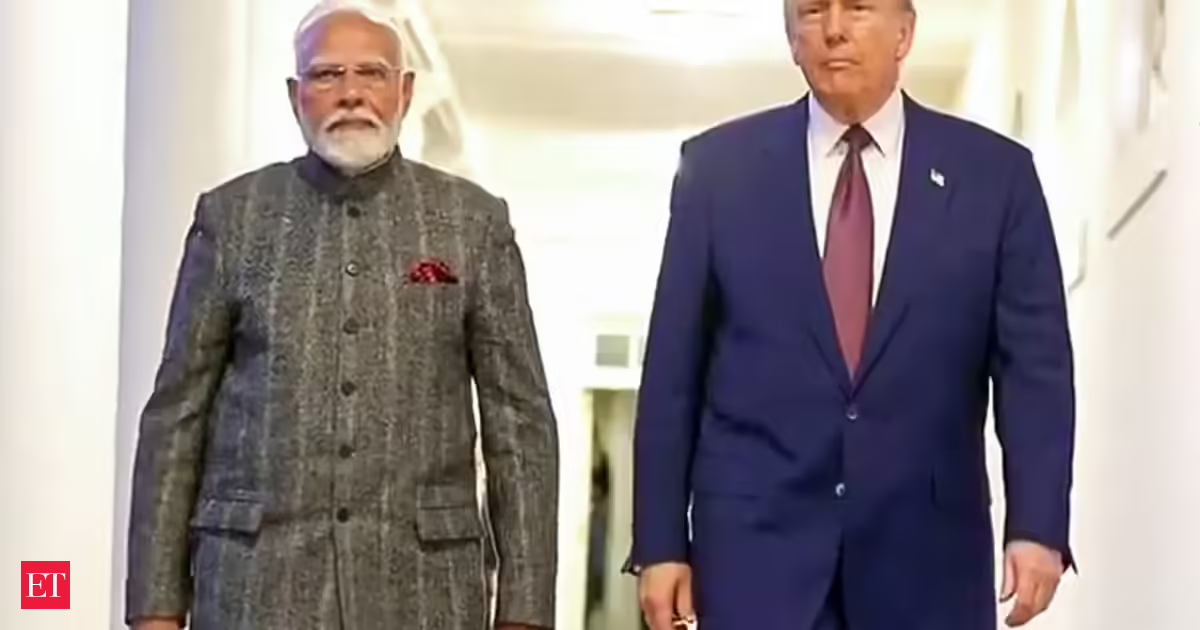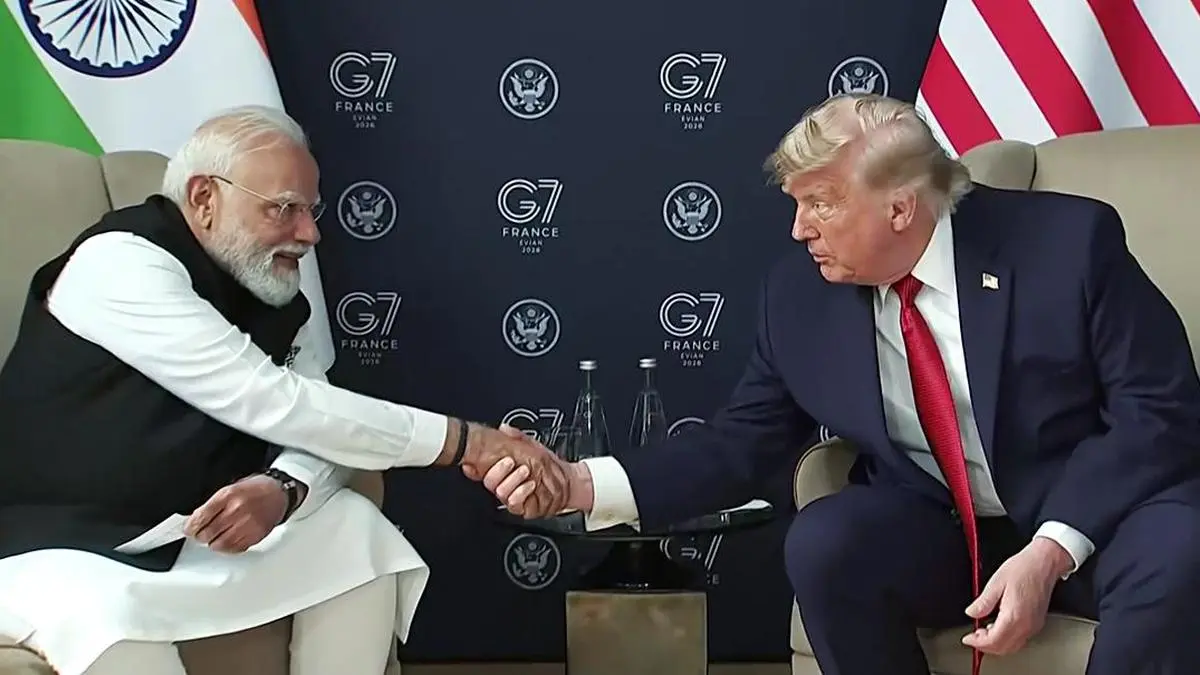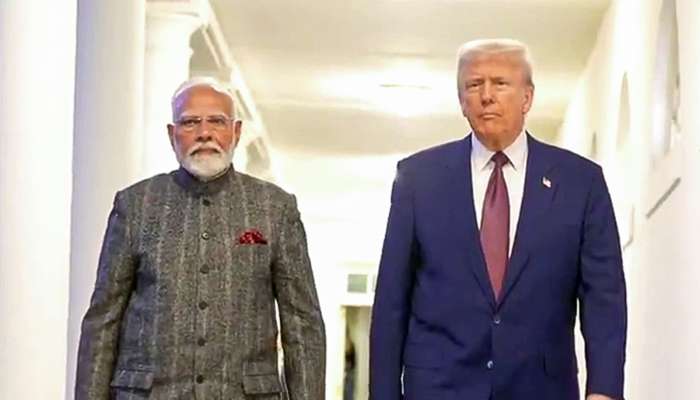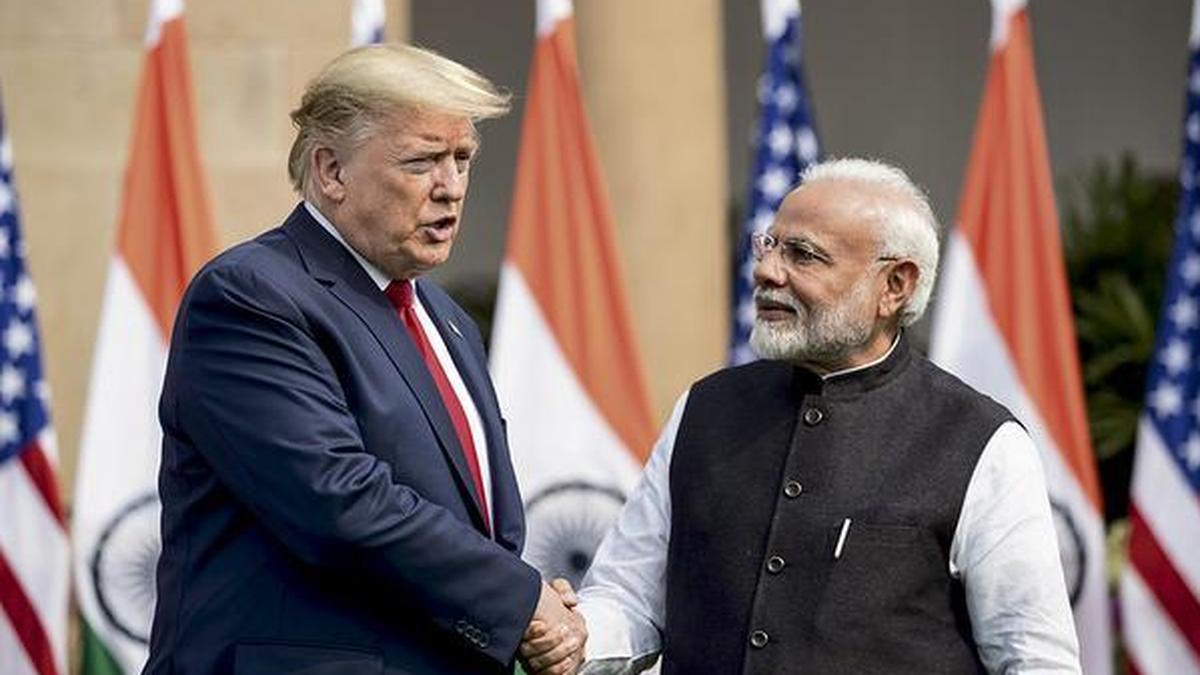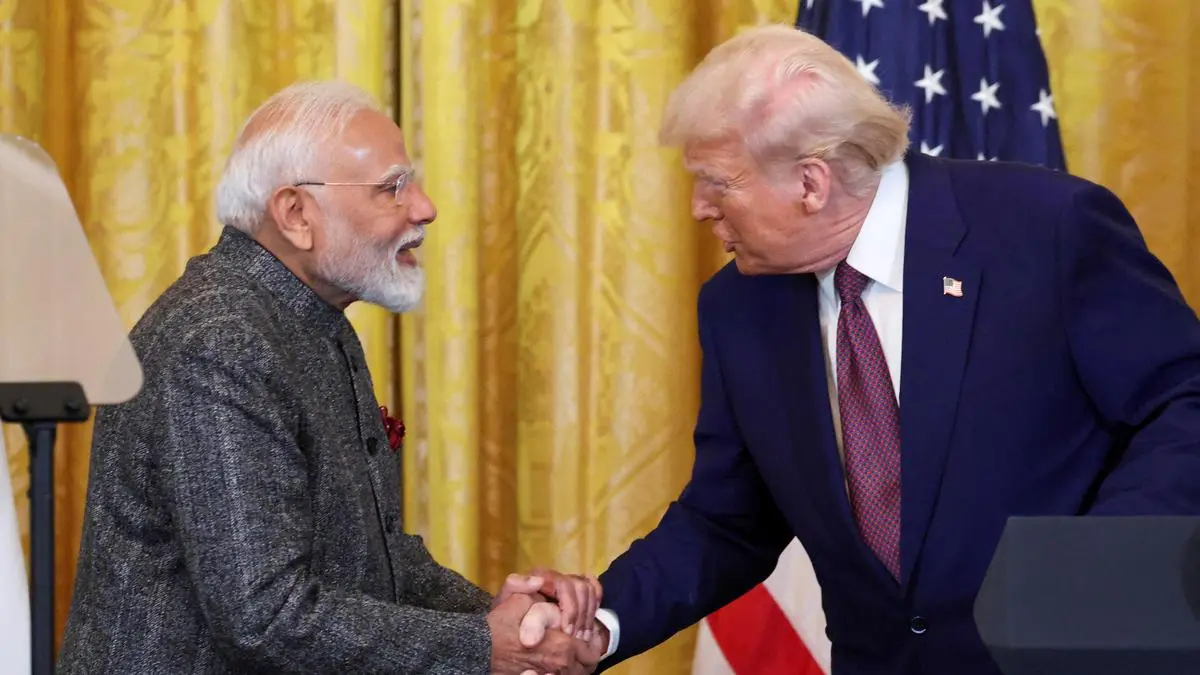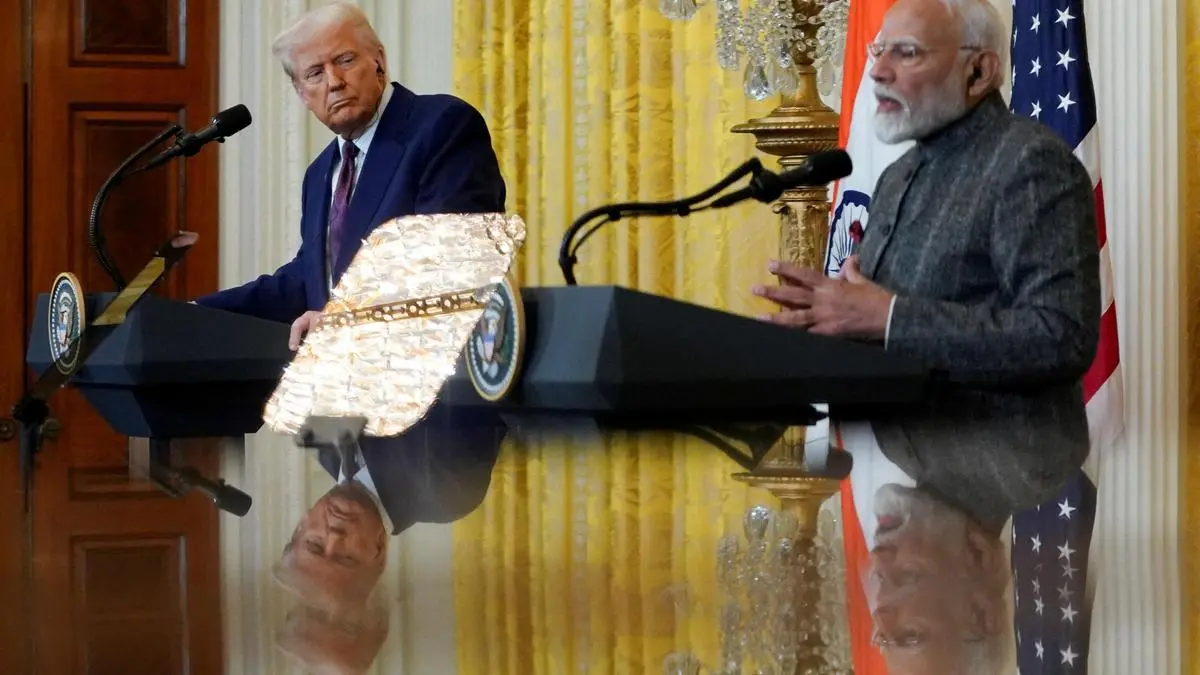
When US President Donald Trump’s meets with Prime Minister Narendra Modi on the sidelines of the G7 summit in Evian on Wednesday, the American push for an expeditious conclusion of the India-US interim trade deal will be centre-stage.However, New Delhi will still wait to ensure that sticky issues, including US’ penal tariffs on Indian exports, and India’s competitive edge over rivals, are satisfactorily addressed.“India is in favour of an interim deal but it has to first know what US tariffs on its goods would be. Moreover, the deal has to be such that it gives Indian exporters a guaranteed edge over competitors such as Vietnam, Bangladesh and Indonesia. The Modi-Trump meet will at best result in an exchange of good intentions on the deal,” a source tracking the matter told businessline.Other issues likely to be taken up include partnership in critical minerals and securing of supply chains, increased trade in energy, cooperation in AI and digital infrastructure and securing navigation, the source added.Significantly, the two leaders, who will meet face-to-face after sixteen months, are also expected to discuss the situation in West Asia in the light of the recent killing of three Indian mariners by US forces in the Gulf of Oman and the proposed US’ deal with Iran to end the on-going war and the Strait of Hormuz blockade.There is pressure on Modi from several quarters, including opposition leaders, bodies such as the seafarers’ association and family members of the victims, to take up the matter with Trump.Swadeshi Jagran Manch (SJM), the economic wing of the RSS (the ruling BJP’s ideological mentor), lashed out against the US action that resulted in the marniers deaths, in a letter to US Ambassador to India Sergio Gor on Monday.“These incidents have sent a wave of disbelief and anger among the people of India. US administration added insult to injury by an insensitive and irresponsible response, hurting Indian sentiments further, who had always considered US to be a great friend...is a serious violation of the international law governing the seas, armed conflict, and human rights,” wrote Ashwini Mahajan, Co-convenor, SJM.Published on June 16, 2026
Trump, Modi to meet amid tariff tangle, row over marine killing
New Delhi will still wait to ensure that sticky issues, including US’ penal tariffs on Indian exports, and India’s competitive edge over rivals, are satisfactorily addressed
351 words~2 min read