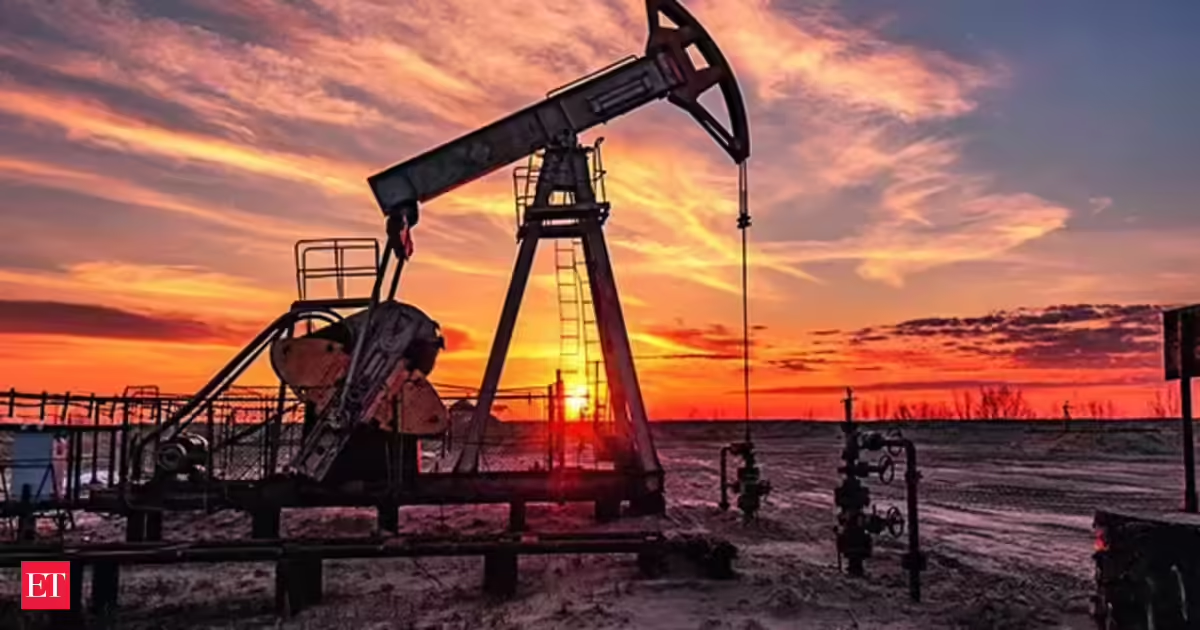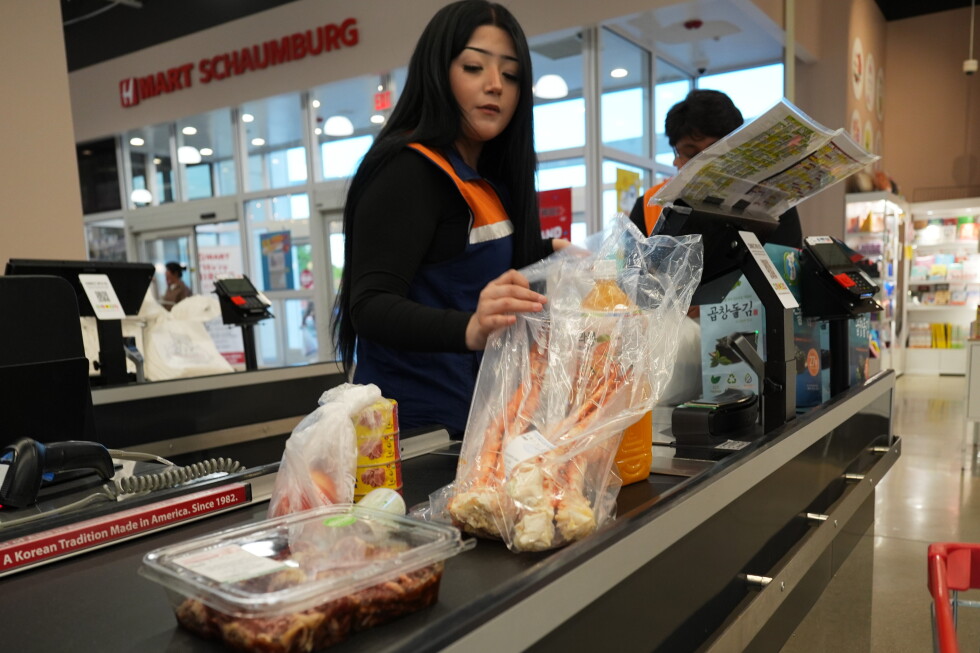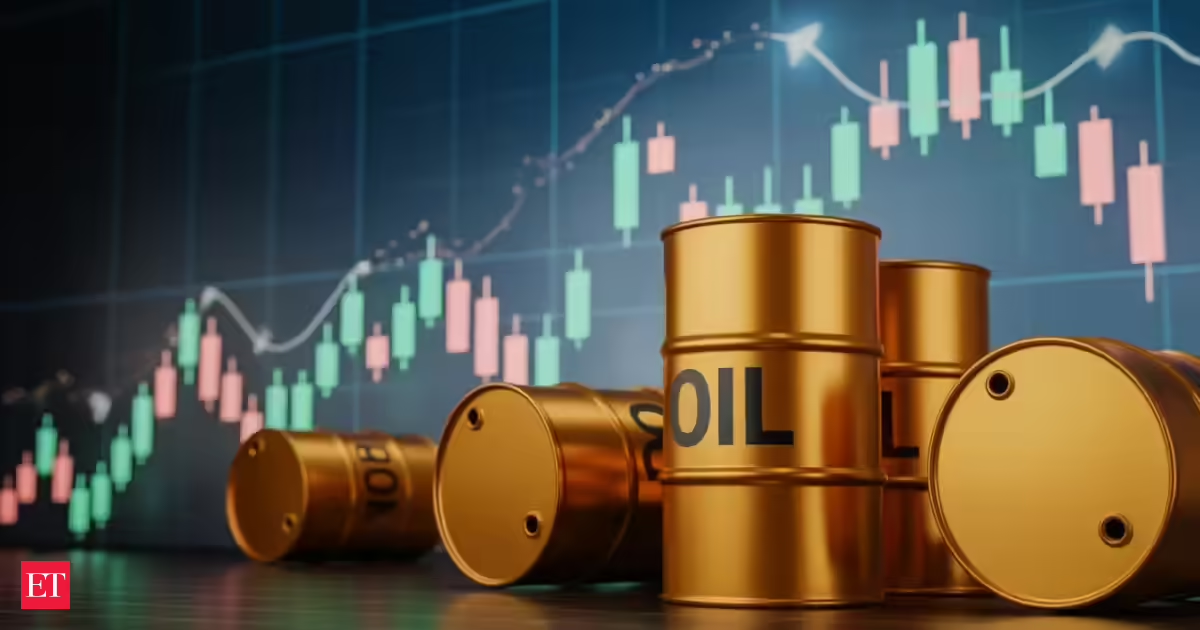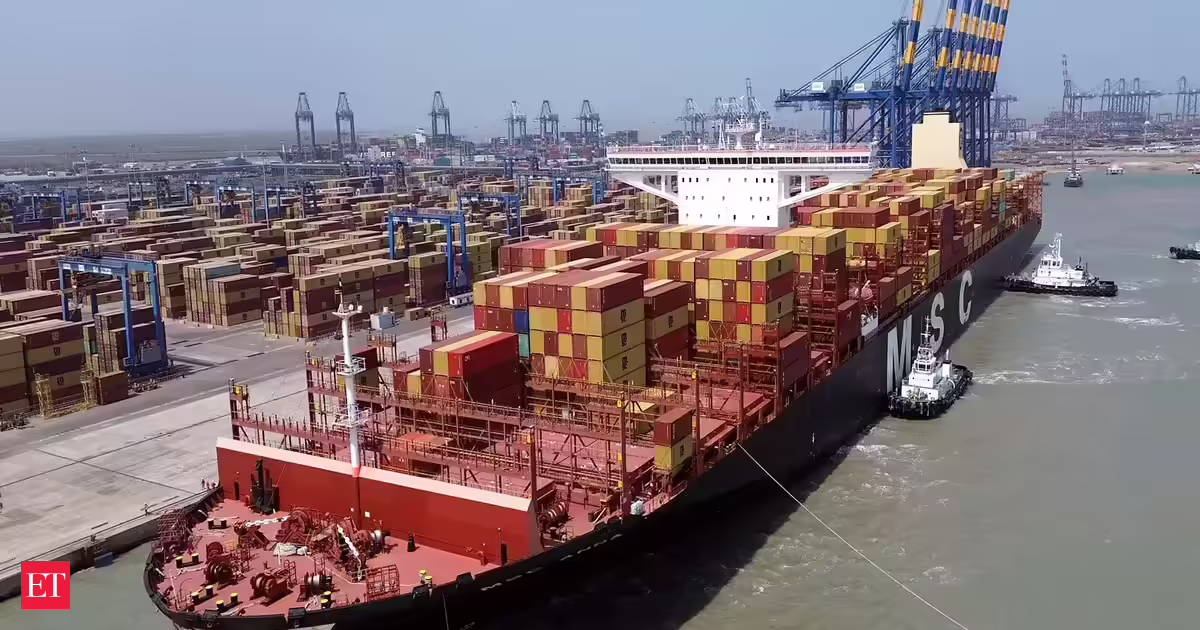
Commodity prices would stay elevated for a few more months even as the U.S.-Iran war comes to an end, due to second order effects on supply chain, according to a study by Sonal Badhan, Economist at Bank of Baroda. Global crude oil prices increased 47.7% in February to May 2026, as against a deflation of 15% in the corresponding period last year, Ms.Badhan said citing World Bank data. Natural gas and coal prices inflated 33.2% and 10.9% in the three month period of the current calendar year compared with a deflation in the previous year. Prices of essential industrial goods also inflated significantly. The fertilizer index increased 37.8%. Within fertilizers, urea index increased 63.2%, TSP became expensive 33%, and DAP became dearer by 23%. All metals under the metals index also increased aluminium increasing the most (19.9%) in the three month period on a month-on-month basis. Aluminium price rise has led to supply concerns, Ms.Badhan wrote. Global food grain prices too were up although the degree varied by food grain. The study observed that this could spill over to the Indian commodity prices as well. Some of this has already spilled over to domestic inflation. WPI increased 9.7% in May, 8.26% in April and 4% in March 2026. Fuel and power sector prices increased 30% in May 2026 and 25% in April 2026. Manufacturing prices increased at the fastest pace of 7.5% in the new series. “Even after the war has ended, it will still take some time for supply chains to normalise and freight cost (including cost of insurance) to come down. In addition, EL Nino this year is expected to be the strongest since 1950. This will lead to adverse weather conditions across the globe and have an impact on agricultural products,” Ms. Badhan wrote, forecasting India WPI inflation to average at 7% to 8% in fiscal 2027. Published - June 16, 2026 08:31 pm IST
India’s commodity costs to stay higher even as war ends
Commodity prices would stay elevated for a few more months even as the U.S.-Iran war comes to an end, due to second order effects on supply chain, according to a study by Sonal Badhan, Economist at Bank of Baroda.
318 words~1 min read