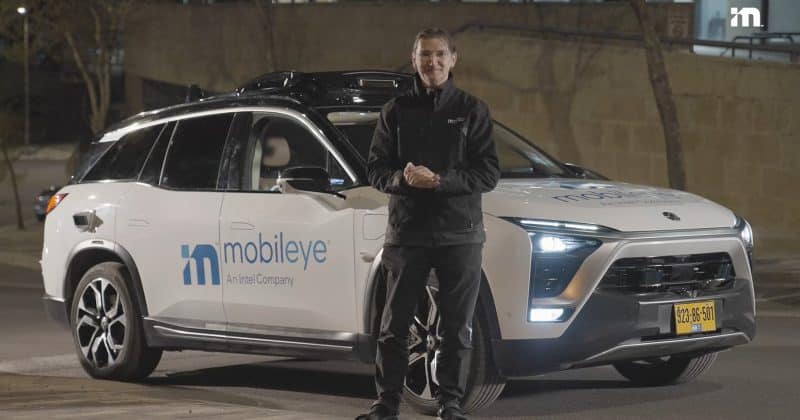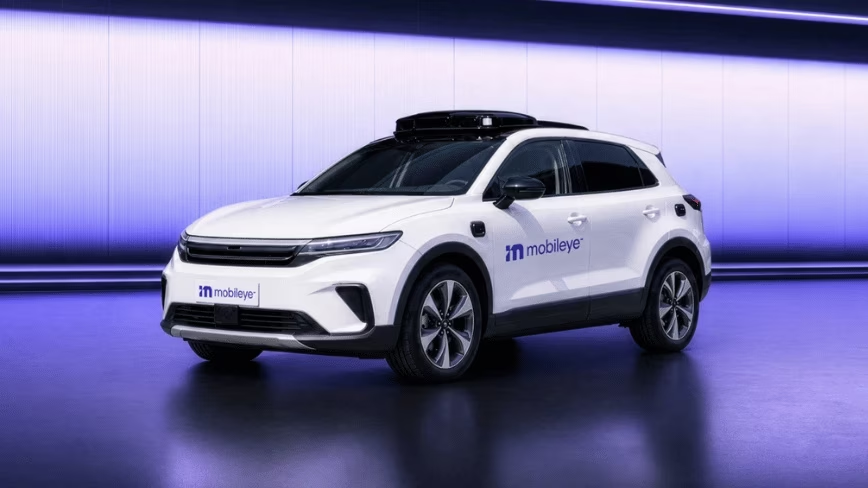
For 25 years, Mobileye has been the arms dealer of self-driving, selling the cameras, chips, and software that now sit inside more than 230 million cars, while pointedly leaving the driving business to everyone else. On 16 June, it said it would start doing the driving itself.
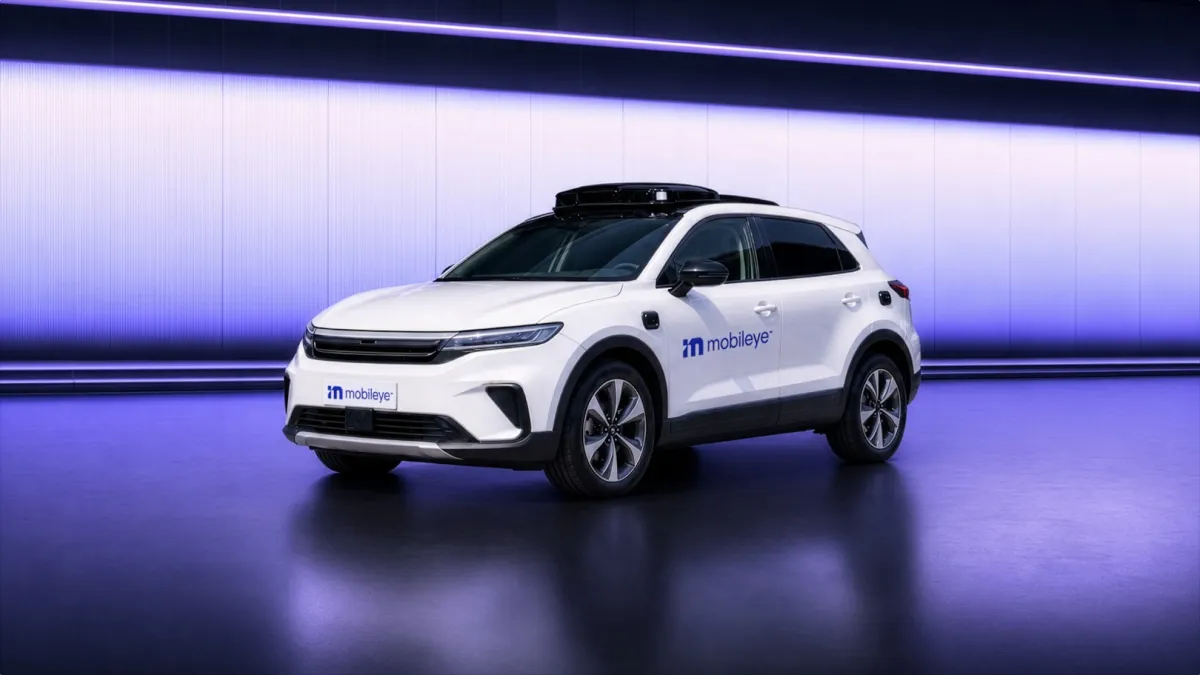
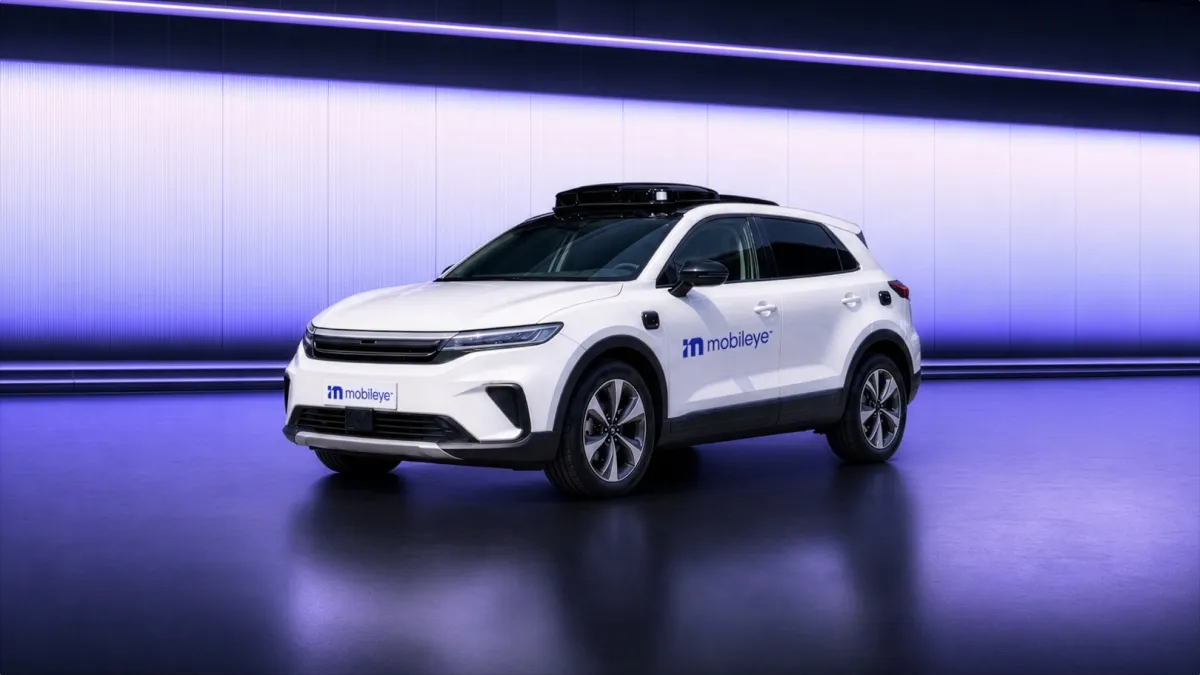
The Jerusalem company announced plans to launch its own robotaxi service in a US city in 2027, moving from supplying autonomous-driving technology to owning and operating an autonomous ride-hailing business outright. Investors liked it: the shares rose about 6 per cent.
Mobileye plans to start small, with a fleet of around 100 vehicles in a major US metro area, phased through 2027 and running fully driverless. If that works, it wants to scale to roughly 17,000 vehicles over the following five years.
From supplier to operator
The shift matters because of what Mobileye has always been. Its Mobileye Drive system is sold as a standalone product that carmakers and mobility operators plug into their own vehicles, the neutral-supplier position that made it a partner to almost everyone.