Many companies in Vietnam have traditionally supported children through scholarships, school donations, emergency relief efforts and community programs. While these initiatives can address immediate needs and strengthen community relations, they are often implemented as standalone corporate social responsibility (CSR) activities rather than integrated into broader business strategies.
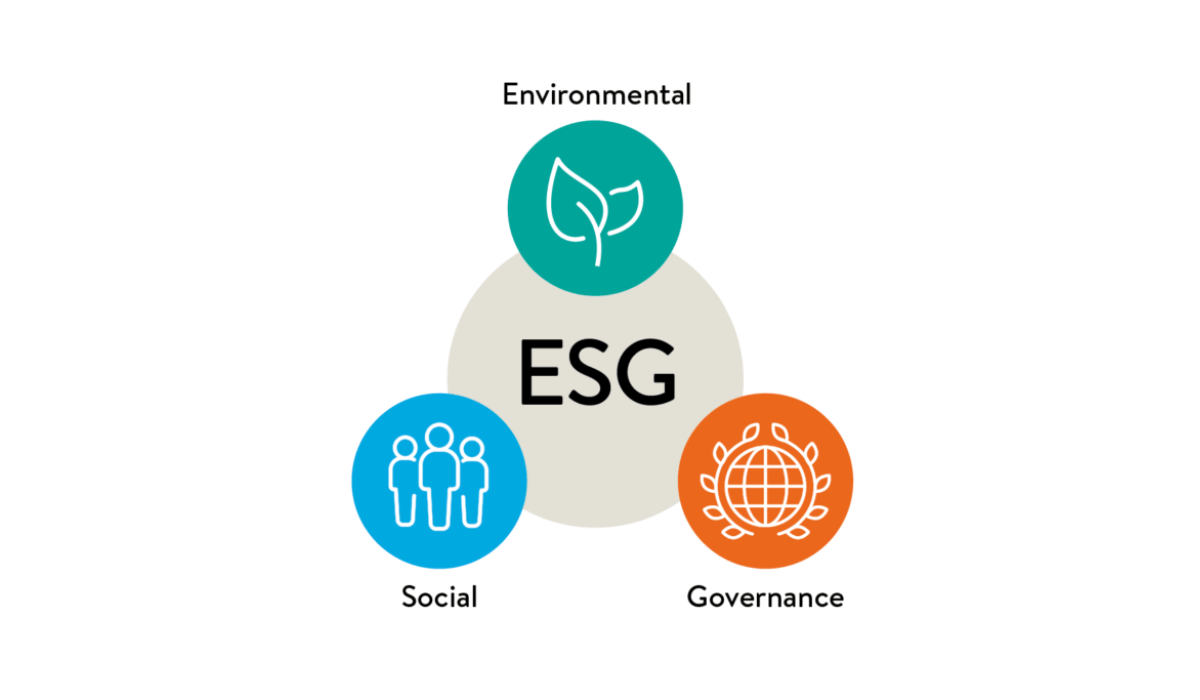
As ESG expectations evolve, companies are facing growing pressure to demonstrate not only their social commitments but also how those commitments are implemented, measured and linked to long-term outcomes. Social impact is increasingly assessed through effectiveness, accountability and stakeholder relevance rather than financial contributions alone.
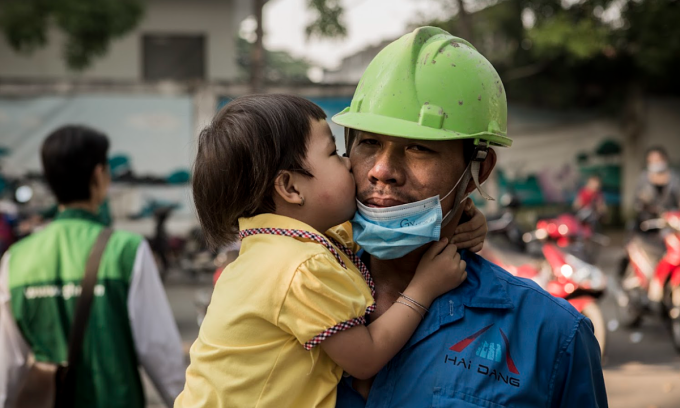
A child-focused approach provides one framework for addressing these expectations. Children are connected to business activities in multiple ways — as members of employees' families, residents of communities where companies operate, users of products and services, and future participants in the workforce and economy.
Their well-being can be influenced by corporate decisions related to employment practices, supply chains, product design, technology, community investment and long-term development strategies.