There is an African proverb that says, “The child who is not embraced by the village will burn it down to feel its warmth.” While often quoted in discussions about social inclusion, it captures a profound ESG truth: societies and businesses that neglect education ultimately pay a far greater price than those that invest in it.
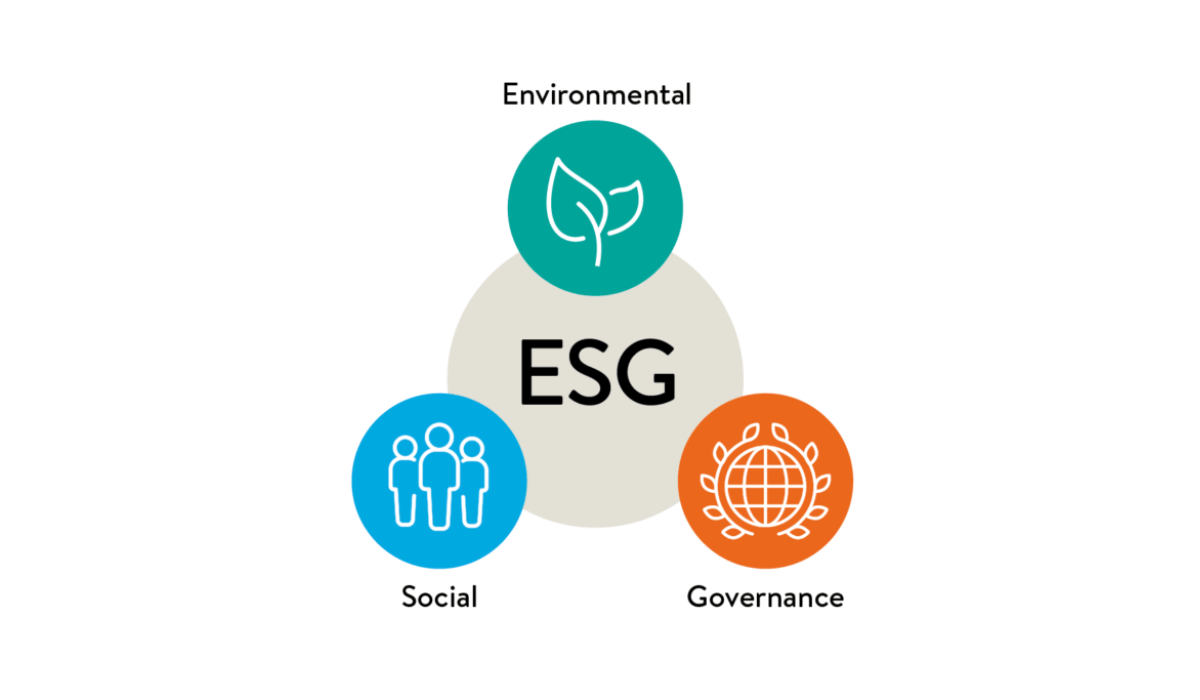
In boardrooms around the world, Environmental, Social, and Governance (ESG) conversations often gravitate toward climate action, renewable energy, carbon emissions, and corporate governance. Yet one of the most transformative ESG investments remains hiding in plain sight: education.
Education is not philanthropy. It is infrastructure for the future.
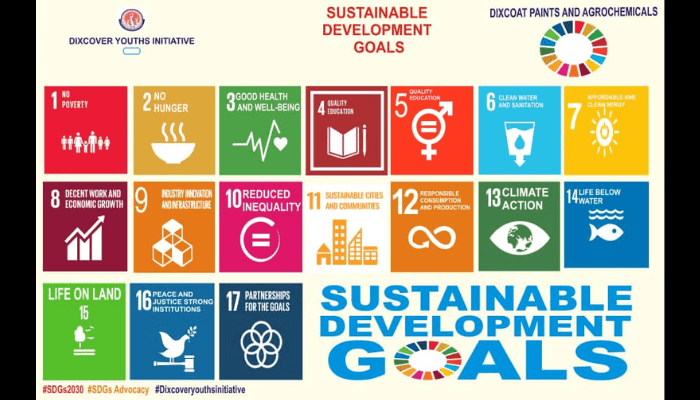
The assertion that education drives innovation, inclusion, sustainability, and long-term economic success is not merely aspirational; it is supported by global evidence. The United Nations’ Sustainable Development Goal 4 (SDG 4) recognises quality education as a foundational enabler of sustainable development. UNESCO and the World Bank consistently identify education as one of the strongest pathways out of poverty, a driver of workforce productivity, and a catalyst for economic growth.
From an ESG perspective, education sits squarely within the social pillar, but its impact extends far beyond it. Educated populations are more likely to innovate, adopt sustainable practices, participate in democratic governance, and contribute meaningfully to economic development. In fact, emerging research on the interconnectedness of the Sustainable Development Goals suggests that progress in education creates positive ripple effects across multiple development outcomes. (arXiv)